Wonder Gardens Ideas for Tropical Home Yards
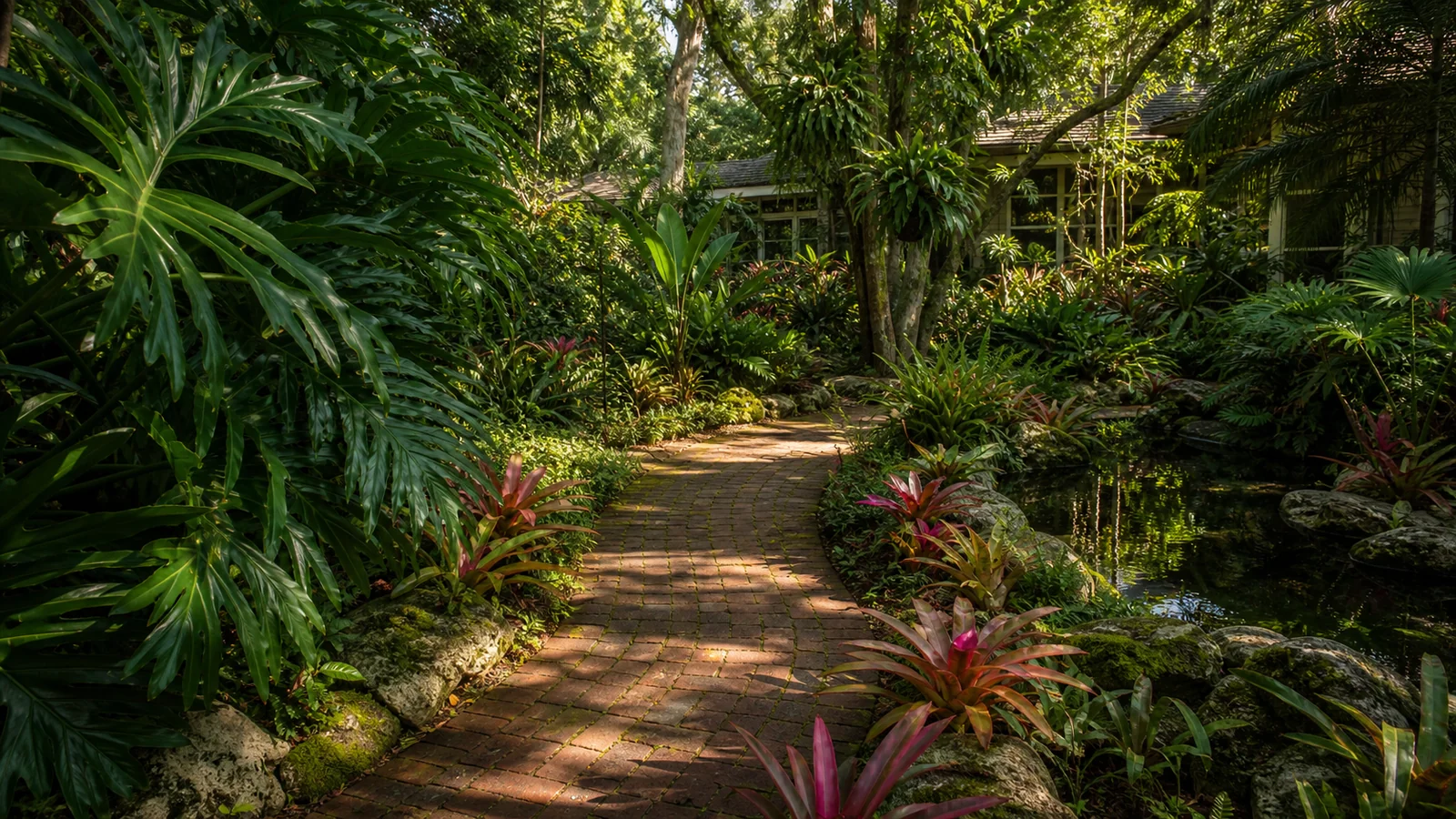
Treat Wonder Gardens As A Lesson In Small-Space Abundance
Wonder Gardens in Bonita Springs, Florida is known as a historic Old Florida botanical garden and refuge for rescued, rehabilitated, and non-releasable birds and reptiles. It is not a huge formal estate garden. That is exactly why it offers useful lessons for home yards. The feeling comes from shade, winding movement, lush planting, water, wildlife, and close-up details packed into a walkable scale.
For homeowners, the goal is not to recreate a zoological garden or copy a Florida attraction. It is to borrow the design logic: make a compact outdoor space feel immersive without making it hard to maintain.
Use this guide if you want a small backyard, side yard, courtyard, or patio edge to feel greener, calmer, and more layered while still working for everyday life.
Start With Shade Before You Add Color
Wonder Gardens has a lush mood because shade shapes the experience. Large trees, filtered light, and cool pockets make the planting feel deeper than it would in full sun. At home, shade is not a limitation to solve last. It is often the first design tool.
Look at where your yard already has cover:
- A mature tree with open ground below
- A fence line that casts afternoon shade
- A porch or pergola edge
- The north or east side of the house
- A side yard that stays cool but narrow
- A patio corner that needs softness
Then decide whether that shade should feel like a resting place, a path, a planting pocket, or a transition from house to garden. The answer changes the plant choices.
Broad leaves, ferns, caladiums, gingers, fatsia, hostas in cooler regions, shade-tolerant grasses, and simple evergreen shrubs can all create a tropical feeling when layered well. In warm climates, bromeliads and orchids can add detail. In colder climates, use the same structure with hardy foliage plants and bring tender tropicals out only for the warm season.
Our hostas for shade gardens article is useful if your yard needs the lush leaf effect without true tropical growing conditions.
Make The Path Feel Like A Slow Discovery
A lush garden works best when people do not see everything at once. Wonder Gardens uses the pleasure of moving through plantings, water edges, and wildlife areas. A home version can do the same with a short curved path, a stepping-stone route, or even a clear walking line through containers.
The path does not need to be long. It needs to create a sequence.
Try one of these small-yard moves:
| Yard condition | Path move | Why it works |
|---|---|---|
| Narrow side yard | Offset stepping stones | Slows the walk and leaves room for planting |
| Small backyard | Curved gravel path | Makes the yard feel less boxy |
| Patio edge | Pavers leading to one planted corner | Gives the patio a destination |
| Shady tree area | Mulch or bark route | Protects roots and feels natural |
| Courtyard | Diagonal path line | Adds depth in a square footprint |
Keep the surface stable enough for real use. Tropical-looking gardens can become frustrating if leaves, mulch, or loose stones make every step awkward. A clear edge between path and planting lets the garden feel abundant without making the route feel neglected.
If you are not sure where a path belongs, sketch the main views first. Our garden drawing guide can help you map movement before buying plants.
Use Water As Atmosphere, Not A Maintenance Burden
Many lush public gardens use water to cool the mood, reflect leaves, and invite slower looking. A home garden can borrow that feeling without installing a large pond or complicated feature.
Useful low-drama water ideas include:
- A glazed water bowl with a small recirculating bubbler
- A narrow rill beside a patio, if professionally installed
- A birdbath placed near protective planting
- A rain chain that drains into stone and moisture-loving plants
- A small container pond where mosquitoes can be managed safely
- A dry stream bed where drainage already moves through the yard
The important question is maintenance. If water will not be cleaned, refreshed, or safely powered, keep it simpler. A dry stone channel with ferns and sedges can suggest water even when no standing water is present. A single birdbath near shade may do more for the garden’s mood than an oversized pond that becomes a chore.
Place water where you will notice it from a chair, door, or path. Hidden water features are easy to neglect. Visible water features become part of daily life, which makes care more likely.
Layer Plants From Big Leaves Down To Ground Texture
Tropical gardens can look chaotic when every plant competes for attention. Wonder Gardens’ lesson is abundance with layers. The eye moves from canopy to broad leaves, then to smaller textures, flowers, and ground details.
Build the same effect in a home bed:
- Start with overhead or background structure.
- Add one or two bold foliage plants.
- Repeat a middle layer for fullness.
- Tuck smaller detail plants near paths and seating.
- Cover open soil with mulch, groundcover, or low foliage.
For warm regions, the bold layer might include elephant ears, philodendron, ginger, bananas, or palmetto-style plants where appropriate. For cooler regions, use hardy shrubs, hydrangeas, cast iron plant in mild zones, hostas, ferns, ornamental grasses, and large containers of tender foliage.
Do not plant everything as single specimens. Repeat one leaf shape or color in several places so the garden feels intentional. A few repeated ferns, three matching pots, or a line of shade-tolerant groundcover can calm a busy collection.
Our Wild Gardens of Acadia native yard ideas use a different climate, but the same rule applies: group plants by conditions, then repeat them.
Bring In Wildlife Cues Carefully
Wonder Gardens is also a refuge for animals, but a home yard should support wildlife without trying to host more than the space can handle. The practical goal is habitat, not spectacle.
Start with small supports:
- Flowers that provide nectar across the season
- Shrubs or grasses that offer cover
- Clean shallow water
- Leaf litter under shrubs where it is appropriate
- Reduced pesticide use
- A few seedheads left through the cool season
- Native or regionally adapted plants that suit your climate
Avoid feeding wildlife in ways that create dependency, mess, or conflict. Do not add plants that are invasive in your region just because they look lush. Do not place birdbaths where visiting birds are exposed to cats, heavy foot traffic, or dirty runoff.
The best wildlife garden still looks cared for. Keep paths open, remove diseased material, and make sure water is clean. A small, tidy habitat corner often works better than a whole yard that becomes too dense to maintain.
Add Old Florida Character Without Theme Decor
Wonder Gardens has Old Florida character because of mature planting, shade, water, and history. At home, that feeling can turn awkward if it becomes all signs, novelty pieces, and bright tropical props.
Let the garden materials do most of the work.
Good choices include:
- Weathered stone or simple shell-like gravel where regionally suitable
- Wood benches or slatted chairs
- Terracotta, clay, or muted glazed containers
- Quiet metal plant labels
- Natural fiber outdoor rugs under cover
- Warm low lighting instead of colorful party lighting
- Vintage-inspired pots used sparingly
Use decor as punctuation, not the whole sentence. One beautiful pot near a path is stronger than ten mismatched ornaments scattered through dense planting. The plants, shade, and route should carry the mood first.
If you like a more edited version of this idea, our The Gardens yard design guide explains how to make different outdoor areas feel connected instead of crowded.
Keep Containers Big, Few, And Useful
Containers are the easiest way to create a Wonder Gardens feeling on a patio, porch, balcony, or rental yard. They also fail quickly when they are too small, too numerous, or too thirsty for the person maintaining them.
Choose fewer, larger containers. Big pots hold moisture better, support larger foliage, and look more intentional. Group them in threes or fives near a seating area, path turn, or doorway.
Use a simple container formula:
| Layer | Container role | Example direction |
|---|---|---|
| Tall anchor | Gives height and shade mood | Palm-like plant, compact shrub, canna, tall grass |
| Broad foliage | Creates lushness | Caladium, hosta, colocasia, fatsia, coleus |
| Soft edge | Hides pot rims and soil | Creeping Jenny, sweet potato vine, ferns, low herbs |
| Seasonal color | Adds change | Impatiens, begonias, salvia, tropical annuals |
Match the plants to the light and watering reality. A full-sun tropical container may need daily attention in summer. A shady foliage pot may be easier and calmer. Always use proper drainage unless the container is intentionally designed as a water feature.
For very small projects, our spring gardening tin cans guide shows how to keep tiny planters safe and realistic.
Design One Close-Up Moment
A garden inspired by Wonder Gardens should reward close looking. That might be a bromeliad tucked into a shaded pot, a fern unfurling beside a stone, a small orchid displayed seasonally, a leaf with dramatic veining, or a quiet bench beside water.
Choose one close-up moment and give it room.
Good places include:
- Beside the most-used path
- Near a patio chair
- Outside a kitchen or living room window
- At the end of a side-yard walk
- Under a small tree where people naturally pause
Do not hide the most detailed planting in the back of a border. Put it where you can enjoy it while watering, sitting, or walking by. Small gardens become memorable through these near-at-hand details.
If the feature is delicate, make it seasonal. A tender orchid, summer tropical pot, or special fern can spend the warm months outside and return to protection later. The garden does not have to look identical all year to feel designed.
Keep The Lush Look Maintainable
The danger of a tropical-style home yard is overplanting. Lush can become crowded, wet, buggy, or difficult to walk through. Build maintenance into the design from the beginning.
Use these rules:
- Leave access behind or beside large plants.
- Keep foliage away from siding, vents, and narrow gates.
- Choose plants that fit the mature size of the space.
- Mulch open soil so weeds do not take over.
- Remove tired leaves before they pile up.
- Thin dense clumps before paths disappear.
- Group thirsty plants near water access.
- Keep containers where you can actually water them.
In humid climates, airflow matters. In dry climates, water grouping matters. In cold climates, storage for tender plants matters. A Wonder Gardens-inspired yard should feel immersive, but it still has to behave like a home garden.
Turn Wonder Gardens Inspiration Into A Home Plan
Start with one shaded or semi-shaded area rather than the whole yard. Choose a path, a plant layer, and one close-up detail. Then add water or containers only if you can care for them.
A practical first project might look like this:
- Pick one corner, side yard, or patio edge.
- Decide where the path or stepping route belongs.
- Add one bold foliage plant or large container.
- Repeat two calmer plants around it.
- Place a birdbath, water bowl, or dry stone feature where it can be seen.
- Mulch or groundcover the open soil.
- Add one detail plant near the path.
- Review the space after one season before expanding.
Wonder Gardens shows how a small garden can feel full of life without needing vast space. At home, the best version is quieter: shade, movement, layered leaves, a little water, and enough restraint that the garden stays welcoming every week, not only on the day it is planted.
You might also like
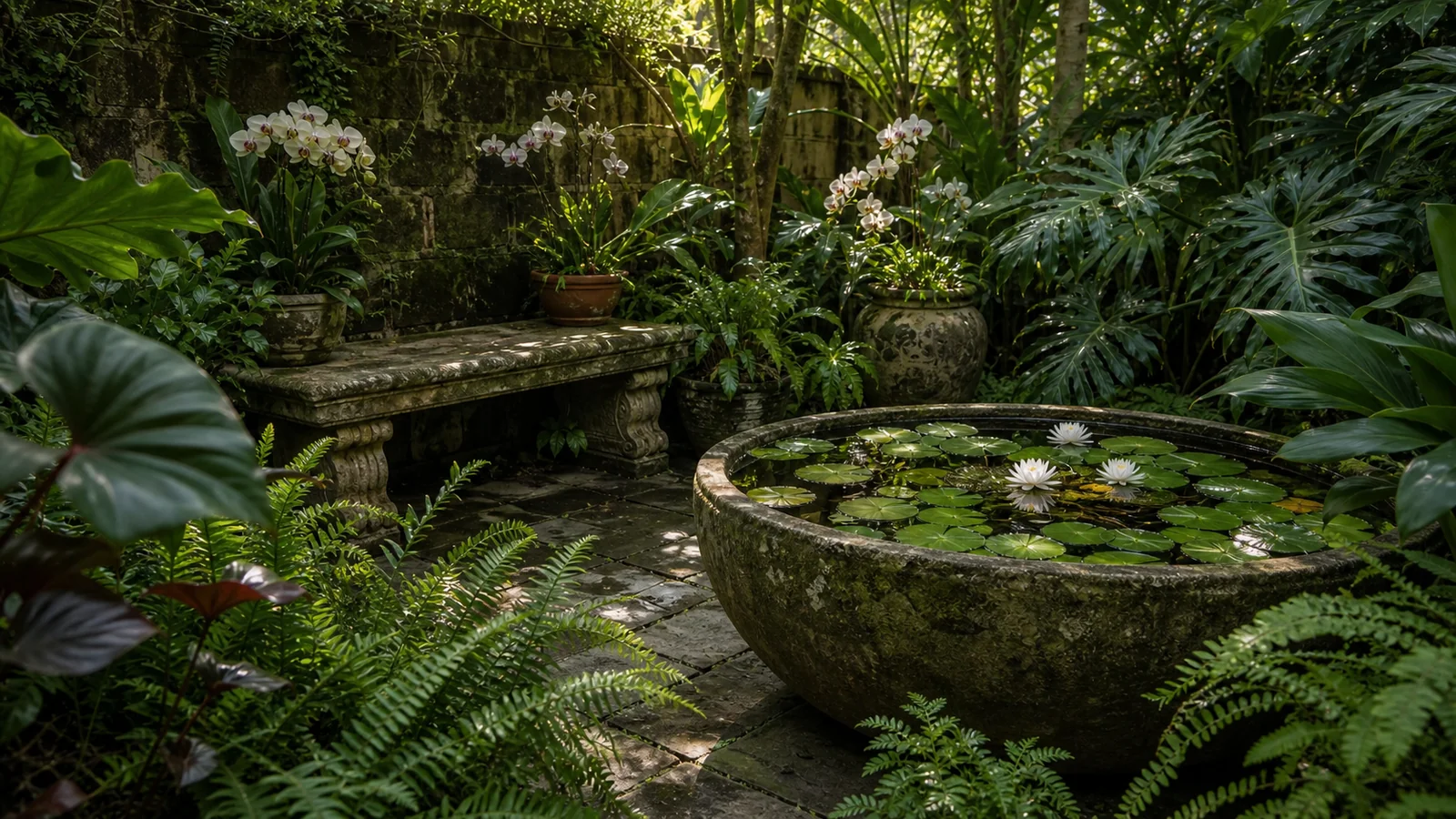
McKee Jungle Gardens Ideas for Tropical Yards
Borrow McKee Jungle Gardens ideas for shaded tropical layers, water bowls, slow paths, old-stone texture, and courtyard scale.
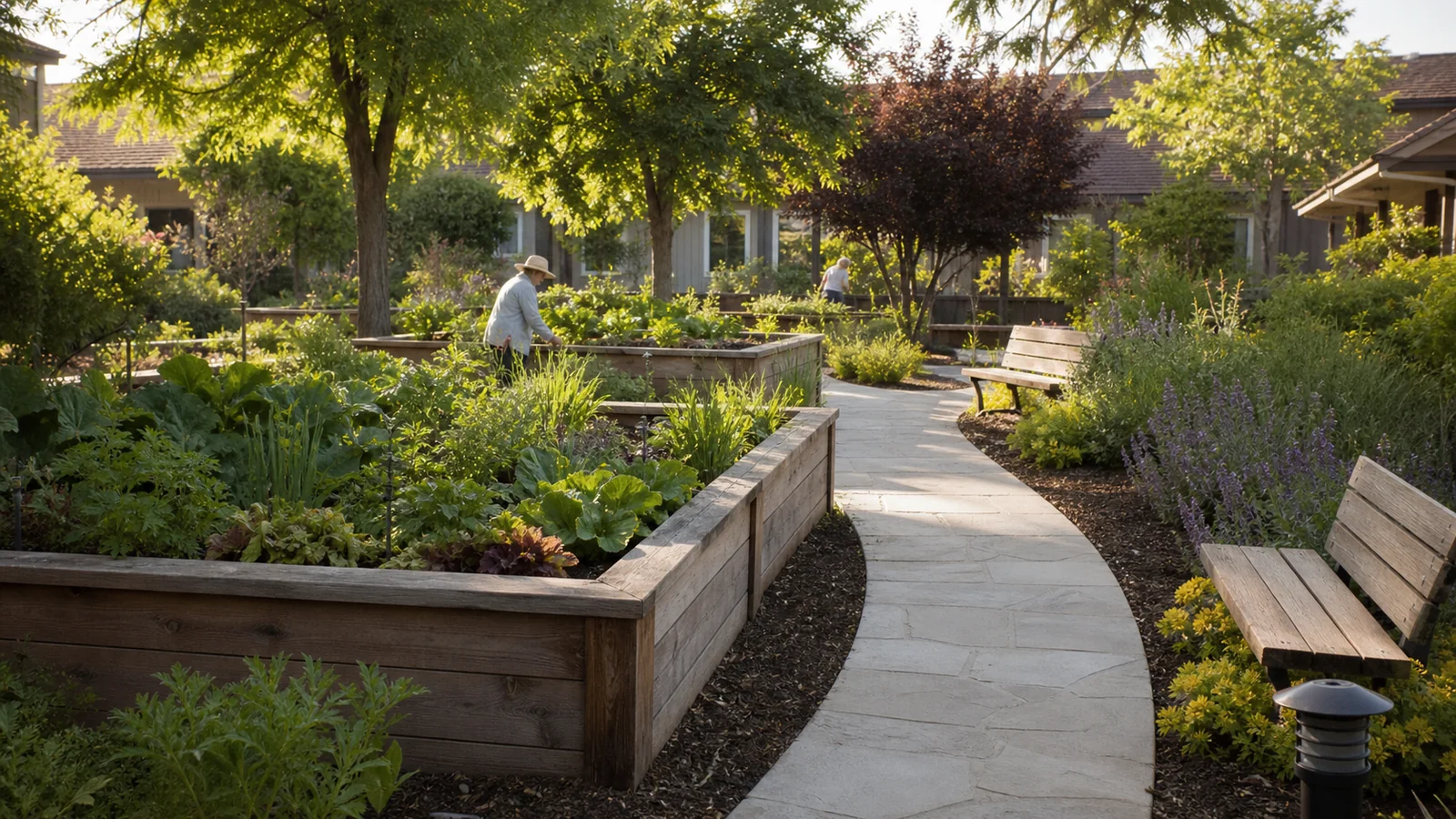
Windsor Gardens Ideas for Shared Yards
Borrow Windsor Gardens ideas for mature paths, raised beds, seating, rules, water-wise planting, and shared yard care.
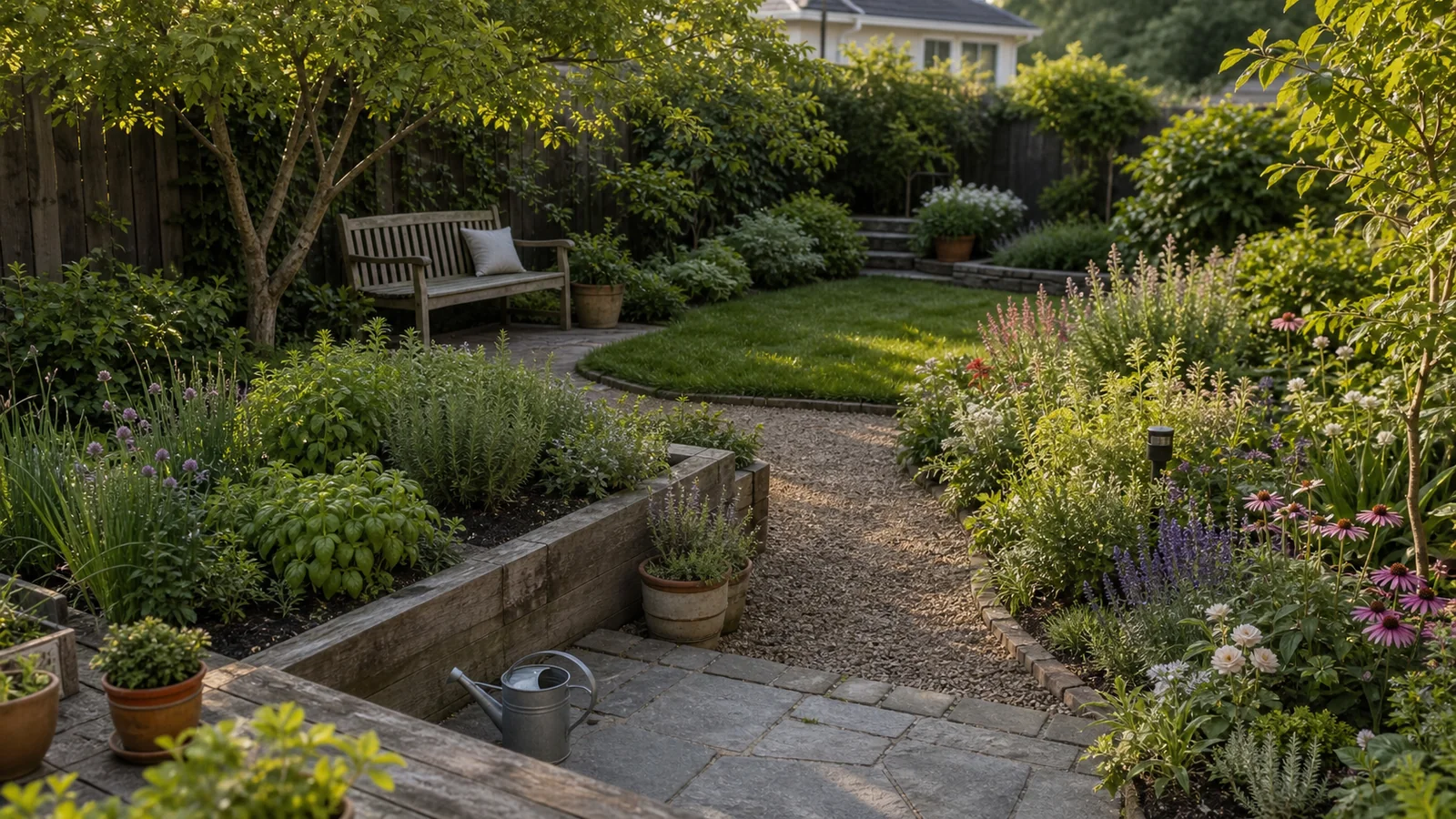
The Gardens: Make a Yard Feel Intentional
Use the gardens idea to turn scattered beds, paths, seating, and planting into a yard that feels calm, usable, and connected.