Hostas for Shade Gardens With Lasting Texture
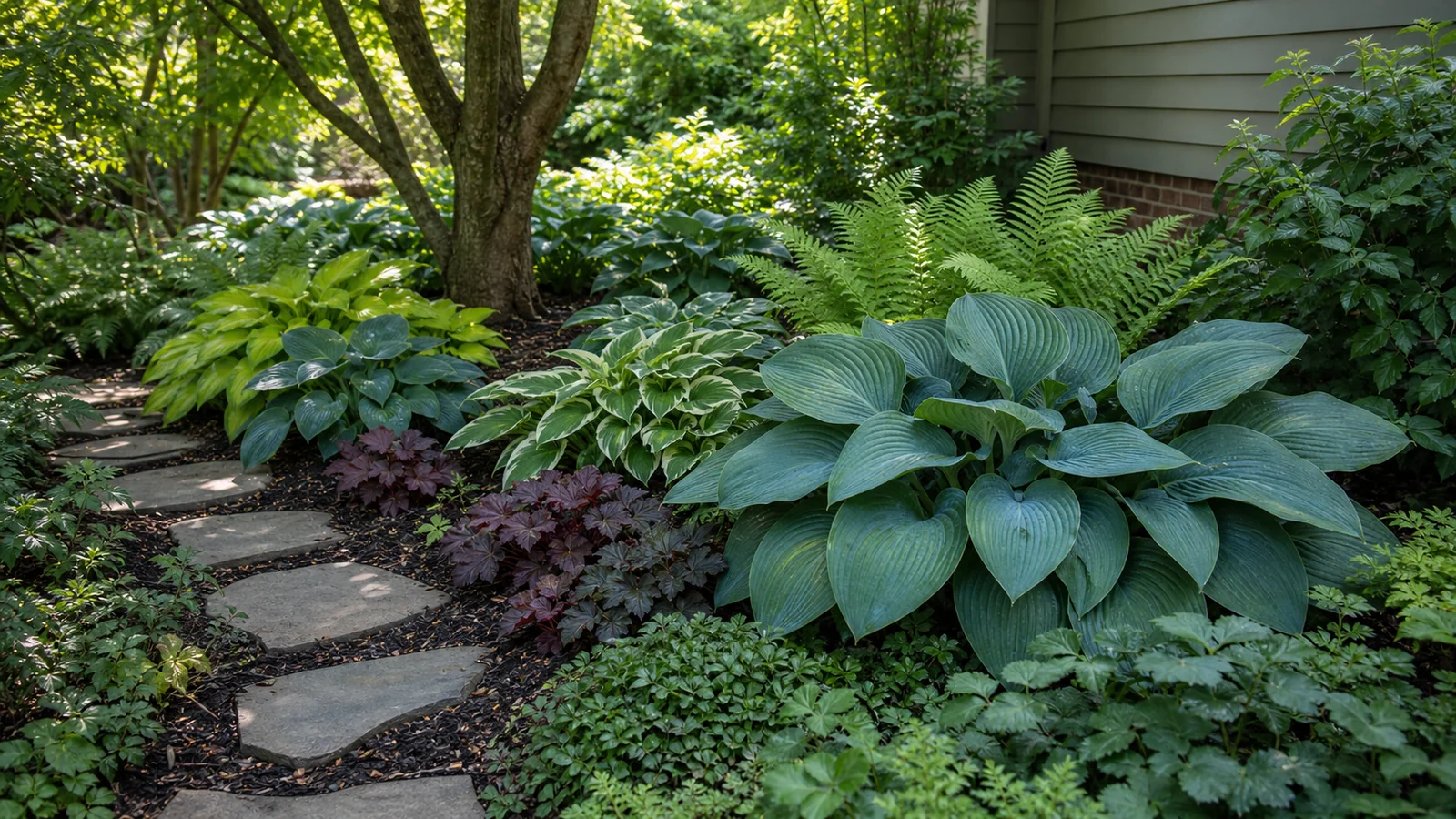
Use Hostas For Shade Gardens That Need Shape
Hostas for shade gardens work because they bring clear leaf shape where flowers often struggle. Under trees, beside north-facing walls, along side yards, and near covered patios, their broad foliage can make a dim corner feel intentional instead of forgotten.
They are not a magic plant for every dark place. Hostas still need workable soil, steady moisture, room to grow, and enough light to show their leaf color well. They also need protection from pests in some gardens. When those basics are right, they become one of the easiest ways to give shade structure.
Think of hostas as design plants first. Their flowers are pleasant, but the leaves are the main event. Size, color, texture, and repetition matter more than a single bloom week.
Read The Shade Before Choosing Varieties
Shade is not one condition. A bright east-facing bed, a dry root-filled tree base, a covered porch, and a deep side passage all behave differently. Hostas usually prefer shade or part shade, but they perform best when the site still has soft light.
Morning sun with afternoon shade is often useful, especially for gold or chartreuse varieties that need some brightness to hold their color. Blue hostas tend to look best in cooler shade, where their waxy leaf coating is less stressed by strong sun. Variegated hostas often need enough light for contrast, but too much direct sun can scorch pale leaf sections.
Use this as a starting point:
| Hosta leaf type | Best light direction | Watch for |
|---|---|---|
| Blue-green | Cool shade or gentle morning light | Hot sun can dull the blue coating |
| Deep green | Shade to part shade | Very dark sites may slow growth |
| Gold or chartreuse | Bright shade or morning sun | Harsh afternoon sun can burn leaves |
| White variegated | Bright shade, filtered light | Pale edges can scorch or look weak |
| Thick, puckered leaves | Part shade to shade | Often more resilient, but still needs moisture |
If the area is truly dim all day, use hostas as part of a broader shade plan with paths, mulch, stone, ferns, and seating. Plants alone may not solve deep darkness.
Match Hosta Size To The Bed
Hostas range from tiny edging plants to large mounds that can dominate a border. Check mature height and spread before buying. A plant that looks tidy in a nursery pot may need several feet of space once established.
Small hostas suit path edges, troughs, container groups, and the front of shady beds. Medium hostas are the easiest design workhorses. They can repeat along a side yard, soften a patio corner, or fill gaps under shrubs. Large hostas need room and a quieter setting so their leaves can become a feature rather than a traffic problem.
Avoid planting large varieties where people brush past them. Wet hosta leaves can flop into paths, and damaged foliage remains visible for the season. If a bed is narrow, choose smaller varieties or place the largest plants toward the back.
Spacing also affects maintenance. Crowded hostas trap moisture, hide slugs, and make spring cleanup harder. Give each plant enough air and use mulch to keep the bed connected while the clumps fill in.
Build Contrast With Leaf Shape And Color
A shade garden can become a green blur if every plant has the same leaf size and tone. Hostas help most when they are paired with contrasting textures.
Use broad hosta leaves beside finer plants. Fern fronds, carex, hakone grass, astilbe foliage, brunnera, heuchera, epimedium, and low groundcovers all create contrast. The hostas bring weight; the companions bring movement, lace, shine, or color.
Good combinations include:
- Blue hostas with lime-green carex and dark mulch
- Chartreuse hostas beside deep green ferns
- Variegated hostas with burgundy heuchera
- Large green hostas near pale stone or a gravel path
- Small hostas repeated under hydrangeas or shrubs
- Puckered hosta leaves beside fine fern texture
If garden design terms feel fuzzy, our guide to gardening language explains texture, repetition, scale, and focal point in practical terms.
Use Repetition Instead Of One-Of-Everything
Hostas are tempting to collect because there are so many leaf colors and sizes. A collector’s bed can be wonderful, but many home shade gardens look calmer with fewer varieties repeated well.
Choose one anchor hosta and repeat it in three to five places. Then add one contrasting hosta as an accent. This keeps the shade bed from looking like a nursery display.
For example, a narrow side yard might use medium blue-green hostas along the path, with one chartreuse variety near the gate where light is brighter. A shady patio corner might use large green hostas behind a chair and smaller variegated hostas in containers at the edge.
Repetition is especially helpful in low light because flowers are not always carrying the design. Repeated leaf shapes help the eye move through the bed.
Prepare Soil And Moisture Before Planting
Hostas like soil that holds moisture but does not stay waterlogged. In many shade gardens, the bigger problem is dry shade. Tree roots, roof overhangs, and dense shrub canopies can steal water before it reaches the hostas.
Before planting, loosen the soil gently and add compost or other organic matter. Avoid cutting major tree roots. If the bed is packed with fine roots, plant smaller hostas in pockets between roots or use containers instead of forcing large planting holes.
Mulch helps keep soil cool and moist, but do not bury the crown of the plant. Keep mulch slightly back from the stems. Water new hostas regularly during establishment, especially in the first growing season and during dry spells.
In containers, use a good potting mix and drainage holes. Hostas in pots need more regular watering than hostas in the ground, and they may need winter protection in cold climates because roots are more exposed.
Plant Hostas At The Right Depth
Plant hostas so the crown sits at about the same level it did in the nursery pot. If planted too deep, the crown can suffer. If planted too high, roots may dry out.
Water the plant before planting, then set it in a hole wider than the root ball. Backfill with improved soil, firm gently, and water deeply. If the leaves are large, support them while you work so they do not split or crease.
Spring and early fall are common planting times in many climates because the weather is cooler and plants have time to settle. In hot regions, avoid planting in the most stressful heat unless you can water carefully and provide protection.
Label varieties if you care about names, mature sizes, or future divisions. Hostas disappear underground in winter in cold climates, and labels can prevent accidental digging during dormant months.
Design Around The Whole Season
Hostas usually emerge in spring, expand through early summer, flower in summer, and then decline with frost or seasonal stress. Plan the bed so it has interest before and after the hosta peak.
In spring, bulbs, hellebores, epimedium, brunnera, and early ferns can make the bed feel alive while hostas are still unfurling. In summer, the hostas carry the foliage mass. In fall, companion shrubs, seed heads, grasses, and evergreen structure can keep the area from looking empty.
This is similar to the layered approach in green spring gardens, where foliage and structure do the quiet work after early flowers fade.
A simple shade sequence might look like this:
| Season | What carries the bed | Useful additions |
|---|---|---|
| Early spring | Hellebores, bulbs, emerging ferns | Clear leaves, refresh mulch lightly |
| Late spring | Unfurling hostas and companion foliage | Check spacing and slug activity |
| Summer | Full hosta leaves, ferns, heuchera, astilbe | Water during dry spells |
| Fall | Shrubs, grasses, seed heads, evergreen edges | Remove damaged leaves after frost |
| Winter | Paths, stones, shrubs, mulch, structure | Plan divisions or new plantings |
Shade gardens look better when they are not asked to peak for only one month.
Protect Hostas From Slugs, Snails, And Deer
The main frustration with hostas is leaf damage. Slugs and snails can chew holes, especially in damp gardens with lots of hiding places. Deer may browse hostas heavily where deer pressure is high.
Start with prevention. Clear old leaves and debris where slugs hide. Water earlier in the day so foliage and the soil surface are not wet all night. Use mulch thoughtfully; very thick damp mulch can create shelter for pests. Choose thicker-leaved hostas where slug damage is a recurring problem.
For slugs and snails, inspect in the evening or after rain. Hand-picking, barriers, traps, and garden-safe bait options may help, depending on your local guidance and household safety needs. Always follow product labels if you use any control.
For deer, hostas may not be a wise front-line plant in unfenced areas. Use them closer to the house, inside protected gardens, or in containers where browsing is less likely. In heavy deer areas, combine them with more resistant shade plants instead of relying on hostas alone.
Divide And Refresh When Clumps Get Tired
Hostas can live for years in the right place, but older clumps may become crowded or bare in the center. Division can refresh the plant and give you more material to repeat elsewhere.
Spring, as shoots begin to emerge, is a common time to divide. Early fall can also work in many climates if there is enough time for roots to settle before severe cold. Lift the clump carefully, divide it with a sharp spade or knife, and replant sections with healthy roots and shoots.
Do not divide just because you can. If a hosta is growing well and has room, it can be left alone. Division is most useful when the plant is oversized, declining, or needed elsewhere in the design.
After division, water steadily while the plant recovers. The leaves may look less impressive for a season, but the clump should rebuild if conditions are good.
Use Containers For Difficult Shade
Containers are useful when the ground is full of roots, soil is poor, or the shaded area is paved. Hostas can look beautiful in pots near a shaded entry, under a covered porch, or beside a bench.
Choose a container large enough for the mature plant and stable enough not to tip. Use drainage holes and a potting mix that holds moisture without staying soggy. A broad, simple pot often suits hostas better than a narrow decorative one because the leaves need room to spill.
Containers also let you move hostas when the light changes. If leaves scorch, shift the pot deeper into shade. If a gold variety turns dull green, try a brighter morning-light position.
In cold-winter climates, protect potted hostas from repeated freeze-thaw stress. Move pots to a sheltered location, sink them temporarily into the ground, or choose containers that tolerate freezing.
FAQ
Do hostas grow in full shade?
Hostas can grow in shade, but most need some soft light to look their best. Very deep shade may produce slower growth, fewer flowers, and duller leaf color. Bright shade or morning sun is often better than dense darkness.
Which hostas are best for shade gardens?
Choose hostas by mature size, leaf thickness, color, and local pest pressure. Blue-green types often suit cooler shade, gold types usually need brighter shade, and thick-leaved varieties may handle slug pressure better.
How much water do hostas need?
Hostas prefer even moisture, especially while establishing. They do not like to dry out for long periods, but they also need drainage. Dry shade under trees may require extra watering during warm spells.
What should I plant with hostas?
Ferns, heuchera, carex, brunnera, astilbe, epimedium, hellebores, spring bulbs, hydrangeas, and shade-tolerant groundcovers can all pair well, depending on climate, soil, and light.
Let The Leaves Carry The Shade
Hostas for shade gardens are useful because they make low-light areas feel designed. Their leaves add scale, rhythm, color, and calm where constant flowers may not be realistic.
Choose varieties for the actual light, give them enough space, pair them with contrasting textures, and solve moisture before expecting lush growth. When the practical pieces are in place, hostas can turn a shaded path, patio edge, or tree bed into one of the most restful parts of the garden.
You might also like
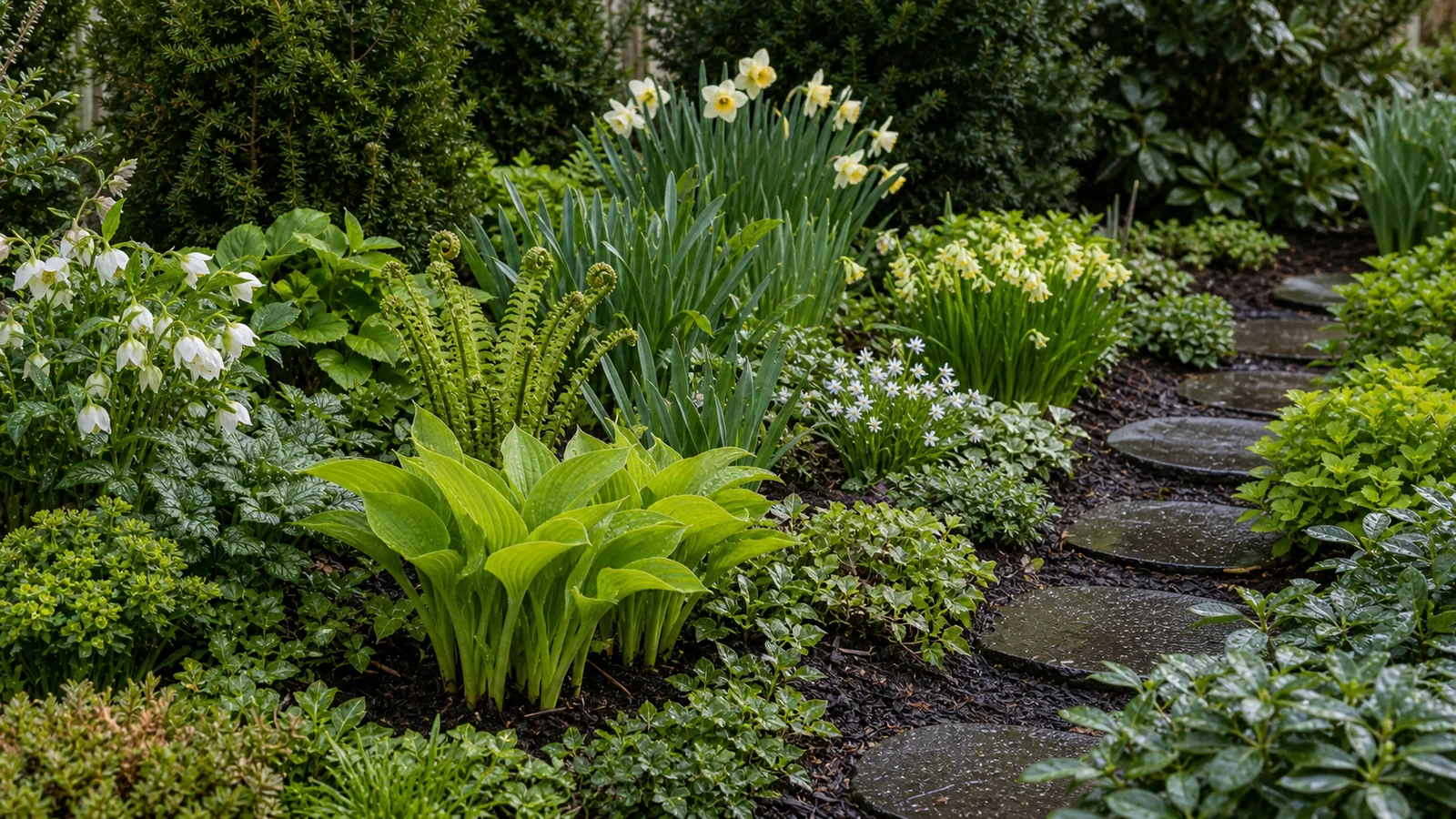
Green Spring Gardens With Texture and Calm
Design green spring gardens with fresh foliage, early bulbs, evergreen structure, and small color accents.
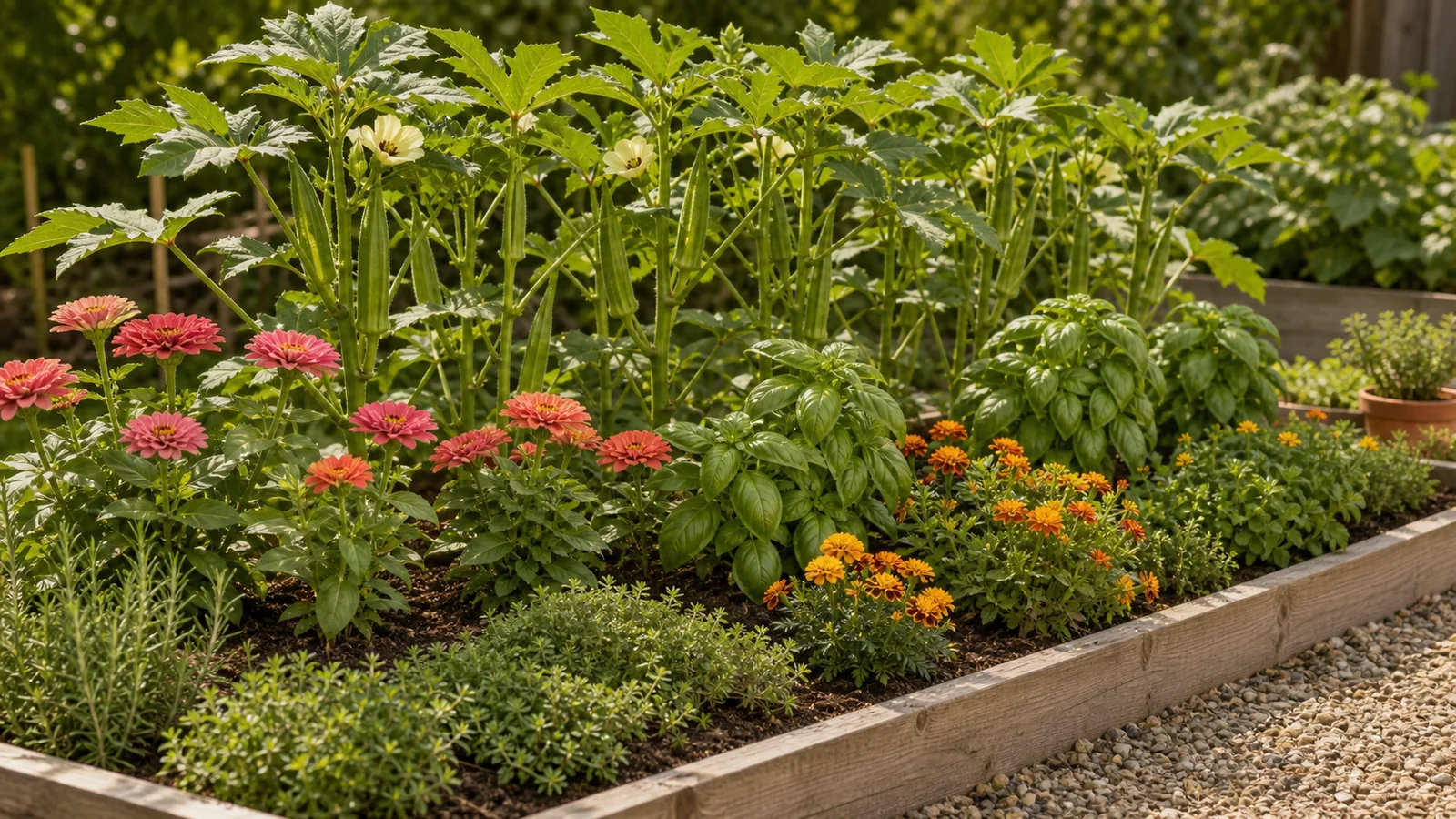
Companion Gardening Okra Bed Partners
Plan companion gardening for okra with sun, spacing, herbs, flowers, and low crops that support harvest instead of crowding.
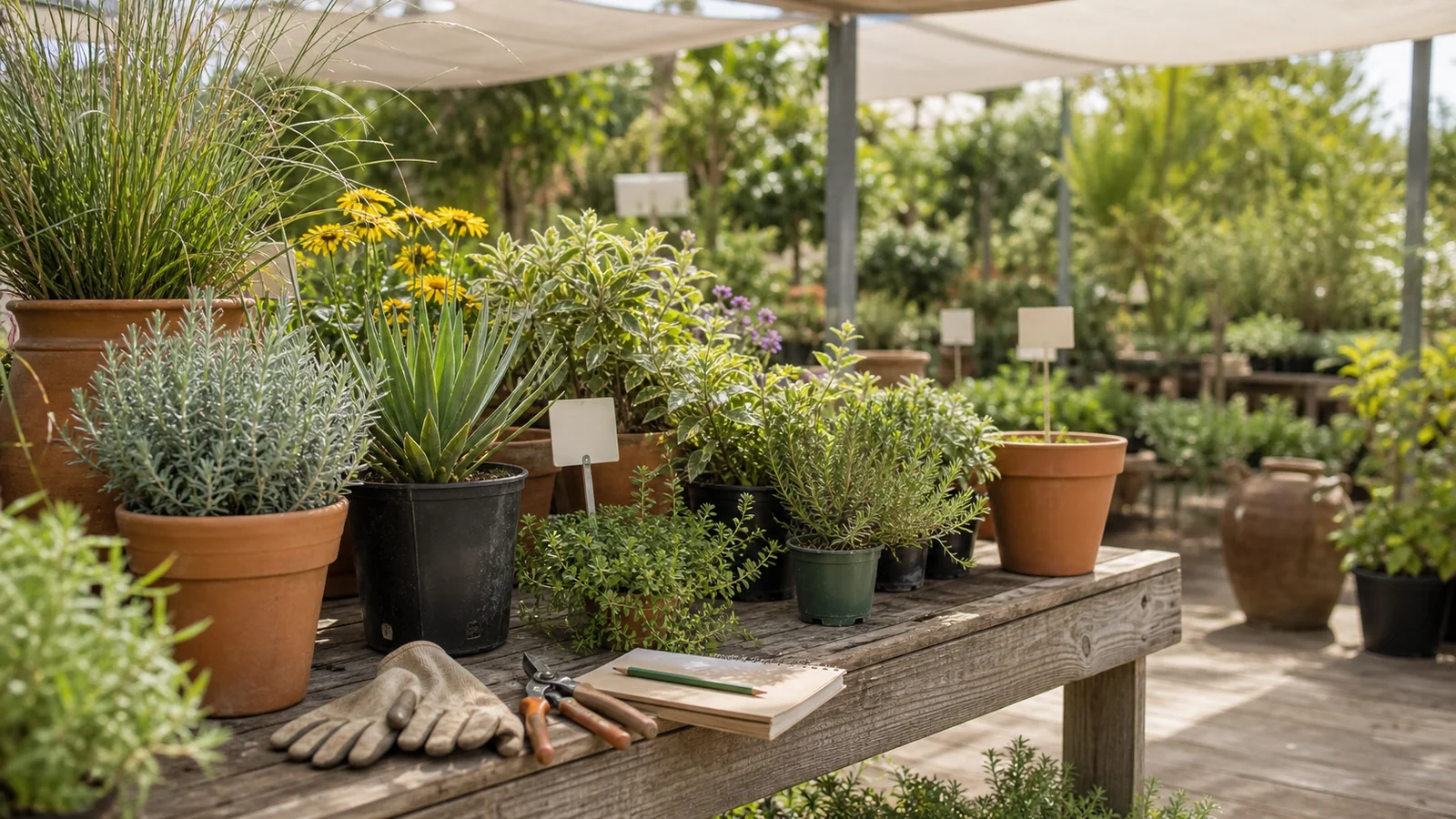
North Haven Gardens Ideas for Hot Yards
Use North Haven Gardens as a model for climate-aware plant shopping, heat-ready beds, shade planning, and practical yard refreshes.