Wild Gardens of Acadia Native Yard Ideas
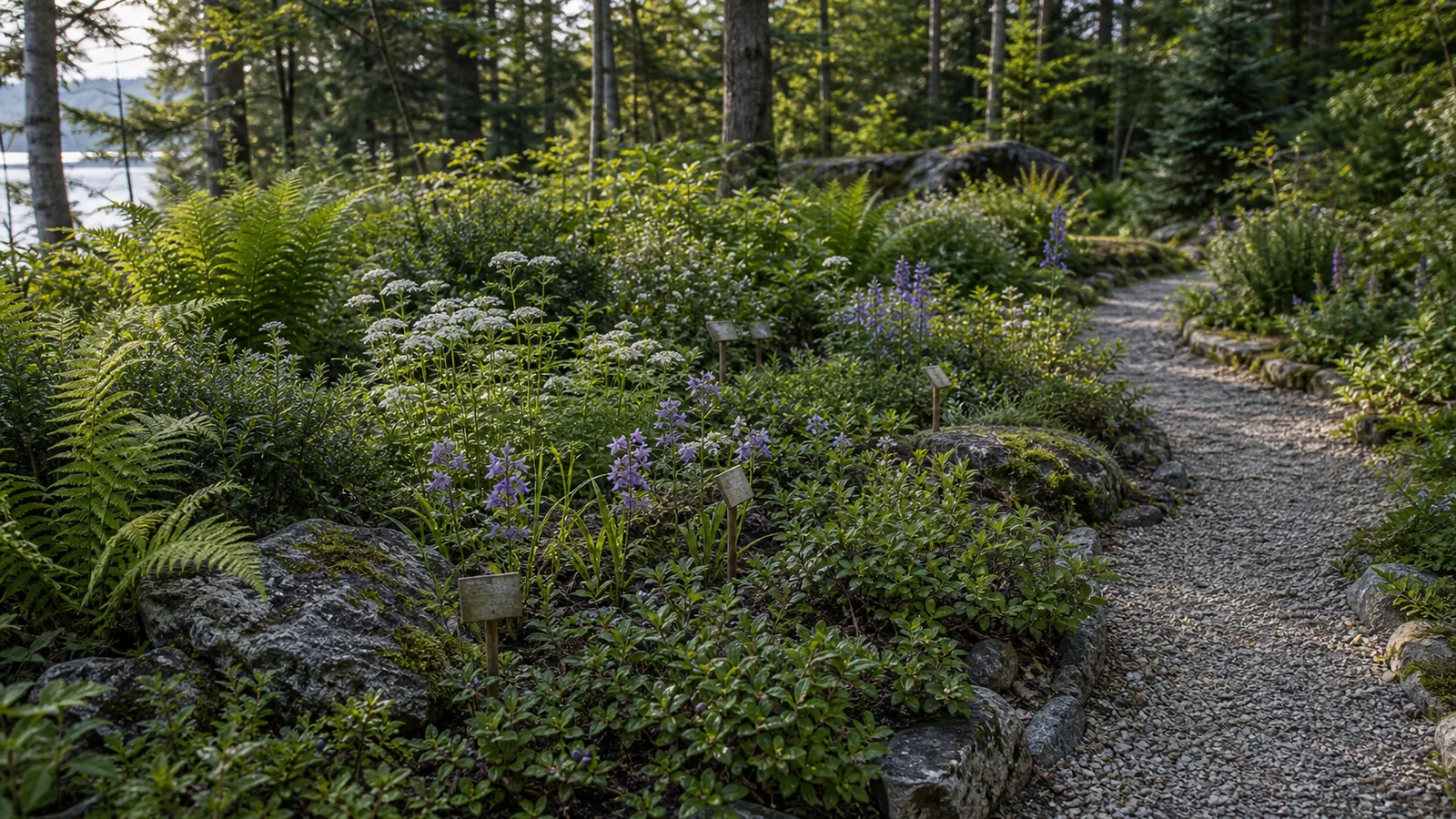
Use Acadia As A Lesson In Habitat, Not Wildness Alone
The Wild Gardens of Acadia in Bar Harbor, Maine sits in the Sieur de Monts area of Acadia National Park. It is known as a native plant garden that helps visitors recognize the plant communities of Mount Desert Island, with labeled species, habitat displays, paths, and a quiet educational feel. For homeowners, the lesson is not to copy a national park. It is to design with habitat in mind.
A wilder yard can still have structure. The Wild Gardens of Acadia idea works because plants are grouped by conditions, paths guide movement, and labels help people notice details. A home garden can borrow those moves in a front bed, side yard, woodland edge, rain garden, or back fence planting.
Use this guide if you want a garden that feels natural, regionally grounded, and easier for birds, pollinators, and curious people to understand.
Start With The Habitat You Actually Have
Native planting works best when it starts with site conditions. The Wild Gardens of Acadia represents different habitats because plants do not all want the same soil, light, moisture, or exposure. A home yard needs the same honesty.
Before choosing plants, name the habitat your yard already suggests.
Common home versions include:
- Dry sunny slope
- Damp low corner
- Woodland shade edge
- Exposed coastal or windy border
- Meadow-like sunny strip
- Rocky, lean soil
- Patio edge with reflected heat
- Rainy downspout zone
This matters more than the word “native” alone. A native woodland fern may fail in hot gravel. A drought-tolerant meadow plant may rot in a winter-wet corner. A shrub that belongs on a protected edge may struggle in wind.
If your yard has several conditions, treat them as small habitat zones instead of trying to force one plant style everywhere.
Make Paths Part Of The Learning
The Wild Gardens of Acadia is a place to walk slowly and notice. Home gardens benefit from that same pace. A path turns a mixed planting from a blur into a sequence.
The path can be simple: gravel, stepping stones, bark, mown grass, compacted soil, or flat stone. It needs to show where feet belong so the planting can be a little looser without looking neglected.
Good naturalistic path choices include:
| Path material | Best home use | Design note |
|---|---|---|
| Gravel | Sunny beds, side yards, dry edges | Use edging so it does not migrate |
| Stepping stones | Short garden crossings | Let low plants soften the gaps |
| Bark or wood chips | Woodland edges | Refresh as it breaks down |
| Mown grass | Meadow-style routes | Keep the edge crisp |
| Flat stone | Damp or mossy-feeling gardens | Choose stable pieces, not wobbly decoration |
Keep the route narrow enough to feel garden-like but wide enough for maintenance. If you cannot carry a watering can, bucket, or pruning tool through the space, the path is too tight.
Our gardening draw guide can help you map where a natural path should go before the planting becomes dense.
Group Plants By Conditions, Then Repeat
Naturalistic planting can look messy when every plant appears once. Repetition is what makes a habitat garden feel designed. Instead of scattering single plants, use small groups that match the conditions.
A damp shade edge might repeat ferns, sedges, and moisture-tolerant perennials. A dry sunny slope might repeat grasses, low shrubs, and drought-tolerant flowers. A coastal-style border might use tough shrubs, wind-flexible grasses, and a few seasonal blooms.
Use this grouping pattern:
- One structural plant for height or winter shape
- One middle layer for mass and texture
- One low plant or groundcover for soil protection
- One seasonal flower for change
- One repeated plant that appears in several zones
This structure keeps the planting readable. It also helps wildlife because grouped flowers and seedheads are easier to find than isolated single plants.
For another mild coastal planting approach, see our Victoria gardening guide. The exact plants differ from Maine, but the method of reading wind, water, and microclimate is similar.
Add Labels Without Making The Garden Look Institutional
Plant labels are part of the Wild Gardens of Acadia experience. They turn a walk into a lesson. At home, labels can help children, guests, and even future-you remember what is growing where.
The trick is restraint. Too many bright labels can make a small bed feel like a nursery aisle.
Use labels where they add value:
- New native plants you are learning
- Edible or medicinal plants that should not be confused
- Plants with seasonal disappearance, such as spring ephemerals
- Plants in a teaching garden for children
- Similar-looking seedlings in a meadow bed
- Rare or locally meaningful plants
Choose quiet materials: small metal stakes, wooden labels, slate markers, or low-profile weatherproof tags. Keep them near the base of the plant, not in the main view line.
Labels are especially useful in wilder gardens because they tell people the planting is intentional. A small tag can change “why is that there?” into “oh, this is part of the habitat.”
Make The Edge Look Cared For
The easiest way to make a wilder garden acceptable near a house is to keep the edge neat. A crisp edge signals care even when the planting itself is loose.
Use a clear boundary between planting and path, lawn, patio, or driveway. That boundary can be stone, steel, brick, a mown strip, logs, or simply a sharp spade edge maintained a few times each season.
Good edge rules include:
- Keep plants from flopping across main paths.
- Repeat one edging material in visible areas.
- Cut back dead stems where they block movement.
- Leave seedheads where they add winter structure.
- Remove obvious weeds before they set seed.
- Keep mulch or leaf litter inside the bed.
- Let the farthest edge be looser than the area near the house.
This balance is important. A habitat garden can support wildlife and still look intentional enough for a front yard, shared fence, or small suburban space.
If you like looser planting but worry about mess, our chaos gardening guide explains how edges, paths, and plant repetition keep abundance under control.
Use Regional Plants, But Avoid Guesswork
The Wild Gardens of Acadia focuses on plants of Maine and Mount Desert Island. In a home yard, regional planting should come from your own climate and local ecology. A plant that belongs in coastal Maine may not suit a dry inland yard, a hot Southern patio, or a compact urban courtyard.
Use local sources for final plant choices: native plant societies, extension resources, reputable nurseries, public gardens, and experienced local gardeners. Then design the planting with the same principles.
Ask:
- Is this plant native or well-adapted to my region?
- Does it match my soil and light?
- Will it spread too aggressively in my setting?
- Does it support pollinators, birds, or soil life?
- Does it need moisture I cannot provide?
- Will it look acceptable near the house after bloom?
- Can I maintain it without constant intervention?
Do not treat native plants as maintenance-free. They still need establishment water, weed control, editing, and sometimes division or pruning. The advantage is that a well-matched plant often becomes steadier over time.
Include Small Wildlife Supports
Habitat gardens are not only about flowers. They include shelter, food, water, nesting material, and safe passage. A small yard cannot recreate Acadia, but it can support more life than a bare lawn and a few isolated shrubs.
Add wildlife support in modest ways:
| Wildlife need | Home garden version |
|---|---|
| Shelter | Shrubs, grasses, brushy corner, evergreen structure |
| Food | Native flowers, berries, seedheads, host plants |
| Water | Shallow birdbath or clean water dish |
| Nesting material | Leaf litter under shrubs, stems left through winter |
| Safe movement | Connected beds instead of isolated plant islands |
| Reduced harm | Fewer pesticides, less night glare, safer window awareness |
Keep water clean and shallow. Avoid creating mosquito problems. If a feature becomes hard to maintain, simplify it.
Design For Four Seasons, Not One Bloom Week
One reason native and habitat gardens feel rich is seasonal change. Spring leaves, summer bloom, fall seedheads, winter stems, and evergreen structure all matter. A home version should not depend on one short flower show.
Plan the year like this:
- Spring: early flowers, fresh foliage, bulbs, emerging ferns
- Summer: pollinator flowers, grasses, berry formation, shade texture
- Fall: seedheads, leaf color, late asters or goldenrods where regionally suitable
- Winter: evergreen shrubs, bark, grasses, standing stems, stones, paths
Leave some stems and seedheads when they add structure and habitat. Cut back only where dead growth blocks paths, looks diseased, or creates safety problems. A slightly wilder winter garden can still feel beautiful if the path and edge remain clear.
For shade-heavy homes, our hostas for shade gardens article shows how foliage can carry a garden when bloom is not the main event.
Build A Wild Gardens Of Acadia-Inspired Bed
Start small. A single bed along a fence, under a tree, near a downspout, or beside a side path is enough to test the idea.
A practical first project might look like this:
- Choose one habitat condition in your yard.
- Remove invasive weeds and improve the edge.
- Add a narrow path or stepping access.
- Pick three to five regionally suitable plants for that condition.
- Plant in small groups, not singles.
- Mulch or use leaf litter according to the habitat.
- Add one or two quiet labels.
- Water through establishment.
- Review after one season and edit before expanding.
The Wild Gardens of Acadia teaches patience. A habitat garden is not a one-weekend decoration. It is a living system that gets better when plants, paths, edges, and care all fit the place.
Start with the conditions you have, choose plants that belong, and give people a way to notice them. That is how a yard becomes wilder without becoming careless.
You might also like
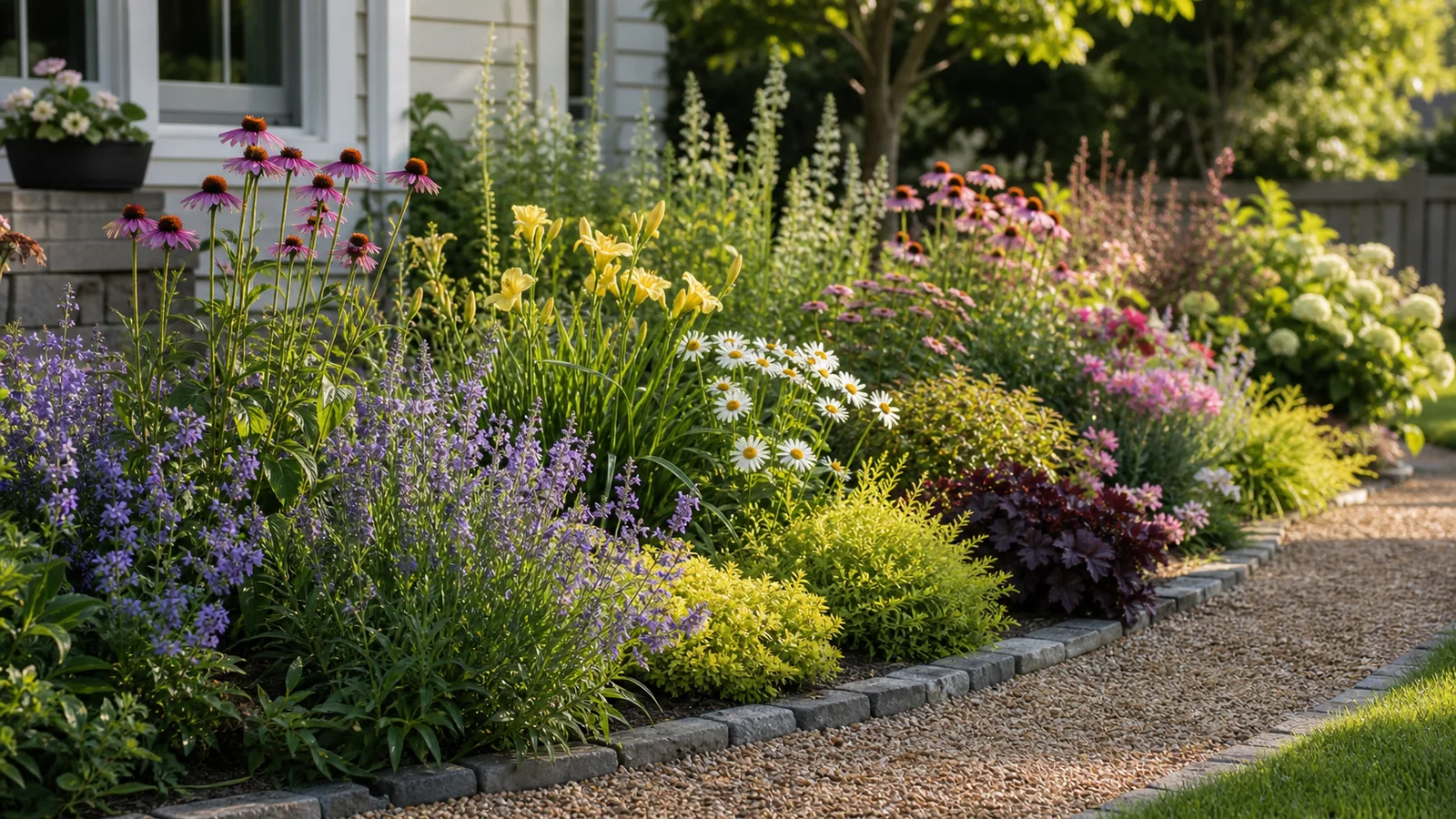
Flower Gardens That Bloom Beyond One Season
Plan flower gardens with site-first plant choices, repeated drifts, seasonal bloom, pollinator support, and easy maintenance.
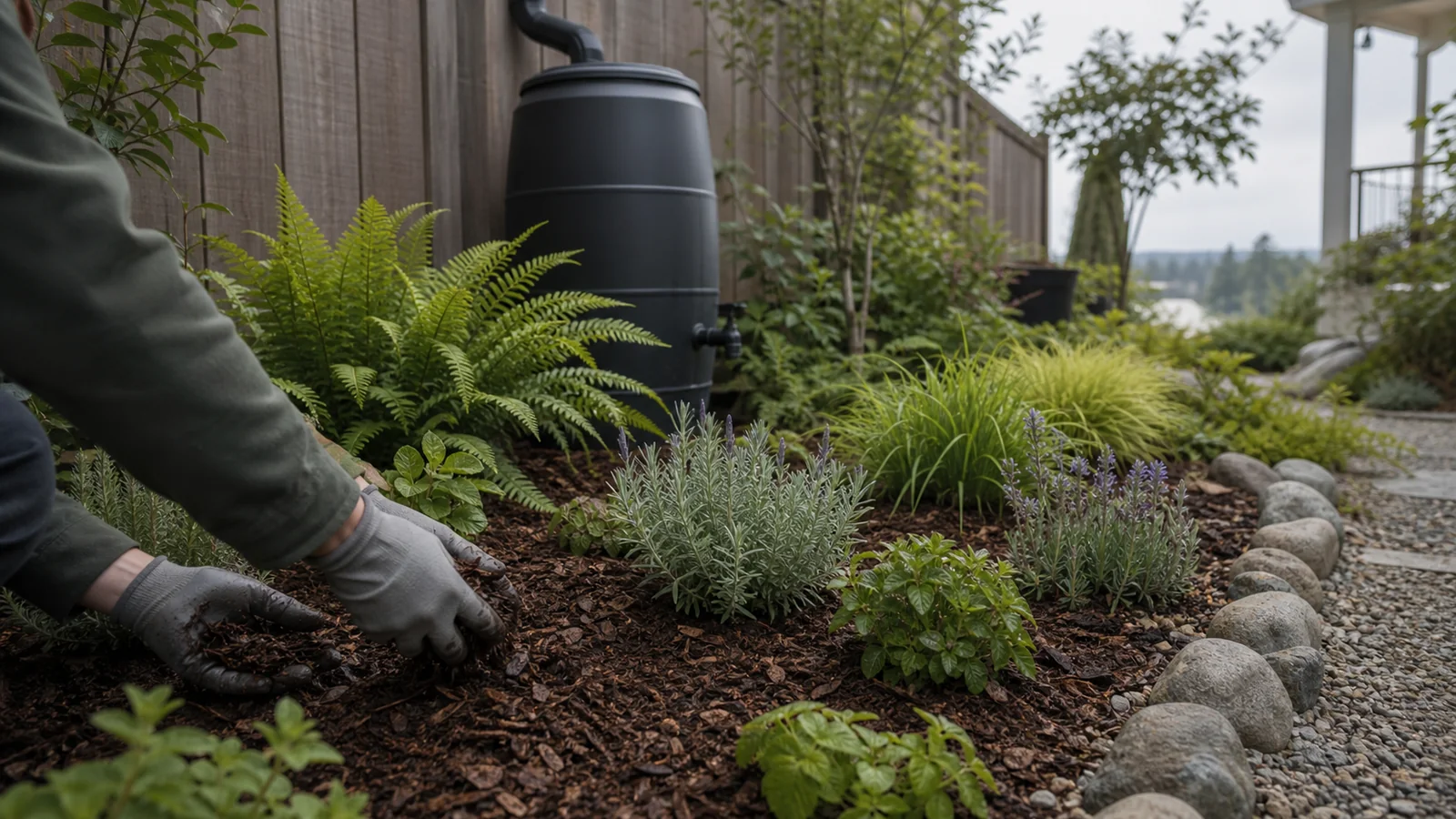
Victoria Gardening for Mild Coastal Yards
Plan Victoria gardening around mild winters, dry summers, wind, deer pressure, soil, and layered planting for a calm coastal yard.
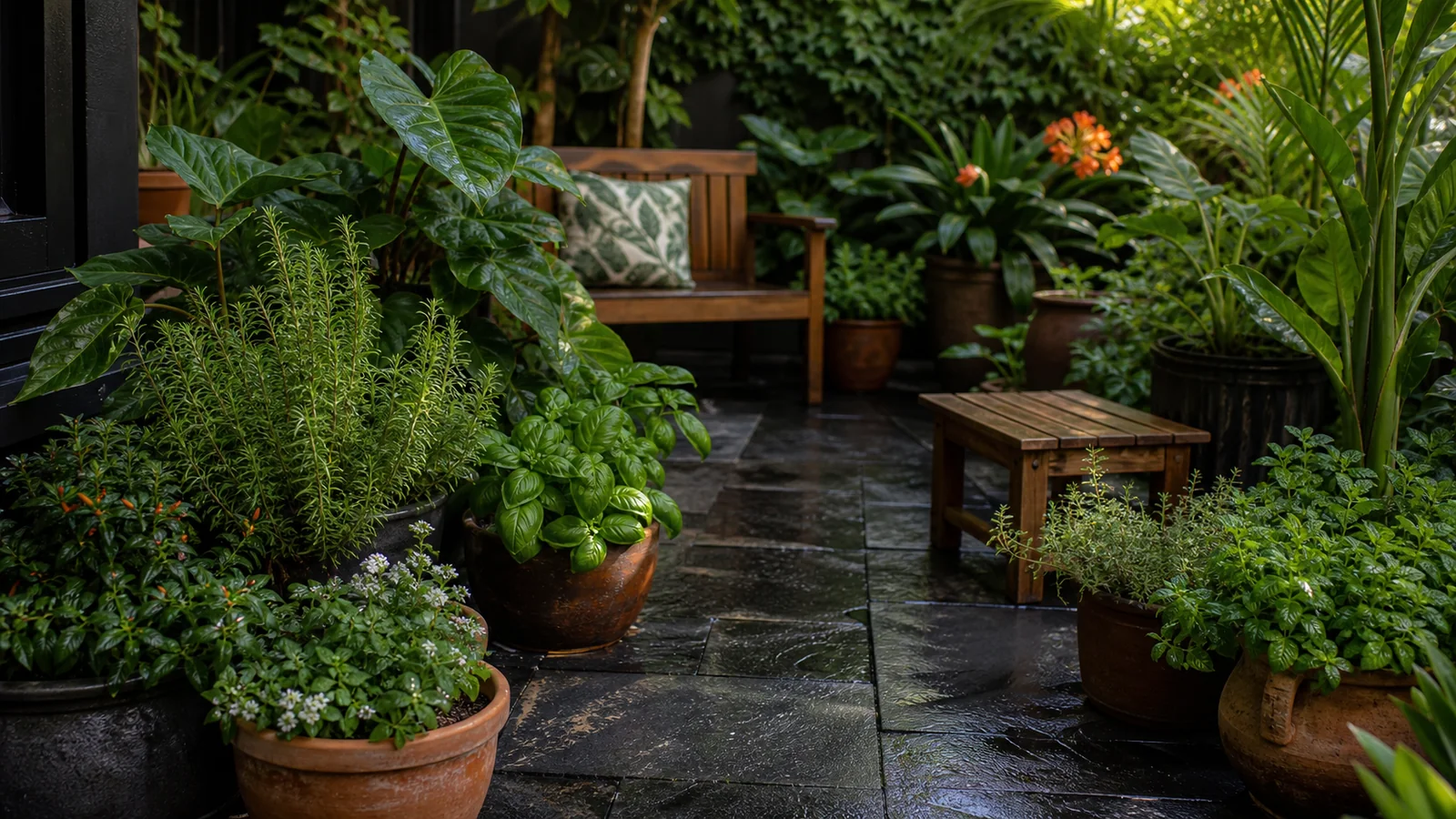
Princeville Botanical Gardens Planting Ideas
Use Princeville Botanical Gardens as a guide to lush layers, edible plants, shade, water, and containers at home.