McKee Jungle Gardens Ideas for Tropical Yards
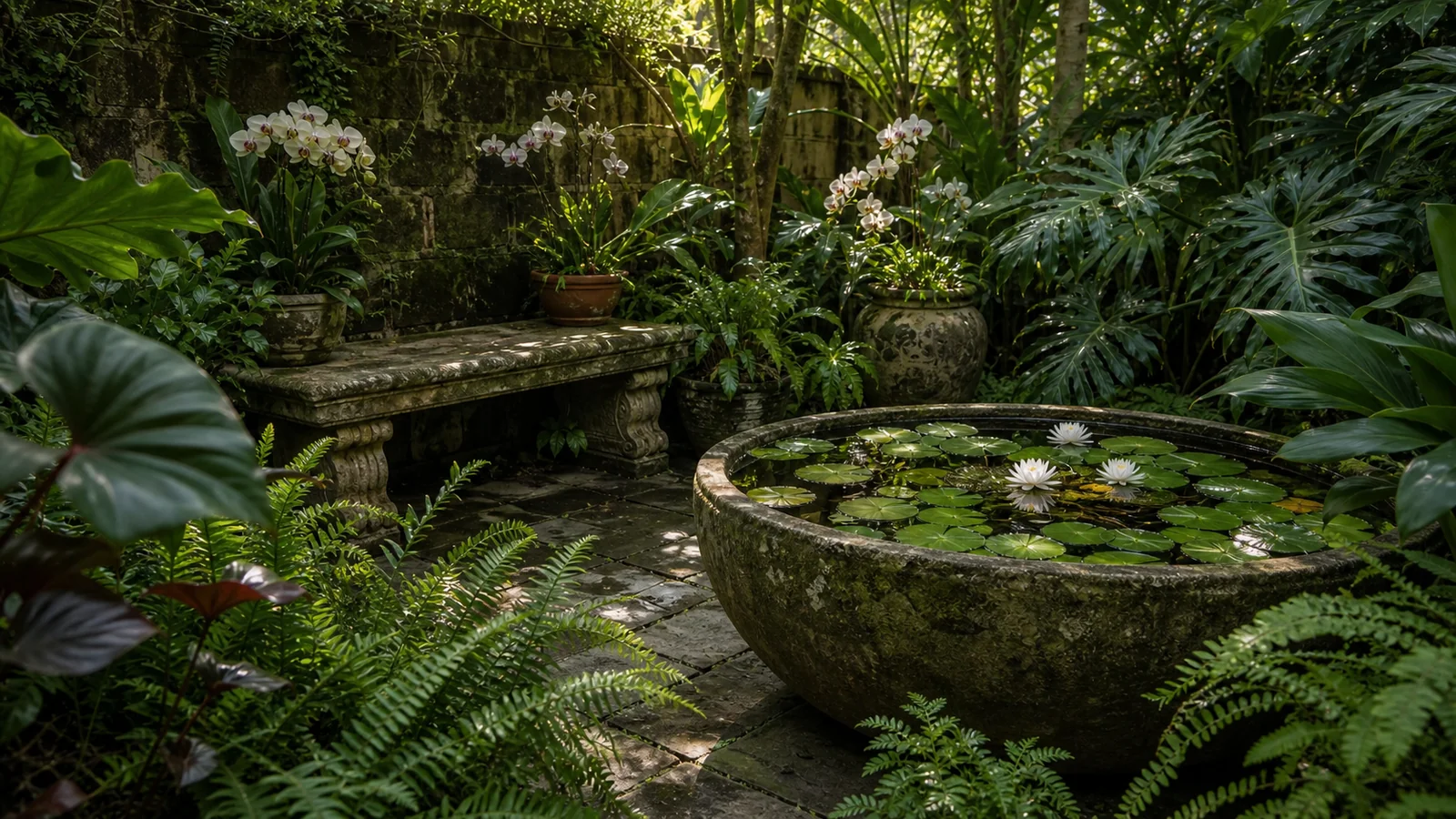
Borrow The Jungle Garden Logic At Home
McKee Jungle Gardens began as a historic Florida tropical garden in Vero Beach. The present McKee Botanical Garden preserves the heart of that earlier landscape: a shaded tropical hammock, water, old garden character, and a feeling of discovery at a human pace. For homeowners, the lesson is not to copy a Florida landmark. It is to understand why the place feels immersive.
The useful pattern is simple: shade first, water close enough to notice, broad leaves against finer texture, short routes that turn slowly, and materials that look settled rather than shiny. That combination can work in a small courtyard, side yard, patio corner, or warm-climate garden room.
Use this guide if you want a lush garden mood without turning your yard into a dense, hard-to-maintain thicket.
Start With Shade As The Main Design Feature
McKee’s strongest home-garden lesson is shade. Tropical gardens often look rich because the light is filtered, not because every plant is rare. Shade softens color, makes leaf texture more important, protects seating, and turns a small space into a room.
Read your yard before buying plants:
- Where does morning sun reach?
- Where does afternoon heat become harsh?
- Which fence or wall creates shade?
- Where do tree roots limit digging?
- Which patio corner already feels cooler?
- What view from the house deserves a green frame?
If you already have canopy, treat it as an asset. If you do not, create partial cover with a small tree, pergola, vine support, shade sail, or tall container grouping. The goal is dappled comfort, not darkness.
In cooler climates, you can still borrow the mood. Use hardy foliage plants, large containers brought out for summer, and a shaded seating corner. True tropical plants may need winter protection, but the design idea can travel.
Make One Water Moment Worth Maintaining
McKee is closely associated with ponds, streams, and waterlilies. At home, water should be smaller, safer, and easier to clean. One well-placed water bowl can do more than a complicated pond you dread maintaining.
Good home-scale choices include:
| Water idea | Best place | Maintenance note |
|---|---|---|
| Stone water bowl | Courtyard, patio edge, shade garden | Keep water clean and mosquito-safe |
| Birdbath | Near shrubs or a view from indoors | Refresh often and scrub regularly |
| Small recirculating basin | Near seating | Use outdoor-rated power safely |
| Container pond | Warm patio with supervision | Choose scale carefully |
| Dry stream bed | Drainage route or side yard | Suggests water without standing water |
Place water where you will see it every day. Hidden water features are easy to ignore. A bowl near a bench, door, or path becomes part of the garden routine.
Keep the scale calm. A small courtyard does not need a pond large enough to dominate every view. It needs one reflective surface, one soft sound if practical, or one damp-looking stone edge that cools the mood.
Layer Broad Leaves With Fine Texture
A jungle garden feeling comes from contrast. Large leaves create drama. Fine leaves, ferns, grasses, and groundcovers make the scene feel detailed. If every plant is huge, the garden becomes heavy. If every plant is fine, it loses the lush feeling.
Build layers like this:
- Canopy or background shrubs for height.
- One or two bold leaf shapes.
- Ferns, grasses, or smaller foliage for texture.
- A low ground layer to cover soil.
- Seasonal flowers or orchids as accents, not the whole show.
Warm-climate choices might include palms, gingers, philodendrons, elephant ears, bromeliads, ferns, canna, and shade-tolerant tropical shrubs where regionally appropriate. Cooler gardens can use fatsia in mild areas, hostas, hardy ferns, hydrangeas, ornamental grasses, large-leaf containers, and tender foliage plants moved indoors before frost.
The design rule is repetition. Repeat one broad leaf and one fine texture in several places. A garden with five repeated plant ideas usually feels calmer than a garden with thirty one-off plants.
For a hardy lush-leaf approach, our hostas for shade gardens guide is useful if your climate cannot support true tropical planting.
Use Old-Stone And Clay Texture Carefully
Historic gardens often feel settled because the materials have weight and patina. McKee’s appeal includes that sense of age. At home, you can borrow it with restraint.
Good material choices include:
- Weathered stone or concrete bowls
- Terracotta pots
- Clay or muted glazed containers
- Simple gravel or stone paving
- Wood that can age naturally
- Dark metal used sparingly
- Mossy-looking stone where climate supports it
Avoid filling the garden with faux ruins, novelty statues, or themed props. One stone bench, water bowl, or large pot can carry the mood. Too many decorative pieces make the space feel staged.
Material texture should also serve the garden. A bench should be placed where someone might sit. A pot should hold a plant that earns attention. A stone edge should define a bed or path. When every object has a job, the garden feels richer and less cluttered.
Create A Short Route With A Pause
McKee’s old jungle-garden feeling depends on movement. People do not see everything at once. They turn, pause, notice water, and move through layered shade. A home yard can use that sequence even in a small footprint.
You need only two elements:
- A clear route
- A reason to pause
The route might be a few stepping stones from patio to bench, a curve around a planted corner, a diagonal line through a courtyard, or a short gravel walk beside containers. The pause might be a water bowl, chair, plant close-up, lantern, or framed view back to the house.
Keep the route stable. Tropical-looking gardens can become frustrating if every step is slippery, rooty, or crowded. Leave enough clearance for real use. A lush garden should invite slow walking, not careful tiptoeing.
If you need help placing the route, our garden drawing guide can help you map views and movement before the planting fills in.
Let Containers Do Heavy Work
Containers are one of the easiest ways to create McKee Jungle Gardens atmosphere without committing the whole yard. They let you use bold plants, adjust shade, change seasonal displays, and protect tender plants when weather shifts.
Use fewer, larger containers rather than many small pots. A large container can hold a serious foliage plant and moisture longer. Small pots dry fast and can make the space feel busy.
A useful container group:
| Role | Plant direction | Design effect |
|---|---|---|
| Tall anchor | Palm-like plant, canna, tall grass, compact shrub | Gives height |
| Broad leaf | Caladium, colocasia, hosta, fatsia, philodendron where suitable | Creates tropical mood |
| Fine texture | Fern, sedge, asparagus fern, small grass | Softens the group |
| Seasonal accent | Orchid display, begonia, impatiens, flowering herb | Adds a close-up moment |
Put containers where they frame a seating area, soften a wall, or make a narrow side yard feel planted. Do not scatter them evenly along every edge. Groups feel intentional; scattered singles often feel temporary.
Keep Airflow And Access Open
The danger of a jungle-inspired yard is overplanting. Dense shade and moisture can become mosquito-prone, slippery, moldy, or difficult to maintain. Lush does not mean blocked.
Build in access:
- Keep plants away from siding, vents, and gates.
- Leave room behind large leaves for pruning.
- Lift low branches where paths need clearance.
- Thin crowded foliage before it traps too much damp air.
- Keep water clean and moving if possible.
- Avoid hiding hoses, cords, or uneven paving under leaves.
- Choose mature plant sizes honestly.
Airflow matters most in humid climates. In dry climates, grouping water-needy plants together matters more. In cold climates, storage and winter protection may decide which tropical plants are worth growing.
The best version feels abundant but still serviceable. You should be able to sweep the patio, clean the water bowl, remove dead leaves, and reach every container without fighting the garden.
Add One Close-Up Detail
McKee-style gardens reward close looking. That detail might be a waterlily, orchid pot, fern frond, carved stone edge, textured leaf, small bridge, or quiet label. At home, choose one close-up moment near where people naturally slow down.
Good spots include:
- Beside a bench
- Near the door you use most
- At the edge of a water bowl
- On a side table under cover
- At the turn of a path
- Outside a window that frames the garden
Do not hide the best detail in the deepest corner. Put it where daily life meets the garden. A single beautiful leaf seen from a morning chair can be more satisfying than a rare plant tucked where nobody notices it.
If you use orchids or tender tropicals, treat them as seasonal accents. They can spend warm months outdoors in suitable shade and return to protection when conditions change.
Make A McKee Jungle Gardens-Inspired Corner
Start with a small, shaded area. Give it one water moment, one bold foliage layer, one fine texture, one settled material, and one place to pause. That is enough.
A practical weekend sequence:
- Choose a shaded patio edge, side yard, or courtyard corner.
- Clear the route and remove clutter.
- Place one bench, chair, or pause point.
- Add a stone bowl, birdbath, or dry water feature.
- Group two or three large containers around it.
- Repeat one fern or low texture plant.
- Add a broad-leaf plant as the visual anchor.
- Mulch or edge open soil neatly.
- Check airflow, drainage, and access after a week.
McKee Jungle Gardens inspiration works best when it is edited. Shade, water, foliage, texture, and a slow pause can make even a modest outdoor corner feel deeper. Keep the planting honest, the water maintainable, and the path clear, and the garden will feel lush without becoming a burden.
You might also like
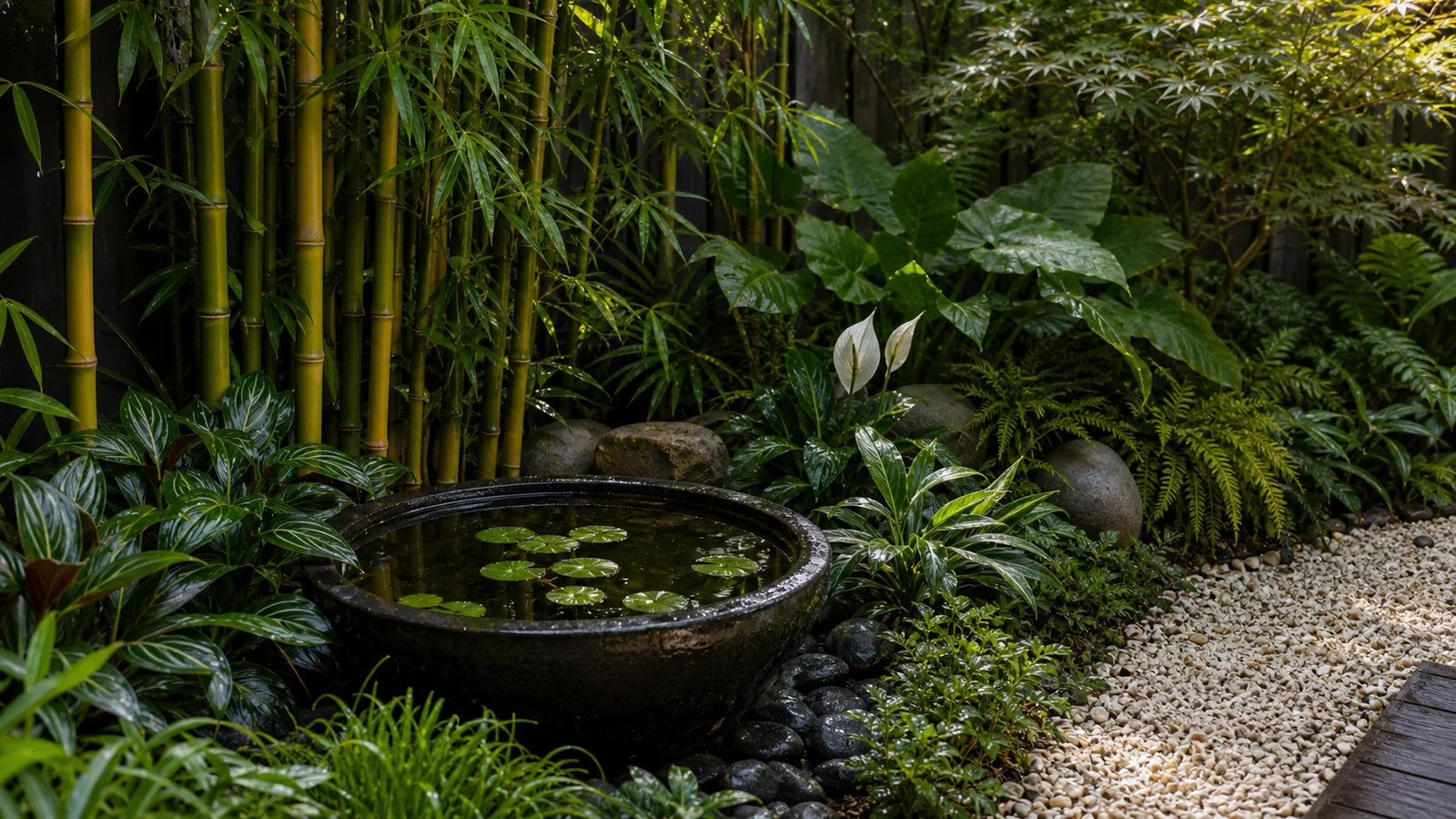
Kanapaha Botanical Gardens Design Lessons
Use Kanapaha Botanical Gardens as inspiration for bamboo screens, water features, themed beds, and walkable garden rooms.
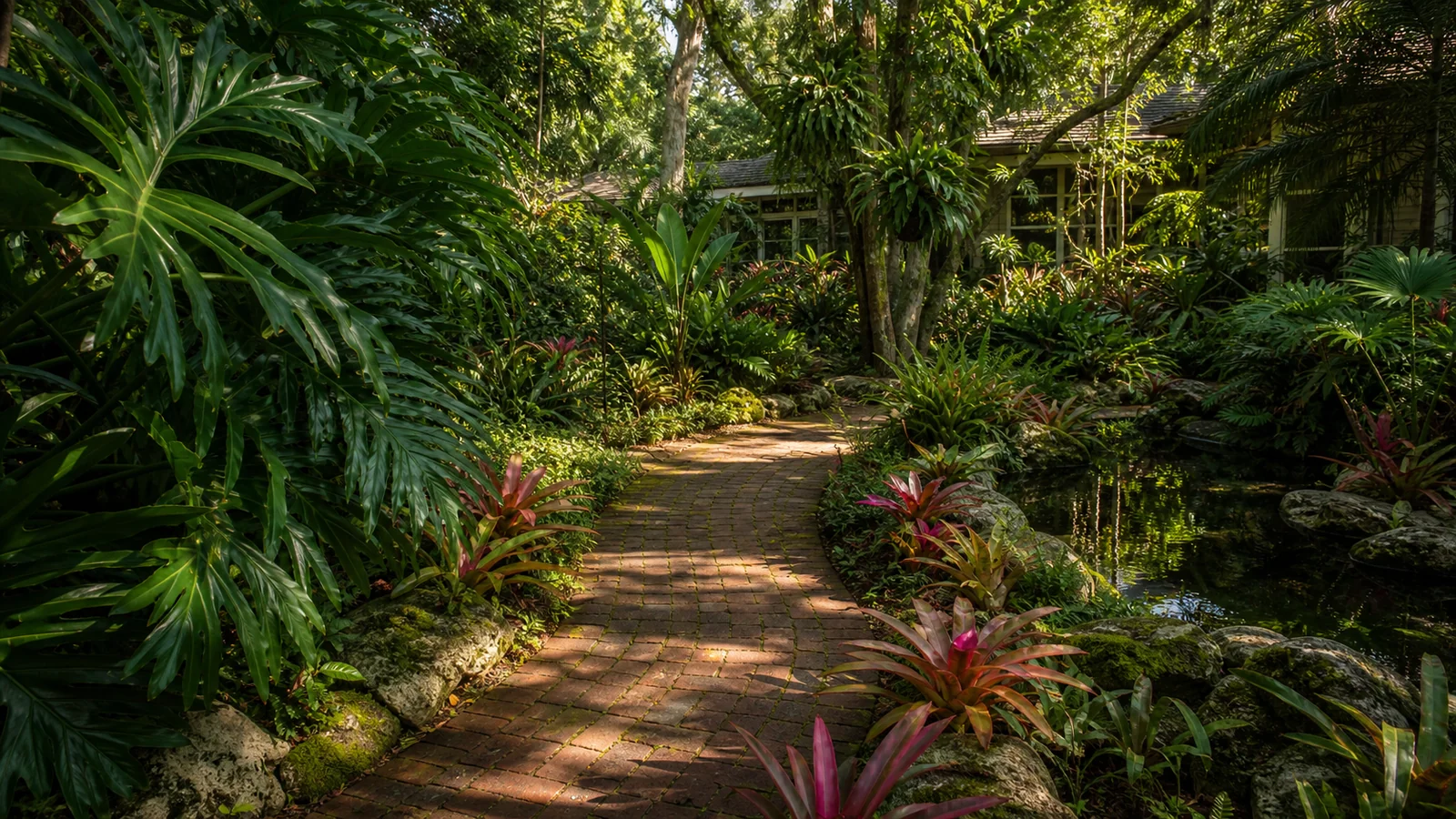
Wonder Gardens Ideas for Tropical Home Yards
Borrow Wonder Gardens ideas for banyan shade, winding paths, water, orchids, wildlife edges, and a lush but manageable yard.
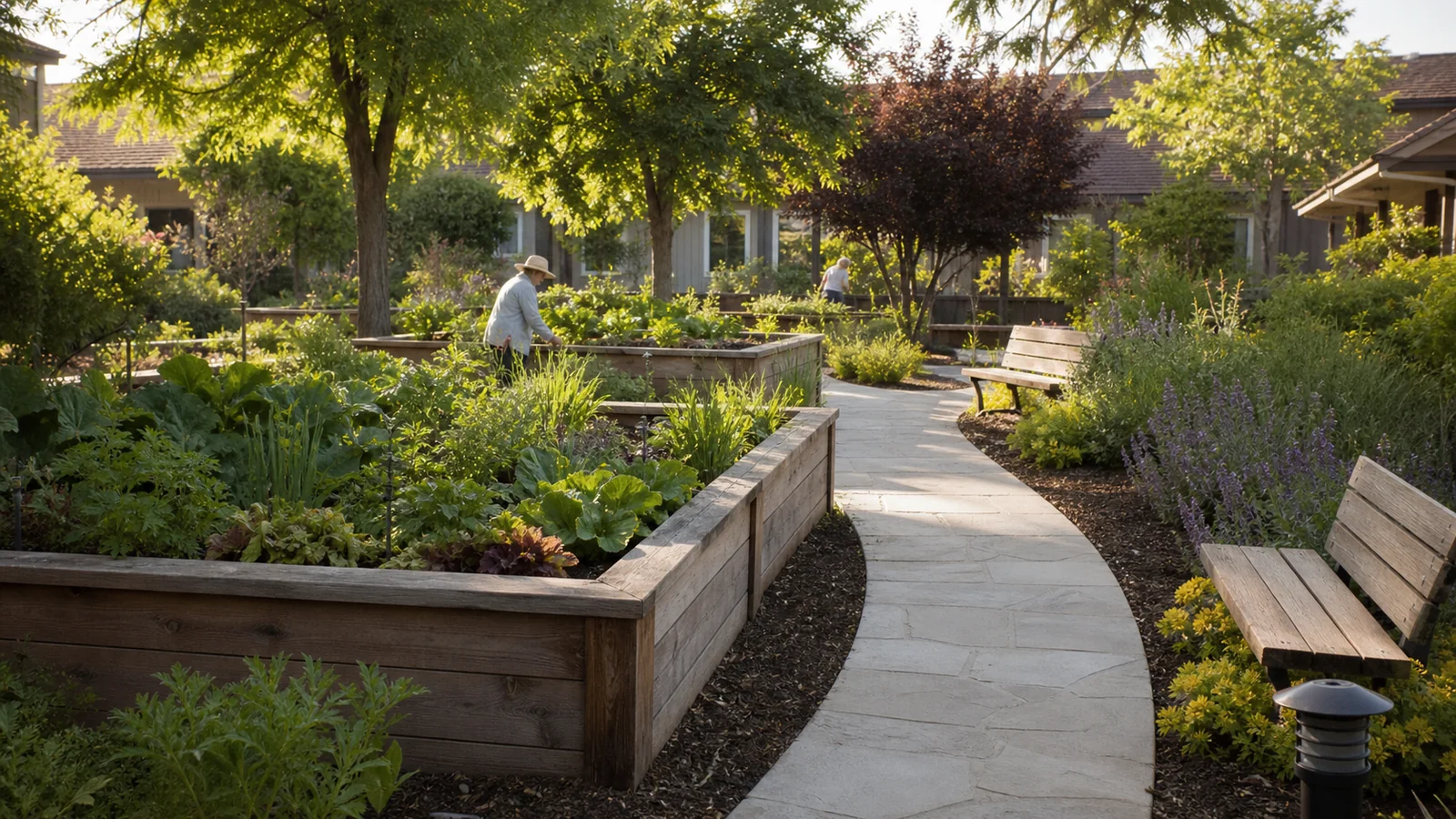
Windsor Gardens Ideas for Shared Yards
Borrow Windsor Gardens ideas for mature paths, raised beds, seating, rules, water-wise planting, and shared yard care.