Flower Gardens That Bloom Beyond One Season
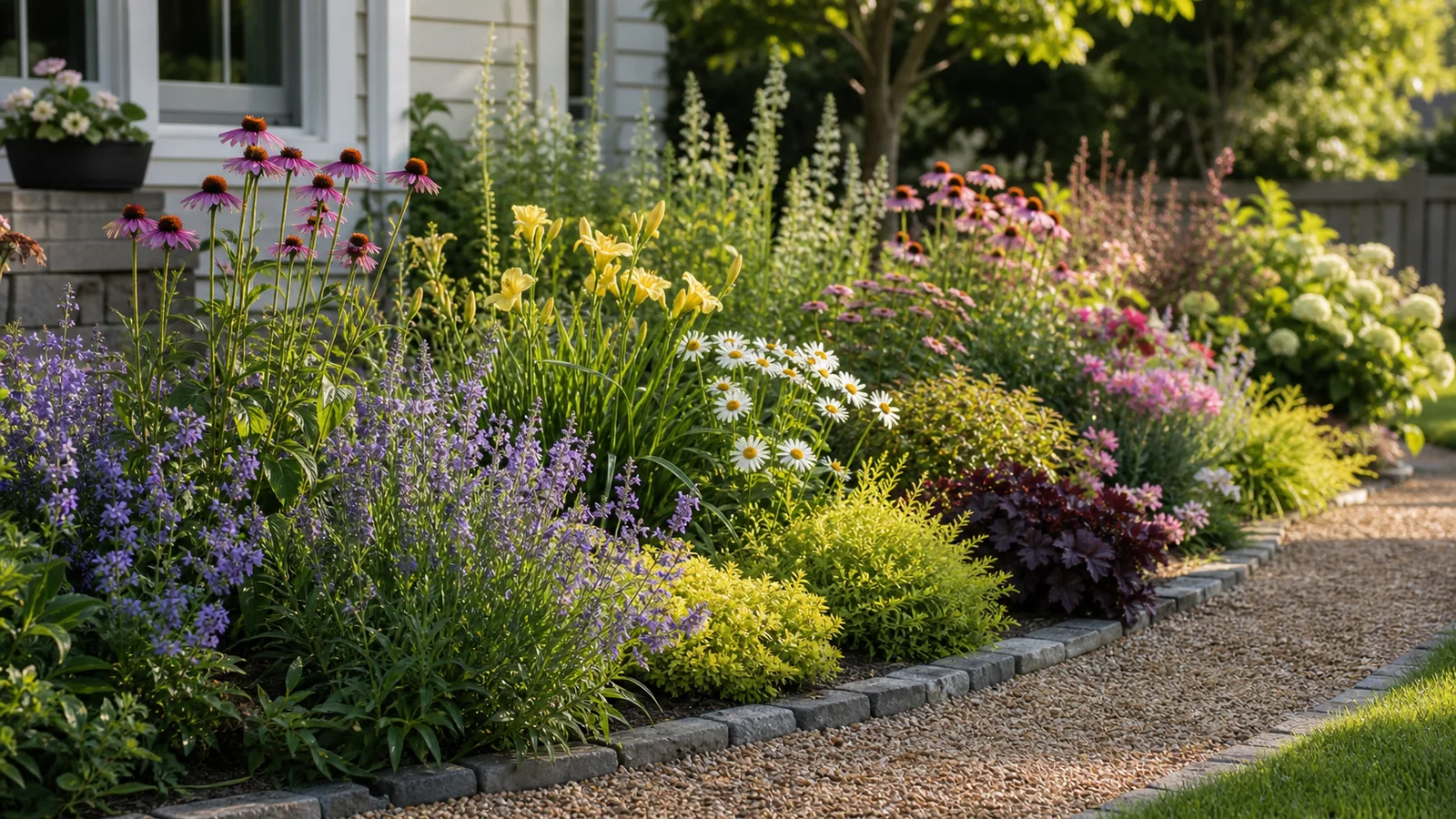
Plan Flower Gardens Around A Whole Season, Not One Shopping Day
Flower gardens are easy to imagine and surprisingly easy to overbuy for. A nursery table in spring can make everything look like it belongs together. Then the first flush fades, gaps appear, the tallest plants lean forward, and the garden becomes harder to read from the patio or sidewalk.
A better flower garden starts with timing, repetition, site conditions, and maintenance. The goal is not nonstop bloom from every plant. The goal is a bed that has something useful happening across the growing season while still looking calm when one group finishes.
Use this guide if you want a front bed, backyard border, cottage-style strip, patio planting, or small pollinator corner to feel full without becoming a one-week flower show.
Start With The Site Before Choosing Colors
The prettiest flower choice will fail if it is planted in the wrong conditions. Before you choose a color palette, read the site as honestly as possible.
Check:
- Hours of direct sun in the growing season
- Morning sun versus hot afternoon sun
- Soil that stays wet after rain
- Dry slopes or reflected heat near paving
- Wind exposure
- Deer or rabbit pressure
- Nearby tree roots
- Water access
- How close the bed is to daily paths and seating
Most flowering plants are not flexible about everything. Some tolerate dry lean soil but hate winter wet. Some bloom well in full sun but sulk in shade. Some handle shade but flower less heavily. Matching plants to the site reduces watering, staking, disease pressure, and disappointment.
If you are unsure about soil, test before making major corrections. Our soil amendments for gardens guide can help you decide when compost, mulch, drainage work, or a formal soil test should come first.
Choose A Simple Flower Garden Structure
A flower garden needs structure even if the mood is loose and romantic. Without structure, flowers can look like a temporary collection rather than a designed bed.
Use three layers:
| Layer | What it does | Plant direction |
|---|---|---|
| Backbone | Holds the bed together when flowers fade | Small shrubs, grasses, evergreens, upright perennials |
| Main bloom | Carries the strongest seasonal color | Repeated perennials, annuals, bulbs, flowering herbs |
| Ground layer | Covers soil and softens edges | Low perennials, mulch, groundcovers, edging plants |
Backbone does not have to mean stiff. A low shrub, a clump of ornamental grass, or a repeated foliage plant can be enough. The point is to give the eye something steady when blooms change.
For small beds, keep the structure especially simple. One repeated shrub, two reliable perennials, one seasonal annual, and a clean edge may look better than fifteen different flowers competing in a narrow strip.
Repeat Flowers In Drifts Instead Of Singles
Single plants can disappear visually, especially in a front yard or wide border. Repetition makes flower gardens feel intentional. It also helps pollinators find blooms more easily than isolated flowers scattered far apart.
Think in drifts, clumps, or ribbons:
- Three to five of the same perennial repeated together
- A ribbon of low flowers along a path
- One annual used in several containers and bed pockets
- Bulbs planted in groups rather than dotted evenly
- The same flower color repeated at both ends of a border
Odd numbers can look natural, but the exact number matters less than the visual mass. In a small garden, three plants may be a drift. In a larger bed, seven or nine may be needed.
Avoid buying one of every flower you like. A mixed collection can be charming up close, but it often reads as clutter from ten feet away. Choose fewer varieties and use them better.
Our chaos gardening guide is useful if you like abundance but still want edges, paths, and repetition to keep the result controlled.
Plan Bloom Time Like A Relay
A flower garden should not depend on one month. Think of bloom as a relay where different plants take turns carrying the display.
A simple seasonal plan might include:
| Season | Flower garden job | Example direction |
|---|---|---|
| Early spring | First color and energy | Bulbs, hellebores, flowering shrubs, early native ephemerals where suitable |
| Late spring | Main fullness begins | Peonies, irises, columbine, salvia, catmint, foxgloves where appropriate |
| Summer | Strong color and pollinator activity | Coneflowers, yarrow, zinnias, dahlias, rudbeckia, bee balm, cosmos |
| Late summer to fall | Keep the bed from fading | Asters, sedum, ornamental grasses, goldenrod where regionally appropriate, late annuals |
| Winter or dormant season | Shape and texture | Seedheads, grasses, evergreen shrubs, stems, clean edging |
Do not force every plant to bloom for a long time. Some short-blooming plants are worth growing because they are beautiful, fragrant, sentimental, or good for early-season interest. Just make sure another layer is ready when they finish.
If your climate has harsh heat, dry summers, or cold winters, adjust the relay around your local season. A Mediterranean-climate garden may peak in spring and rest in summer. A humid summer garden may need plants that resist mildew and heavy rain.
Use Color Families With One Contrast
Color is the emotional part of flower gardens, but it becomes easier when you limit the choices. Pick a main color family and one contrast.
Good combinations include:
- Blue, lavender, and white with yellow accents
- Pink, burgundy, and cream with silver foliage
- Orange, peach, and apricot with deep green foliage
- White and green with one dark red accent
- Purple and gold with grasses
- Soft pastels with a few stronger annuals near seating
Green counts as a color. Foliage gives the eye a place to rest. Silver, chartreuse, burgundy, and blue-green leaves can make flowers look more intentional even when nothing is blooming heavily.
Use the strongest contrast sparingly. A little yellow in a blue-and-purple border can make the whole bed feel alive. Too much of every bright color can flatten the design.
Look at the bed from the main viewing spot: the driveway, kitchen window, patio chair, gate, or sidewalk. A palette that looks subtle from the path may look invisible from the house. A palette that looks exciting at the nursery may feel loud from the porch.
Make The Edge Deliberate
Loose flowers need a clear edge. This is one of the simplest ways to make a flower garden look cared for even when plants are moving, blooming, leaning, or setting seed.
Edge choices include:
- A spade-cut edge against lawn
- Brick or stone set low
- Steel edging for a crisp modern line
- A narrow gravel strip
- A low hedge
- Repeated low plants along the front
- Mulch kept neatly inside the bed
The edge should match the mood of the house. A cottage bed can use a softer plant edge. A small urban front yard may need a cleaner line. A patio border may need pavers or gravel so soil does not wash onto the sitting area.
Keep plants from swallowing the edge entirely. A little spillover is beautiful. Total collapse over a path is not. Choose front-of-border plants that stay low enough to frame the bed without becoming a trip hazard.
For wilder planting ideas, our Wild Gardens of Acadia native yard ideas article shows how paths and tidy edges can make habitat planting feel intentional.
Mix Perennials, Annuals, Bulbs, And Shrubs
Many flower gardens work best when they are not made from one plant type. Perennials return, annuals fill gaps and extend color, bulbs start the season, and shrubs provide structure.
Use each type for what it does well:
- Perennials: long-term rhythm, pollinator value, seasonal texture
- Annuals: fast color, containers, gap filling, cutting flowers
- Bulbs: early spring display and seasonal surprise
- Flowering shrubs: height, shape, fragrance, privacy, winter stems
- Grasses: movement, late-season texture, seedheads
- Herbs: flowers, fragrance, edible use, pollinator support
This mix keeps the garden flexible. If a perennial takes time to mature, annuals can fill around it. If bulbs fade, later perennials cover the foliage. If a bed feels too flat, a small shrub can lift the design.
Do not crowd new plants to get an instant full look. Use temporary annuals or mulch while permanent plants size up. Crowding can create weak growth, mildew, and more maintenance later.
Include Pollinators Without Losing The Design
Pollinator-friendly flower gardens can still look polished. The key is to provide bloom, shelter, reduced chemical pressure, and clean layout at the same time.
Helpful choices include:
- Flowers in repeated groups
- Different bloom times across the season
- A range of flower shapes
- Native plants suited to your region
- Herbs allowed to flower
- A shallow clean water source where practical
- Some seedheads left for birds or winter interest
- Fewer pesticides, especially during bloom
Avoid using the word “pollinator” as an excuse for planting anything anywhere. Plants still need the right soil, light, and room. Regionally invasive plants should be avoided even if they attract insects.
If you want a tidy look, put pollinator plants in visible drifts and maintain a crisp edge. A front yard can support bees and butterflies while still looking neighborly.
Keep Maintenance Visible And Manageable
Every flower garden needs care. The trick is to design a level of care you will actually provide.
Plan for:
- Water during establishment
- Mulch or groundcover to reduce weeds
- Deadheading where it meaningfully extends bloom
- Cutting back plants that flop into paths
- Dividing crowded perennials
- Replacing annuals or tender plants seasonally
- Removing plants that spread too aggressively
- Leaving useful seedheads where they still look good
Put higher-care flowers near places you pass often. A container by the door, a small cutting patch, or a patio border is easier to deadhead and water than a far back corner. Put lower-care shrubs, grasses, and tough perennials farther out.
Also give yourself access. A deep bed without stepping stones or maintenance gaps becomes difficult to weed and edit. Even a narrow hidden path behind the border can make care easier.
Adapt Flower Gardens To Small Spaces
You do not need a large yard to grow a satisfying flower garden. Small spaces often look better because every plant is close enough to appreciate.
For patios and balconies:
- Use larger containers instead of many tiny pots.
- Repeat one flower color across several planters.
- Mix foliage and flowers so the pots look good between blooms.
- Put fragrant flowers near seating.
- Keep watering realistic.
For narrow side yards:
- Use a path as the main structure.
- Plant in vertical layers along the fence.
- Choose flowers that tolerate the actual light.
- Add one focal container at the end.
For front strips:
- Keep height low near driveways and sidewalks.
- Use repeated drifts for curb appeal.
- Avoid plants that flop onto public paths.
- Choose drought-tolerant plants if reflected heat is strong.
Small flower gardens are less forgiving of clutter. Use fewer varieties, repeat them clearly, and let the edge stay tidy.
Build Your First Flower Garden Bed
Start with one bed you can see and care for easily. A manageable flower garden teaches you more than a huge border that becomes stressful by midsummer.
Try this sequence:
- Choose a bed with clear light and water access.
- Test or improve the soil only as needed.
- Pick a simple color family and one contrast.
- Choose one backbone plant or repeated foliage anchor.
- Add two or three main flowering plants for different bloom windows.
- Use annuals or bulbs to fill seasonal gaps.
- Repeat plants in small drifts.
- Define the edge before the bed fills in.
- Mulch open soil and water new plants deeply.
- Review after one full season before expanding.
Flower gardens become better when they are edited. Notice what bloomed too briefly, what needed too much water, what flopped, what pollinators loved, and what looked good from the main view. Keep the plants that earn their place and remove the ones that only looked good on the shopping cart.
That is how a flower garden becomes more than color. It becomes a seasonal part of the home: structured enough to feel calm, generous enough to feel alive, and practical enough to enjoy year after year.
You might also like
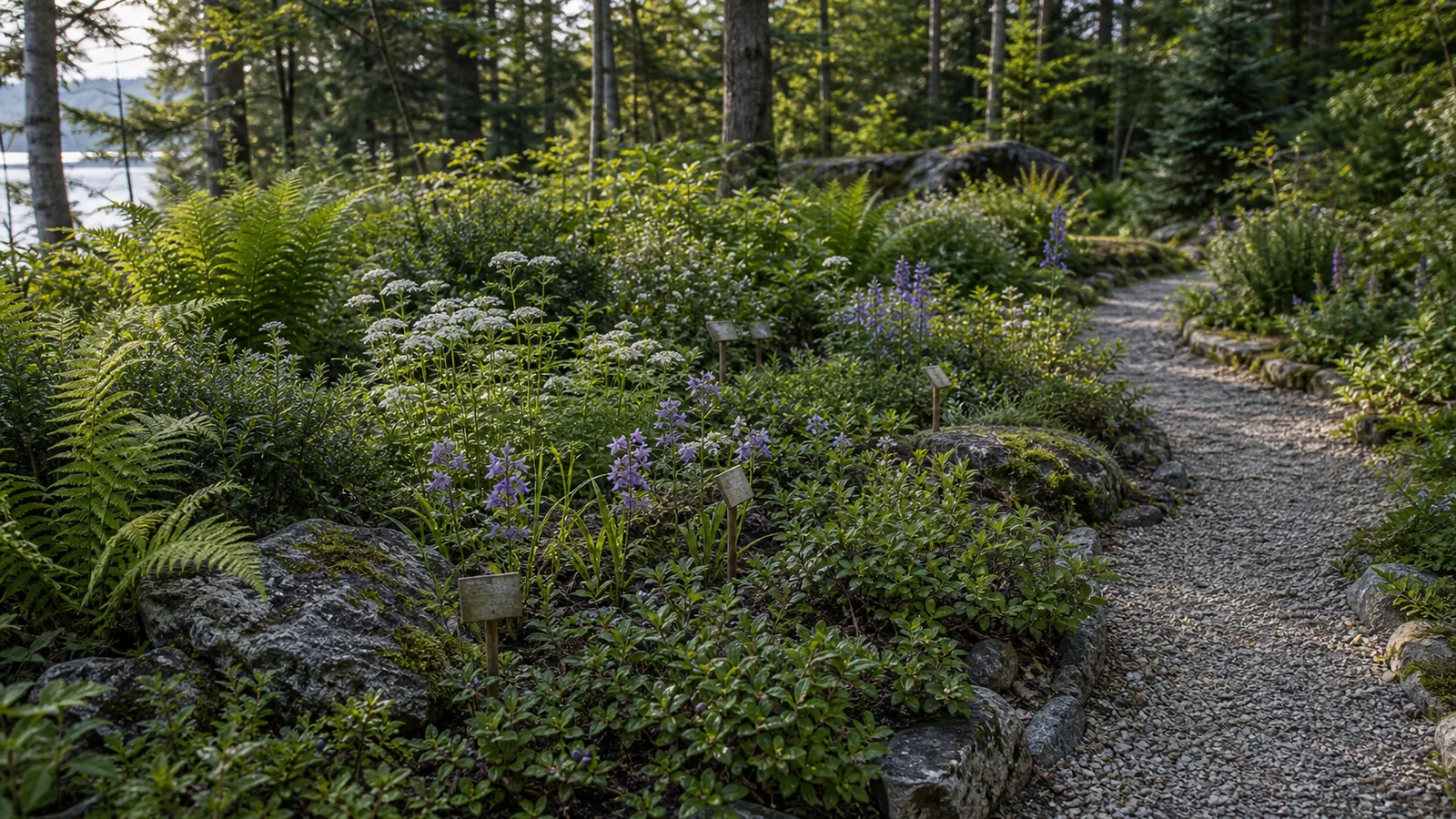
Wild Gardens of Acadia Native Yard Ideas
Borrow Wild Gardens of Acadia ideas for native plant layers, habitat edges, labels, paths, and a wilder Maine-coast yard.
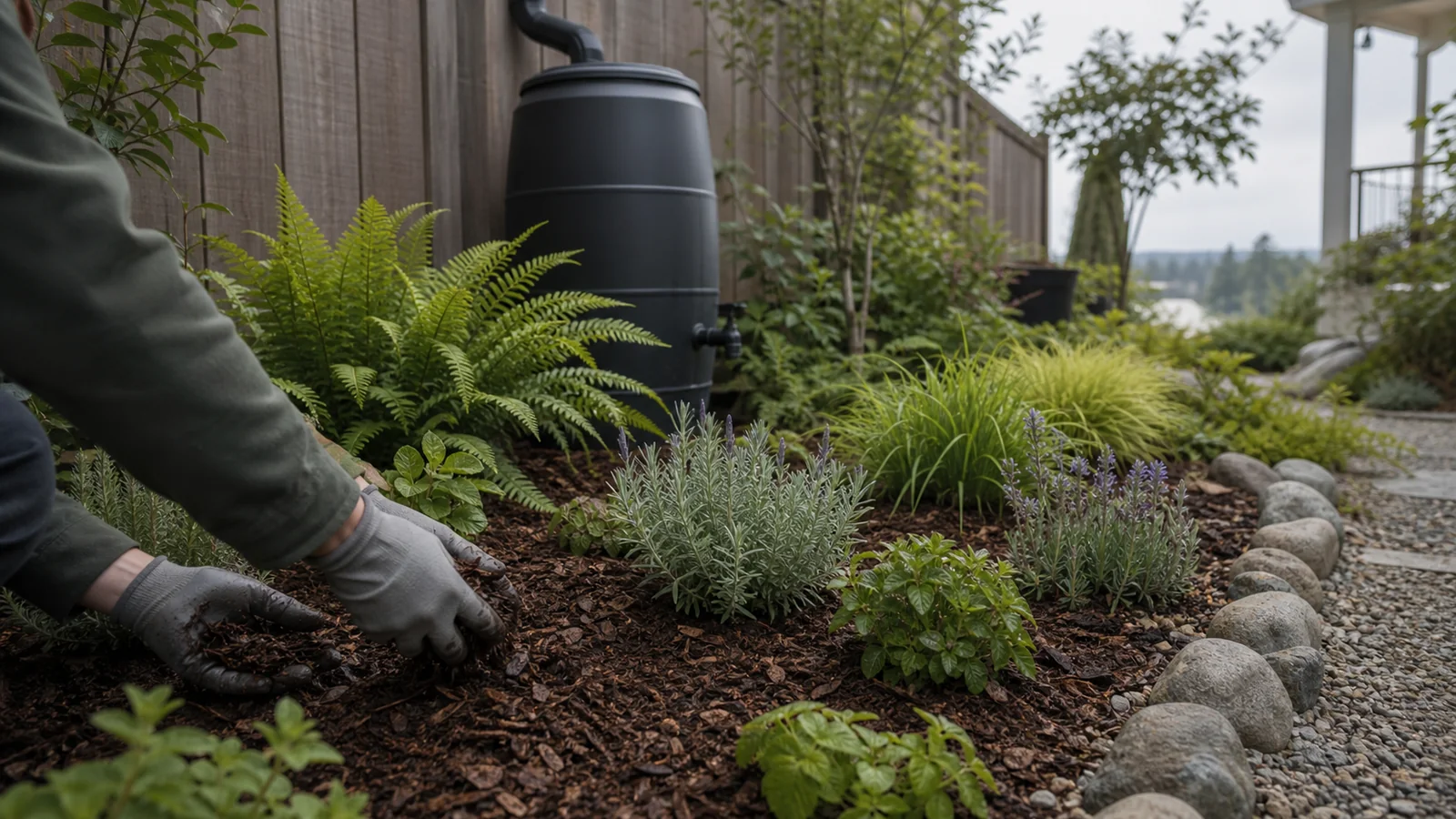
Victoria Gardening for Mild Coastal Yards
Plan Victoria gardening around mild winters, dry summers, wind, deer pressure, soil, and layered planting for a calm coastal yard.
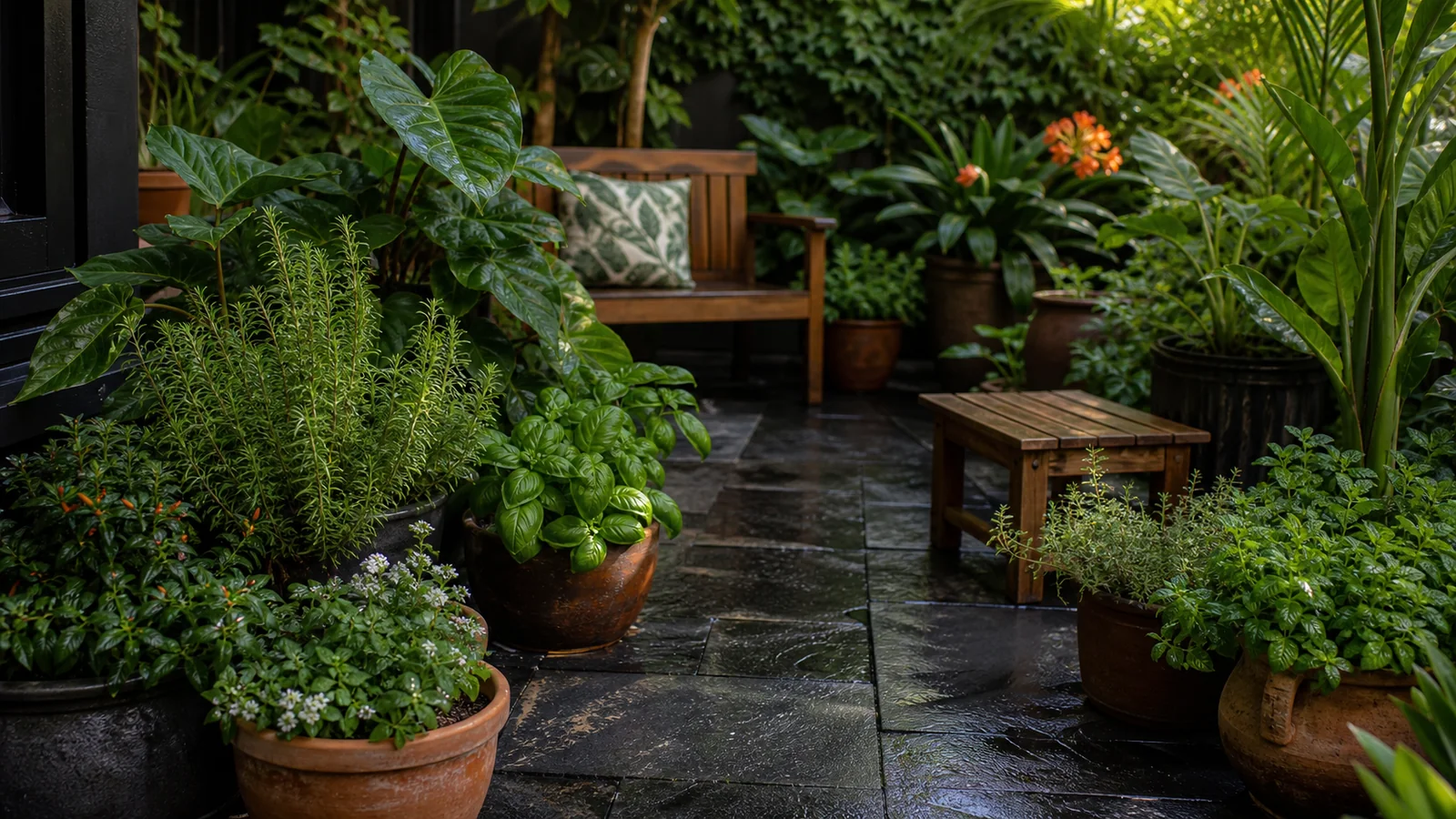
Princeville Botanical Gardens Planting Ideas
Use Princeville Botanical Gardens as a guide to lush layers, edible plants, shade, water, and containers at home.