Princeville Botanical Gardens Planting Ideas
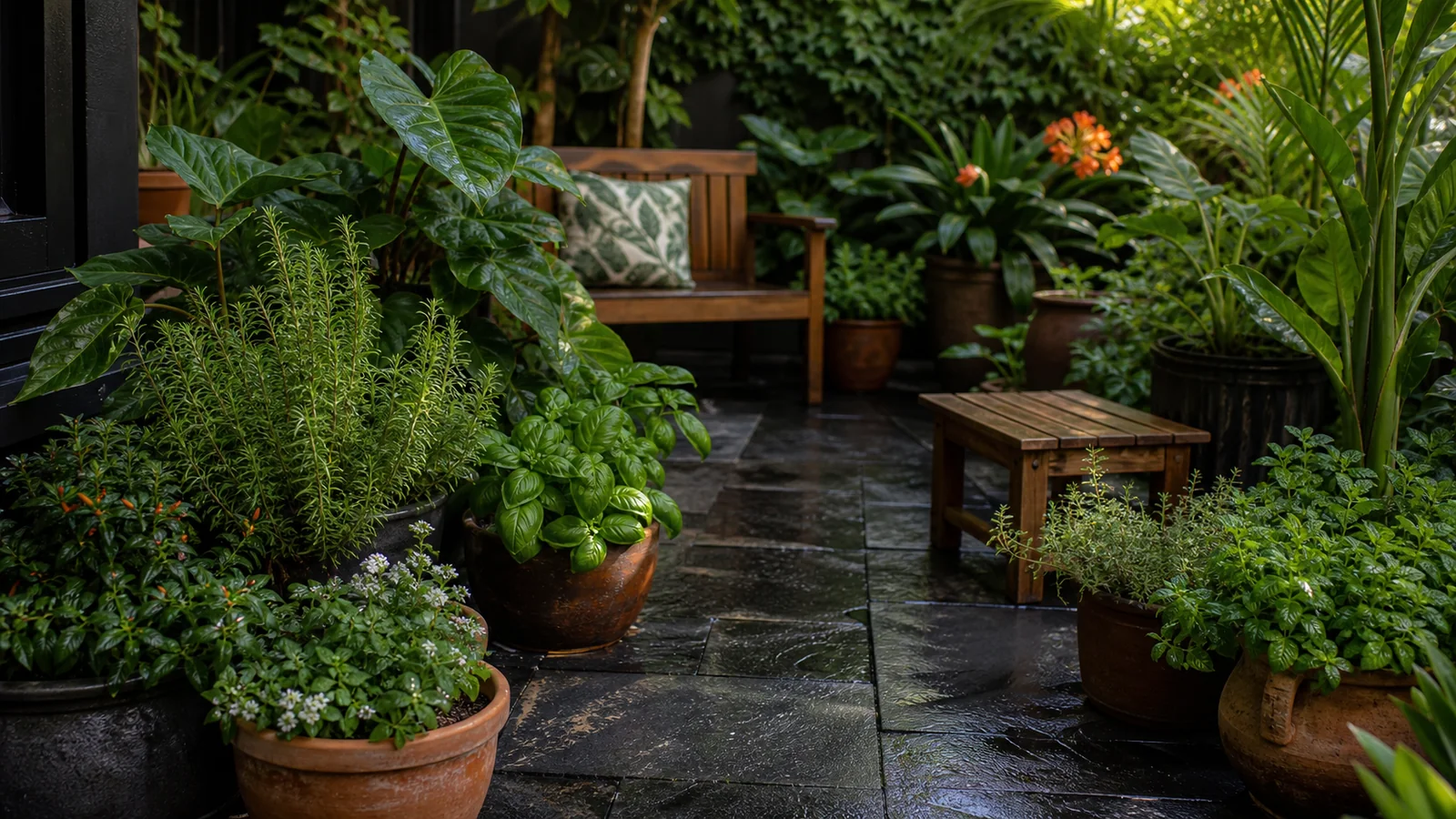
Start With Lush Layers, Not Rare Plants
Princeville Botanical Gardens is a useful inspiration source because it shows how abundant planting can feel organized. The Kauai garden is known for guided garden walks, tropical and useful plants, fruit, cacao, flowers, and a setting shaped by shade, moisture, slopes, and dense foliage. Most homeowners cannot copy that climate. You can borrow the layering.
Think of the garden in three levels: overhead shade, middle-height foliage, and low texture near the path or patio. The result can feel tropical even when the plant list is regional.
The home version should be climate-smart. A cool-climate patio, a humid Southern side yard, and a dry Western courtyard all need different plants. The shared idea is density with order: big leaves, repeated texture, edible details, and a few open spaces for access.
Build A Three-Part Tropical Palette
A tropical-looking palette works best when it has structure. Without structure, big leaves and bright flowers can become a jumble. Choose one plant for height, one for body, and one for edge texture.
Use this simple pattern:
| Layer | What it does | Home examples |
|---|---|---|
| Canopy or height | Creates shade and enclosure | Small tree, tall shrub, pergola vine, banana in warm climates |
| Middle foliage | Gives the lush main view | Hostas, cannas, hardy hibiscus, gingers, fatsia, hydrangeas, large containers |
| Edge texture | Keeps paths and pots finished | Ferns, carex, thyme, coleus, sweet potato vine, low herbs |
In cold regions, use containers for the most dramatic plants. In hot dry regions, use large-leaved plants carefully and give them afternoon protection. In mild wet regions, focus on spacing and air movement so dense planting does not become disease-prone.
Repeat each layer in more than one place. Repetition is what makes a lush planting palette look designed instead of accidental.
Add Edible Plants As Design Details
Princeville Botanical Gardens includes useful and edible plants as part of the experience, which is a good reminder for home gardens. Edible planting does not need to sit in a separate vegetable patch. It can add scent, color, texture, and purpose to a patio or border.
Choose edible plants that also look good where people gather. Herbs near a grill, citrus in a container, blueberries along a sunny edge, strawberries in a raised planter, or edible flowers near a seating area can make the garden feel generous.
Good edible design moves include:
- Keep herbs close to the kitchen door or outdoor table.
- Use one large pot for a citrus or fig where climate allows.
- Mix edible flowers with ornamental annuals in containers.
- Put strawberries where runners can be managed.
- Grow mint only in a pot.
- Use a raised bed if the soil is poor or access is tight.
Do not force tropical crops into a climate where they will struggle. If cacao, banana, or ginger is unrealistic outdoors, borrow the idea of edible abundance through herbs, berries, fruiting shrubs, and container plants that suit your region.
Our spring gardening tin cans article has a smaller, low-budget version of edible and flowering containers for compact spaces.
Let Shade Shape The Planting Plan
Lush gardens often rely on shade as much as flowers. Shade cools the mood, protects foliage, and makes paths feel comfortable. At home, the first step is to observe shade before buying plants.
Notice where shade comes from:
- A tree canopy
- A fence or neighboring building
- A porch roof
- A pergola or shade sail
- Tall shrubs or hedges
Then match plants to the real light. Morning sun with afternoon shade can support many colorful foliage plants. Deep dry shade under trees needs tougher choices and more soil care. Bright filtered shade can be one of the best places for a tropical-style texture garden.
For shade-heavy yards, large leaves are especially useful. Hostas, ferns, fatsia in mild climates, oakleaf hydrangea, hellebores, and shade-tolerant annuals can create a rich view without relying on constant bloom.
If shade is your main challenge, our hostas for shade gardens guide can help you use leaf size and spacing more intentionally.
Use Water Cues Without Creating A Problem
A lush botanical garden may have streams, damp soil, misty valleys, or a naturally moist setting. A home yard needs a simpler version. Water should add comfort and plant health without becoming a maintenance burden.
Start with soil moisture. If the area stays damp, choose plants that tolerate it instead of fighting the site. If the area dries quickly, use mulch, larger containers, drip irrigation, or drought-tolerant plants with bold foliage.
You can suggest water visually without installing a pond:
| Water cue | Easier home version |
|---|---|
| Stream feeling | Curved gravel path with rounded stones |
| Rainforest mood | Dense foliage around a shaded seat |
| Reflective water | Glazed pot, shallow birdbath, or dark bowl |
| Moist planting | Ferns, sedges, and moisture-tolerant perennials |
| Cooling sound | Small recirculating fountain where maintenance is realistic |
Avoid adding water where leaves, mosquitoes, safety, or cleaning will become a constant problem. A dry stream bed or dark glazed bowl can give a similar visual pause with less work.
Create A Terrace Feeling With Containers
Princeville Botanical Gardens has the feeling of moving through planted levels. You can create that on a patio, balcony, or flat yard with containers of different heights.
Use containers as small terraces. Place the tallest pot toward the back, medium pots to the side, and low herbs or trailing plants near the front. Leave enough space to water each pot without crushing leaves.
Try a container group with:
- One tall leafy plant for height
- One edible plant, such as rosemary, basil, dwarf citrus, or compact blueberry
- One trailing plant to soften the pot edge
- One bright flower for seasonal color
- One empty visual space so the group can breathe
Keep pot materials consistent. Terracotta, dark fiberstone, galvanized metal, or warm wood can all work, but mixing too many finishes makes the planting feel busy. Let the foliage and edible details provide the variety.
Make Useful Plants Easy To Reach
A useful garden should be reachable. If the edible plants, herbs, or cut flowers are tucked behind dense foliage, you will stop using them.
Put harvest plants near paths, steps, or patio edges. Keep thorny, fragile, or sprawling plants away from narrow walkways. If children use the garden, make sure edible planting is clearly known and avoid confusing ornamental lookalikes.
Simple access rules help:
- Leave a firm place to stand while harvesting.
- Keep labels small and weatherproof if plant identification matters.
- Do not bury herbs behind taller foliage.
- Put water-demanding containers close to a hose or watering can route.
- Leave pruning access behind vigorous shrubs.
- Keep fallen fruit away from slippery paving.
A garden can feel abundant and still be practical. In fact, practical access is what keeps it beautiful after the first season.
Keep The Palette Calm Enough For Everyday Life
The danger of tropical inspiration is overfilling the space. Big leaves, fruiting plants, flowers, containers, and water cues can all compete. Edit the palette before it gets hard to care for.
Choose one dominant mood:
| Mood | Best design choices |
|---|---|
| Shaded and calm | Greens, ferns, large leaves, stone, one pale flower |
| Colorful and edible | Herbs, citrus, edible flowers, warm pots, sunny path |
| Patio retreat | Containers, shade, seating, glossy foliage, simple water cue |
| Family garden | Durable paths, safe plants, berry shrubs, easy access |
Then remove anything that does not serve that mood. A calm shade garden does not need every bright flower. A sunny edible patio does not need a fake jungle effect. The most convincing planting palettes know what they are trying to be.
FAQ
Can Princeville Botanical Gardens ideas work outside a tropical climate?
Yes. Focus on layers, texture, shade, and useful plants rather than trying to grow the same tropical species. Containers can provide the most dramatic foliage where winters are cold.
What is the easiest tropical-style plant combination?
Use one large-leaved plant, one fine-textured plant, and one bright seasonal flower. Repeat that combination in two or three spots so the garden feels intentional.
How do I add edible plants without making the garden look messy?
Choose edible plants with good form, keep them near paths or patios, and use clean edging or containers. Herbs, citrus in pots, blueberries, strawberries, and edible flowers can all look ornamental.
Do lush gardens need a lot of water?
Not always. Some lush-looking gardens rely on shade, mulch, soil improvement, and plant choice. Match the palette to your climate before adding irrigation or water features.
Let Abundance Feel Edited
Princeville Botanical Gardens is a reminder that abundance can still have order. A home garden does not need rare plants or a tropical climate to feel rich.
Start with layers, then add useful plants, shade, containers, and one water cue if it fits your maintenance routine. When the palette is edited and access is easy, the garden feels lush without becoming overwhelming.
You might also like
Victoria Gardening for Mild Coastal Yards
Plan Victoria gardening around mild winters, dry summers, wind, deer pressure, soil, and layered planting for a calm coastal yard.
Flower Gardens That Bloom Beyond One Season
Plan flower gardens with site-first plant choices, repeated drifts, seasonal bloom, pollinator support, and easy maintenance.
Wild Gardens of Acadia Native Yard Ideas
Borrow Wild Gardens of Acadia ideas for native plant layers, habitat edges, labels, paths, and a wilder Maine-coast yard.