Victoria Gardening for Mild Coastal Yards
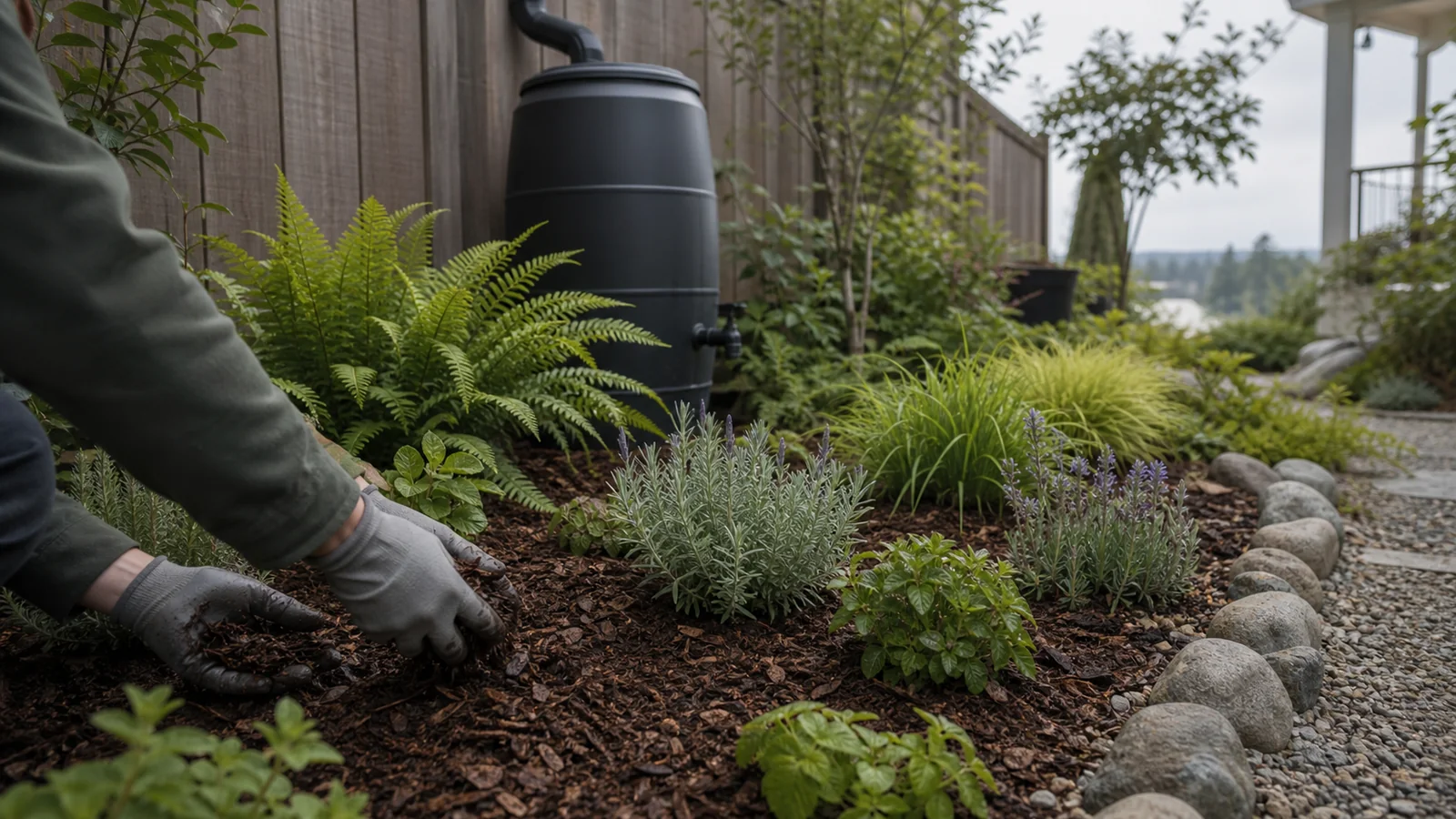
Treat Victoria Gardening As Mild, Coastal, And Seasonal
For this guide, Victoria gardening means Victoria, British Columbia and nearby mild coastal Pacific Northwest conditions. The city is famous for gardens because the climate is relatively gentle compared with much of Canada. Winters are cool and wet rather than deeply frozen. Summers are often dry. Coastal wind, deer, clay pockets, shade, and water limits still shape what works.
That mix is what makes Victoria gardening interesting. You can grow a wide range of plants, but the garden should not pretend it lives in a humid tropical climate or a rainy summer climate. The best home landscapes use winter structure, spring bloom, summer drought resilience, and plants that handle real exposure.
Use this guide if you garden in Victoria, on southern Vancouver Island, or in a similar coastal zone with mild winters, dry summers, and changeable microclimates.
Read Your Microclimate Before Buying Plants
Victoria-area gardens can differ from one block to the next. A protected courtyard, windy waterfront lot, shaded Garry oak edge, and inland slope will not behave the same way. Before choosing a plant palette, read the site.
Walk the garden in morning, afternoon, and evening. Notice where the sun lingers, where wind funnels, where soil stays wet, and where summer dryness arrives first.
Check these microclimate factors:
- Coastal wind or salt exposure
- Afternoon sun and reflected heat
- Winter wet spots
- Summer-dry slopes
- Deep shade from trees or buildings
- Deer browsing routes
- Clay soil or compacted construction soil
- Frost pockets in lower areas
A plant that thrives in a sheltered Victoria garden may struggle near exposed coastline. A plant that handles dry shade may fail in a soggy winter corner. Local gardening success starts with matching the plant to the exact spot, not the general city name.
Build A Palette For Wet Winters And Dry Summers
Victoria gardening often asks plants to handle two very different seasons: wet cool months and drier summer stretches. That means drainage and drought tolerance matter at the same time.
Avoid choosing only thirsty summer bloomers. Mix evergreen structure, spring flowers, drought-tolerant perennials, and foliage plants that can look good after the first flush of bloom.
Use this framework:
| Layer | What it does | Plant direction |
|---|---|---|
| Evergreen backbone | Holds winter shape | Oregon grape, compact conifers, evergreen huckleberry where suitable, boxwood alternatives |
| Spring bloom | Uses mild spring conditions | Rhododendrons, bulbs, flowering currant, hellebores, early perennials |
| Summer resilience | Handles dry periods | Lavender, yarrow, sedum, ornamental grasses, drought-tolerant salvias |
| Shade texture | Works under trees or buildings | Sword fern, hostas in moist shade, carex, heuchera |
| Ground layer | Protects soil | Kinnikinnick, thyme, low sedges, mulch, leaf litter where appropriate |
This is a design structure, not a fixed shopping list. Choose plants that fit your exact exposure, soil, and local guidance.
For more on layered foliage, our Green Spring Gardens texture guide shows how leaf size and evergreen weight can carry a planting even when flowers are quiet.
Improve Soil Without Making It Too Rich
Many coastal gardens need soil help, but more amendment is not always better. Some drought-tolerant and native plants resent heavy, constantly rich, wet soil. Other plants need organic matter to handle summer dryness and winter drainage.
Start by learning what you have. Clay, sandy soil, compacted fill, and established woodland soil all need different treatment.
General soil moves include:
- Add compost to vegetable beds and thirsty ornamental borders.
- Use mulch to protect soil from summer drying.
- Avoid burying crowns of perennials and shrubs.
- Improve drainage before planting plants that hate wet feet.
- Keep leaf litter under trees where it supports soil life.
- Use raised beds where soil is compacted or poorly drained.
- Avoid over-tilling around existing tree roots.
If you are unsure, improve one test bed first. Watch how water moves after rain and how plants respond during summer dry spells.
Our soil amendments for gardens guide can help you decide whether compost, mulch, drainage work, or a soil test is the right first step.
Use Water-Wise Design Before Water Restrictions Bite
Victoria-area summers can be dry, and many homeowners face watering limits or simply want gardens that do not depend on constant irrigation. Water-wise design starts before the weather turns hot.
Group plants by water needs. Put thirsty containers near the door or hose. Keep drought-tolerant plants together where they can be watered deeply but less often. Use mulch to reduce evaporation and protect roots.
Water-wise choices include:
- Drip irrigation for food and high-value beds
- Deep watering instead of frequent shallow sprinkling
- Mulched borders and exposed soil protection
- Larger containers that dry slower than tiny pots
- Rain barrels where allowed and practical
- Drought-tolerant groundcovers on sunny slopes
- Shade or wind protection for vulnerable plants
Do not let drought tolerance become an excuse to ignore establishment watering. Many resilient plants still need steady moisture during their first season while roots settle in.
Design For Deer Before You Fall In Love With A Plant
Deer pressure varies, but many Victoria-area gardeners need to think about browsing. No plant is perfectly deer-proof everywhere. Hungry deer, young plants, and local habits can change the rules.
Still, you can reduce frustration by designing with deer in mind.
Try:
- Protecting new shrubs until they establish
- Using tougher, aromatic, fuzzy, or textured plants where deer browse
- Placing vulnerable favorites in fenced areas or containers near the house
- Repeating plants that local gardeners report as reliable
- Avoiding a whole front garden of deer candy
- Keeping winter browse in mind, not just summer bloom
Use local observation. If several neighbors have untouched lavender, ornamental grasses, or tough evergreen shrubs, those are useful clues. If every unfenced hosta on the street is chewed, believe the evidence.
For shade gardens where deer pressure is manageable, our hostas for shade gardens article can help you use leaf texture and spacing. In heavier deer areas, protect them or choose tougher alternatives.
Make Wind Part Of The Layout
Wind can dry pots, snap tall stems, shred soft leaves, and make seating uncomfortable. It also shapes how coastal gardens feel. A good Victoria garden does not fight wind everywhere; it filters it where people and delicate plants need help.
Use layered wind protection:
- Open fencing or hedging that slows wind rather than blocking it solidly
- Tough shrubs on exposed edges
- Lower plants where gusts are strongest
- Containers with heavier bases
- Flexible grasses instead of brittle tall stems
- Seating placed in a sheltered corner
Avoid creating a solid wall that causes turbulence on the other side. A mixed hedge, slatted screen, trellis with vines, or group of shrubs can soften wind more gracefully.
If the garden is near salt air, choose plants that handle exposure and rinse containers occasionally if salt buildup becomes visible.
Use Spring Abundance Without Losing Summer Structure
Victoria gardens can be generous in spring. Bulbs, rhododendrons, flowering shrubs, early perennials, and fresh foliage can make the garden feel full quickly. The challenge is what happens after that first abundance.
Design spring bloom inside a year-round frame.
For example:
| Spring feature | Summer support |
|---|---|
| Bulb drifts | Low grasses or groundcover to hide fading foliage |
| Rhododendron bloom | Evergreen shrubs and shade texture nearby |
| Flowering currant | Summer perennials at the front of the bed |
| Hellebores | Ferns, carex, and leaf mulch |
| Early containers | Drought-tolerant summer refill plan |
This keeps the garden from peaking once and then fading into loose foliage. Let spring be the first act, not the whole performance.
Plan Productive Beds Around Cool Nights
Victoria gardening can be excellent for herbs, greens, berries, and cool-season crops, but warm-season crops may need thoughtful placement and timing. Cool nights, marine air, and variable spring conditions can slow heat-loving vegetables.
For edible areas:
- Put herbs and vegetables in the sunniest practical spot.
- Use raised beds where soil stays cold or wet.
- Protect young warm-season plants until nights are reliably mild.
- Grow greens, peas, kale, chard, and herbs in shoulder seasons.
- Use compost for food beds, but keep drainage open.
- Keep edible containers near water and daily paths.
Do not hide the productive garden where it becomes a chore. Herbs near the kitchen door, berries along a sunny edge, and greens in a reachable raised bed are easier to use and care for.
For a lush edible-design mood in a different climate, see our Princeville Botanical Gardens planting ideas article. The plant list changes, but the idea of useful plants as part of the design still applies.
Turn Victoria Gardening Into A Calm Home Plan
Start with one bed or patio edge rather than the whole yard. Observe the light, wind, water, soil, and deer pressure. Then choose a planting palette that handles winter wet and summer dry without needing constant rescue.
A practical first plan might look like this:
- Map the sun and wind for one week.
- Identify the wettest winter spot and driest summer spot.
- Choose one evergreen backbone plant for structure.
- Add spring bloom where you will see it from the house.
- Group drought-tolerant summer plants together.
- Mulch before heat arrives.
- Protect young plants from deer and wind.
- Review the bed at the end of summer before expanding.
That is the heart of good Victoria gardening: mild-climate opportunity, coastal realism, and a garden that stays beautiful because it fits the place.
You might also like
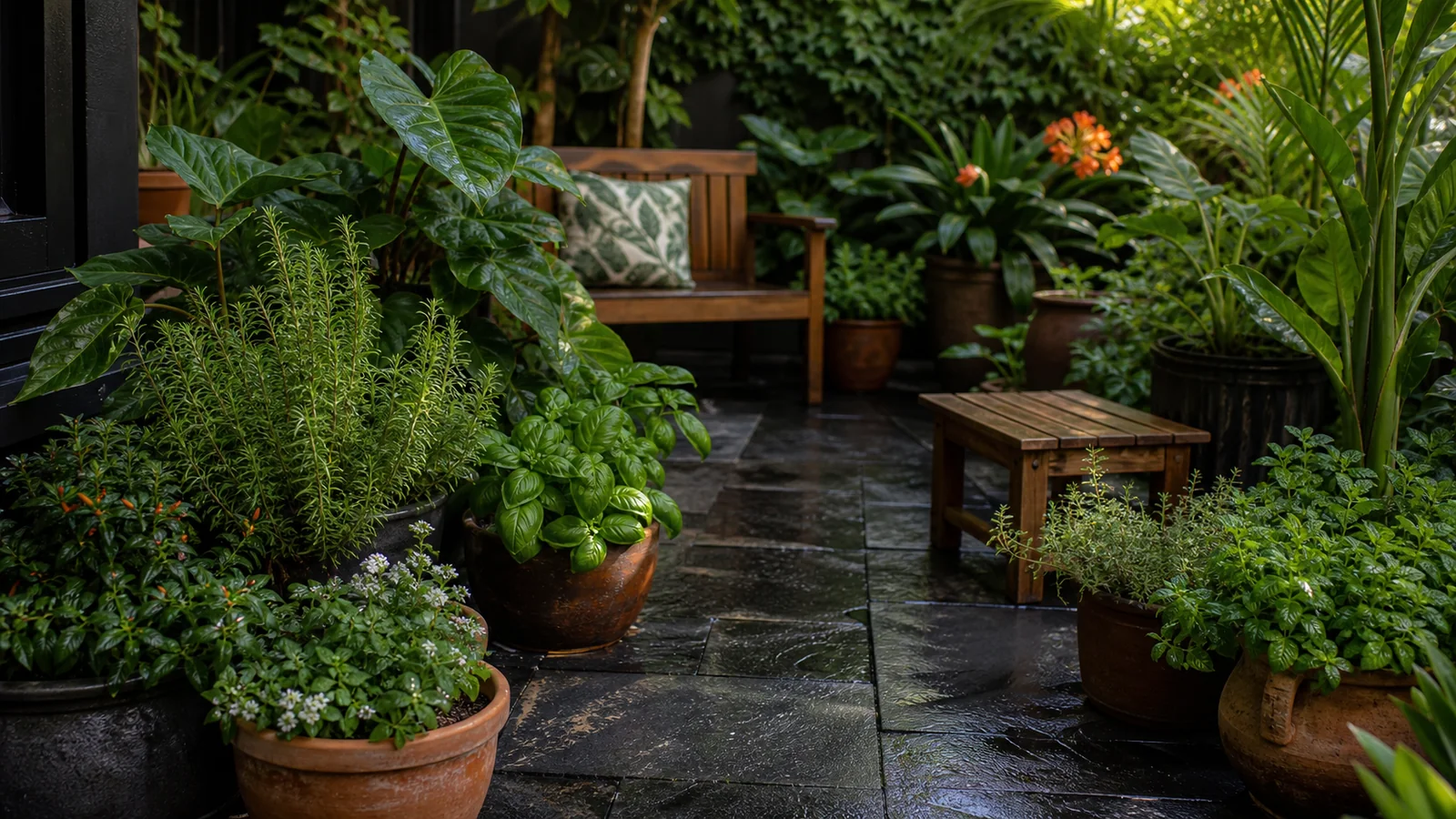
Princeville Botanical Gardens Planting Ideas
Use Princeville Botanical Gardens as a guide to lush layers, edible plants, shade, water, and containers at home.
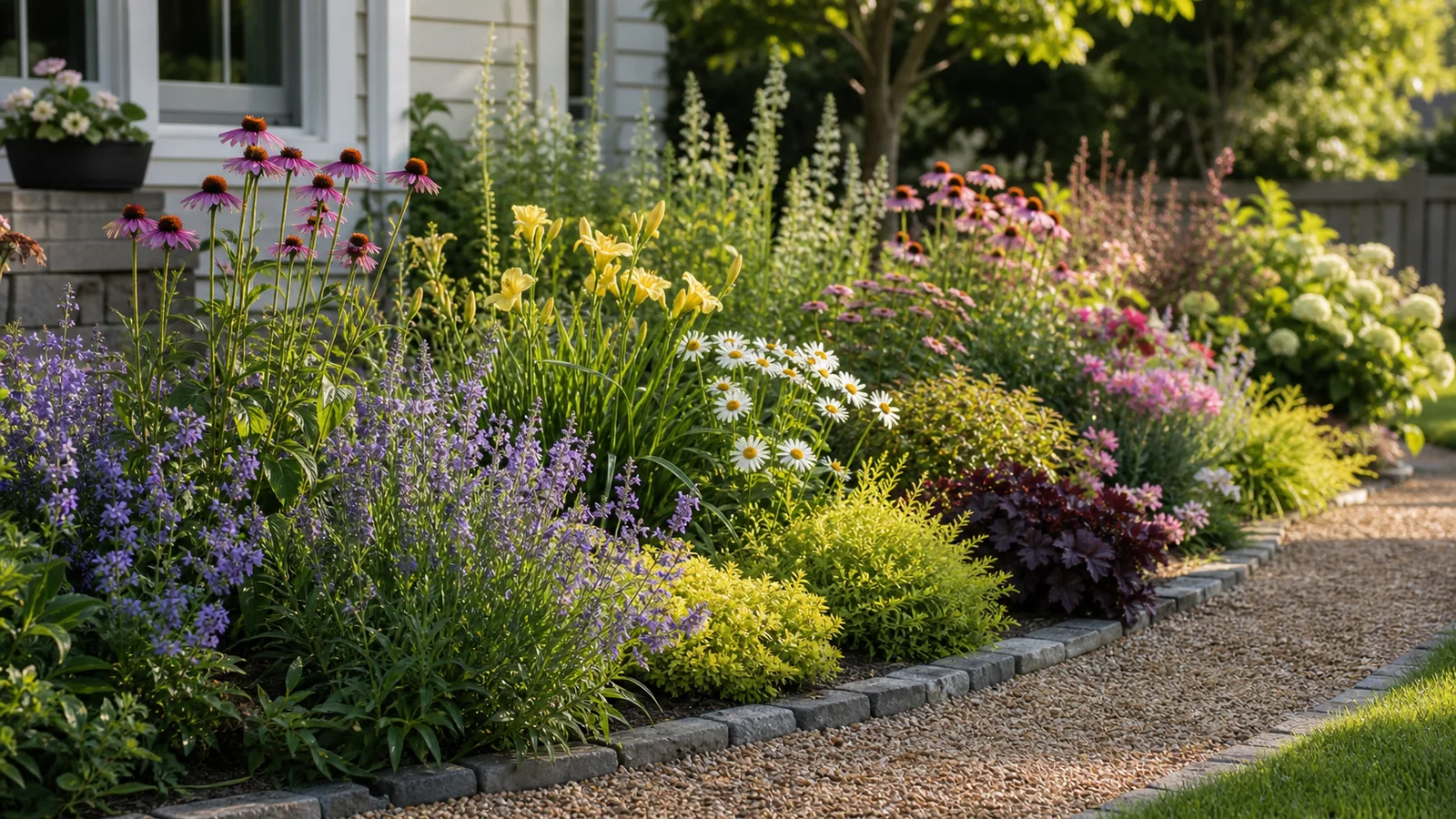
Flower Gardens That Bloom Beyond One Season
Plan flower gardens with site-first plant choices, repeated drifts, seasonal bloom, pollinator support, and easy maintenance.
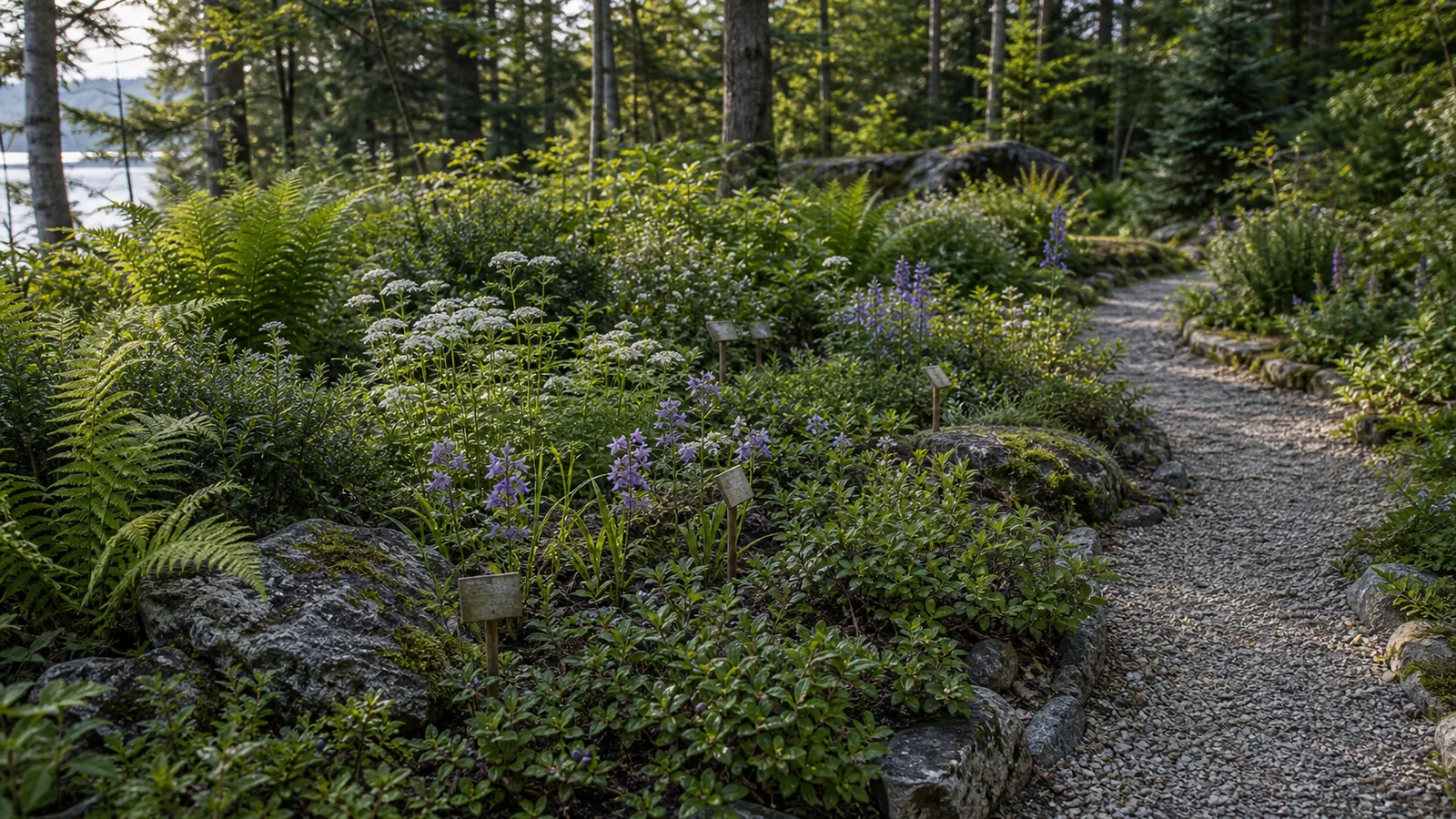
Wild Gardens of Acadia Native Yard Ideas
Borrow Wild Gardens of Acadia ideas for native plant layers, habitat edges, labels, paths, and a wilder Maine-coast yard.