Chaos Gardening Without A Mess
Let Chaos Gardening Have A Few Rules
Chaos gardening sounds like the opposite of planning: mix seeds, scatter them, water, and see what happens. That looseness is part of the appeal. It can make gardening feel less precious, especially if formal planting plans have started to feel like homework.
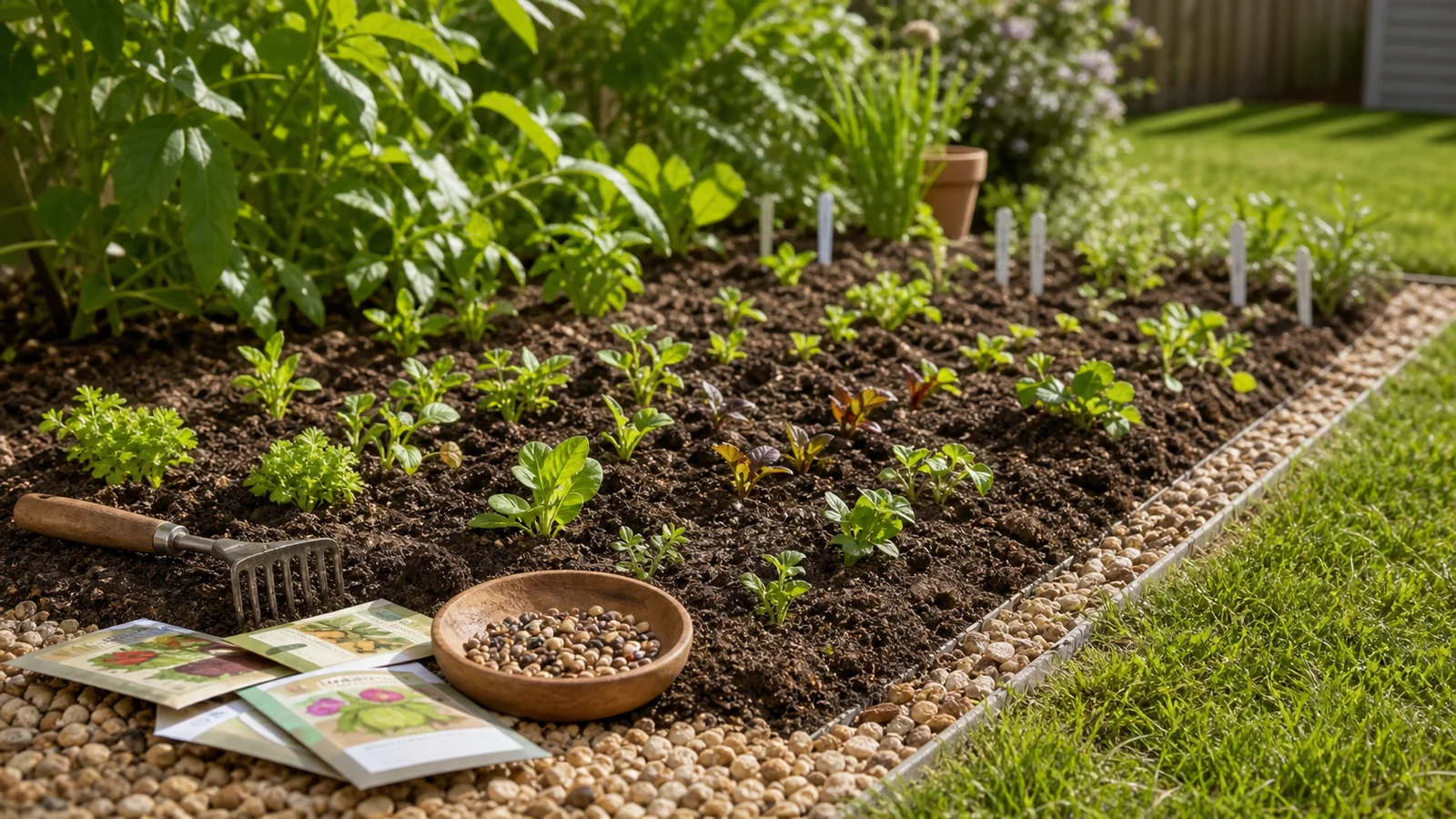
But the best chaos gardening still has a few quiet rules. You choose a suitable spot, edit the seed mix, prepare the soil enough for germination, and mark the edges so the bed looks intentional while it fills in. The result can feel lively and natural without turning into a patch of mystery weeds.
Use chaos gardening as a small experiment, not as a replacement for every bed in the yard. A little structure gives the randomness somewhere to succeed.
Pick A Small Test Patch First
Start smaller than your enthusiasm. A 3-by-6-foot strip, a side bed, the back edge of a sunny border, or one large container is enough for a first chaos garden. A small patch lets you learn how the seed mix behaves before it takes over a more visible area.
Choose a place with enough light for the seeds you want to grow. Many flower, herb, and vegetable seeds need direct sun to perform well. If the spot receives only a few hours of morning light, choose shade-tolerant annuals or treat the experiment as a foliage and texture bed instead.
Avoid scattering seeds into:
- Dense lawn without removing grass
- Compacted soil that sheds water
- Beds full of aggressive perennial weeds
- Dry roofline strips that never receive rain
- Areas where seedlings will block paths, vents, gates, or utilities
If you are new to reading a site, our gardening for beginners guide explains light, water access, and bed size in a practical first-season way.
Edit The Seed Mix Before You Scatter
The phrase chaos gardening can make it sound as if every leftover seed packet belongs in the same bowl. That is where problems begin. Seeds have different timing, spacing, light needs, mature sizes, and climate preferences.
Before mixing, sort packets into groups:
| Seed group | Better chaos use | Watch point |
|---|---|---|
| Fast annual flowers | Color and pollinator activity | Thin crowded seedlings early |
| Soft herbs | Scent and useful leaves | Keep aggressive spreaders contained |
| Leafy greens | Quick edible harvest | Harvest before heat or bolting |
| Vining plants | Only with support and space | Can smother smaller seedlings |
| Large vegetables | Usually better in their own bed | Need spacing and steady water |
| Perennials | Use sparingly | Slow to establish and harder to identify |
A good first mix might include calendula, cosmos, bachelor buttons, nasturtiums, dill, cilantro, lettuce, arugula, and a few marigolds where climate and season fit. A poor mix would combine pumpkins, sunflowers, carrots, basil, poppies, beans, and tiny alpine perennials in one narrow strip.
Do not include invasive plants, unknown old seed, or anything you cannot identify later. Randomness is fun only when the plant choices are still responsible.
Prepare The Soil Enough For Germination
Chaos gardening does not need a perfect bed, but seeds need contact with soil. If you throw seed over mulch, thick leaves, compacted clay, or active turf, many seeds will never reach the conditions they need.
Clear the patch first. Remove weeds, loosen the top inch or two of soil, and rake the surface so it is crumbly rather than cloddy. If the soil is poor, add a light layer of finished compost and mix it into the surface. Avoid burying the bed under rich amendments unless a soil problem actually calls for it.
This is a good place for restraint. Too much fertility can make some plants grow floppy and leafy instead of balanced. Too much digging can bring buried weed seeds to the surface. Aim for a receptive seedbed, not a rebuilt garden.
If your soil is compacted, waterlogged, or extremely sandy, fix that problem before expecting a seed mix to perform. Our soil amendments for gardens guide explains how to match compost, mulch, and other amendments to the actual issue.
Scatter Thinly, Then Press Seeds In
Most chaos gardens fail by being sown too heavily. A handful of seeds looks small in your palm, but each seed may want its own space. When too many sprout, seedlings stretch, compete, and become harder to identify.
Mix tiny seeds with dry sand, fine compost, or seed-starting mix before scattering. This helps you distribute them more evenly. Walk the patch once in one direction, then again at a right angle, scattering lightly both times.
After sowing, press seeds into the soil with the back of a rake, a flat board, or your hands. Some seeds need light to germinate, so do not bury everything deeply. Follow packet instructions when you can. If the packets conflict, group seeds by depth instead of forcing all of them into one scatter.
Water with a gentle shower. A hard spray can wash seeds into clumps. Keep the surface evenly moist until germination begins, then adjust watering for the plants that actually appear.
Mark The Edges So The Bed Looks Intended
The easiest way to make chaos gardening look designed is to give it a clean boundary. A relaxed interior can work when the outer edge is clear.
Use one of these edge treatments:
- A shallow spade-cut edge along the lawn
- A narrow mulch strip
- A line of stepping stones
- A low willow, metal, or wood edging
- A row of simple plant labels at the back
- A container or trellis that marks one end
This edge tells the eye that the softness inside is deliberate. It also makes maintenance easier. You can mow, weed, and water without guessing where the experiment begins.
In a front yard or highly visible patio bed, a clean edge matters even more. The planting can be loose, but the shape should be readable from the sidewalk, driveway, or kitchen window.
Thin Without Killing The Mood
Thinning feels un-chaotic, but it is what keeps a seed mix healthy. When seedlings are too crowded, air movement drops, roots compete, and the strongest plants may smother the rest.
Thin in stages. First remove obvious clusters where seedlings are touching tightly. Later, remove weak, damaged, or misplaced plants. You do not need perfect spacing, but you do need enough room for leaves to dry and stems to strengthen.
If edible greens are part of the mix, thinning can become harvesting. Baby lettuce, arugula, cilantro, and dill can be clipped while they are tender. For flowers, remove extras before stems become tangled.
Keep a few surprises. The charm of chaos gardening is discovery. The discipline is knowing when discovery has become crowding.
Learn What Seedlings Look Like
Chaos gardening works better when you can tell seedlings from weeds. You do not need expert-level botany, but you do need a few clues.
Take photos when the first seedlings appear. Compare them with the seed packets, seedling images from reliable gardening sources, or your own labels. Notice leaf shape, stem color, and growth habit. Many annual flowers have distinctive first true leaves after the initial seed leaves.
Leave uncertain seedlings for a few days if they are not aggressive. Pull anything you recognize as a known weed in your yard. Also remove seedlings that appear far outside the bed edge, especially if they are in paving cracks, lawn, or neighboring beds.
If gardening terms get confusing, our gardening language article explains words such as annual, perennial, self-sowing, thinning, and spacing in plain language.
Use Containers For A Tidy Version
If you want the feeling of chaos with less risk, try a large container or trough. The boundary is built in, the soil can be controlled, and mistakes are easier to clear at the end of the season.
Use a wide container with drainage. Fill it with potting mix, not heavy garden soil. Scatter a limited mix of compact flowers, herbs, or leafy greens. Keep tall plants to the back or center, depending on where the container is viewed.
Good container chaos choices include nasturtiums, calendula, dwarf cosmos, parsley, dill, chives, lettuce, and violas when the season fits. Avoid large squash, full-size sunflowers, deep-rooted vegetables, or plants that need constant moisture unless the container is large enough to support them.
A container version is especially useful for renters, balconies, children, or anyone who wants a playful patio refresh without changing an in-ground bed.
Know When Chaos Gardening Is The Wrong Tool
Chaos gardening is not ideal everywhere. It is usually a poor fit for foundation beds that need year-round structure, formal entries, narrow paths, vegetable crops that require precise spacing, or areas with strict homeowners association rules.
It can also be risky in places where self-sowing plants may spread into natural areas. Know your local invasive plant guidance before adding seed mixes, especially wildflower blends with unclear contents.
Use chaos gardening where looseness is welcome:
- A sunny side bed
- A temporary gap while shrubs mature
- A pollinator strip near a vegetable garden
- A children’s experiment bed
- A patio trough
- A back border that can look relaxed
For more permanent areas, use the chaos patch as a nursery of ideas. Notice which colors, textures, and plant habits you like, then repeat the best ones more deliberately next season.
FAQ
Is chaos gardening just throwing seeds on the ground?
Not quite. The relaxed version still works better with a prepared surface, suitable seeds, gentle watering, and some thinning. Throwing seeds into grass, mulch, or compacted soil usually gives poor results.
What seeds are best for chaos gardening?
Start with easy annual flowers, herbs, and quick greens that suit your season and light. Calendula, cosmos, dill, cilantro, lettuce, arugula, nasturtium, marigold, and bachelor buttons can work in many home gardens when climate and timing fit.
Can chaos gardening work in shade?
It can, but the seed mix must change. Many popular flowers need sun. In shade, use a smaller experiment with shade-tolerant annuals, leafy greens in cool weather, or a container where you can control water and soil.
Will chaos gardening come back every year?
Some plants may self-sow, but that depends on species, climate, mulch, cleanup, and winter conditions. Treat the first year as an experiment. Keep the plants you like, pull the ones that spread too freely, and resow intentionally where needed.
Let The Experiment Stay Editable
Chaos gardening is most useful when it lowers the pressure to make every plant choice perfect. It invites you to observe, edit, and learn from a small patch instead of designing the whole yard at once.
Choose a contained spot, edit the seed mix, prepare the surface, mark the edge, and thin lightly as plants grow. That is enough order to make the chaos generous instead of messy.
You might also like
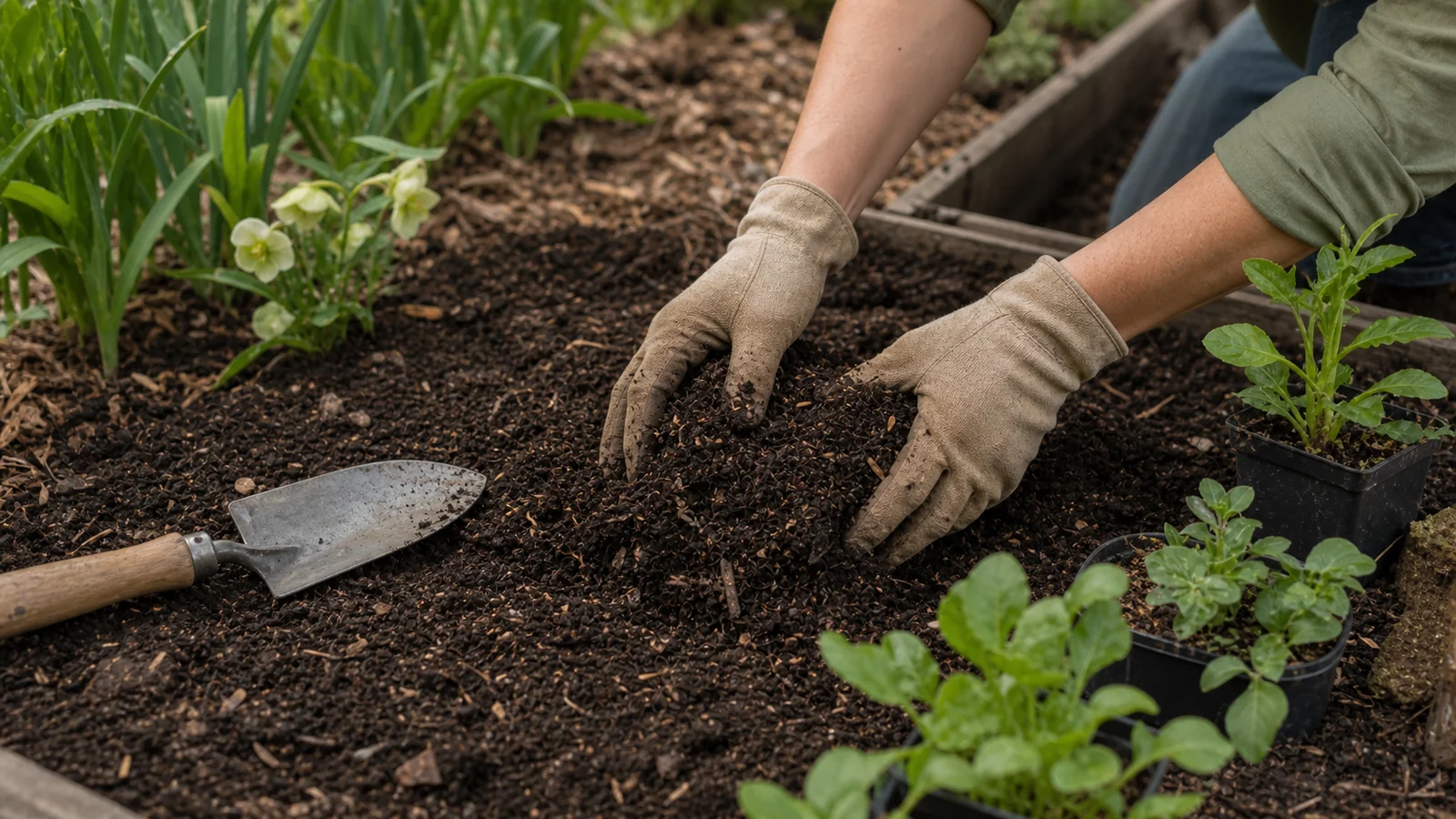
Soil Amendments for Gardens That Work
Choose soil amendments for gardens by testing first, matching compost, mulch, lime, sulfur, and organic matter to the actual soil problem.
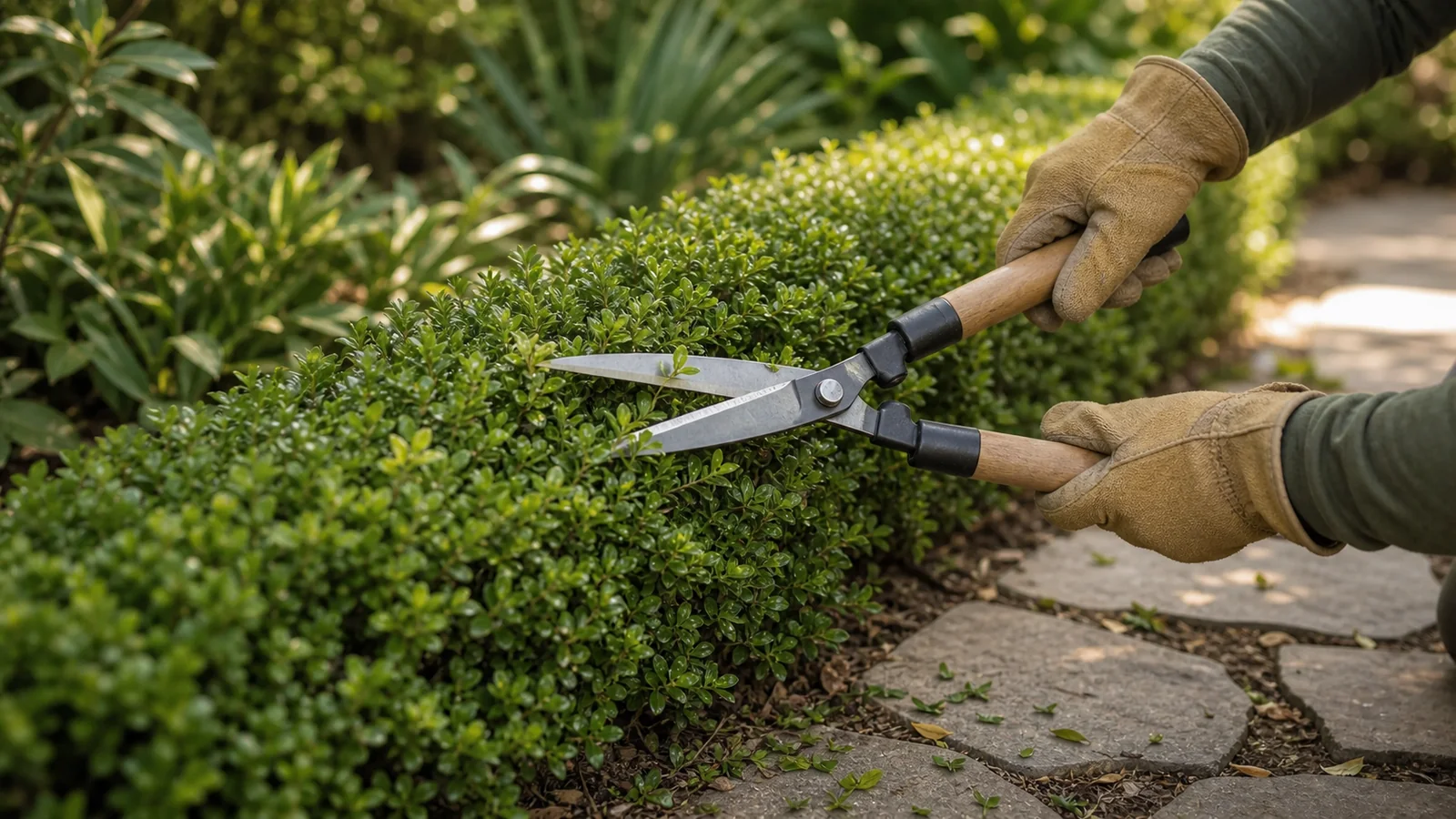
Shear Gardening Guide for Tidy Shrubs
Use shear gardening carefully with the right tools, timing, cleaning habits, and shaping rules for hedges, shrubs, and patio plants.
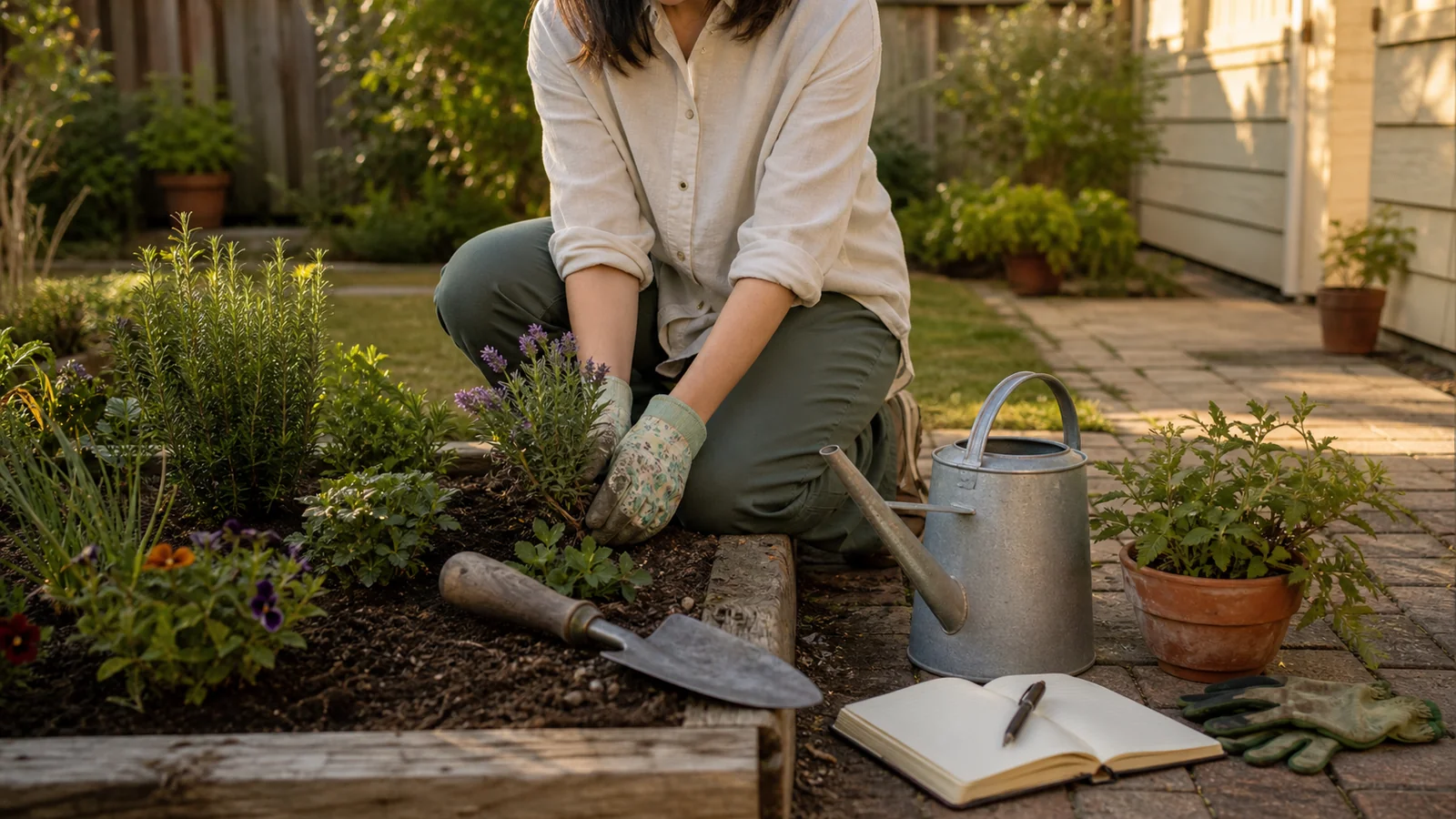
Gardening as a Hobby Without Overdoing It
Make gardening as a hobby feel calm and sustainable with a small first bed, simple tools, and a weekly routine.