Coxhall Gardens Design Lessons For Home
Start With The Open Space, Not The Plant List
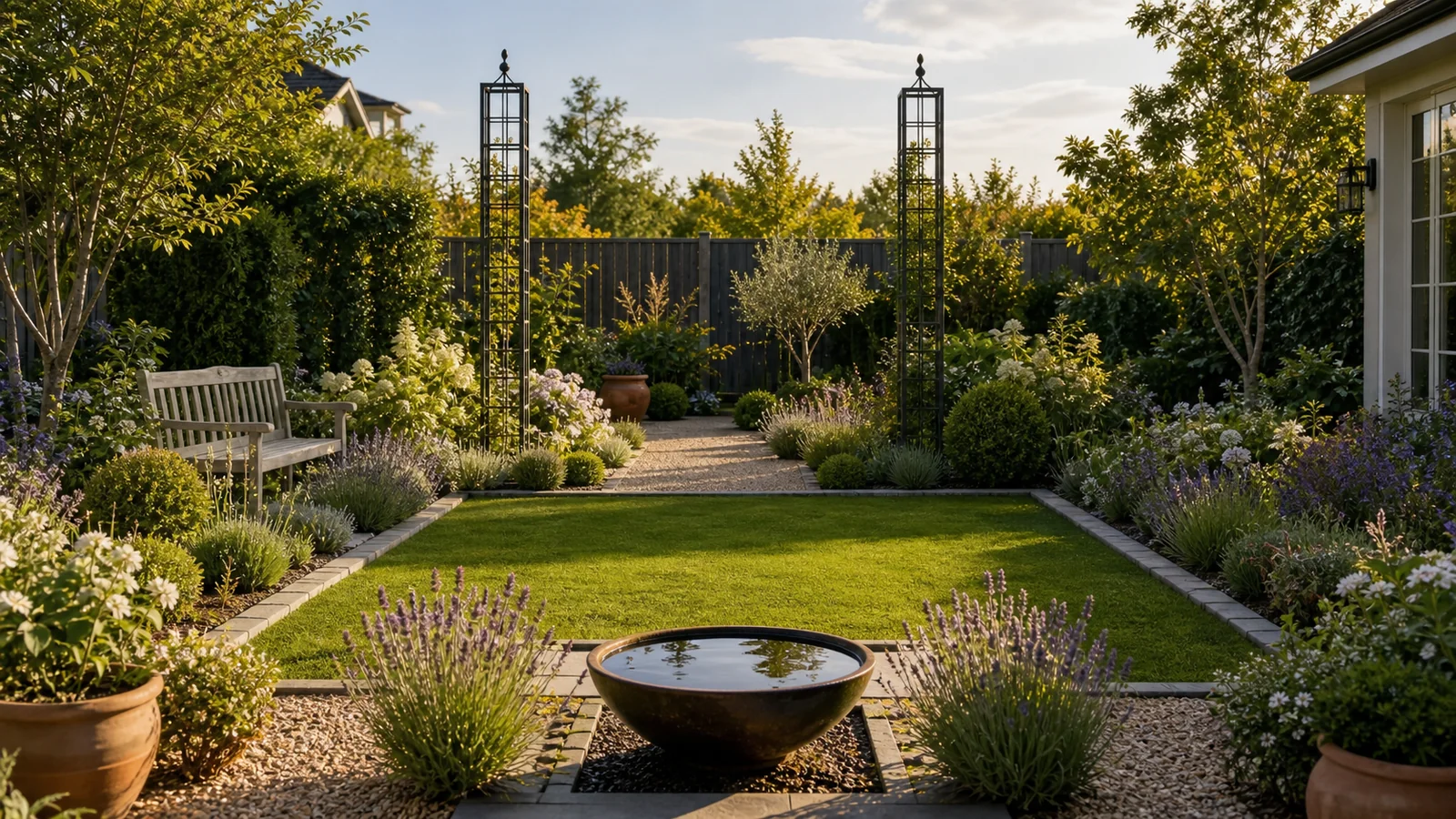
Coxhall Gardens in Carmel, Indiana, is useful to homeowners because it shows how open space can feel designed. The park is known for formal garden areas, broad lawns, water views, architectural focal points, and family-friendly garden spaces. Those pieces are larger than a home yard, but the design lesson is very adaptable.
Instead of filling every empty patch with plants, Coxhall Gardens suggests a calmer question: what open space should stay open? A lawn panel, gravel court, small patio, or clear mulch area can give the garden breathing room. The planted areas then work harder because they have a visible frame.
Use Coxhall Gardens as inspiration for structure. Keep one area open, give it a clean edge, and let paths, focal points, and planting support that shape.
Give The Yard One Formal Panel
A formal panel is a clear shape that organizes the view. It might be a rectangle of lawn, a square gravel sitting area, a long planting bed, or a simple paved terrace. The point is not to make the whole yard stiff. The point is to give the eye one settled shape.
For a home garden, a formal panel can solve several problems at once:
- It makes a small yard look more intentional.
- It gives children or guests a clear open area.
- It reduces the urge to scatter plants everywhere.
- It helps paths and furniture line up naturally.
- It creates contrast with softer planting around the edges.
Start with the view from the house. If the back door opens to a messy middle lawn, define a cleaner rectangle or oval. If the front walk feels vague, shape the bed edges so the lawn reads as one deliberate space.
The panel does not have to be perfect. It just needs a readable outline.
Frame The Walk Like A Sequence
Coxhall Gardens has the feeling of moving from one garden moment to another. At home, you can create a smaller sequence with a walk, a threshold, and a destination.
A strong sequence has three parts:
| Sequence part | Home version | Design job |
|---|---|---|
| Threshold | Gate, porch step, arbor, or change in paving | Announces the start |
| Walk | Straight path, gentle curve, stepping stones, or gravel line | Guides movement |
| Destination | Bench, container group, small tree, water bowl, or patio chair | Gives the eye a reason to arrive |
Keep the route simple. A straight path can feel elegant when the destination is good. A curve should have a reason, such as moving around a tree, widening a bed, or revealing a seat slowly.
If you already have a strong main path, improve its edges before adding more plants. A crisp path often changes the whole garden faster than another shrub.
For a broader public-garden approach to paths and focal points, our Boerner Botanical Gardens design lessons article shows how garden rooms and seasonal displays can translate to home scale.
Add One Vertical Marker
Architectural features help large gardens hold their shape. At home, one vertical marker can do the same job. It gives the open space a point of reference and helps the garden show up from a window.
A vertical marker might be:
- A narrow arbor
- A small trellis
- A clipped evergreen
- A columnar shrub
- A birdbath on a simple base
- A tall container
- A pergola post wrapped with a vine
- A slim ornamental tree
Choose one marker that suits the house. A cottage garden might use a wood arbor. A modern patio might use a dark metal trellis. A traditional front yard might use a columnar evergreen or a pair of pots.
Avoid adding many small markers. Several little ornaments can make the yard feel cluttered. One strong vertical element usually feels calmer and more expensive.
Make A Children’s Corner That Still Belongs To The Garden
Coxhall Gardens includes family-oriented spaces, which is a helpful reminder that a garden can welcome children without becoming visually chaotic. A home version can be small: a stepping-stone loop, a digging pot, a reading bench, a chalkboard fence panel, or a low sensory planter.
The key is to connect the children’s corner to the rest of the design. Use materials already present in the yard. If the main path is gravel, use a little gravel in the play corner. If the patio uses clay pots, give the child-friendly area one sturdy clay pot for herbs or flowers.
Good family garden details include:
- Smooth stepping stones set level with the ground
- A small bench near adult seating
- Herbs that invite scent and touch
- A sunflower or bean teepee where space allows
- A sand or soil play pot that can be reset
- Low storage for chalk, gloves, or watering cans
Keep safety and maintenance practical. Avoid thorny plants, loose trip hazards, hidden water, and delicate decorations that make children feel they cannot touch anything.
For a more playful garden-nook approach, our Bookworm Gardens ideas article focuses on story, reading, paths, and child-scaled planting.
Use Water As A View, Not A Complication
Water views can make a garden feel cooler and more spacious. In a public garden, that may mean ponds, basins, or formal water features. At home, the idea can be much smaller.
A simple water reference might be enough:
| Water-inspired feature | Best use | Maintenance note |
|---|---|---|
| Glazed bowl with no standing water | Reflective accent on a patio | Empty after rain if needed |
| Birdbath | Focal point near a window | Clean regularly |
| Small recirculating fountain | Sound near seating | Needs power and care |
| Rain chain and gravel basin | Roofline detail | Plan drainage first |
| Pale stone or glassy pot | Dry shimmer | Lowest maintenance |
Do not add a fountain just because it seems elegant. If power, freezing, mosquitoes, or cleaning will become a burden, use a dry reflective feature instead. The design goal is a calm point of light, not another chore.
Place the water feature where it can be seen from a seat or window. A hidden fountain is usually not worth the effort.
Keep Planting Lower Around The Open Area
Open lawns and formal panels need visible edges. If every plant around them grows tall, the open space can feel squeezed. Use lower planting near the edge, then build height farther back.
Try this simple edge structure:
- Low edging plants, gravel, or mulch define the open panel.
- Mid-height perennials, grasses, or shrubs add fullness.
- Taller shrubs or small trees create background and privacy.
- One vertical marker gives the view a focal point.
This layered approach keeps the open space legible. It also makes maintenance easier because you can see where to mow, edge, sweep, or weed.
For plant choices, repeat fewer varieties. A formal panel looks best when the surrounding planting is not too random. Three repeated plant groups can feel more designed than twelve unrelated favorites.
Turn A Large-Garden Idea Into A Weekend Project
You do not need a full redesign to borrow from Coxhall Gardens. Choose one organizing move and complete it well.
Try one of these weekend projects:
- Recut a lawn edge into a cleaner rectangle or curve.
- Add a gravel strip around a small seating area.
- Place one bench at the end of a short path.
- Move pots into a pair or trio instead of scattering them.
- Add one trellis as a vertical marker.
- Create a child-friendly stepping-stone loop near the patio.
- Replace a vague bed edge with a low planted border.
Before buying materials, take a photo from the main door or window. Draw one simple shape over the image: a path line, lawn panel, bed edge, or focal point. If the change is not visible in that photo, it may not be the right first move.
Our dream home gardening guide can help connect these small design moves to the daily views and outdoor zones you actually use.
Balance Formal Structure With Soft Planting
The danger of formal inspiration is making a home garden feel rigid. The fix is balance. Let the paths, lawn, patio, or trellis provide order. Let the plants bring movement.
Soft planting can include ornamental grasses, loose perennials, herbs, flowering shrubs, and seasonal containers. Keep the plant palette calm near the formal shape, then allow more texture at the edges.
For example, a rectangular lawn might be framed by low catmint, compact grasses, or clipped evergreens, with looser flowering perennials behind. A gravel court might use a pair of structured pots, then a relaxed border beyond them. A children’s corner might use a clear stepping-stone loop with sensory herbs spilling gently around the edge.
This contrast is what keeps the garden livable. The structure makes it easy to understand. The planting makes it feel alive.
FAQ
What is the easiest Coxhall Gardens idea to use at home?
Start with one clear open panel, such as a lawn rectangle, gravel court, or patio edge. Define it well before adding more plants. The cleaner shape can make the whole yard feel more designed.
Do I need a large yard for formal garden structure?
No. Small yards often benefit from formal structure because every view matters. A straight path, paired containers, one trellis, or a clean bed edge can create order without requiring much space.
How can a family garden stay attractive?
Use child-friendly features that share materials with the rest of the yard. Smooth stones, sturdy herbs, a small bench, or a contained digging pot can feel playful without looking disconnected from the garden design.
Should I add a water feature?
Only if you will maintain it. A birdbath, reflective pot, or dry gravel basin may give enough water-inspired calm without the power, cleaning, freezing, or mosquito concerns of a fountain.
Let The Shape Do Some Work
Coxhall Gardens design lessons are less about copying a landmark and more about giving a garden a clear frame. Open space, paths, vertical markers, family-friendly corners, and calm views can all work in a normal yard.
Start with one visible shape. Keep it open, edge it well, and support it with planting that stays in scale. When the structure is clear, the garden does not need to be crowded to feel complete.
You might also like
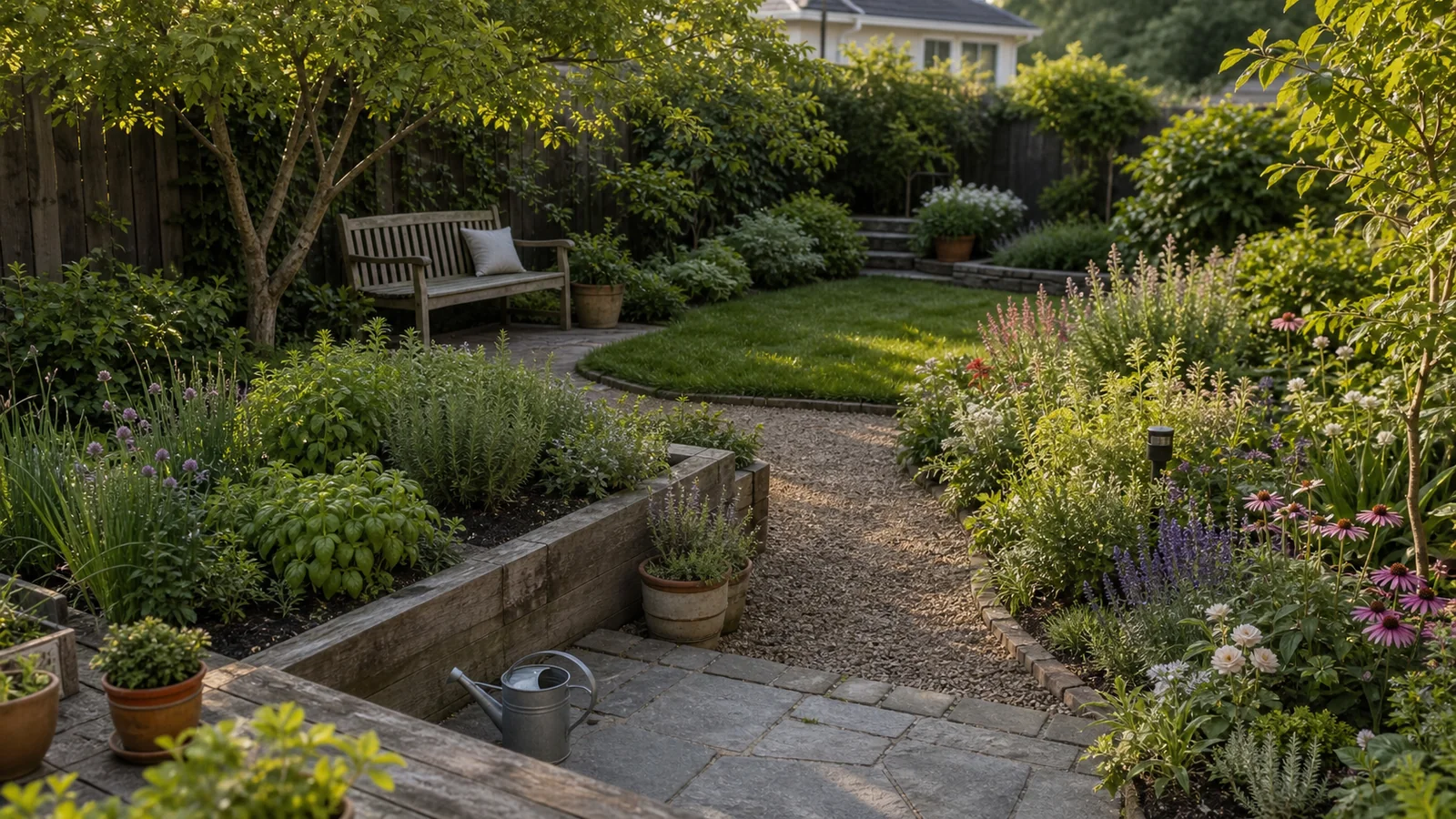
The Gardens: Make a Yard Feel Intentional
Use the gardens idea to turn scattered beds, paths, seating, and planting into a yard that feels calm, usable, and connected.
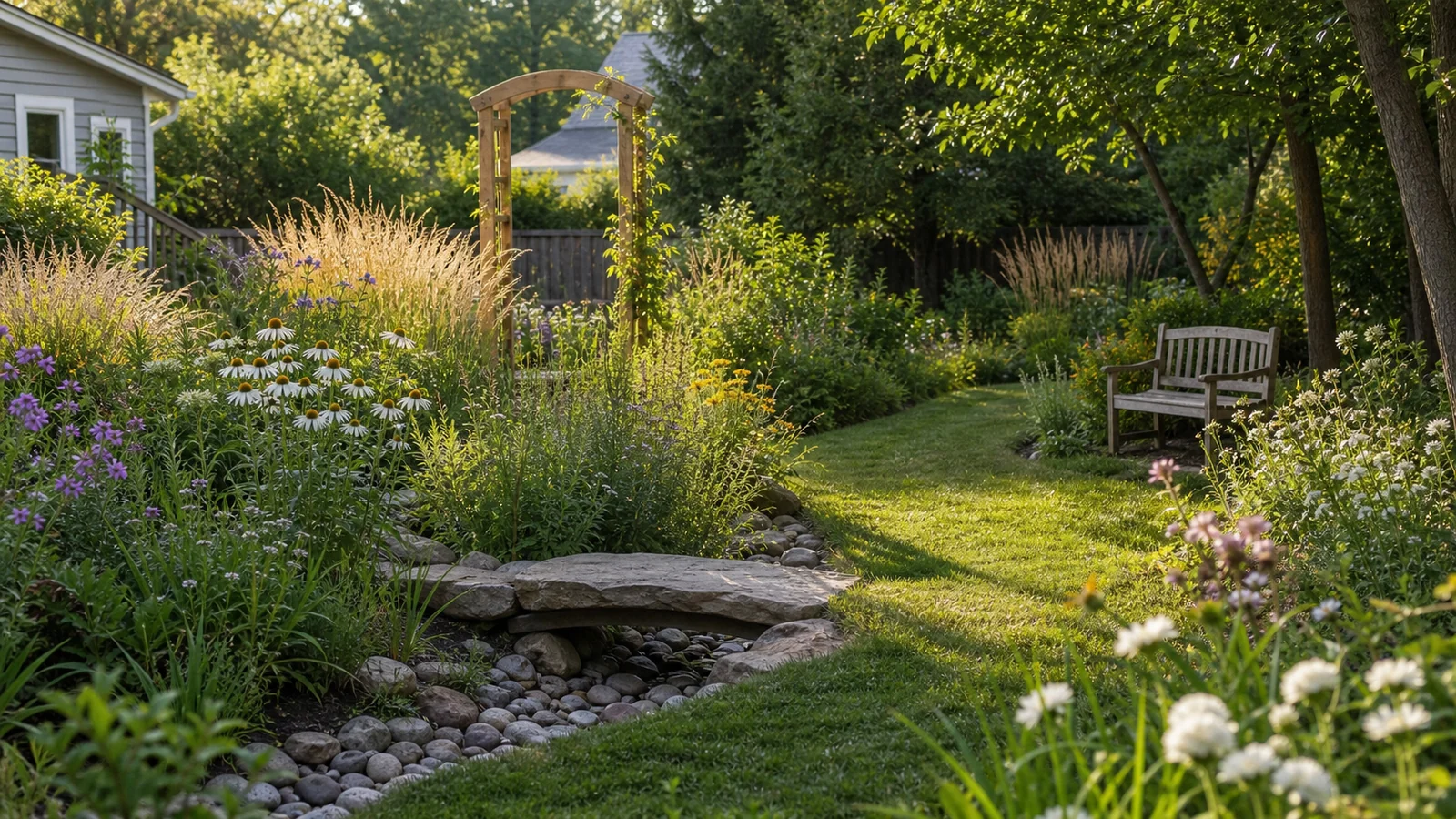
Glenwood Gardens Design Lessons for Family Yards
Borrow Glenwood Gardens ideas for meadow edges, playful paths, quiet benches, and family-friendly garden rooms at home.
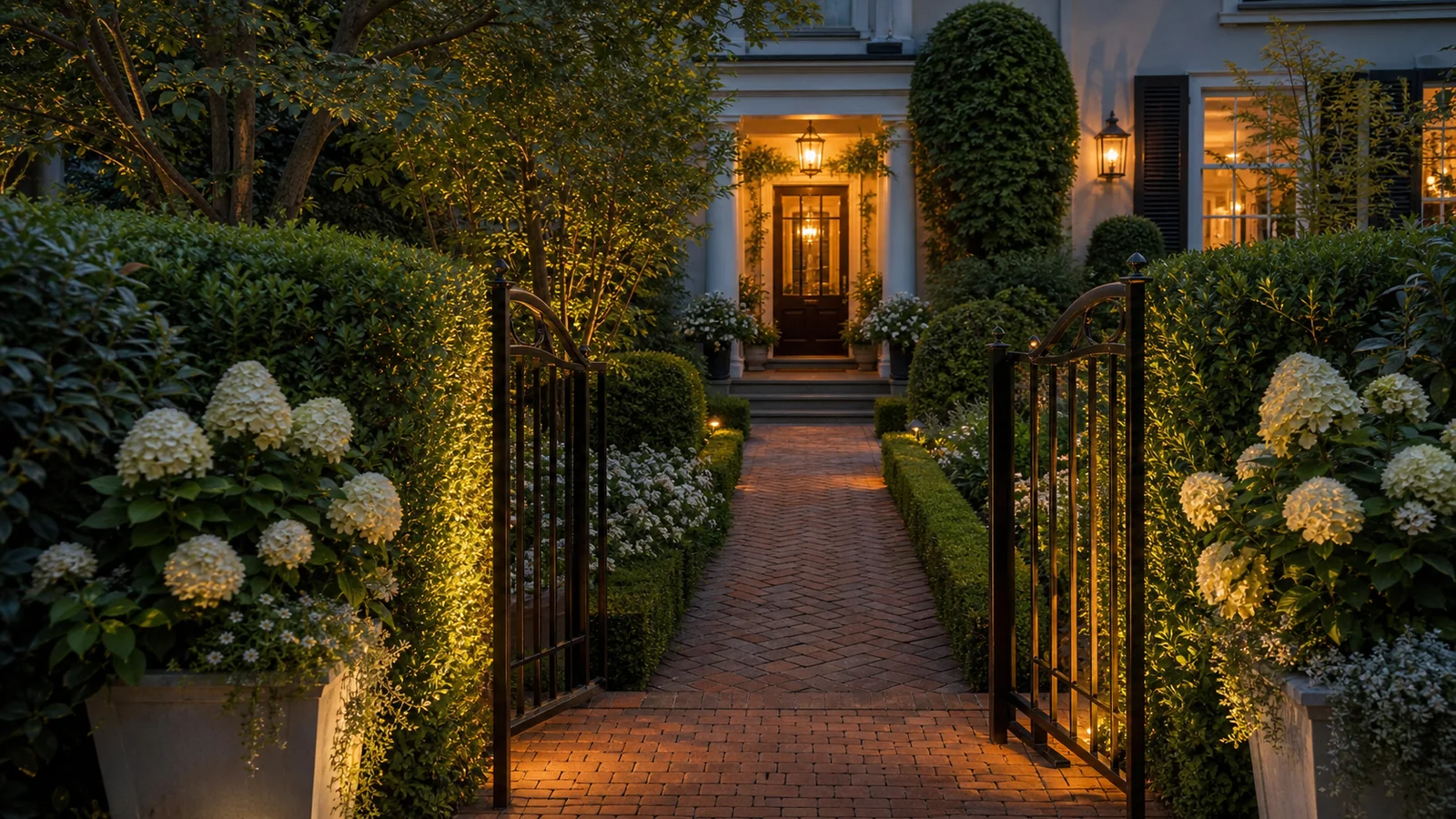
The Estate at Florentine Gardens Yard Ideas
Borrow The Estate at Florentine Gardens ideas for formal paths, outdoor ceremony edges, lighting, and polished patio views.