Glenwood Gardens Design Lessons for Family Yards
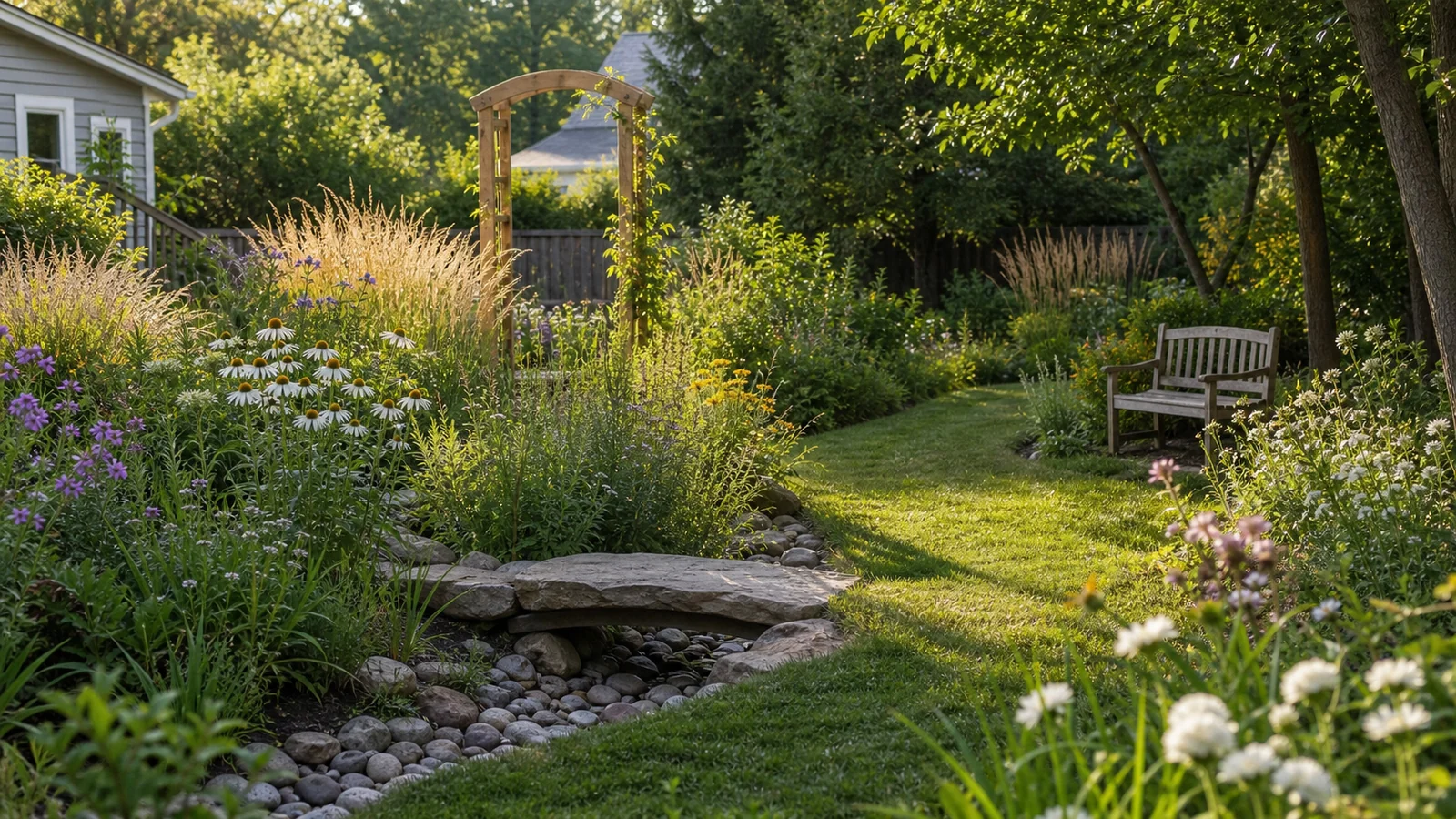
Use Glenwood Gardens As A Lesson In Gentle Discovery
Glenwood Gardens is useful to homeowners because it blends several garden moods without making the landscape feel random. The Cincinnati-area park is known for open lawns, meadow-like planting, wooded edges, trails, and the family-focused Highfield Discovery Garden. Those pieces are much larger than a normal yard, but the design ideas are easy to scale down.
The home lesson is gentle discovery. A yard can have an open path, a small planting adventure, a bench that feels slightly tucked away, and a few playful details without becoming busy.
Use Glenwood Gardens as inspiration for movement, softness, and family use. You are not copying a public garden. You are borrowing the way it lets people move from one outdoor moment to the next.
Start With A Loop, Even If It Is Tiny
Public gardens often feel satisfying because you can keep walking. There is a route, a pause, and another view. At home, even a tiny loop can make a yard feel more generous.
A loop does not need to be large. It might be a path around a bed, a stepping-stone route from patio to bench and back, or a mown strip through taller planting. The point is to avoid a dead-end feeling.
Try one of these small versions:
| Yard size | Simple loop idea | Why it works |
|---|---|---|
| Small patio | Pots form a walkable curve around seating | Adds movement without digging |
| Narrow side yard | Stepping stones pass a slim planting strip | Makes a corridor feel intentional |
| Backyard lawn | Mown path curves through a soft border | Creates discovery without major hardscape |
| Family yard | Short route connects play, planting, and seating | Lets children explore while adults can see them |
Keep the loop practical. It should not force people through wet soil, thorny plants, or tight furniture. A good garden path feels inviting in ordinary shoes.
If you want to test routes before digging, our gardening draw guide shows how to sketch paths, views, and work zones on paper first.
Let Meadow Edges Soften The Lawn
Glenwood Gardens uses the contrast between open ground and looser planting. That is a strong idea for home yards with too much plain lawn. Instead of removing the whole lawn, soften one edge.
A meadow edge can be modest. Use grasses, long-blooming perennials, seedheads, and a few sturdy flowers near a fence, along a back bed, or beside a path. Keep the interior lawn simple so the loose planting has a clear frame.
Good home-scale meadow plants depend on climate, but the design roles stay similar:
- Fine grasses for movement
- Daisy-shaped flowers for a relaxed summer look
- Upright perennials for rhythm
- Low edging plants to keep the border readable
- Shrubs or small trees as anchors
- Mulch or a cut edge for maintenance
Do not scatter a wildflower mix into turf and hope for the best. Remove grass where the bed will go, improve the soil only as needed, and choose plants that suit your light and water. A controlled meadow edge looks natural because it has been edited.
Add One Child-Friendly Discovery Spot
Highfield Discovery Garden is a reminder that family gardens can be playful without looking messy. At home, a discovery spot can be tiny: a stepping-stone circle, a small bench, a herb pot children can smell, a pea teepee, a fairy-sized log edge, or a weatherproof basket for garden tools.
The best family details share the same materials as the rest of the yard. If your garden uses gravel, repeat a little gravel around the discovery spot. If you use clay pots, give the child-friendly area one sturdy pot. If the fence is wood, use wood for a low edge or small arch.
Keep the spot visible from adult seating. Children can feel independent, while adults can still supervise. Avoid hidden water, loose stacked stone, thorny plants, or delicate ornaments that make the area stressful to use.
For another child-scaled garden angle, our Bookworm Gardens ideas article focuses on paths, reading corners, and story-like planting without turning the whole yard into a theme park.
Use A Bench As A Destination
A bench does more than give someone a place to sit. It gives the garden a reason for the path to exist. Many home yards feel unfinished because paths, stepping stones, or lawn openings do not lead to anything.
Place a bench where it can do at least two jobs:
- End a short view from the house
- Sit near shade in the warmest part of the day
- Face a planting bed, not a blank fence
- Create a quiet pause away from the main patio
- Help adults watch a play or discovery area
- Make a narrow side yard feel like a garden room
The bench does not need to be large. A simple seat, low wall, chair pair, or built-in deck edge can work. What matters is that the destination feels deliberate.
Frame the bench with plants that do not swallow it. Use taller plants behind, softer planting to the sides, and lower growth near the front. Leave enough firm ground for feet.
Borrow The Stone Bridge Idea Lightly
Glenwood Gardens includes features that make movement feel special, including bridges, overlooks, and changes in path texture. At home, you can borrow that idea without building a dramatic structure.
A light version might be:
| Public-garden feeling | Home version |
|---|---|
| Bridge | Flat stone over a dry creek, drainage swale, or gravel strip |
| Overlook | Chair at the top of a small slope or deck edge |
| Trail shift | Mulch path changing to stepping stones |
| Garden threshold | Simple arbor, gate, tall pot pair, or narrow trellis |
| Water edge | Rain garden, pebble basin, or planted low spot |
These moments make a yard feel layered. They tell the body that it is entering a new outdoor room.
Keep safety and drainage first. A decorative bridge over a wet area is not a solution if water flows toward the house. A dry creek or gravel channel should guide water responsibly, not just decorate a problem.
Mix Open Views With Tucked-In Corners
One reason public gardens feel restful is the balance between openness and enclosure. You can see across a lawn, then step into a shaded or planted edge. Home gardens need the same balance.
Too much openness can feel exposed. Too much enclosure can feel cramped. Use both.
Try this simple pattern:
- Keep one open lawn, gravel, or patio area clear.
- Plant one or two edges more generously.
- Add a destination such as a bench, pot group, or small tree.
- Use a path or mown strip to connect the open area to the tucked-in spot.
- Repeat a plant, material, or color so the parts feel related.
This approach works especially well in family yards because it preserves usable space. There is still room for play, pets, dining, or carrying tools, but the garden gains atmosphere.
For a more formal version of open space and destination design, our Coxhall Gardens design lessons article shows how lawns, paths, water references, and vertical markers can organize a yard.
Make The Planting Feel Alive, Not Overgrown
Meadow-inspired planting should move, bloom, and change. It should not block every path or hide every edge. The difference is editing.
Use clear boundaries around loose planting. A mown edge, metal edging, brick line, gravel strip, or low groundcover border can make a wild-looking bed feel intentional. Repeat a few plant types instead of mixing every flower you like.
A simple planting rhythm might include:
- One grass repeated in groups
- One long-blooming flower for color
- One seedhead plant for fall texture
- One shrub for winter structure
- One low edge plant to hold the line
Leave gaps for air and maintenance. Dense planting can look lush at first, then become hard to weed, divide, or water. A family-friendly garden should still be easy to move through.
Turn The Idea Into A Weekend Plan
You can borrow from Glenwood Gardens without redesigning the whole property. Choose one garden moment and make it clear.
Good weekend projects include:
- Mow a temporary path through a back lawn before creating a permanent route.
- Add a bench at the end of an existing path.
- Convert one fence-edge strip into a meadow-style border.
- Place a small arch or trellis where one garden area begins.
- Build a child-friendly herb pot near the patio.
- Add a flat stepping stone over a dry gravel swale.
- Move scattered pots into a small discovery corner.
Before buying materials, stand at the door you use most and look out. The first project should improve that view or the route from that door. If the change is invisible in daily life, it may not be the best starting point.
FAQ
What is the easiest Glenwood Gardens idea to use at home?
Start with a simple loop or destination. A short path to a bench, play corner, or meadow-edge bed can make a small yard feel more like a garden journey.
Can meadow planting work in a suburban yard?
Yes, if it has a clean edge and suitable plants. Keep the area contained, repeat a few strong plant groups, and leave open space nearby so the planting looks intentional rather than neglected.
How do I make a family garden playful but still attractive?
Use playful details in one contained spot and repeat materials from the rest of the yard. A child-friendly bench, herb pot, stepping stones, or low arch can feel charming without overwhelming the garden.
Do I need a large yard for public-garden design ideas?
No. The ideas scale down well. A small loop, a tucked bench, a soft planting edge, and one threshold can bring the same sense of discovery to a compact yard.
Keep The Sense Of Discovery Small And Real
Glenwood Gardens design lessons are really about movement, contrast, and welcome. A family yard can have open grass, soft planting, a playful corner, and a quiet bench without becoming complicated.
Start with one route and one destination. Then soften an edge, repeat a few plants, and keep the garden easy to use. The result can feel more generous because it gives people small reasons to wander, pause, and look again.
You might also like
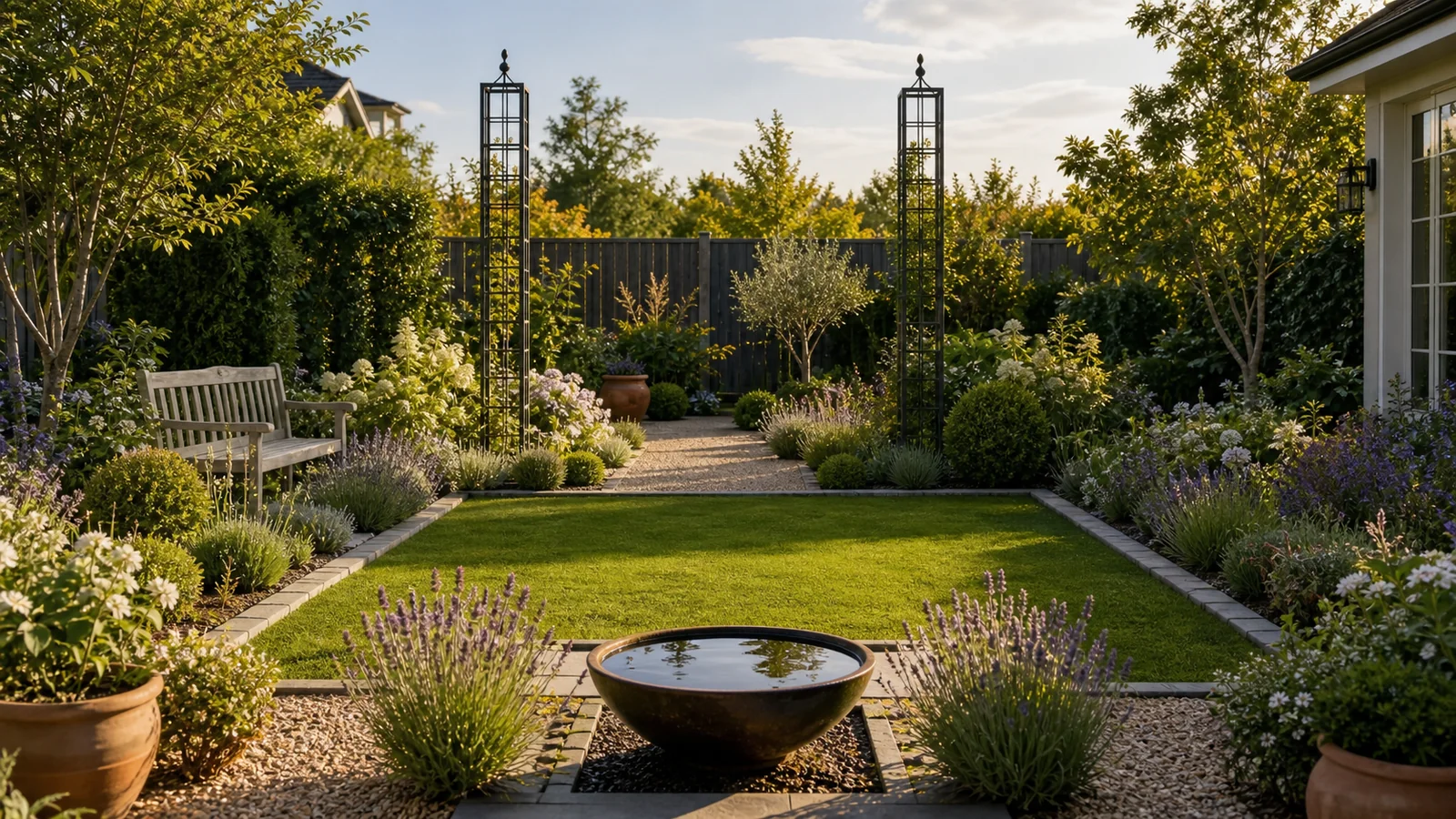
Coxhall Gardens Design Lessons For Home
Use Coxhall Gardens as a model for formal lawns, framed walks, children's corners, water views, and calm backyard structure.
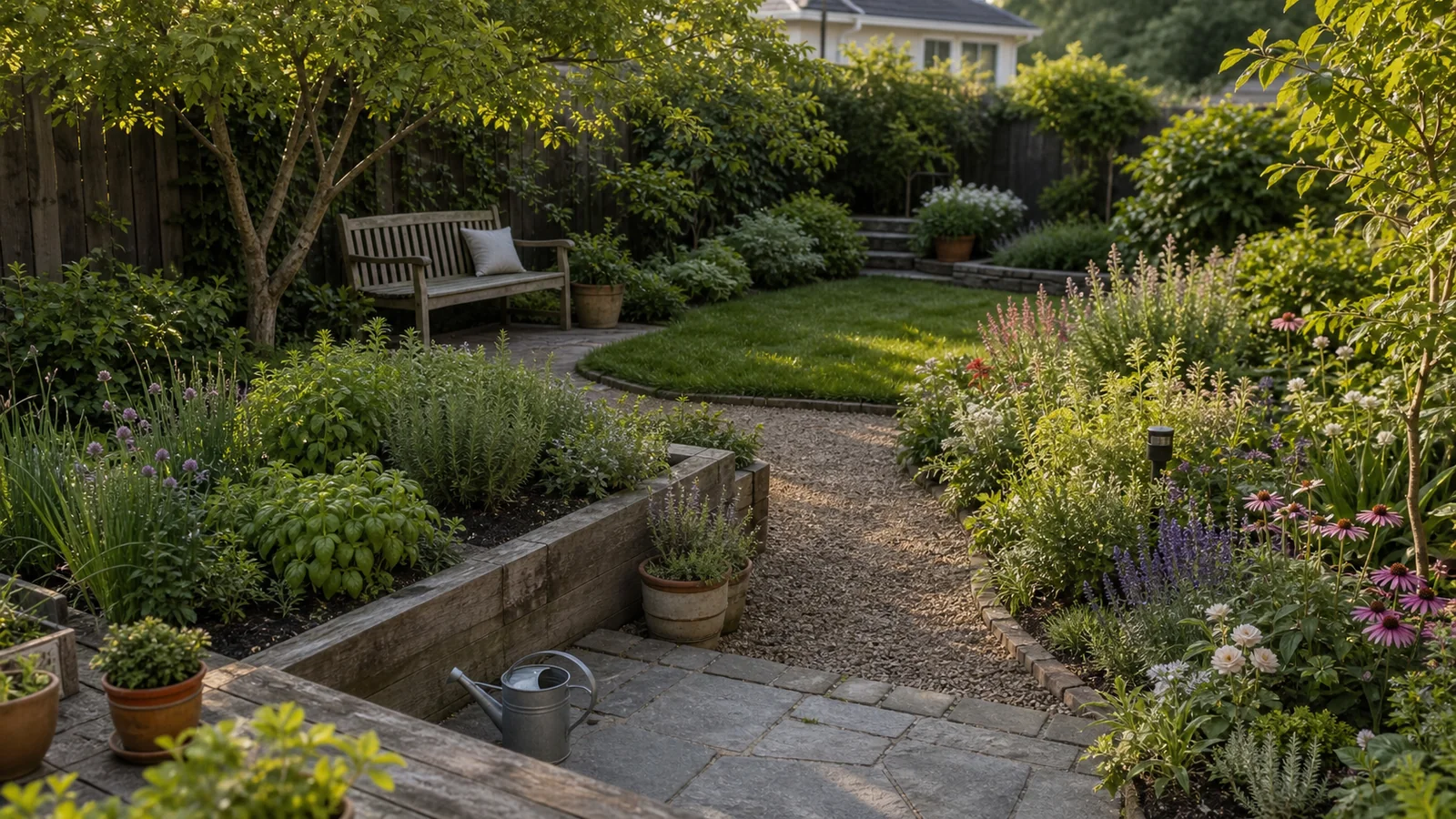
The Gardens: Make a Yard Feel Intentional
Use the gardens idea to turn scattered beds, paths, seating, and planting into a yard that feels calm, usable, and connected.
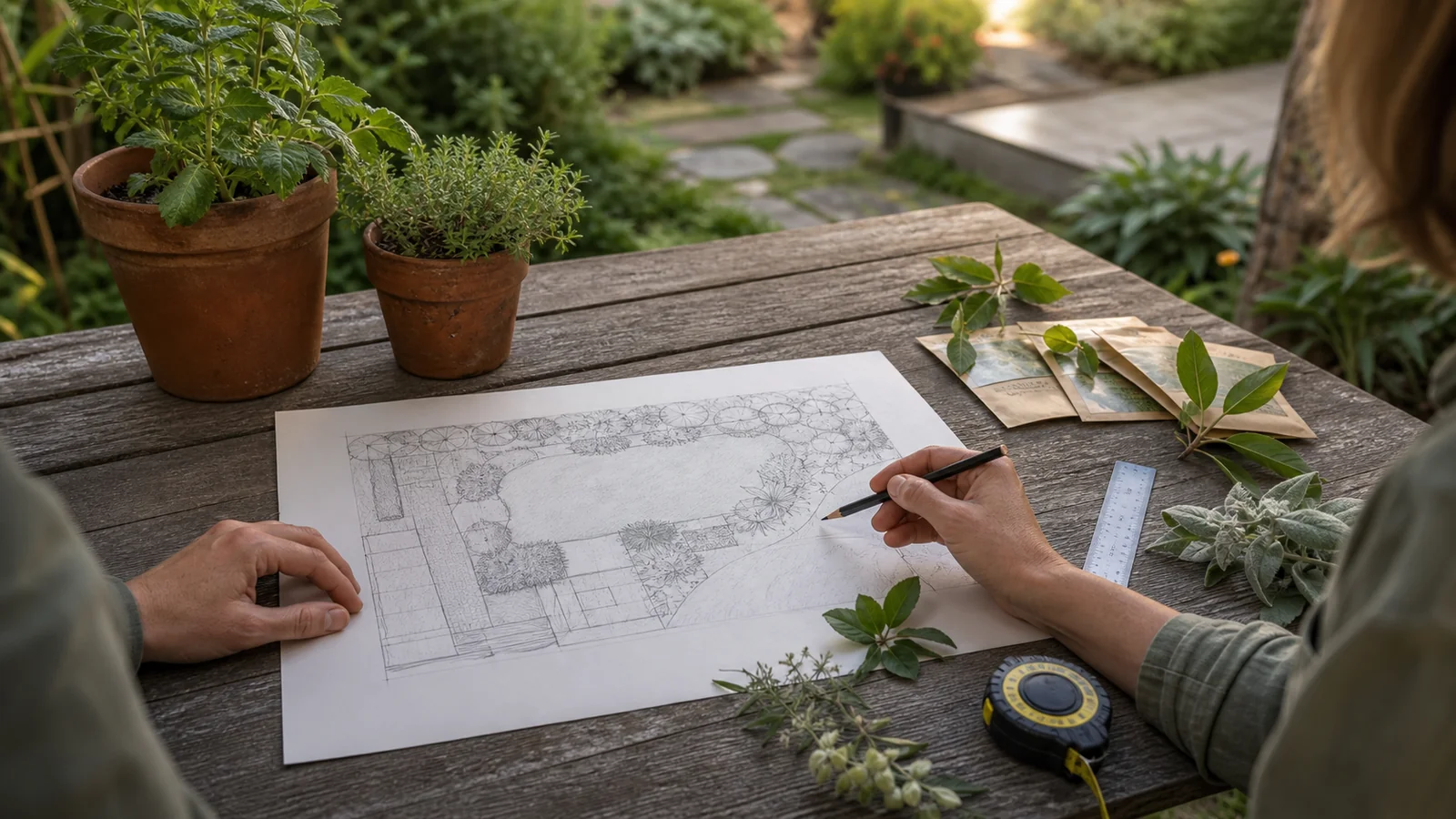
Gardening Draw: Sketch a Yard Plan That Works
Use a simple gardening draw method to map views, paths, beds, plants, and weekend changes before you start digging.