Dream Home Gardening Guide for Real Yards
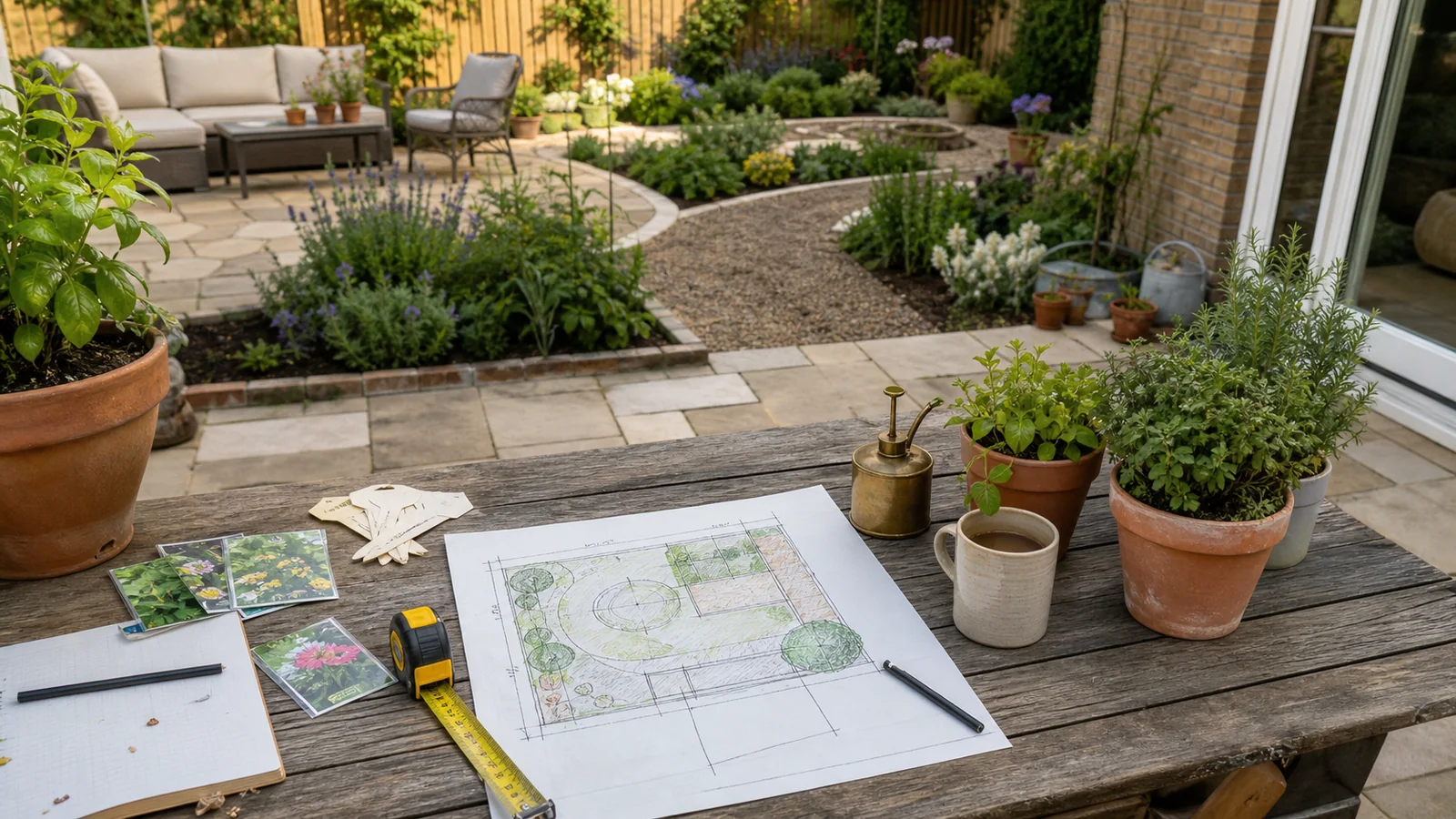
Make The Garden Part Of The Dream Home
Dream home gardening is not only about having a large lawn, a dramatic border, or a perfect patio photo. It is about making the outside of the home support the life happening inside it. The garden should improve the view from the kitchen, make the route to the door feel welcoming, give you a place to sit, and stay manageable after the first burst of enthusiasm fades.
That is a more useful goal than copying someone else’s landscape. A dream home garden for a busy family, a retired couple, a townhouse owner, and a new gardener will look different. The best plan starts with your daily routines, then turns them into outdoor choices.
Use this guide as a calm planning pass before you buy plants or start a weekend project. It will help you decide what the garden should do, where the first upgrades matter, and how to keep the design beautiful without making the yard too demanding.
Start With The Views You See Every Day
The garden has two audiences. One is outside, where people walk, sit, water, prune, and gather. The other is inside, where the garden becomes a daily view through windows and doors.
Before redesigning a bed, stand in the places where you actually look out: the kitchen sink, dining table, bedroom window, home office, front door, and patio door. Notice what your eye lands on. You may not need a full yard makeover. You may need one better focal point, a softer fence line, a clearer path, or a group of containers where the view feels bare.
Good window-view upgrades include:
- A small tree or large shrub placed where it can frame the view
- A container group near patio doors
- Evergreen structure for winter months
- A birdbath, bench, urn, or simple sculpture as a focal point
- Soft planting to hide bins, utility areas, or harsh fence panels
- Path lighting or warm patio lighting visible from indoors
This view-first method keeps spending focused. It also makes the garden feel connected to the home, rather than treated as a separate project at the edge of the property.
Divide The Yard Into Everyday Zones
A dream home garden becomes easier to plan when you stop thinking of the yard as one large space. Divide it into zones based on use.
Most homes need some mix of arrival, sitting, dining, planting, play, storage, utility, and quiet retreat. A front path may need curb appeal and clear movement. A back patio may need shade and comfortable seating. A side yard may need practical access, bins, bikes, tools, or a narrow planting strip.
Use a simple zoning table before you choose materials:
| Zone | What it needs to do | Design move that helps |
|---|---|---|
| Front entry | Welcome visitors and guide movement | Clear path, tidy edges, seasonal containers |
| Patio or deck | Support sitting, meals, and evening use | Shade, lighting, planters, comfortable circulation |
| Planting beds | Add beauty, privacy, and seasonal change | Repeated shrubs, perennials, mulch, defined edges |
| Side yard | Handle access and storage | Stepping stones, gravel, slim planters, screening |
| Quiet corner | Offer a place to pause | Bench, small tree, scent, soft foliage |
| Work area | Support potting and maintenance | Water access, tool storage, compost, durable surface |
You do not need every zone at once. The point is to name what each area should do so the design choices have a job.
Fix Flow Before You Add More Plants
Many yards feel unfinished because movement is awkward. People cut across grass, chairs block doors, hoses tangle near the patio, or the route from kitchen to dining table is too tight. Adding more plants rarely solves those problems.
Walk the garden as if you are carrying a tray, watering can, laundry basket, bag of compost, or sleeping child. Check whether paths are wide enough, gates open easily, and seating leaves room to move behind it. A dream garden should feel graceful in ordinary use.
For small gardens, flow matters even more. A narrow patio can work well if furniture is scaled correctly and containers sit where they frame the edge rather than block movement. A side path can feel intentional with gravel, stepping stones, and shade plants instead of becoming a forgotten passage.
If your yard feels cluttered, improve one route first. Define a path, widen a pinch point, move furniture, group pots, or create a clearer edge between lawn, paving, and planting.
Build A Planting Structure That Lasts
Flowers create the moment people notice, but structure creates the garden people remember. Structure comes from shrubs, small trees, hedges, grasses, evergreen plants, repeated forms, paths, edging, walls, fences, and containers.
Start with the bones of the garden before filling every gap. A few well-placed shrubs can make a bed feel calmer than a crowded mix of short-lived flowers. A small tree can provide height, shade, privacy, and a focal point. Evergreens keep the garden from feeling empty in winter.
Think in layers:
| Layer | Purpose | Examples |
|---|---|---|
| Canopy | Height, shade, and enclosure | Small trees, large shrubs, pergola planting |
| Structure | Shape through the year | Evergreens, clipped forms, repeat shrubs |
| Seasonal color | Bloom, scent, and change | Perennials, bulbs, annuals, flowering shrubs |
| Ground plane | Weed control and visual calm | Groundcovers, mulch, gravel, low edging |
| Containers | Flexible color and styling | Patio pots, entry planters, herb containers |
If you already have plants but the garden feels scattered, repeat one useful plant in several places. Repetition makes a home garden feel designed even when the plant list is modest.
Choose A Garden Style That Fits The House
The garden does not need to match the house in a literal way, but it should feel related. A cottage-style border can soften a traditional home. Clean grasses and simple paving can suit a modern house. Terracotta pots, herbs, gravel, and warm stone can bring a Mediterranean note to a sunny patio.
Look at the home’s architecture, materials, and colors. Brick, painted siding, stone, timber, metal railings, shutters, roof color, and paving all offer clues. Repeating one or two of those materials outside can make the garden feel settled.
If you are unsure, choose a restrained base and let plants bring movement. Neutral paving, simple edging, repeated containers, and a limited plant palette give you room to adjust with seasonal color.
Avoid collecting every style at once. A sleek black planter, rustic barrel, bright plastic pot, formal urn, and tropical print cushion can all be attractive separately, but together they may make the patio feel restless. Pick a direction and let it guide the next few choices.
Plan Outdoor Living Before Decorating
Outdoor living works when comfort is solved before decoration. A pretty seating area still fails if it is too hot, too exposed, too far from the door, or too awkward to clean.
Ask practical questions:
- Where is shade needed in the hottest part of the day?
- Is the seating close enough to the kitchen or grill?
- Can people pull out chairs without stepping into a bed?
- Is there a place to set drinks, tools, or a book?
- Does the area need privacy from neighbors or the street?
- Will lighting make it usable after sunset?
Once those needs are met, styling becomes easier. Add containers around the edge, repeat a cushion color in flowers, place a low lantern near the seating, or use an herb pot where scent will be noticed. Our guide to gardening as a hobby is useful if you want the outdoor space to become part of a regular routine rather than a one-time project.
Work With Your Climate And Maintenance Level
A dream garden should not require a version of you who has unlimited time. It should match your climate, water availability, soil, storage, budget, and energy.
If summers are hot and dry, choose drought-tolerant planting after establishment, mulch well, and limit thirsty containers. If winters are cold, invest in structure that looks good when perennials are dormant. If the garden is shaded, build beauty through foliage, texture, paths, and pale flowers instead of fighting for sun-loving plants.
Maintenance is a design choice. Formal hedges, high-color annual beds, large lawns, delicate containers, and fast-growing climbers can be beautiful, but they ask for steady care. Looser shrub borders, groundcovers, mulch, durable perennials, and fewer containers usually ask for less.
Be honest about your preferred garden rhythm:
| If you want… | Favor this | Be careful with |
|---|---|---|
| Low weekly care | Shrubs, mulch, groundcovers, drip irrigation | Many small pots and thirsty annuals |
| Seasonal projects | Bulbs, container refreshes, weekend edging | Permanent changes without a plan |
| A polished look | Repetition, crisp edges, evergreen forms | Too many unrelated plant varieties |
| Wildlife interest | Layered planting, flowers, seed heads, water | Overly tidy cleanup in every season |
| Outdoor entertaining | Shade, lighting, surfaces, seating flow | Planting that blocks circulation |
The right level is the one you can keep up with kindly.
Upgrade The Front Garden With Restraint
The front garden sets the tone for the home. It does not need to be elaborate, but it should feel cared for and easy to understand.
Start with the route to the door. Keep the path visible, safe, and generous enough for guests. Define bed edges, trim plants that crowd the walkway, and add lighting where arrival feels dark. A pair of containers can help, but they should be large enough to match the scale of the entry.
For planting, repeat a few reliable shrubs or perennials instead of scattering one of everything. Add seasonal color near the door where it has the most impact. In narrow front yards, low planting can make the house feel open, while one taller feature can anchor the view.
If the house facade feels flat, use planting to add depth. Layer a small tree or upright shrub, mid-height plants, and lower groundcover. This gives the front garden dimension without making it crowded.
Make One Weekend Project Count
Dream home gardening does not have to begin with a full design installation. One weekend project can shift the whole feeling of a yard if it solves the right problem.
Strong first projects include:
- Defining a messy bed edge
- Refreshing a tired patio container group
- Adding a gravel or stepping-stone path through a worn route
- Creating a small herb station near the kitchen
- Planting one focal tree or large shrub
- Screening a utility corner with trellis or planting
- Setting up a compact potting bench or tool area
- Replacing scattered small pots with three larger coordinated planters
Pick the project that changes daily use, not just the project that looks exciting at the store. If you need an approachable starting point, gardening for beginners keeps the first season small and practical.
Keep The Plan Flexible
Gardens are living spaces, so even the best plan needs room to adjust. Plants grow unevenly, shade changes, weather surprises you, and family routines shift. A flexible plan gives you structure without locking every decision too early.
Use a simple three-stage approach. First, solve access, water, and the main views. Second, add structure with trees, shrubs, paths, and seating. Third, refine with perennials, bulbs, containers, lighting, and seasonal details.
Take photos from the same spots through the year. They will show where the garden feels bare, crowded, bright, shaded, or disconnected. They also keep you from forgetting what the garden looked like in winter or early spring.
The dream home garden is not a single finish line. It is a sequence of better decisions that make the home feel more complete outside.
FAQ
How do I start planning a dream home garden?
Start with the views, routes, and outdoor zones you use most. Decide what each area should do before buying plants, then solve paths, seating, water access, and structure before adding seasonal color.
What makes a garden feel designed?
Repetition, clear edges, useful paths, layered planting, scale, and a few strong focal points make a garden feel designed. You do not need many plants; you need choices that relate to each other.
How can I make my garden look better on a small budget?
Clean edges, grouped containers, mulch, repeated plants, a clearer path, and one well-placed focal point can change the feeling of a yard without a full renovation.
Should I hire a garden designer?
A designer can help with complex sites, drainage, levels, major planting plans, or expensive hardscape decisions. For smaller updates, you can often begin with a simple plan, a focused weekend project, and local nursery advice.
Let The Outside Support The Home
Dream home gardening is most successful when it stays close to real life. The garden should make arrival feel better, views feel calmer, outdoor meals feel easier, and small maintenance visits feel worthwhile.
Start with the spaces you see and use every week. Give each zone a purpose, build structure before chasing color, and choose a maintenance level you can sustain. The result may not look like anyone else’s dream home, and that is the point. It will belong to yours.
You might also like
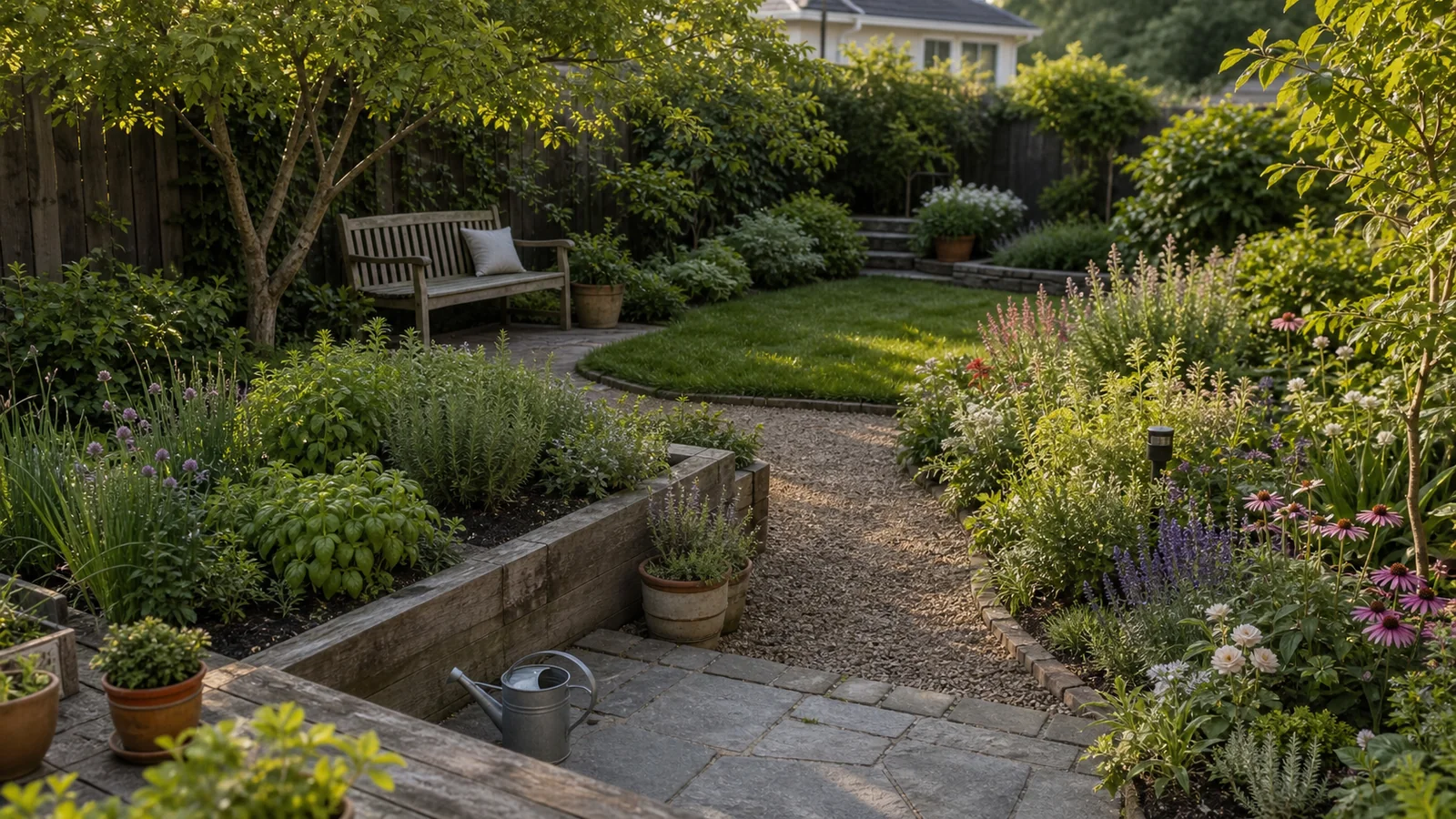
The Gardens: Make a Yard Feel Intentional
Use the gardens idea to turn scattered beds, paths, seating, and planting into a yard that feels calm, usable, and connected.
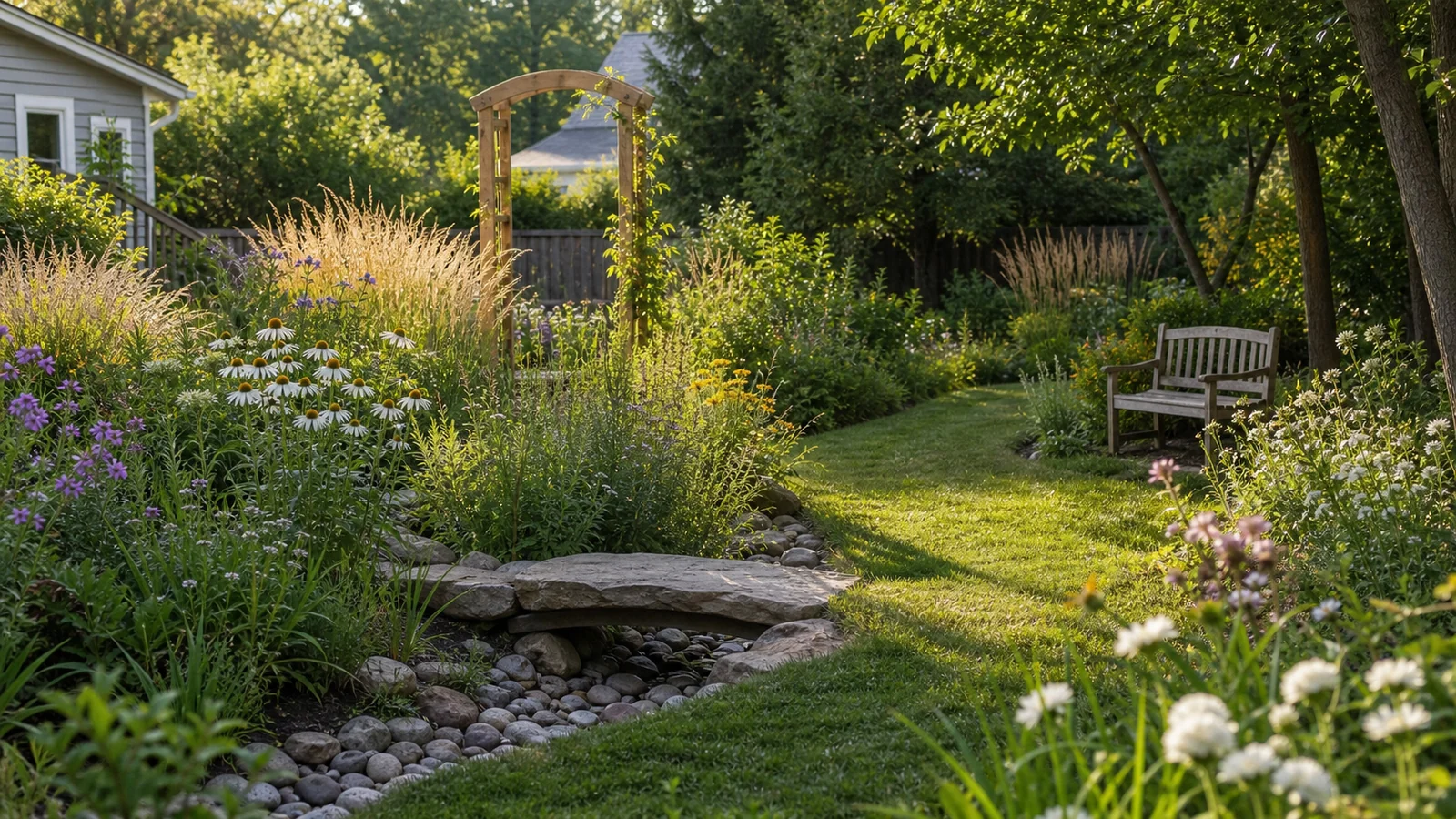
Glenwood Gardens Design Lessons for Family Yards
Borrow Glenwood Gardens ideas for meadow edges, playful paths, quiet benches, and family-friendly garden rooms at home.
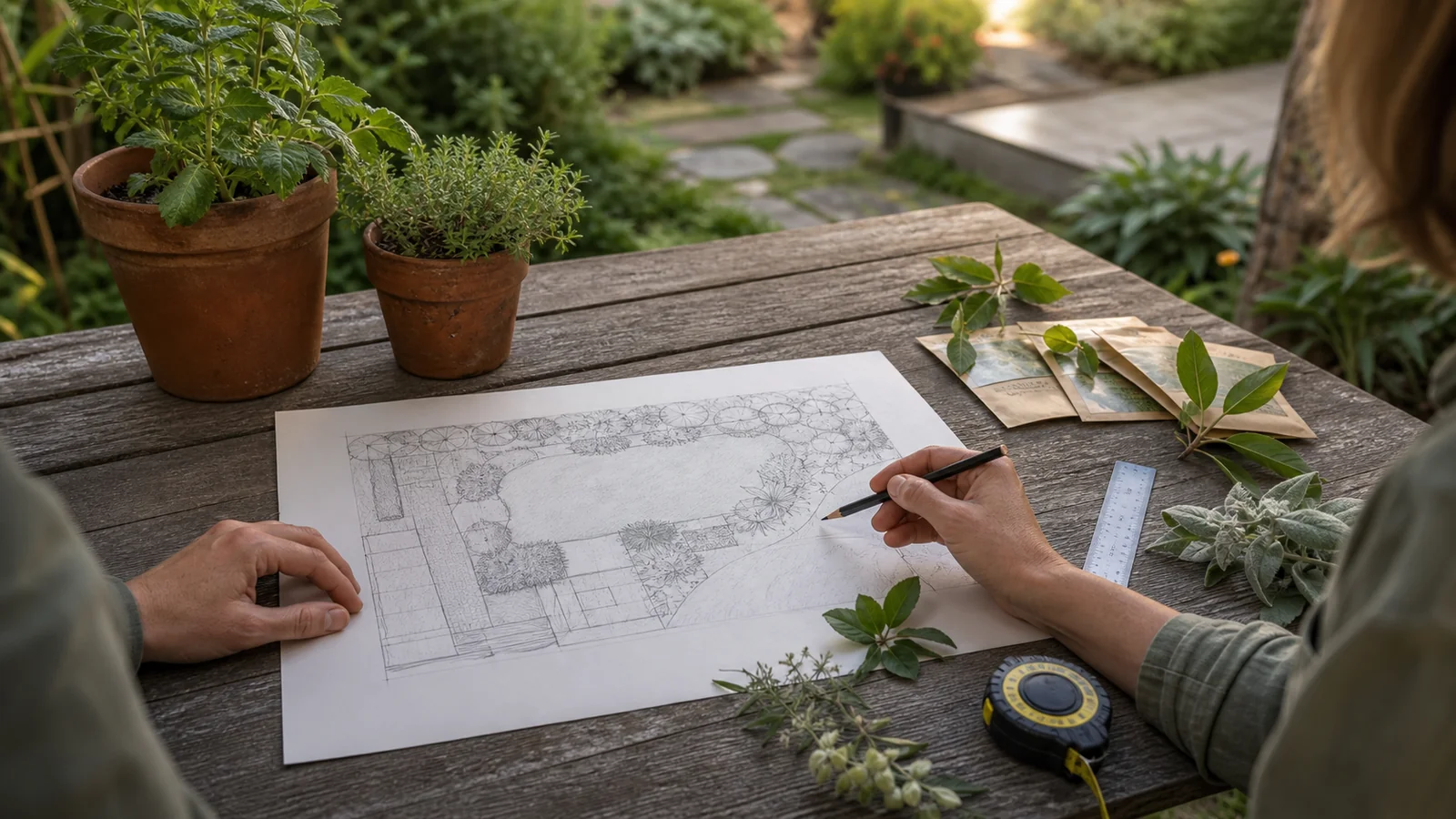
Gardening Draw: Sketch a Yard Plan That Works
Use a simple gardening draw method to map views, paths, beds, plants, and weekend changes before you start digging.