Boerner Botanical Gardens Design Lessons
Study The Garden Like A Homeowner, Not A Tourist
Boerner Botanical Gardens is known for formal garden rooms, seasonal displays, and plant collections that change from spring through fall. For a homeowner, the useful lesson is not to copy a public garden at full scale. It is to notice how the spaces guide movement, repeat plants, place focal points, and keep something interesting in bloom.
The official garden areas include spaces such as the Annual Garden, Perennial Mall, Peony Garden, Rose Garden, Rock Garden, Herb Garden, Daylily Path, Shrub Mall, Trial Garden, and Margie’s Garden. That mix is a strong reminder that a beautiful garden does not depend on one perfect bed. It depends on connected zones that each do a clear job.
Use Boerner Botanical Gardens as a reference for decisions you can actually make at home: where a path should lead, which plants deserve the most visible spot, how to carry color through the season, and where maintenance needs to stay simple.
Choose One Main Walk, Then Let Beds Support It
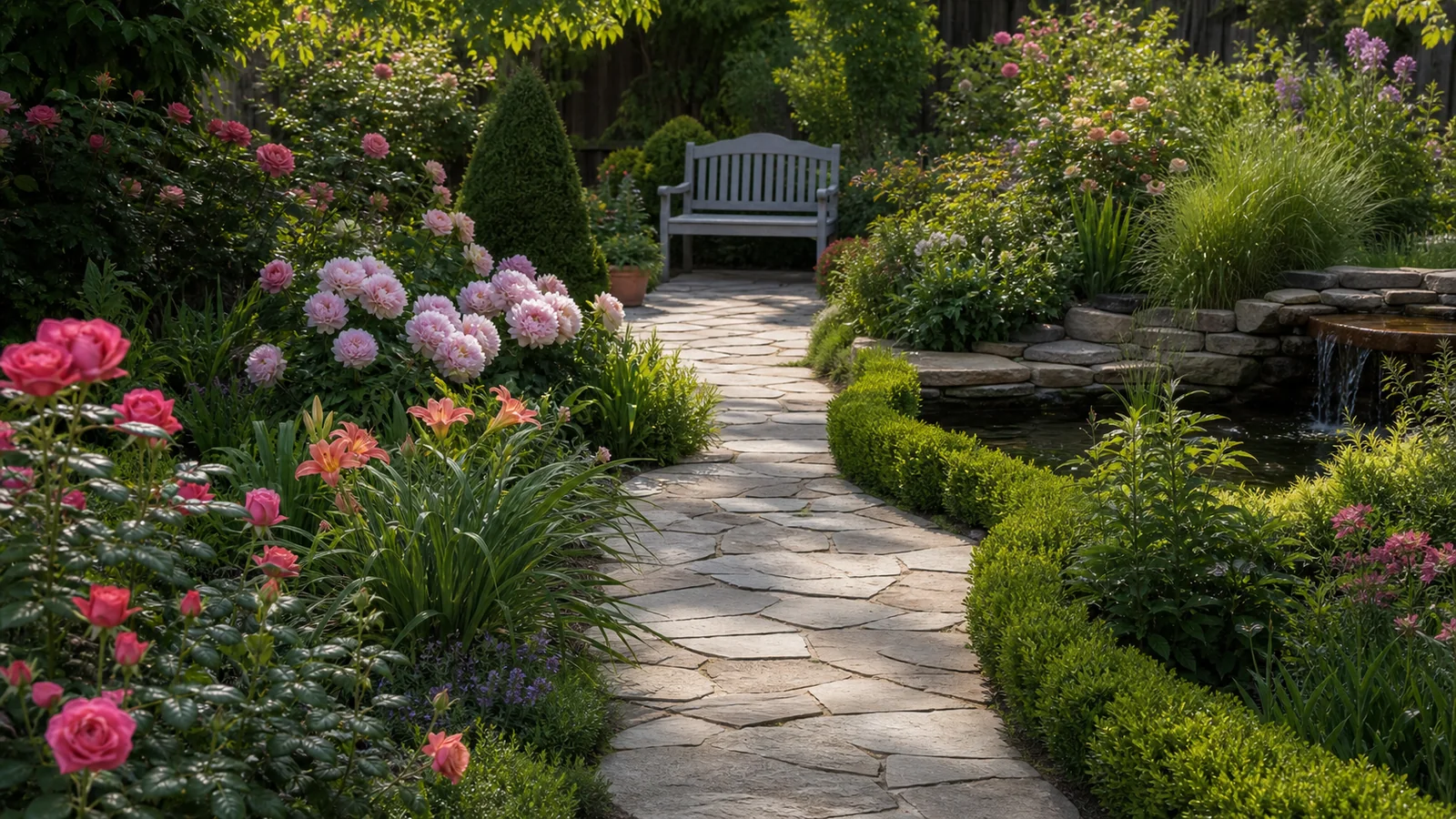
The easiest design idea to borrow from a botanical garden is the sense of arrival. Visitors move from one space to the next because paths, openings, edges, and views keep pointing them forward. In a home garden, that can be as simple as one main walk from the patio to a bench, gate, shed, raised bed, or small seating area.
Start by choosing the destination. A path that leads nowhere often feels decorative rather than useful. Once the destination is clear, shape the beds around it instead of squeezing a walkway through leftover planting space.
For a small yard, use a 30- to 36-inch path where one person needs to walk comfortably. Use 42 inches or more if two people often pass each other or if the route leads to dining furniture, a grill, or garden storage. Keep curves broad enough to mow or edge cleanly. Tight wiggles look charming on a plan but can feel awkward underfoot.
The planting should support the walk in three layers:
- Low edging plants near the path, such as compact herbs, low grasses, or tidy perennials
- Mid-height seasonal color behind the edge
- Taller shrubs, roses, ornamental grasses, or small trees toward the back
This layered structure gives the garden depth without hiding the route.
Build A Bloom Calendar Instead Of One Big Moment
Boerner Botanical Gardens can show tulips, peonies, roses, daylilies, perennials, trial plantings, and fall interest at different points in the season. A home garden needs the same idea in a smaller form. If every plant peaks in the same three weeks, the bed may look thin for the rest of the year.
Write a simple bloom calendar before you add more plants. Divide the season into early spring, late spring, early summer, high summer, late summer, and fall. Then list what already looks good in each window. The empty windows tell you what to add.
A balanced backyard bed might include:
- Spring bulbs or early perennials for the first lift of color
- Peonies, iris, or early roses for late spring structure
- Daylilies, coneflowers, salvia, nepeta, or yarrow for summer
- Ornamental grasses, asters, sedum, or seed heads for late-season texture
- Evergreens, twiggy shrubs, stone edging, or containers for winter bones
The point is not constant bloom at all costs. It is rhythm. A quiet green period can be beautiful if the garden still has shape, texture, and a place to sit.
Use A Focal Point That Earns Its Space
Public gardens often use benches, fountains, gazebos, bridges, sculpture, or framed views to slow people down. At home, one strong focal point usually works better than several small attention-grabbers.
Pick something that matches how you use the yard. A bench belongs where you would actually sit. A container grouping belongs where watering is realistic. A small water bowl, birdbath, or fountain needs a level base and safe access to cleaning. A specimen shrub should have enough room to mature without crowding the path.
Before placing the focal point, stand at the door, patio, and main window you use most. The best position may be where you see it from inside the house, not only when you are already in the garden. That is one reason botanical gardens feel composed: views are framed before you reach them.
Keep the surrounding planting calmer. If the focal point is a bench, let the nearby plants soften it rather than bury it. If the focal point is a flowering shrub, repeat quieter foliage around it so the bloom has a clear stage.
Repeat Plant Groups For A Garden That Feels Designed
One common mistake in home gardens is buying one of everything. Botanical gardens can display many varieties because they have space, staff, and a clear organizing plan. A smaller yard usually looks better with fewer plant types repeated in visible groups.
Choose three to five anchor plants that suit your light, soil, and climate. Repeat them along the path or through connected beds. The repetition does not need to be rigid. You can echo the same grass in three places, repeat a pink flower near the entry and seating area, or use the same clipped edging around two separate beds.
This is especially helpful when you like a lush, cottage-style look. Repetition keeps a generous planting from becoming visual clutter.
Try this small-yard formula:
- One evergreen or structural shrub for year-round shape
- One long-blooming perennial for reliable color
- One soft filler plant for movement
- One seasonal accent you can change
- One low edging plant to keep the bed tidy
That framework gives you variety without making every planting decision feel new.
Translate Specialty Gardens Into Everyday Zones
The named garden spaces at Boerner Botanical Gardens are useful because each one has a theme. Home gardens benefit from the same clarity, even when the zones are tiny.
A rose garden might become three disease-resistant shrub roses near a sunny path. A herb garden might become a raised trough by the kitchen door. A rock garden might become a dry, well-drained corner with gravel, thyme, sedum, and small grasses. A children’s garden might become a safe digging pot, sunflower patch, or sensory container.
The important move is to define the purpose of each zone. If a bed is for pollinators, choose plants that feed that purpose and avoid overfilling it with unrelated decorations. If a bed is for patio beauty, choose plants that look good from close range and do not drop constant mess where people sit. If a bed is for low care, skip thirsty annuals and choose durable shrubs, mulch, and repeated perennials.
Small zones also make maintenance easier. Instead of feeling responsible for the whole yard at once, you can refresh the herb corner one weekend, divide perennials another weekend, and leave the shrub border alone until pruning season.
Make The Garden Easier To Maintain Than It Looks
A public garden can be intensely maintained. A home garden needs restraint. The lesson to borrow is not the workload; it is the organization behind the beauty.
Group plants by water needs, sun exposure, and pruning habits. Keep thirsty containers close to a hose or watering can. Place thorny roses where you can reach them without leaning across other plants. Leave stepping stones or small access gaps inside wide beds so you can deadhead, weed, and divide without crushing the planting.
Mulch matters too. A clean mulch layer reduces weeds, helps soil hold moisture, and gives new plants a calmer backdrop. Edging matters for the same reason. Even a loose, naturalistic bed looks more intentional when the lawn or gravel edge is clear.
Finally, plan for editing. Botanical gardens refresh displays because plants grow, fail, and age. Your garden will do the same. Moving one perennial, widening one path curve, or replacing one fussy plant is normal design work, not a sign that the original plan failed.
A Simple Boerner-Inspired Weekend Plan
You do not need a full redesign to use these ideas. Choose one view or one bed and make it more legible.
On the first day, walk the yard and pick a destination: a chair, gate, potting bench, raised bed, or quiet corner. Clear the path to that destination. Edge it, widen it, or mark it with stepping stones if needed. Remove one plant that blocks the view or makes the route feel cramped.
On the second day, improve the planting around that route. Repeat one existing plant in two more places, add one low edging plant, and choose one seasonal gap to fill. If the bed already has enough plants, add structure instead: a simple bench, a large container, a stone edge, or a small evergreen.
The result should feel calmer before it feels fuller. That is the real design lesson. A garden inspired by Boerner Botanical Gardens should guide the eye, support the season, and make the yard easier to enjoy from the house, the path, and the seat at the end.
FAQ
Can a small backyard really use ideas from Boerner Botanical Gardens?
Yes. The useful ideas are scale-free: clear paths, repeated plants, seasonal layers, and one strong focal point. You can apply those in a narrow side yard, a patio border, or a small front walk.
Should I copy the exact plants from a botanical garden?
Not usually. Use the plant categories instead. If a peony, rose, daylily, or ornamental grass suits your climate and soil, it may work well. If it does not, choose a local alternative with a similar role.
What is the best first project for a Boerner-inspired garden?
Start with the main path or the view from your most-used door. A clearer route and a better focal point will make the whole garden feel more intentional before you add many new plants.
How do I keep a layered garden from becoming too much work?
Repeat durable plants, group them by water and light needs, and keep access points inside larger beds. A garden can look full while still being organized enough to weed, prune, and water.
You might also like
Glenwood Gardens Design Lessons for Family Yards
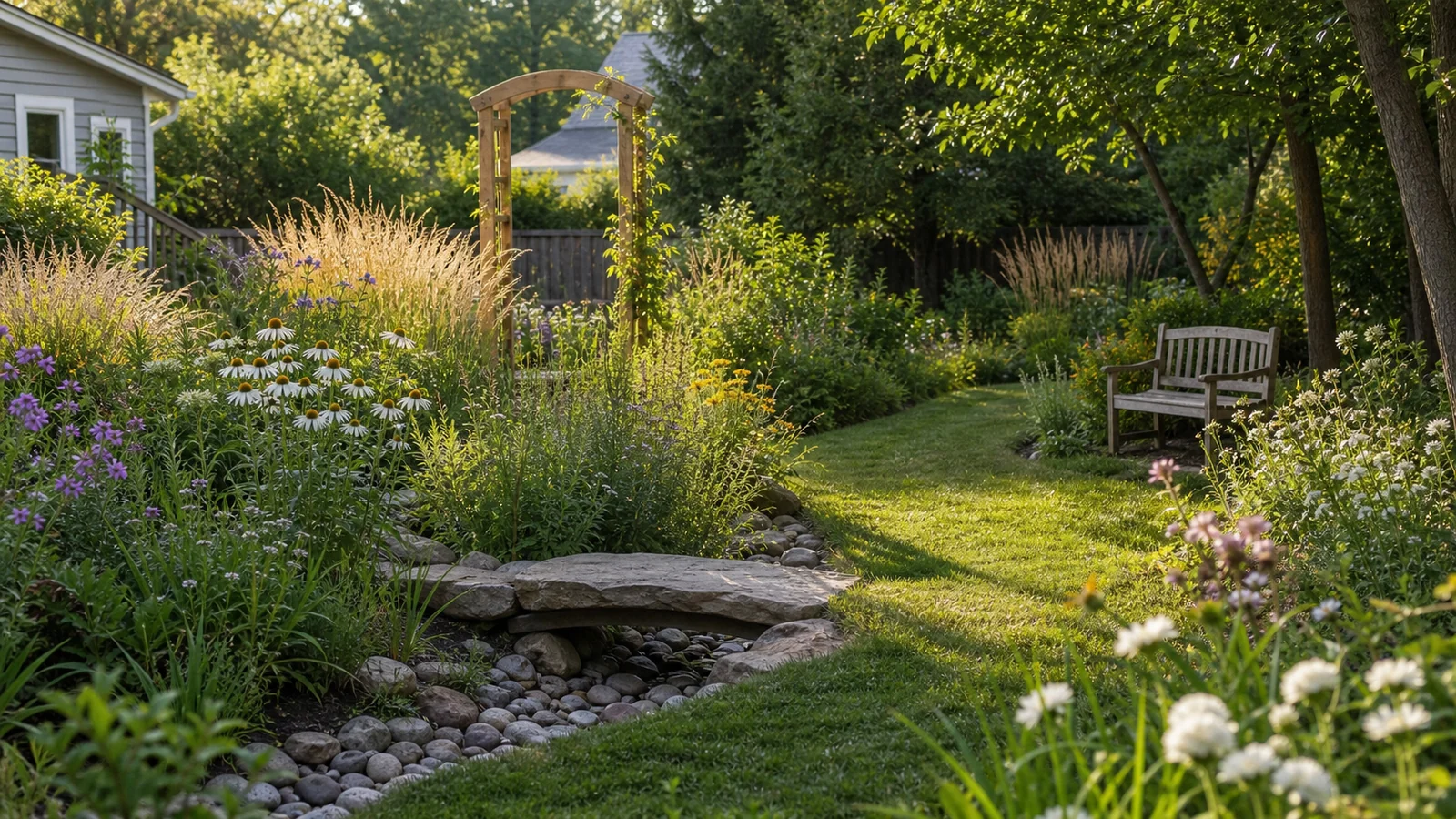
Borrow Glenwood Gardens ideas for meadow edges, playful paths, quiet benches, and family-friendly garden rooms at home.
Kanapaha Botanical Gardens Design Lessons
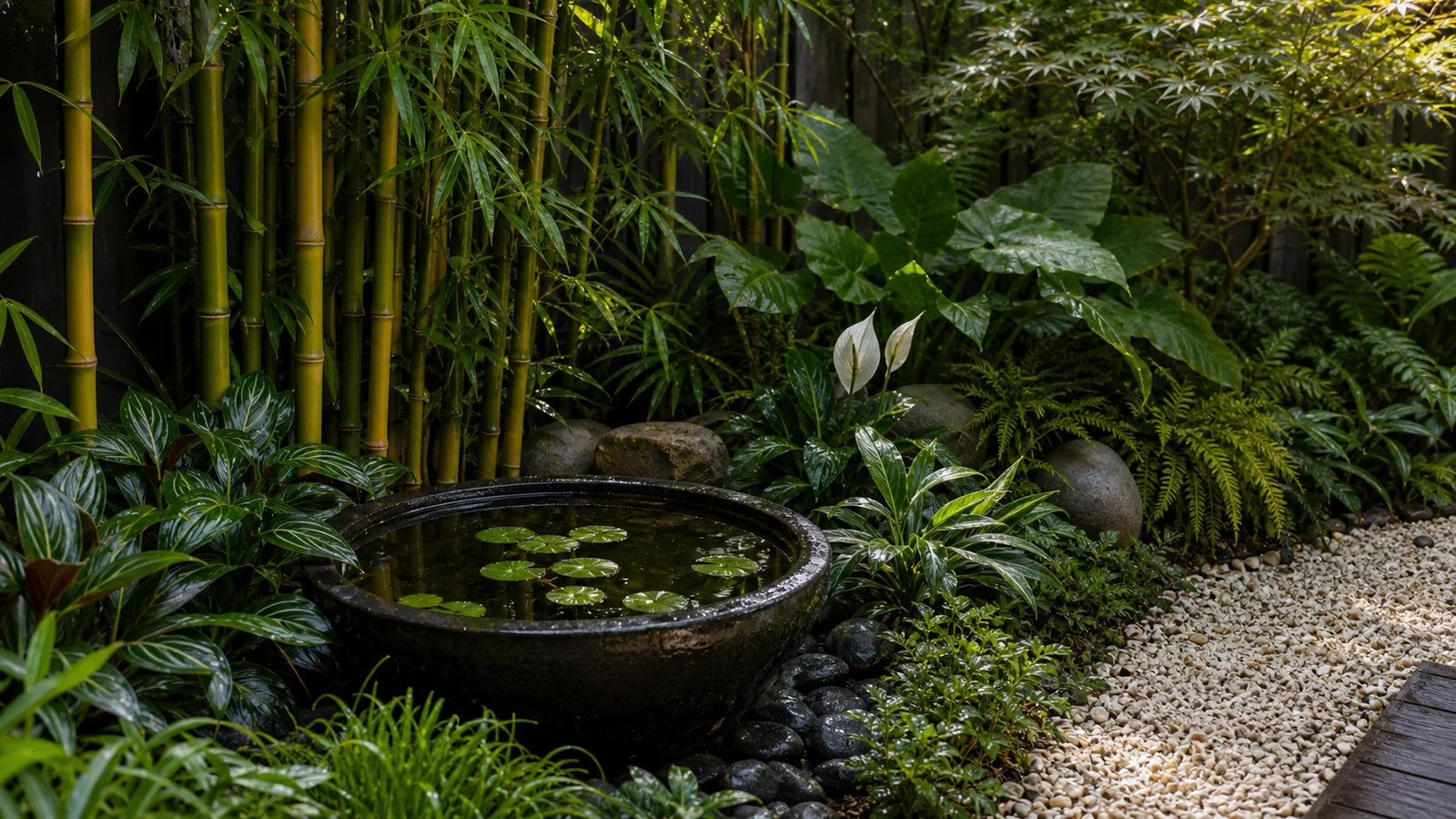
Use Kanapaha Botanical Gardens as inspiration for bamboo screens, water features, themed beds, and walkable garden rooms.
McKee Jungle Gardens Ideas for Tropical Yards
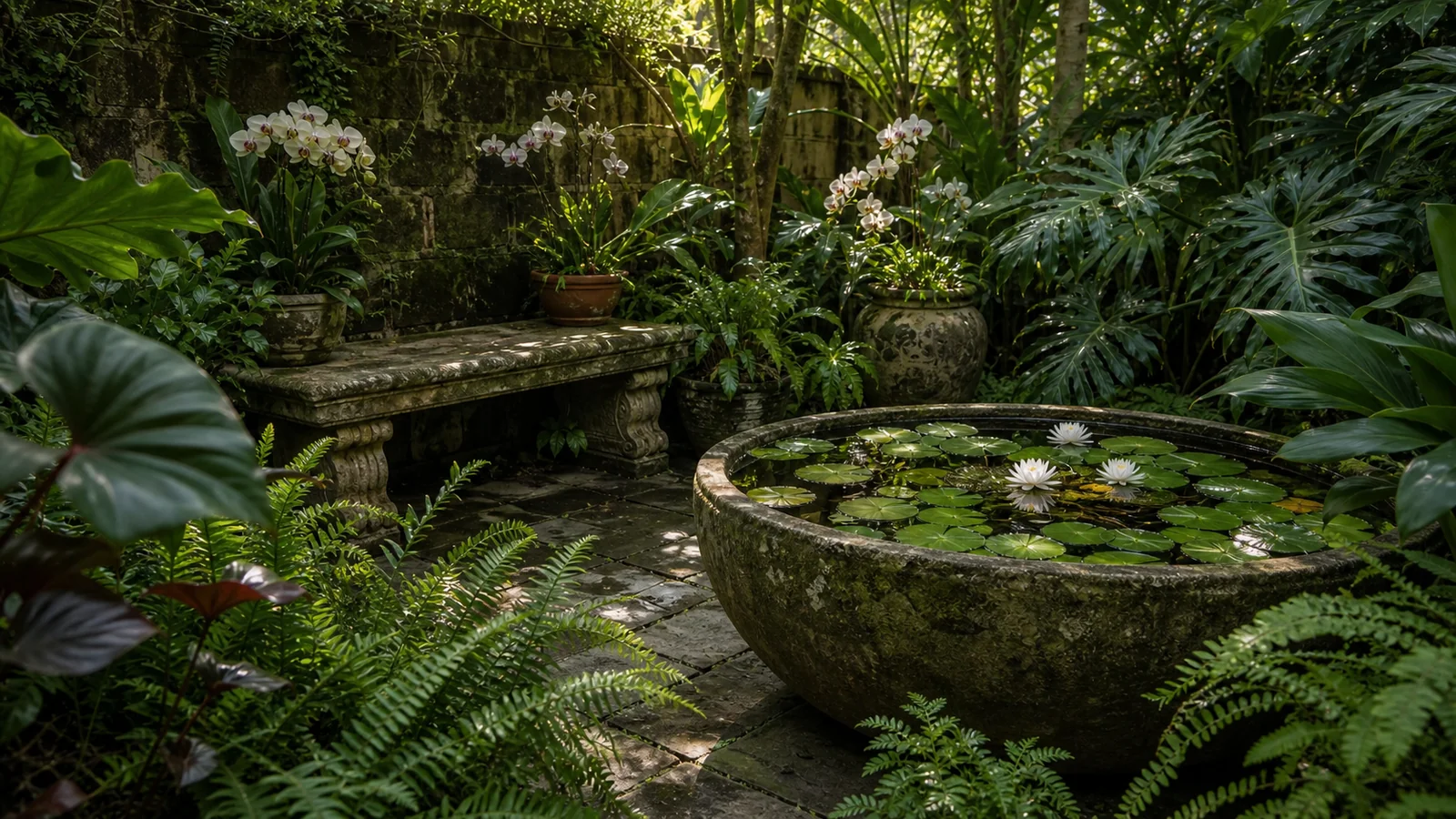
Borrow McKee Jungle Gardens ideas for shaded tropical layers, water bowls, slow paths, old-stone texture, and courtyard scale.