Bookworm Gardens Ideas for a Reading Nook
Turn A Story Garden Into A Home-Sized Corner
Bookworm Gardens is a children’s literature-inspired garden in Sheboygan, Wisconsin. Its appeal is easy to understand: books, planting, paths, and imagination all meet in one outdoor place. At home, you do not need themed structures or a large garden to borrow that idea. You need one comfortable spot where reading, small plants, and gentle discovery can happen together.
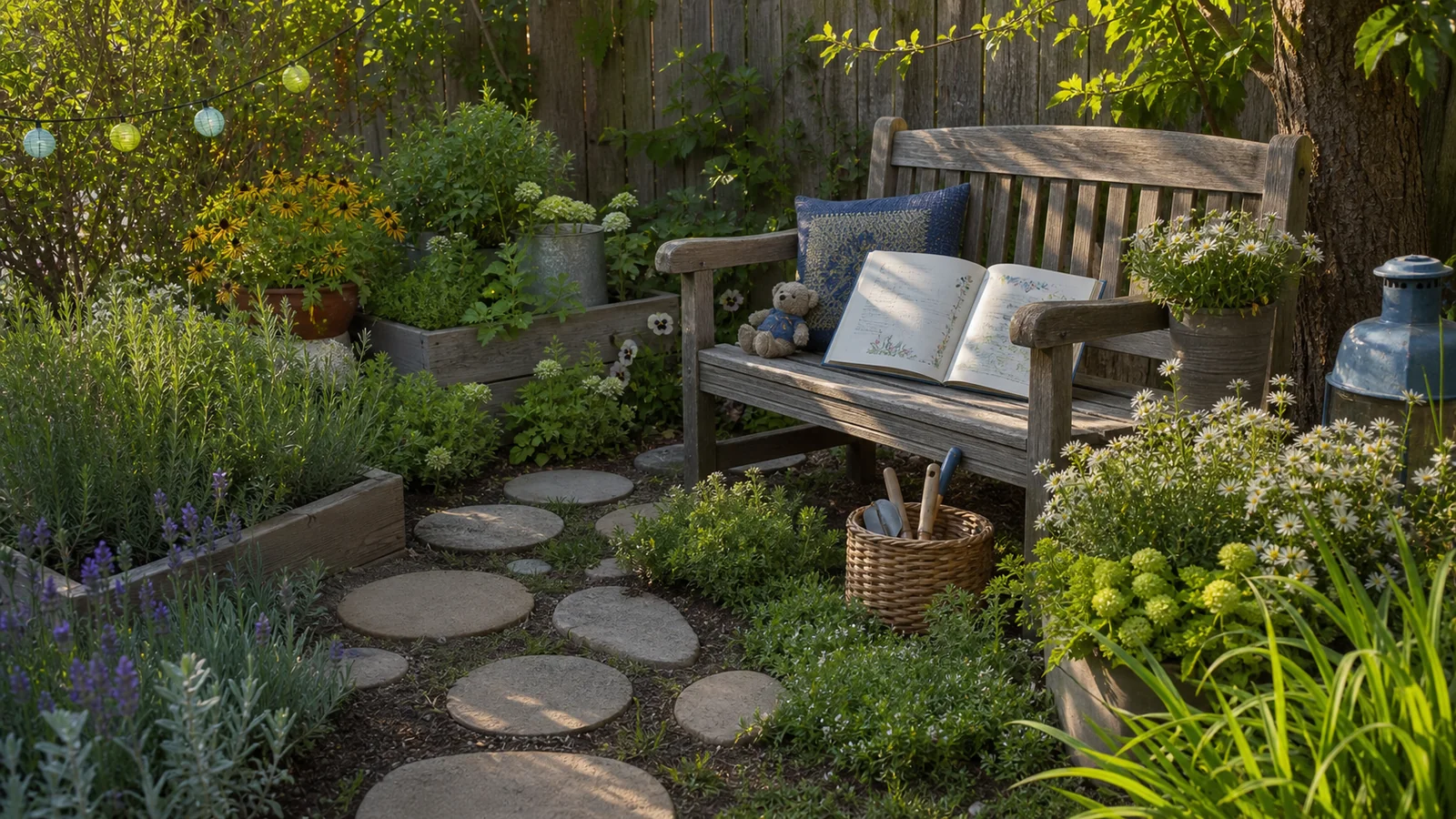
The best home version is not a miniature attraction. It is a reading nook that feels grounded in your own yard. A bench under a tree, a corner beside a fence, a patio edge, or a tucked-away side garden can become the place where a child reads, notices herbs, follows stepping stones, or helps water a planter.
Use Bookworm Gardens as the spark, then keep the project practical: safe footing, durable plants, a real seat, a little shade, and a few details that invite imagination without cluttering the yard.
Pick A Nook That Already Feels Slightly Separate
A reading garden works best when it has a small sense of enclosure. That does not mean it needs a fence or a playhouse. It can be framed by a tree canopy, a hedge, a large container, a raised bed, a trellis, or the side of a shed.
Walk your yard at the time of day when the nook would be used. A beautiful morning corner may be too hot after lunch. A shady side yard may feel calm but damp. A spot near the patio may be easiest for supervision, while a back corner may feel more magical for older children.
Look for four things:
- Partial shade or a way to add it
- A dry, level place for sitting
- A simple route from the house
- Enough room for one child and one adult to move comfortably
If the best place is small, that is fine. A reading nook can be six feet wide. The goal is a clear use, not a large footprint.
Use A Path To Make The Corner Feel Like A Destination
Story gardens often use winding paths because movement builds anticipation. A home garden can do the same with a short stepping-stone route, a mulched curve, or a narrow gravel path.
Keep the path simple and safe. Stones should sit level, with gaps short enough for small feet. Mulch should be thick enough to suppress weeds but not so deep that it becomes loose and slippery. Gravel should be contained with edging so it does not scatter into the lawn.
For a child-friendly path, avoid sharp stone edges, unstable pavers, and thorny plants along the sides. If the path curves, make the curve generous. Children will cut corners if the route feels forced, so design the walk to match how people naturally move.
The path also helps adults. It gives you a maintenance route for watering, pruning, and gathering dropped books or tools. A pretty nook is easier to keep pretty when you can reach every part of it.
Choose Plants That Invite Touch, Scent, And Seasonal Change
A reading nook should not rely only on flowers. Sensory plants make the space more memorable and give children reasons to notice the garden between pages.
Good choices include herbs, soft grasses, lamb’s ear, creeping thyme, mint in a container, lavender where winters allow, chamomile, strawberries, violas, nasturtiums, calendula, and compact ornamental grasses. Choose plants that suit your climate and light, then place the most touchable plants where they can handle gentle contact.
Avoid plants that are highly toxic, thorny, skin-irritating, or fragile. If very young children use the space, be extra cautious with berries, seed pods, and unfamiliar leaves. Plant labels can help, but supervision and plant choice matter more.
Think in layers:
- Low plants near the path for texture
- Herbs and flowers near the seat for scent and color
- Shrubs, tall grasses, or a trellis behind the seat for enclosure
- One seasonal container you can refresh when interest fades
This gives the nook movement without making it hard to care for.
Add A Seat That Belongs Outdoors
The seat is the anchor. A child-sized chair can be charming, but a shared bench is often more useful because an adult can sit nearby. Choose outdoor furniture that can handle weather, soil, and watering splashes.
Place the seat where it feels tucked in but not hidden. You should be able to see the nook from the house or patio if young children will use it. If the spot is sunny, add shade with an umbrella, small tree, pergola panel, trellis, or nearby tall planting.
Comfort matters. Add a washable outdoor cushion only if you will bring it in during wet weather. Otherwise, a smooth wooden or metal bench may be easier to maintain. Keep a small basket, lidded box, or shelf nearby for a few garden books, chalk, hand tools, or seed packets.
Do not overcrowd the bench with props. The space should still work when nothing decorative is staged.
Build The Theme With Details, Not Clutter
The most tempting part of a Bookworm Gardens-inspired project is the theme. It is also where home gardens can go wrong. Too many signs, figurines, bright objects, or mismatched decorations can make the corner feel busy.
Choose one quiet theme cue. It might be a blank outdoor chalkboard, a small library box, a painted stepping stone, a weatherproof bookmark marker, or a planter named after a favorite kind of story. Keep text minimal, and skip anything that copies a copyrighted character.
Natural materials usually age better than plastic decorations. Smooth stones, willow edging, terracotta pots, wood rounds, and simple metal plant labels can feel playful without becoming visually loud.
If you want the nook to change with the seasons, use containers. Spring violas, summer herbs, fall mums, or winter evergreen cuttings can refresh the area without redesigning the whole bed.
Make It Easy For Children To Help
A reading garden becomes more loved when children can participate. Give them jobs that are real but manageable.
They can water one container, collect fallen leaves from the path, choose a packet of easy seeds, place smooth stones along an edge, or harvest a few herbs with help. Older children can keep a simple garden journal or sketch what changes each week.
The key is to design for small routines. A watering can should be light enough to lift. Tools should have a home. Plants that need frequent care should be close to the path. If everything is too delicate, children learn to stay away. If the garden can handle a little touch, it becomes part of family life.
This is where the project fits well with other approachable yard upgrades. If you want a broader design framework, our guide to Boerner Botanical Gardens design lessons shows how public garden ideas can become home-scale paths, focal points, and planting zones.
Keep The Nook Safe And Low-Fuss
Safety is part of the design, not an afterthought. Check for wobbling pavers, splintering wood, hidden holes, sharp edging, thorny stems, standing water, and plants that should not be handled or tasted.
Use mulch or groundcover to reduce mud around the seat. Keep the path wide enough that a child carrying a book or watering can does not have to squeeze past prickly foliage. If the nook is near a water feature, gate, driveway, or steep slope, rethink the location or add a clear boundary.
Maintenance should be light. A reading nook is meant to invite slow time, not add a demanding new chore list. Choose durable plants, repeat a few varieties, and keep annuals in containers where they are easy to swap.
At the end of each season, remove tired plants, clean the seat, and decide what the nook needs next. A better shade plant, one more stepping stone, or a simpler container may do more than adding another decorative object.
FAQ
What age is best for a Bookworm Gardens-inspired reading nook?
It can work for toddlers through older children if the design changes with age. Younger children need safer plants, wider supervision, and simple textures. Older children may enjoy a more private bench, journal space, or seed project.
Do I need a large yard to make a story garden?
No. A balcony container, patio corner, side-yard bench, or small bed near the back door can work. The important pieces are a defined spot, a seat, plants to notice, and a little sense of arrival.
Which plants should I avoid near a child’s reading nook?
Avoid thorny, fragile, highly toxic, or skin-irritating plants in reach. If children may touch or taste leaves, choose familiar edible herbs or non-toxic ornamentals and confirm plant safety before planting.
How can I make the nook feel themed without copying characters?
Use story-friendly cues such as stepping stones, a reading bench, plant labels, a small book box, or seasonal containers. Keep the theme broad: adventure, woodland, herbs, color, or discovery.
You might also like
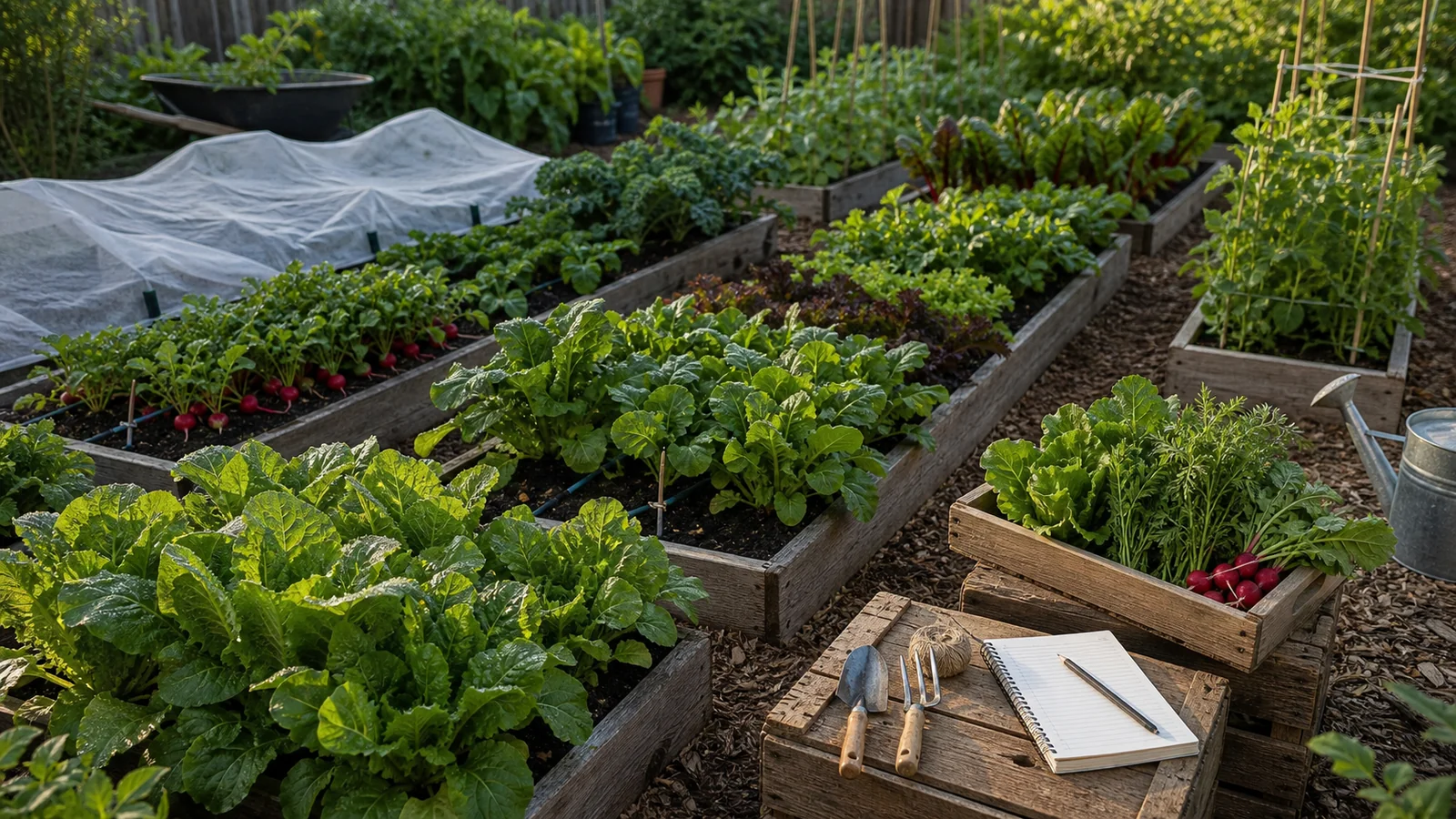
Market Gardening Lessons for Home Beds
Use market gardening principles to plan productive home beds with clear paths, soil care, succession planting, and easier harvests.
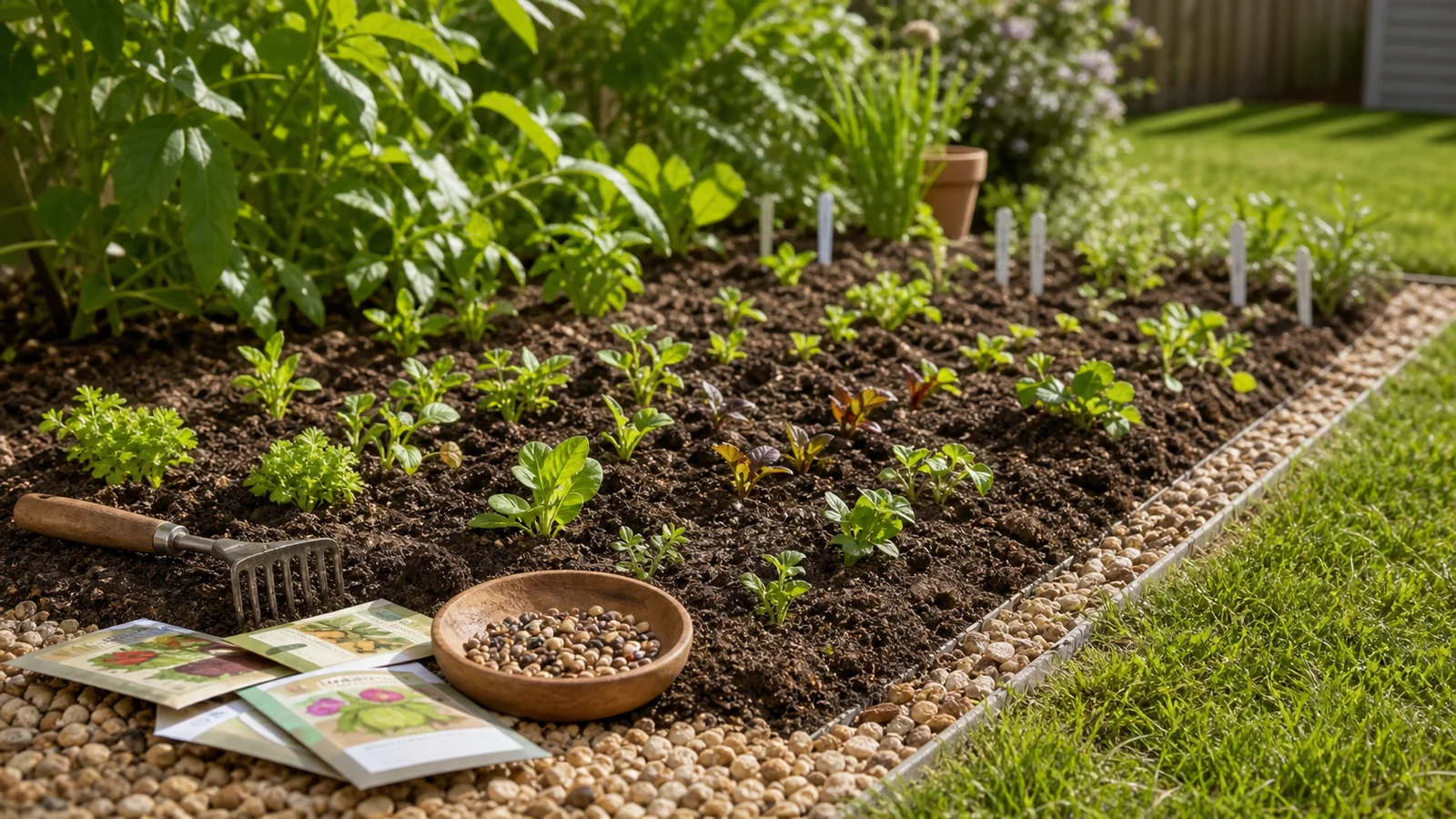
Chaos Gardening Without A Mess
Try chaos gardening with smarter seed choices, light prep, clear edges, and simple thinning so the bed feels lively, not messy.
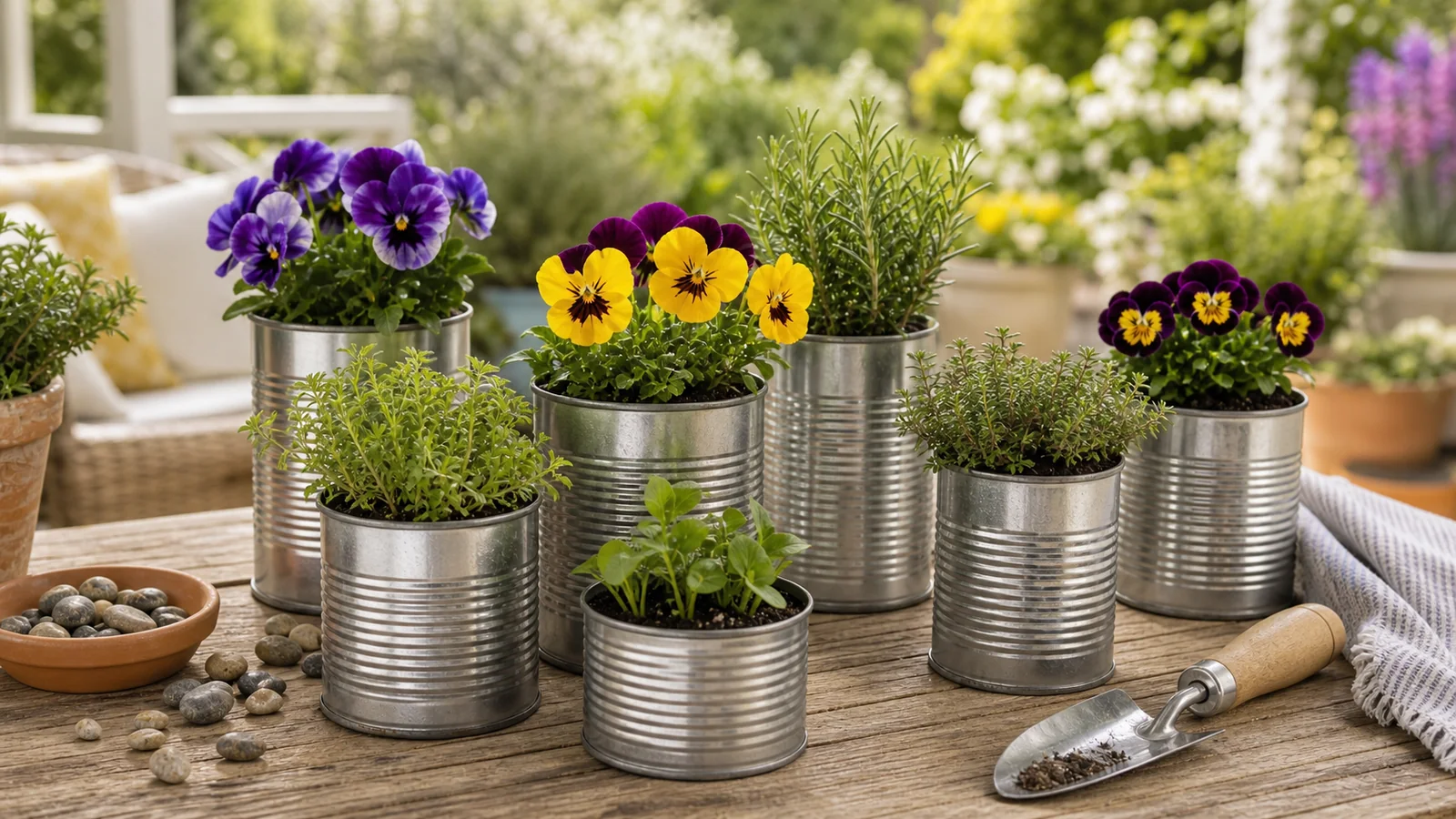
Spring Gardening Tin Cans for Small Planters
Turn spring gardening tin cans into safe small planters with smooth edges, drainage holes, potting mix, and realistic plant choices.