Parrot Mountain and Gardens Yard Ideas
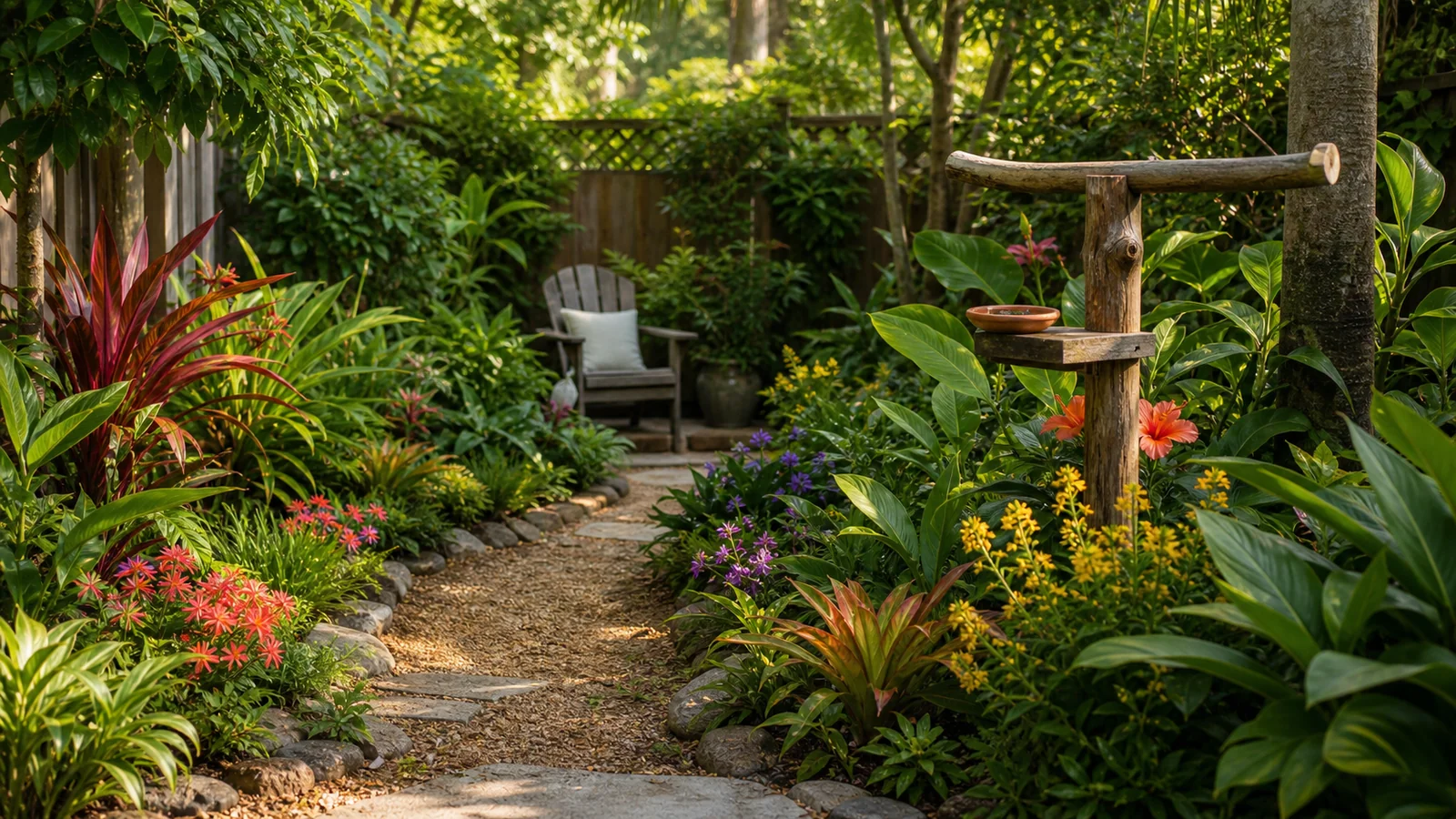
Borrow The Color Without Copying The Attraction
Parrot Mountain and Gardens is useful to home gardeners because it is not a quiet green-on-green landscape. It is built around color, movement, tropical planting, framed paths, and close-up moments with birds. At home, the lesson is not to make a theme park in the backyard. The better lesson is to give one part of the yard a livelier mood.
Start with a controlled color story. Bright gardens work best when the color is repeated and edited, not scattered everywhere. Choose two strong flower colors, one leafy backdrop, and one accent material for pots, cushions, or painted furniture.
Use the Parrot Mountain and Gardens idea as a cue for energy. A small yard can feel cheerful without becoming loud if the boldest color appears near destinations: a path turn, a chair, a water bowl, a gate, or a container group.
Make The Path Feel Like A Slow Discovery
A garden with birds, flowers, and views works because visitors do not see everything at once. The path creates pauses. In a home yard, that same idea can make a short walk from patio to gate feel more generous.
Curve the path slightly if the space allows. If the yard is narrow, use a straight path with planted pockets that appear one at a time. A container at the first turn, a flowering shrub near the middle, and a seat at the end can create a simple sequence.
Good path details include:
- A clear start from the patio or back door
- One visible destination, such as a bench or small table
- Taller foliage on one side for enclosure
- Lower plants on the other side so the path still feels open
- A repeated material, such as gravel, brick, or stepping stones
- A practical width for carrying tools and watering cans
If you are planning from scratch, sketch the route before moving soil. Our gardening draw guide can help you test whether the path makes movement easier or only adds decoration.
Build One Bird-Friendly Corner
The bird element is the obvious inspiration, but it needs a grounded home version. You do not need exotic birds or anything elaborate. A bird-friendly corner can be a planted place with cover, seedheads, clean water, and a clear view from the house.
Place it where you can enjoy it without putting birds directly beside heavy foot traffic. A corner near a window, side patio, or quiet fence line often works better than the center of the lawn.
Try this structure:
| Element | Home version | Why it helps |
|---|---|---|
| Shelter | Shrubs, small trees, or dense grasses | Gives birds cover before feeding or bathing |
| Seasonal food | Seedheads, berries, or regionally suitable native plants | Keeps the corner useful beyond one bloom season |
| Water | A shallow birdbath that is easy to clean | Adds movement and gives the corner a purpose |
| Perch | A branch, trellis, fence rail, or simple post | Creates a visible pause point |
| Safe edge | Planting away from reflective glass and hidden cats | Reduces avoidable hazards |
Keep the design tidy. A bird-friendly garden still needs edges, mulch, and access for cleaning water. If a feature is hard to maintain, it usually stops being useful.
Use Tropical Texture In A Climate-Smart Way
Parrot Mountain and Gardens has a lush feeling, but most home gardens need plants that fit local winters, heat, water limits, and soil. The goal is tropical texture, not necessarily tropical plants.
Look for big leaves, glossy foliage, upright shapes, and strong contrast. In warm climates, cannas, elephant ears, bananas, gingers, and hardy palms may be options. In cooler regions, you can get a similar mood from hostas, hardy hibiscus, castor bean grown as an annual where appropriate, ornamental grasses, dark-leaved dahlias, or large containers moved for winter.
Use texture in layers:
- Large leaves at the back or in containers
- Fine grasses or airy perennials to soften the edges
- A few bright flowers near the path
- Evergreen shrubs for off-season structure
- One dark-leaved plant to make bright blooms feel sharper
Do not fill every bed with big foliage. One lush corner is easier to maintain and more convincing than a whole yard forced into a style your climate does not support.
Our hostas for shade gardens article is useful if your version of tropical texture needs to work in shade rather than full sun.
Give Perches And Displays A Home-Scale Job
Public attractions often use perches, rails, signs, and small display points to organize attention. At home, these details can become practical garden structure. A perch can be a branch trellis for a vine, a narrow shelf for a pot, a fence rail with hanging planters, or a simple post that marks a path turn.
The key is restraint. One or two vertical details are enough. Too many posts, hooks, and ornaments can make the yard feel cluttered.
Good home-scale display ideas include:
- A cedar post with a small birdbath below it
- A trellis panel behind bright containers
- A wall shelf for herbs near the outdoor dining area
- A branch support for climbing annuals
- A painted chair used as a plant stand in a protected corner
- A low rail that separates planting from a seating area
Make sure every display has a job. It should hold a plant, frame a view, support a vine, mark a threshold, or help the space feel organized.
Add A Seating Spot Close To The Color
A colorful garden works better when there is somewhere to pause. Without a seat, the brightest part of the yard becomes something you pass by rather than a place you use.
The seat can be modest: a single chair, a small bench, a folding bistro set, or a flat-topped wall. Place it where the garden is close enough to feel immersive but not so tight that plants brush against knees and elbows.
Check these details before settling on the spot:
- Is there shade during the time you actually sit outside?
- Can you see the most colorful planting from the chair?
- Is the path firm enough after rain?
- Can you water containers without dragging a hose across the seat?
- Is there a small surface for a cup, book, or hand tools?
For an outdoor living version, repeat one color from the planting in a cushion, painted stool, or glazed pot. That small repetition helps the seating area feel connected to the garden rather than dropped into it.
Keep The Lively Garden From Feeling Busy
The risk with a Parrot Mountain and Gardens-inspired yard is visual overload. Color, birds, perches, lush foliage, containers, and seating can compete if everything has equal weight.
Use a simple hierarchy:
| Design decision | Best home choice |
|---|---|
| Main mood | Colorful and leafy |
| Main destination | One seat or bird-friendly corner |
| Main path material | One repeated surface |
| Main flower colors | Two dominant colors plus green |
| Main vertical detail | One trellis, post, or rail |
Leave some quiet space around the lively corner. Lawn, gravel, mulch, or a calm evergreen backdrop can make the bright area look intentional. Without that visual rest, even beautiful plants can feel messy.
If you like a looser planting style, our chaos gardening guide shows how to keep exuberant planting from looking accidental.
Turn It Into A Weekend Plan
Do not rebuild the whole yard around one inspiration source. Start with a small, high-impact corner.
A practical weekend plan might look like this:
- Pick the view you want to improve from the patio, kitchen window, or back door.
- Mark a short path or stepping-stone route with a hose.
- Choose two flower colors and one foliage texture.
- Add one perch, trellis, or birdbath as the focal point.
- Group three to five containers near the destination.
- Place a chair where you can enjoy the color.
- Remove anything that makes the corner hard to water, clean, or walk through.
After a few weeks, edit before adding more. If the garden feels cheerful and usable, extend the path or repeat the color in another bed. If it feels crowded, reduce the number of ornaments and let the plants carry the mood.
FAQ
Can Parrot Mountain and Gardens ideas work in a small yard?
Yes. Use the idea at corner scale: one colorful bed, one short path, one perch or birdbath, and one seat. The mood matters more than the size.
Do I need tropical plants to get the look?
No. Use tropical-looking texture instead. Large leaves, glossy foliage, tall grasses, and bold containers can create a lush feeling with plants that fit your climate.
How do I make a bird-friendly corner look designed?
Give it a clean edge, a visible focal point, and easy access for maintenance. A birdbath surrounded by shrubs, seedheads, and repeated flowers can look intentional and still support wildlife.
What colors work best for a lively garden?
Pick two strong colors and repeat them. Coral and purple, yellow and blue, or red and lime can work if green foliage and simple hardscape materials keep the palette grounded.
Let The Yard Feel Animated
The best home lesson from Parrot Mountain and Gardens is animation. A yard can have color, movement, texture, and small destinations without becoming complicated.
Choose one lively corner first. Shape the path, add foliage with presence, repeat a few bright colors, and include a place to sit or watch birds. When the details have jobs, the garden feels joyful rather than chaotic.
You might also like
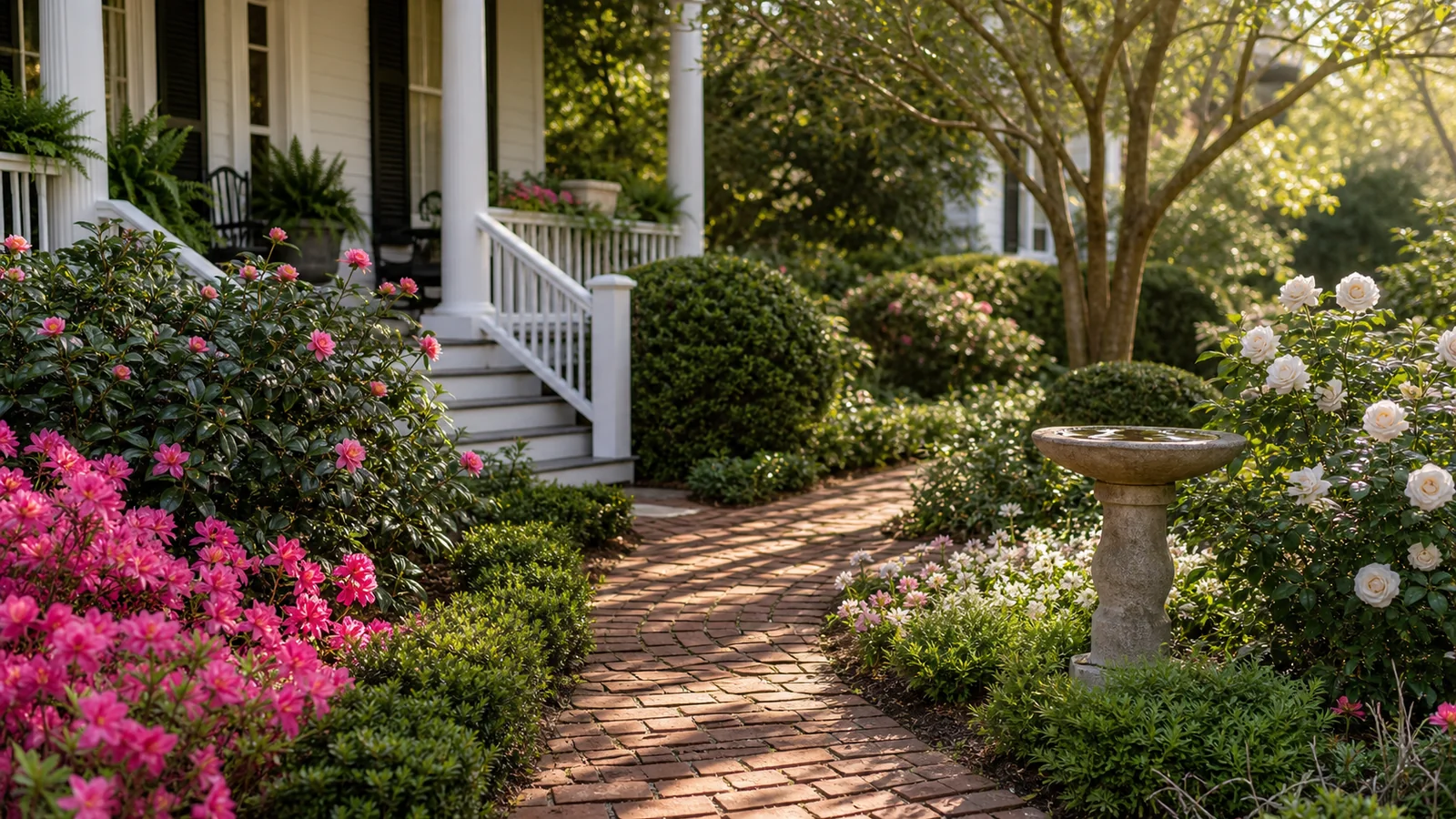
Savannah Botanical Gardens Yard Lessons
Borrow Savannah Botanical Gardens ideas for paths, roses, camellias, pond edges, and a calm historic-home garden mood.
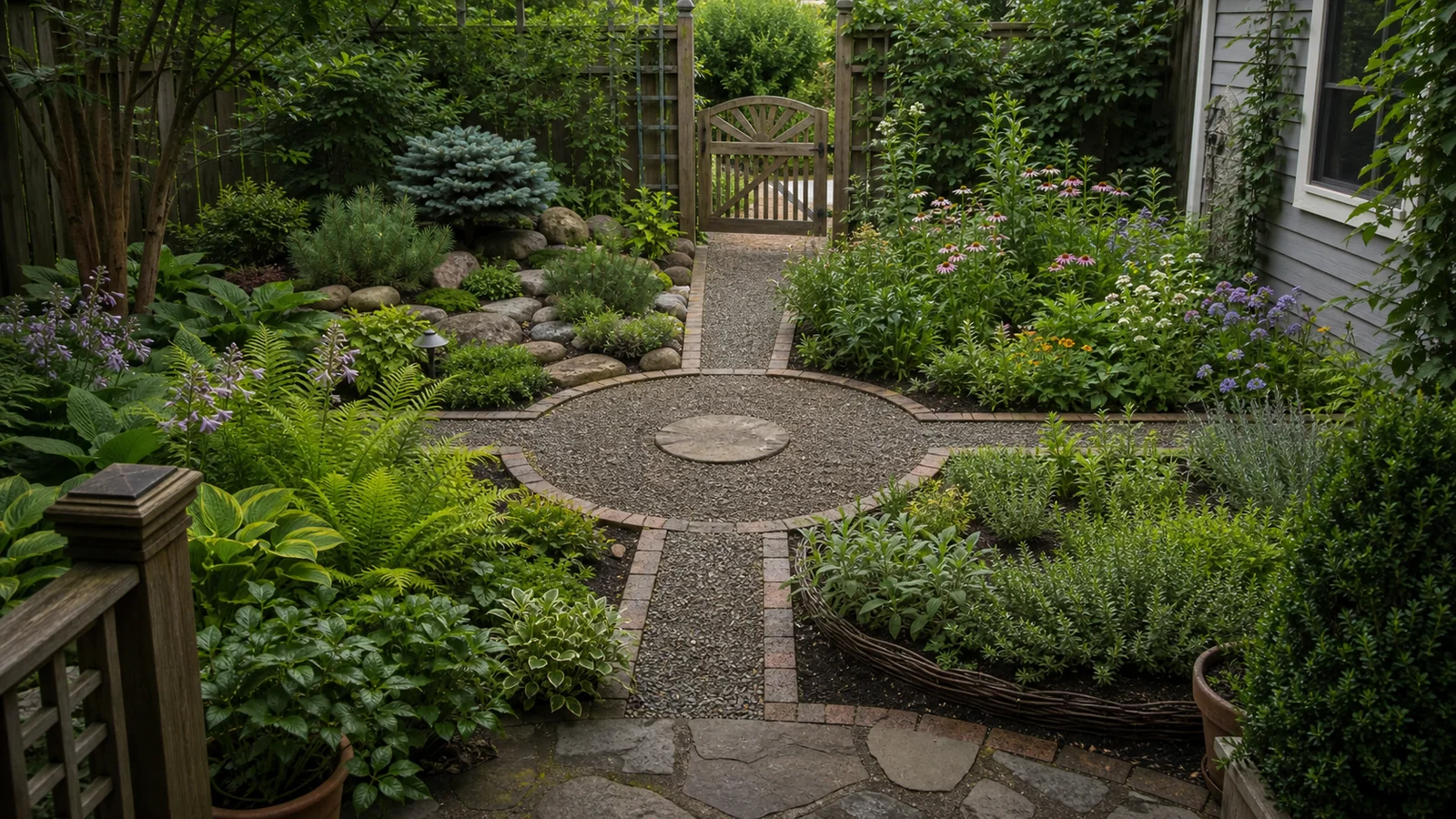
Inniswood Metro Gardens Design Ideas for Home
Use Inniswood Metro Gardens ideas to divide a small yard into shade, herbs, flowers, paths, and quiet garden rooms.
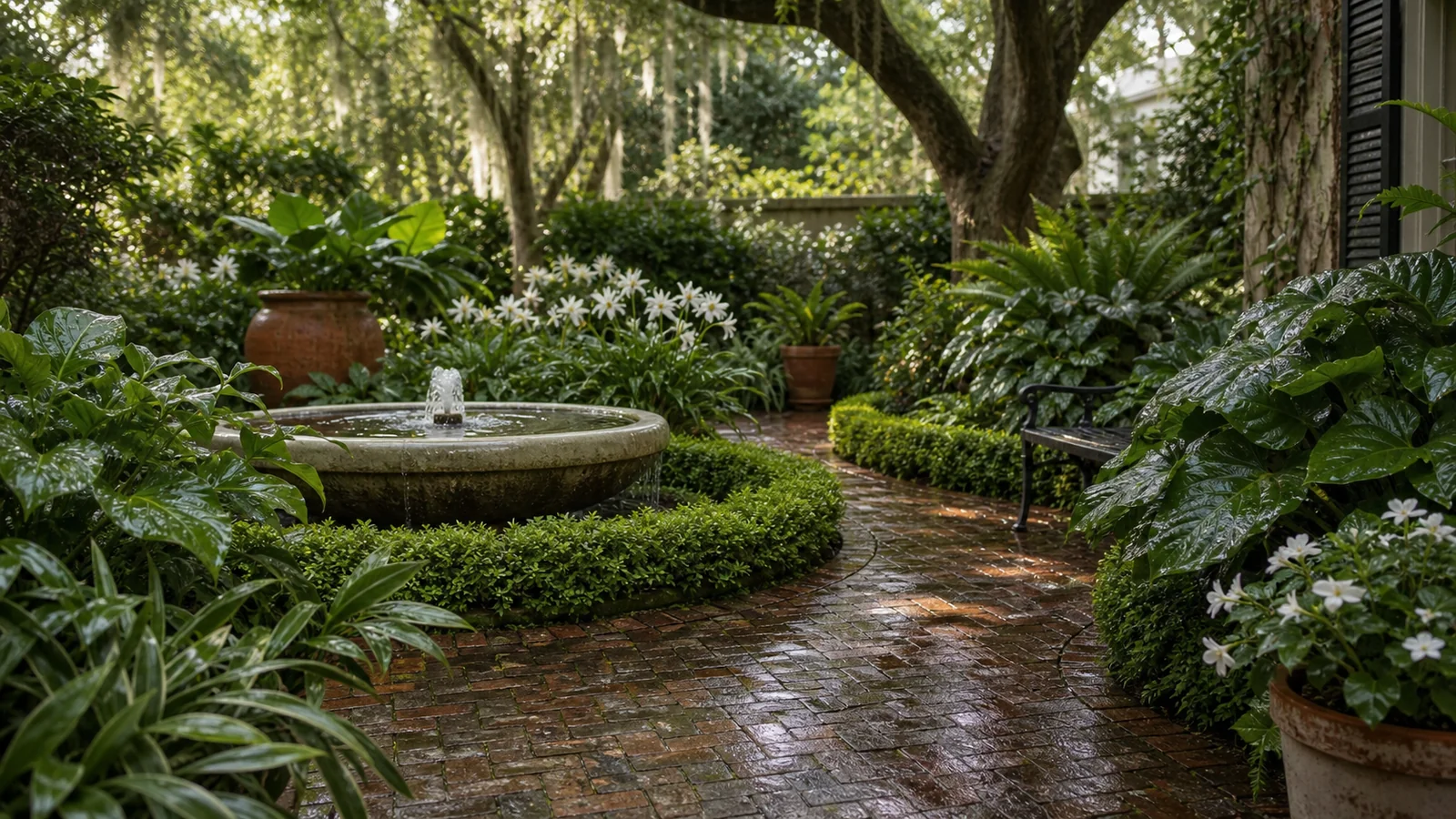
Houmas House Plantation and Gardens Ideas for Home
Borrow Houmas House Plantation and Gardens Louisiana ideas for shade, brick paths, water, and layered planting with care.