Savannah Botanical Gardens Yard Lessons
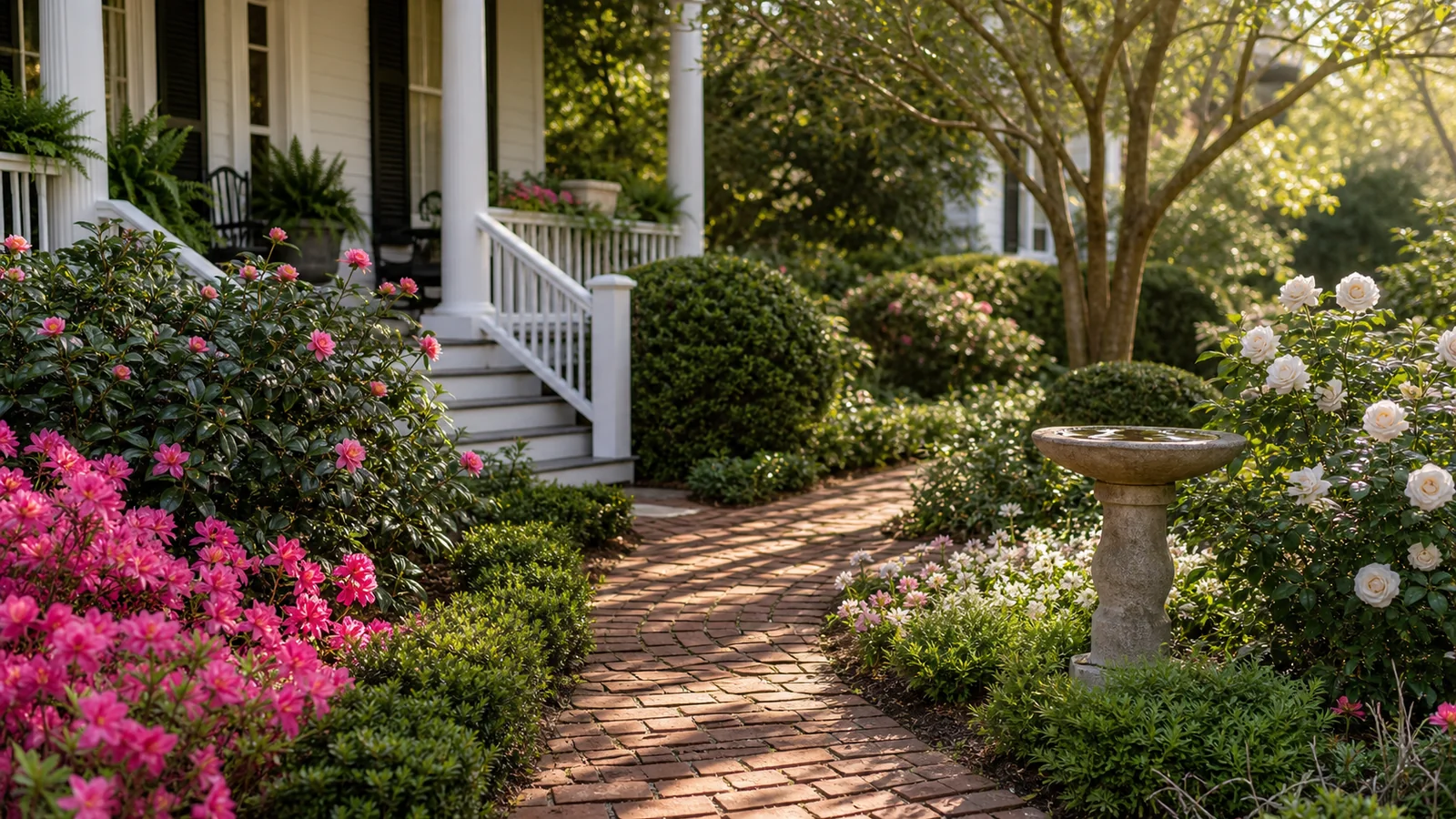
Let The Garden Feel Settled
Savannah Botanical Gardens is a good source of home-garden ideas because it has a settled, layered feeling. The Savannah, Georgia garden is associated with a historic house setting, formal garden areas, roses, camellias, azaleas, pond edges, trails, and plant collections that suit a warm Southern climate. At home, the useful lesson is not to copy every feature. It is to make the yard feel as if it belongs to the house.
Start by looking at the architecture. A porch, brick step, side gate, old tree, fence line, or simple lawn can tell you what kind of garden will feel natural.
Savannah Botanical Gardens-style thinking works best when the garden has bones: paths, edges, shrubs, seating, and a few seasonal highlights. Flowers matter, but they should sit inside a clear structure.
Start With A Walk From Door To Garden
A settled garden needs an obvious way through it. The path does not have to be grand. It simply needs to connect the house, gate, seating, and planting in a way that feels easy.
For a historic-home mood, use materials that age well. Brick, gravel, stepping stones, shell, decomposed granite, or simple concrete pavers can all work if they fit the house. Avoid mixing too many surface types in a small yard.
Good path decisions include:
- Keep the main route wide enough for two people or a wheelbarrow.
- Let secondary paths be narrower and quieter.
- Use edging so gravel or mulch does not blur into beds.
- Place a plant or pot where the path turns.
- Keep a clear view to a porch, bench, gate, or focal point.
- Choose a surface that is safe after rain.
If you are unsure where the path should go, sketch the yard from above before digging. Our gardening draw guide can help you test movement, scale, and path turns on paper first.
Use Roses As Structure, Not Just Bloom
Roses can make a Southern-style garden feel romantic, but they are easiest to live with when they have a clear role. Put them where they can be seen, reached, pruned, and given enough sun and air movement.
Think beyond a single rose bush in the lawn. Roses can frame a gate, soften a fence, edge a path, fill a small dedicated bed, or anchor a view from the porch.
Use this simple planning table:
| Rose role | Best home placement | Design note |
|---|---|---|
| Path accent | Near a path turn or entry | Keep thorns away from tight walkways |
| Fence softener | Along a sunny fence | Repeat plants for rhythm |
| Porch view | Where you can see blooms from inside | Leave pruning access |
| Small rose bed | Near a seat or birdbath | Use low edging to keep it neat |
| Mixed border | With herbs, perennials, or low shrubs | Choose companions that do not crowd canes |
Choose disease-resistant roses for your region. A plant that looks beautiful in a catalog but struggles in local humidity, cold, or heat will not give the calm effect you want.
Add Camellias Or Evergreen Anchors
Camellias are a classic part of many Southern gardens, but the broader lesson is evergreen structure. A garden that looks good only during spring bloom will feel unfinished for much of the year.
Use evergreen shrubs to hold the design together. In camellia-friendly regions, camellias can bring glossy leaves and cool-season flowers. In colder areas, use broadleaf evergreens, hollies, yews, boxwood alternatives, dwarf conifers, or regionally suitable shrubs that provide similar structure.
Place evergreen anchors where the garden needs weight:
- Beside porch steps
- At the end of a path
- Behind a rose bed
- Near a gate or fence corner
- Around a seating area
- At the edge of a winter view
Keep spacing honest. Young shrubs can look too small at first, but crowded evergreen planting becomes expensive and frustrating later. Use annuals, bulbs, or low perennials to fill gaps while shrubs mature.
Use Azaleas And Seasonal Color In Drifts
Azaleas are closely tied to the Savannah garden mood, but the design rule applies anywhere: seasonal color looks better in drifts than in isolated dots. A few repeated groups of the same color can feel calmer than many single plants competing for attention.
If azaleas fit your climate and soil, use them along a woodland edge, porch approach, fence line, or beneath high shade. If they do not fit, borrow the drift idea with plants that do: hydrangeas, spring bulbs, salvias, asters, hardy geraniums, ornamental grasses, or flowering shrubs suited to your region.
For softer seasonal color:
- Choose one main bloom color for the area.
- Repeat it in at least three spots.
- Keep foliage contrast in mind after the flowers fade.
- Pair bright bloom with quiet evergreen structure.
- Leave enough space for mature shrub size.
This is where a garden starts to feel composed. The color arrives in season, but the shrubs and paths keep the yard readable the rest of the year.
Make A Small Pond Edge Without A Pond
Savannah Botanical Gardens includes water and pond-edge atmosphere, but many homes do not need a real pond. Ponds can be wonderful, but they also bring safety, maintenance, mosquitoes, pumps, leaves, and cleaning.
If a pond is not realistic, create a pond-edge feeling with moisture-loving plants, rounded stones, a shallow birdbath, or a dark glazed bowl. The point is to introduce a cool pause in the garden.
Try one of these easier water cues:
| Inspiration | Home version |
|---|---|
| Pond edge | Curved bed with stones and ferns |
| Reflective water | Birdbath or dark ceramic bowl |
| Damp garden mood | Sedges, iris, ferns, or moisture-tolerant plants |
| Bridge or crossing | Two stepping stones through a planted edge |
| Wildlife pause | Clean water dish near cover, away from heavy traffic |
Use water only where you can maintain it. A dry, well-designed stone edge is better than a neglected water feature.
Blend Formal And Natural Areas
One reason botanical gardens feel rich is contrast. Formal beds and natural trails can sit near each other if paths and plant repetition connect them. The home version might be a tidy porch garden leading to a looser side-yard planting.
Set up the contrast deliberately:
- Keep the area closest to the house more ordered.
- Let the far edge or fence line be softer.
- Repeat one shrub, flower color, or path material in both areas.
- Use a bench, pot, or birdbath as a transition point.
- Keep invasive or self-seeding plants out of loose areas.
This approach works especially well for families who want beauty near the house and a more relaxed wildlife or shade area farther back.
For another public-garden example of gentle movement and family-friendly discovery, see our Glenwood Gardens design lessons.
Keep The Historic Mood From Feeling Stiff
A historic-garden mood can become too formal if every line is rigid and every plant is clipped. The goal is calm, not museum-like perfection.
Soften the structure with living texture:
- Let perennials lean slightly over edging.
- Use herbs or low flowers near steps.
- Place one informal pot group near the porch.
- Allow shrubs to keep a natural shape where space allows.
- Mix roses with companion plants instead of leaving bare soil.
- Add a chair or bench so the garden feels used.
The garden should feel cared for and livable. A little softness makes the path, porch, and shrubs more welcoming.
Turn It Into A Weekend Yard Project
Start with one visible area: the porch approach, side gate, back steps, or a path from patio to lawn. Give that area a clear structure before buying many plants.
A weekend version might include:
- Mark the main path or bed edge with a hose.
- Choose one long-lasting surface, such as gravel or brick.
- Add one evergreen anchor near the house.
- Plant a small rose, flowering shrub, or seasonal color drift where sun allows.
- Place a birdbath, pot, or bench at the path turn.
- Mulch cleanly and leave room to maintain the plants.
- Repeat one material or flower color in another nearby spot.
If the first area feels right, extend the same language slowly. A settled garden is usually built in layers, not in one intense weekend.
FAQ
Can Savannah Botanical Gardens ideas work outside the South?
Yes. Borrow the structure: paths, evergreen anchors, seasonal color drifts, and a calm relationship to the house. Use plants that fit your climate instead of forcing Southern species.
What plants give a Southern garden feeling?
Camellias, azaleas, roses, hydrangeas, ferns, magnolias, and evergreen shrubs can all contribute where they grow well. In other regions, choose plants with similar roles: glossy leaves, seasonal bloom, shade texture, and strong structure.
Do I need a formal garden layout?
No. A simple path, clear edging, a few shrubs, and one focal point can create enough order. The rest of the planting can stay relaxed if the main structure is readable.
What is the easiest first project?
Improve the walk from the door to the garden. A cleaner path, one evergreen anchor, and a seasonal planting drift can change the whole mood without rebuilding the yard.
Make The Garden Belong To The House
Savannah Botanical Gardens yard lessons are really about belonging. The garden should feel connected to the porch, paths, shade, and climate around it.
Start with structure, then add roses, camellias or evergreen anchors, seasonal color, and one water cue if it makes sense. When the materials repeat and the plants fit the site, a normal yard can feel calm, rooted, and gracious.
You might also like
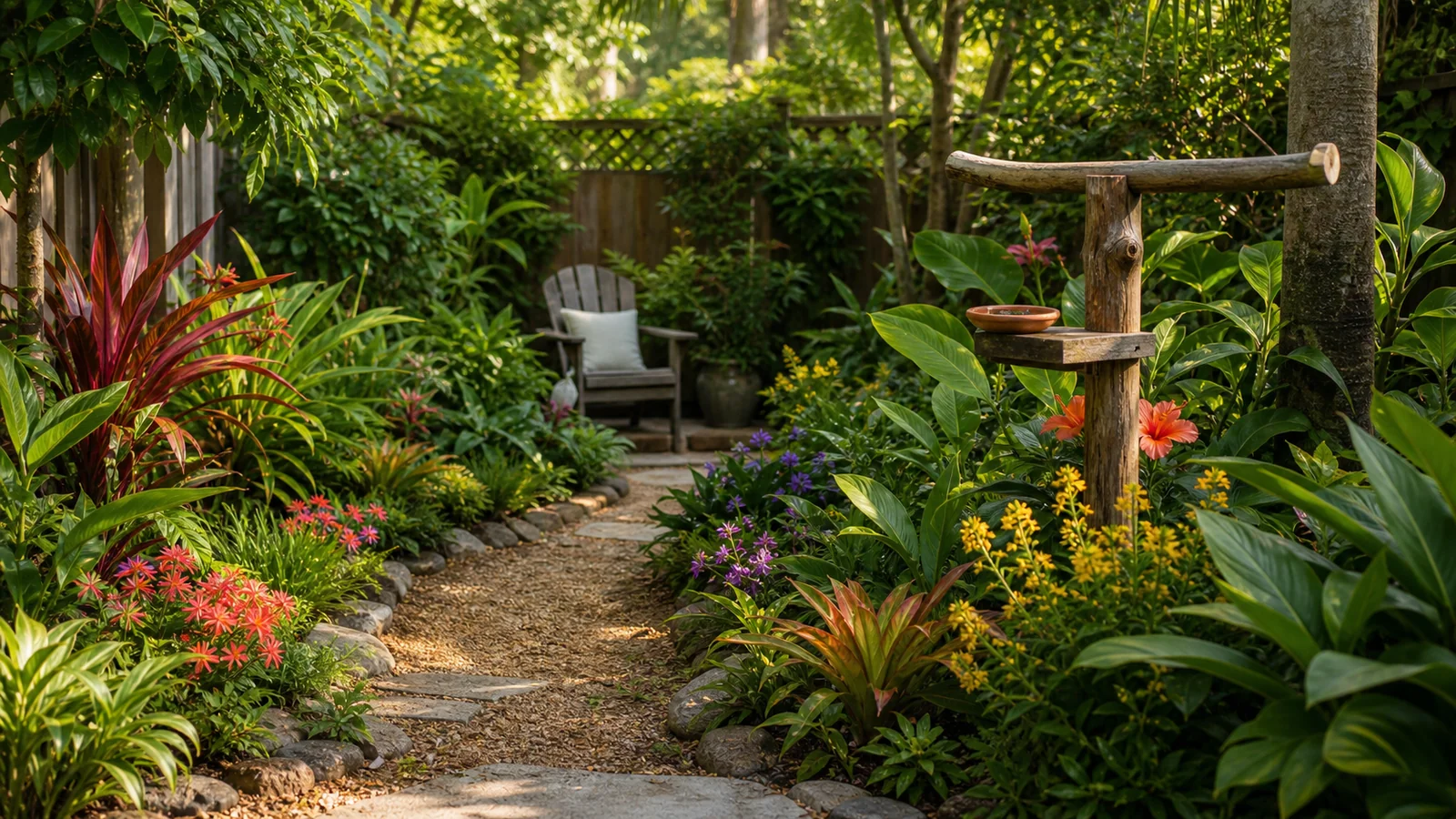
Parrot Mountain and Gardens Yard Ideas
Use Parrot Mountain and Gardens as a guide for color, paths, perches, shade, and seating in a lively home yard.
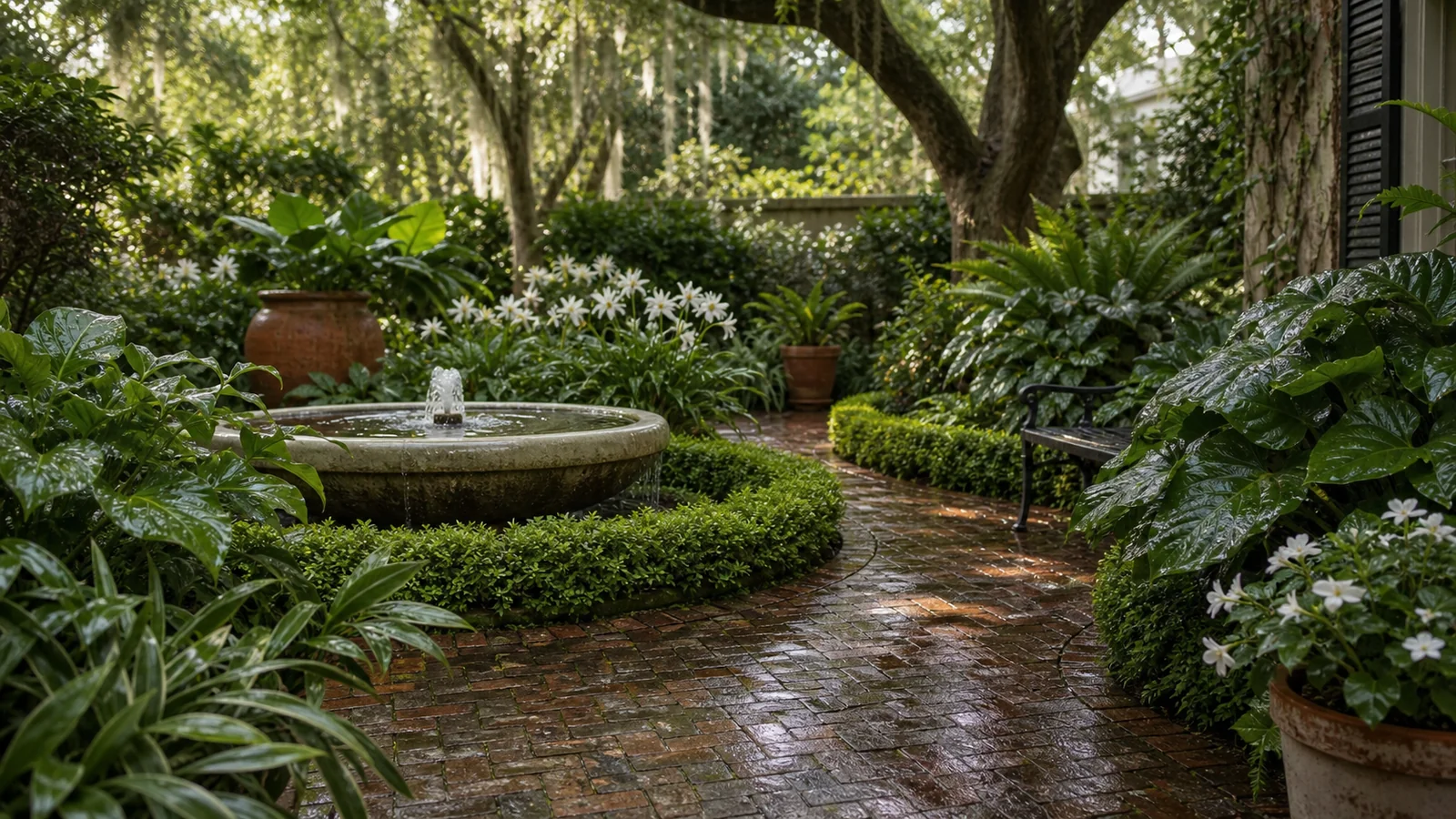
Houmas House Plantation and Gardens Ideas for Home
Borrow Houmas House Plantation and Gardens Louisiana ideas for shade, brick paths, water, and layered planting with care.
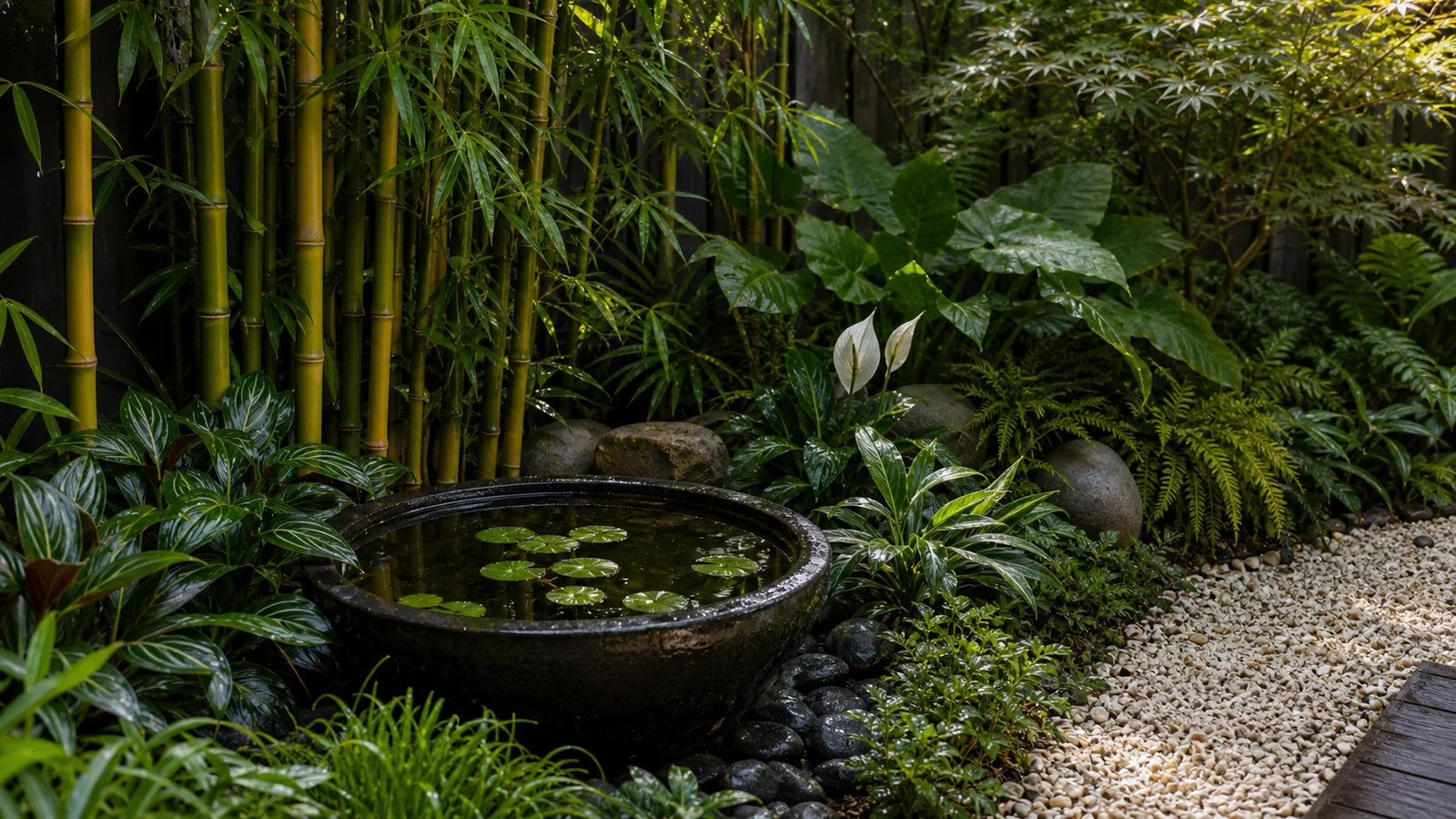
Kanapaha Botanical Gardens Design Lessons
Use Kanapaha Botanical Gardens as inspiration for bamboo screens, water features, themed beds, and walkable garden rooms.