Natura Gardens Ideas for Shared Courtyards
Treat Natura Gardens As A Shared-Green-Space Cue
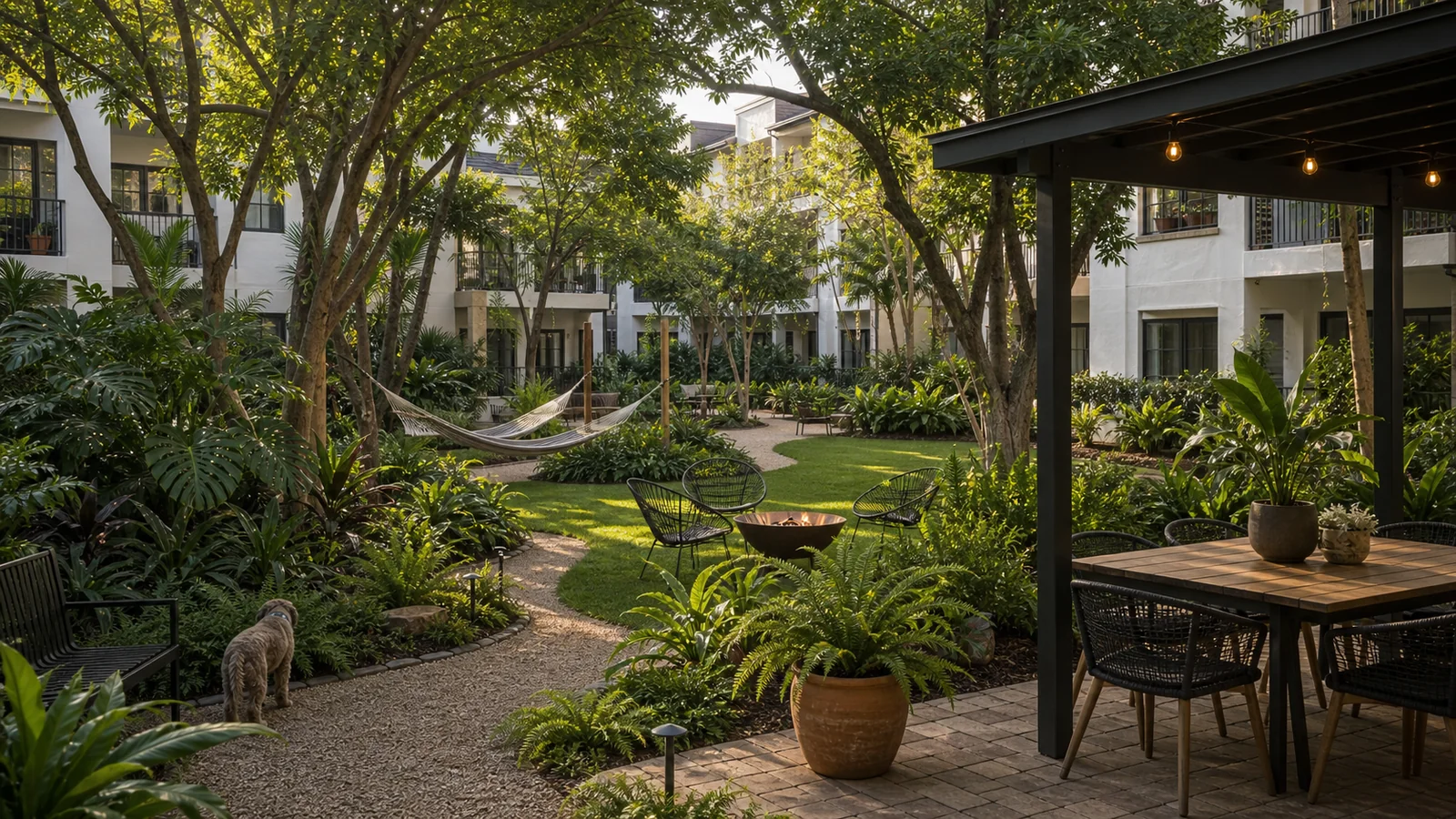
Natura Gardens is commonly described as a garden-style apartment community in West Hialeah, Florida, with lush landscaped grounds, tree cover, green spaces, outdoor amenities, and places for residents to gather. For a home and garden reader, the useful angle is not real estate. It is the way a shared outdoor area can feel softer, greener, and more livable when shade, seating, paths, planting, and rules work together.
That matters for apartments, townhomes, duplex yards, condo courtyards, side gardens, and small HOA spaces. Shared outdoor areas often sit between private life and public use. If they are too empty, nobody lingers. If they are too crowded, nobody knows how to use them. The sweet spot is a calm green room with clear zones.
Use this guide if you want a shared courtyard, apartment patio, or residential green space to feel more connected to nature without becoming difficult to maintain.
Start With Shade People Can Actually Use
Shade is the difference between a courtyard people admire and a courtyard people use. A sunny lawn or paved terrace may look open, but in warm weather it can become a pass-through space. Natura Gardens-style inspiration starts with the idea that green space should offer relief.
Look for existing shade first:
- Mature trees
- Building shadows
- Covered terraces
- Breezeways
- Pergolas or shade structures
- Fence-line planting
- Large containers that soften hard edges
Then decide where shade is most valuable. A bench needs shade at the time people sit there. A dog-relief edge may need morning shade. A dining table may need afternoon protection. A play area may need filtered cover without blocking sightlines.
If a tree is possible, choose mature size carefully. In shared spaces, roots, leaf drop, storm behavior, and maintenance access matter. If a tree is not possible, use a pergola, sail shade, umbrella, vine panel, or grouped containers to create a smaller shaded destination.
Divide The Courtyard Into Clear Outdoor Rooms
Shared green spaces fail when every activity overlaps. A dining table sits beside the dog path. Children run through the quiet seating. Planters block the route to the door. A better courtyard uses small outdoor rooms.
Useful zones include:
| Zone | What it supports | Design cue |
|---|---|---|
| Arrival edge | Passing through, mail, doorways | Keep it open and tidy |
| Quiet seating | Reading, coffee, short rests | Use shade and planted edges |
| Social table | Meals, neighbor chats, small gatherings | Give it a firm surface |
| Pet-friendly edge | Dog walking and cleanup | Keep plants durable and rules clear |
| Green buffer | Privacy and softness | Layer shrubs, grasses, and trees |
| Flexible lawn | Play, stretching, casual use | Keep the shape simple |
Not every courtyard needs every zone. A small apartment patio might have only a seating corner, privacy planting, and a service path. A larger shared courtyard may need all of them. The important move is to give each activity a place, then leave enough breathing room between them.
For private small-space ideas, our The Gardens Apartments patio ideas guide offers useful moves for privacy, containers, and usable seating.
Make Paths Quietly Obvious
People will always create the easiest route. If the designed path is unclear, they will cut through grass, step into beds, drag chairs over planting, or walk too close to windows. A shared courtyard needs paths that explain the space without feeling harsh.
Good paths are:
- Wide enough for two people to pass in main routes
- Stable underfoot
- Easy to see at dusk
- Clear of low branches and tripping edges
- Separate from private windows where possible
- Connected to seating without cutting through planting
- Made from materials that suit the building style
Use gravel, pavers, concrete, brick, compacted fines, or boardwalk-style sections where appropriate. Soft garden paths can work in private corners, but shared routes usually need more predictable footing.
Keep the path layout simple. A courtyard with too many curves and branches can feel decorative but confusing. One main route and a few short side connections often work better than a maze.
Our Windsor Gardens shared yard ideas article goes deeper on paths, rules, seating, and maintenance in community landscapes.
Use Planting As A Buffer, Not A Wall
Shared courtyards need privacy, but solid walls can make them feel boxed in. Planting can soften views while still allowing air, light, and casual safety.
Use layered buffers:
- Low plants near paths
- Medium shrubs around seating
- Taller shrubs or small trees near boundaries
- Vines on screens where space is narrow
- Containers to define temporary edges
- Grasses where movement and softness are useful
Avoid planting dense shrubs right against doors, windows, or blind corners. People should feel comfortable entering the courtyard, especially at night. Keep sightlines open enough that the space feels cared for and visible.
Choose durable plants near high-use edges. Pet areas, mail routes, and play paths need tough species, not fragile flowers. Save delicate plants for raised planters, protected corners, or containers near seating.
Give Seating A Reason To Be Used
Benches and chairs do not automatically create community. They need shade, a view, a surface nearby, and enough separation from traffic. A lonely bench facing a blank wall rarely becomes a favorite spot.
Good seating locations include:
- Under a tree with a view across planting
- Near but not blocking the main path
- Beside a small table
- At the edge of a flexible lawn
- Near a garden bed that changes with the season
- Close to a covered outdoor kitchen or grill area
- In pairs or small groups rather than isolated singles
Use a mix of seating types when space allows. A long bench is good for short pauses. Lounge chairs suit longer rests. A dining table supports actual meals. A hammock or swing can be wonderful if the structure is safe, the rules are clear, and the surrounding space remains calm.
For family-friendly outdoor planning, our Carousel Gardens yard ideas guide has helpful advice on sightlines, shade, storage, and flexible play.
Make Pet-Friendly Areas Look Intentional
Many shared residential landscapes need to work for pets. If pet use is ignored, it often appears in the wrong places: burned lawn patches, worn corners, trampled beds, and awkward cleanup.
A better approach is to design pet-friendly edges honestly.
Consider:
- A durable walking route
- Clear cleanup stations where allowed
- Tough groundcover or mulch in high-use strips
- Plant choices that are appropriate around pets
- Shade for hot pavement areas
- Avoiding thorny or delicate plants near dog traffic
- Keeping pet zones away from dining and play areas
Do not put the most fragile planting beside the pet route. Use tougher shrubs, grasses, and defined edges there. Then place flowers, herbs, or detail plants closer to seating where they can be protected and enjoyed.
Pet-friendly does not have to mean unattractive. A clean gravel edge, shade trees, durable planting, and clear rules can make the space feel more thoughtful than a patch of struggling lawn.
Keep Amenities From Taking Over The Garden
Apartment and community spaces often include outdoor kitchens, pools, grills, cabanas, games, playgrounds, or fitness areas. These can be useful, but too many amenities can make the landscape feel like equipment storage rather than a garden.
Use planting to soften, not hide, the active areas.
Good moves include:
- Shrubs between dining and walking routes
- Planters around outdoor kitchens
- Shade trees near lounge areas
- A green buffer between play and quiet seating
- Path lighting that is useful but not glaring
- One consistent furniture palette
- Storage for cushions, games, and maintenance tools
Keep the most active amenities on firm surfaces. Keep planting beds where they will not be stepped through. If a grill or kitchen area exists, provide enough circulation so people are not squeezing past hot surfaces or dining chairs.
The garden should still read as green space first. Amenities are better when they feel nested within planting, not dropped onto leftover paving.
Set Rules That Protect The Calm
Shared outdoor spaces need rules, but rules should support ease rather than make the courtyard feel controlled. The most important rules are usually about noise, pets, cleanup, planting changes, grilling, furniture movement, and private boundaries.
Keep rules clear and practical:
- Where pets can go
- Who maintains planters
- Whether residents can add personal pots
- How outdoor kitchens or grills are reserved
- When quiet hours begin
- Where toys, bikes, and games are stored
- How damaged plants or furniture are reported
If residents share responsibility, make ownership visible. A bed with no owner often declines. A bed with too many unofficial owners can become chaotic. Even private homes with shared side yards benefit from simple agreements.
The best shared courtyard feels relaxed because the expectations are already clear. People can enjoy the space without negotiating every detail in the moment.
Make Maintenance Part Of The Design
Lush green spaces only stay appealing when maintenance is realistic. Before adding more plants, ask who waters, prunes, cleans, repairs, and resets the furniture.
Design for maintenance by:
- Grouping plants by water need
- Leaving access behind shrubs
- Choosing mulch that stays in place
- Avoiding tiny lawn strips that are hard to mow
- Placing irrigation where it does not soak seating
- Keeping litter-prone plants away from drains
- Using durable furniture and washable surfaces
- Planning seasonal cleanup before storms or freezes
In warm, humid climates, airflow and drainage matter. In dry climates, irrigation and mulch matter. In cold climates, snow storage and salt exposure may shape plant choices. A shared courtyard should respond to its actual maintenance reality, not only to an inspiration photo.
Build A Natura Gardens-Inspired Shared Corner
Start with one small area before redesigning the entire property. Choose a corner that already has partial shade, a useful route, or a view from several homes.
A practical first project:
- Clear the path and remove visual clutter.
- Add one shaded seating group.
- Define a green buffer with durable plants.
- Place containers where they frame, not block, movement.
- Give pets or active use a durable edge.
- Add warm, low lighting only where safety needs it.
- Set simple rules for cleanup, noise, and furniture.
- Review after one season before expanding.
Natura Gardens works as a useful idea because it points to a broader truth: people use shared green spaces when those spaces feel shaded, legible, comfortable, and cared for. Whether the space is a courtyard, apartment patio, townhome lawn, or HOA garden strip, the design should make nature part of daily life without making maintenance harder than the community can support.
You might also like
Callaway Gardens Christmas Lights Ideas
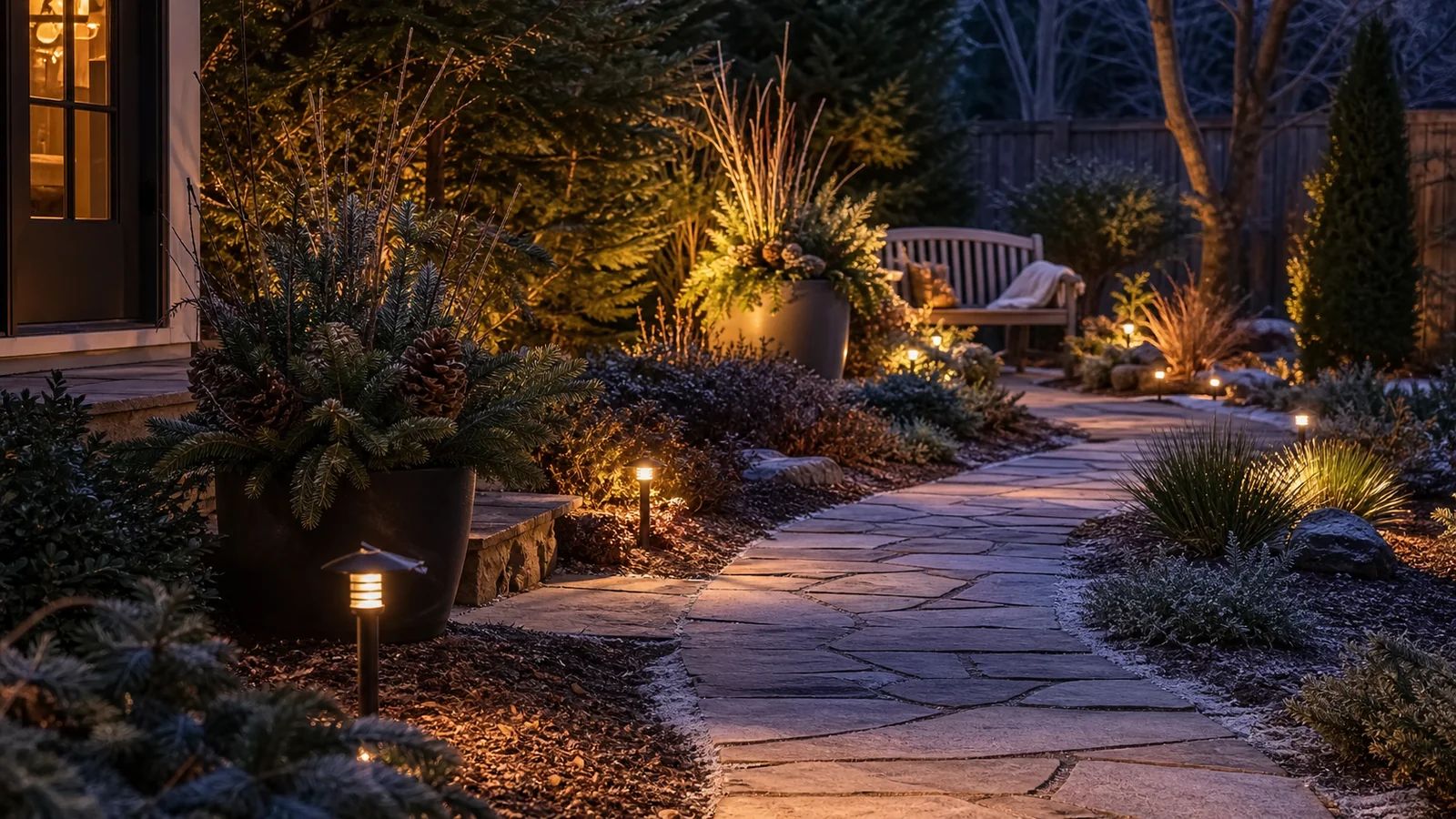
Borrow Callaway Gardens Christmas lights for safer paths, layered glow, winter containers, and one calm backyard focal point.
Longwood Gardens Christmas Ideas for Home
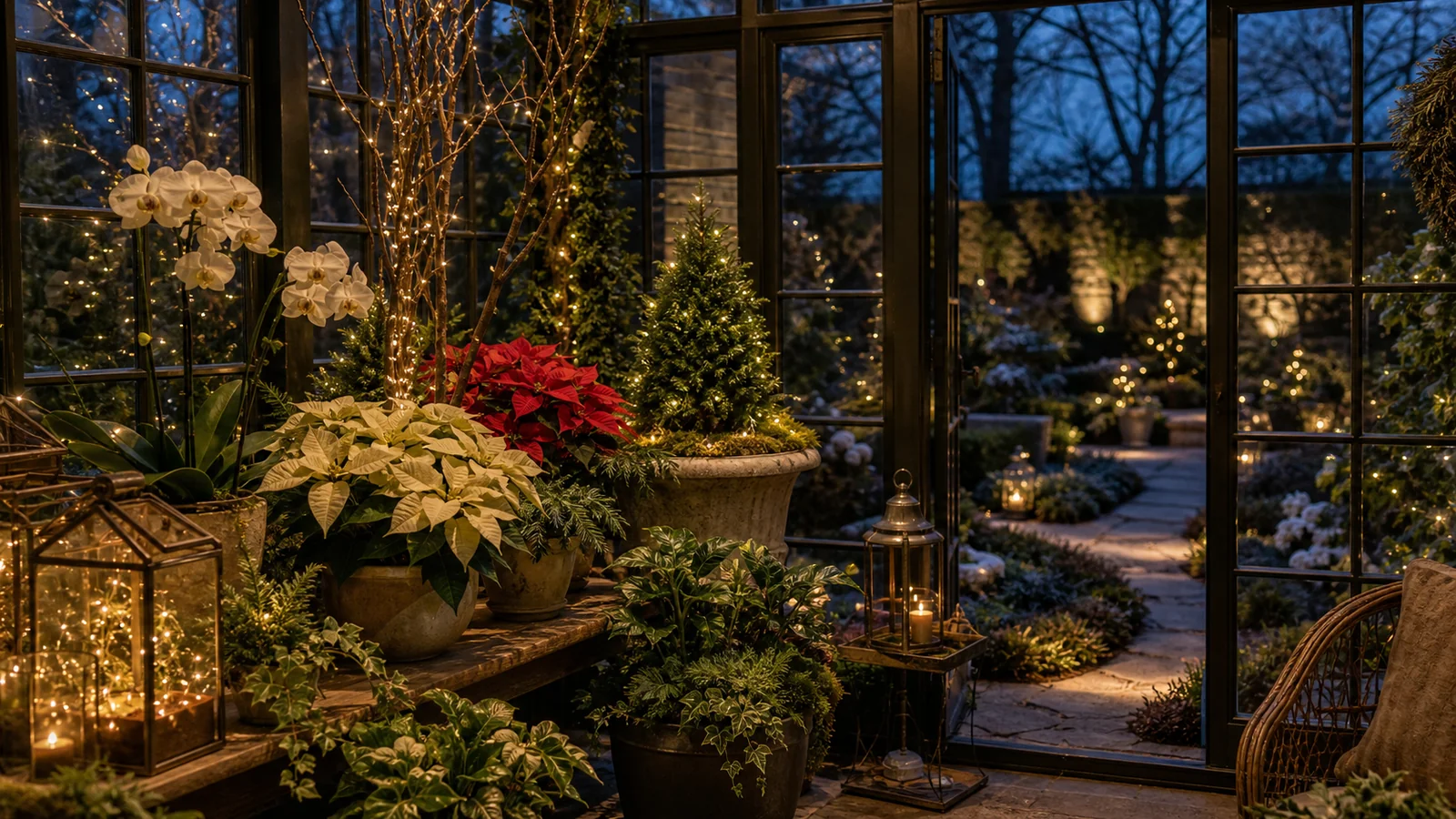
Borrow Longwood Gardens Christmas ideas for layered holiday plants, warm glasshouse glow, winter paths, and calmer decor.
Busch Gardens Christmas Town Lighting Ideas
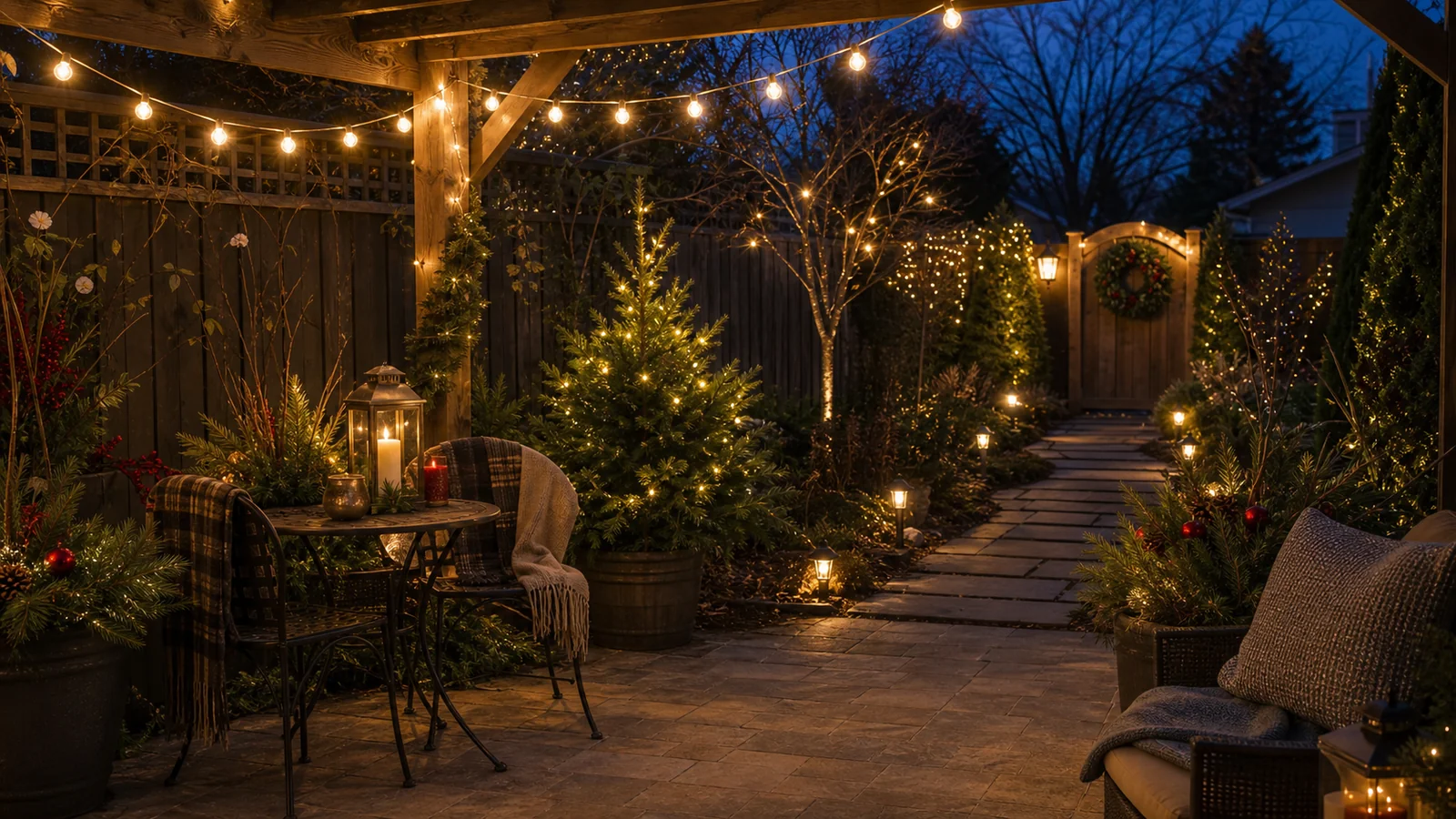
Turn Busch Gardens Christmas Town inspiration into warm backyard lighting, clear paths, and simple winter patio zones.