Carousel Gardens Ideas for Family-Friendly Yards
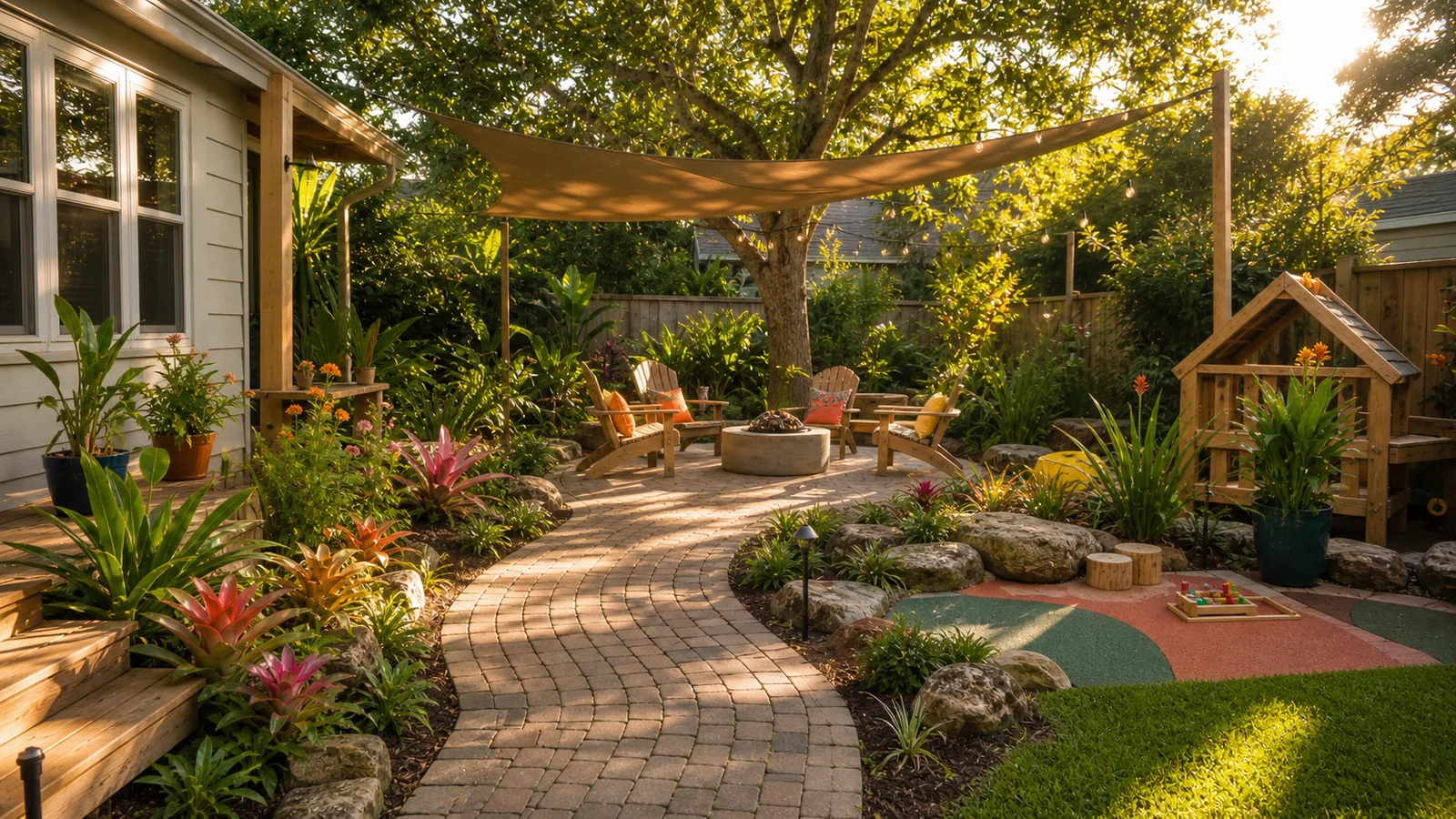
Borrow The Feeling, Not The Theme Park
Carousel Gardens Amusement Park sits inside New Orleans City Park, a large public park known for mature live oaks, family attractions, Storyland, and a historic carousel. The useful home-garden lesson is not to copy rides or turn a yard into a tiny amusement park. It is to borrow the way a family outdoor space can combine movement, shade, small destinations, seating, color, and simple delight.
A family-friendly yard often fails in two directions. It either becomes all adult seating with no room for movement, or it becomes scattered toys with no calm garden structure. Carousel Gardens suggests a better middle ground: make the yard feel playful, but give it a clear layout.
Use this guide if you want a backyard, side yard, patio, or shared courtyard to welcome children and adults without looking chaotic after one afternoon outside.
Choose One Playful Route Through The Yard
Children move through outdoor spaces differently from adults. They loop, run, pause, invent games, and return to the same spot again. A yard becomes more usable when it has one clear route that supports that movement without cutting through planting beds or furniture.
The route can be simple:
- A curved paver path around a lawn edge
- A stepping-stone loop through a side yard
- A mulch track around a play corner
- A patio-to-garden route with two pause points
- A mown path through a meadow-style patch
- A short scooter-safe line on a firm surface
The goal is not speed. It is clarity. If the route is obvious, children are less likely to trample fragile plants, and adults can see how the yard is meant to work.
Keep the path broad enough for real movement. Tight stepping stones may look pretty, but they are not useful if children are carrying buckets, adults are moving chairs, or guests need stable footing. In a family yard, path comfort matters as much as charm.
Our The Gardens yard design guide can help you connect paths, planting, and seating before adding more features.
Make Shade The Main Attraction
New Orleans outdoor spaces need shade, and family yards across warmer regions often do too. Even in cooler climates, shade makes a play area more comfortable during long summer afternoons. It also tells people where to gather.
Start with existing shade:
- Mature trees
- A porch roof
- A pergola
- The side of the house
- A fence shadow
- A temporary canopy used during gatherings
Then decide where shade should fall during the time the yard is most used. A morning play area may need different cover than a late-afternoon dinner spot.
Good shade moves include:
| Shade need | Home solution | Design note |
|---|---|---|
| Young children playing | Tree shade plus soft ground | Keep sightlines open from seating |
| Patio meals | Umbrella, pergola, or sail shade | Anchor it so wind is not a problem |
| Hot side yard | Vine trellis or slatted screen | Let air move through |
| Small balcony | Half umbrella or clip-on shade | Avoid blocking every view |
| Lawn edge | One shade tree with a bench nearby | Plan for mature size and roots |
Do not place every activity in full sun just because that is where the empty space is. A shaded corner with a small table, chalkboard panel, or sand-and-water station may get more use than a large exposed lawn.
Create Small Destinations Instead Of One Big Zone
Carousel Gardens works because visitors move between moments. A home yard can use the same idea at a much smaller scale. Instead of one vague “play area,” create two or three small destinations.
Family-yard destinations might include:
- A low bench near a planting bed
- A chalk wall on a fence panel
- A small water table spot
- A reading chair under a tree
- A potting bench that doubles as project space
- A stepping-stone path to a fairy-garden-style container
- A picnic mat area near the kitchen door
- A storage bench for balls, bubbles, and garden tools
Each destination should have a job. If an item does not invite use, storage, rest, creativity, or plant care, it may only add clutter.
Keep destinations visible from adult seating when children are young. As children get older, the yard can include more independent corners, but the layout should still feel open enough that people can move and gather without squeezing around equipment.
Use Color In Controlled Bursts
Family outdoor spaces can handle more color than formal gardens, but too much scattered color makes a yard feel restless. Carousel Gardens has a cheerful association, yet the surrounding park setting keeps it grounded. At home, do the same by putting bright color in planned places.
Use color in:
- One painted bench or table
- A few outdoor cushions
- Containers near the play route
- Seasonal annuals in one grouped bed
- A fence-mounted chalkboard or activity panel
- A storage box that is attractive enough to stay visible
Let plants and natural materials handle the rest. Green foliage, warm wood, clay pots, gravel, brick, and simple metal furniture calm down brighter accents.
If you already own a mix of colorful toys, choose quieter furniture and planters. The toys will provide plenty of energy. If the yard has little child gear, one stronger color accent can make it feel more welcoming without turning it into a theme.
Keep Adult Seating In The Middle Of The Action
Family-friendly yards work when adults have comfortable places to sit near the activity, not far from it. If seating is too removed, adults either abandon the comfortable chair or children drag play into the wrong area.
Place seating where it can do several jobs:
- Watch the play route
- Catch shade for part of the day
- Face a garden view, not only equipment
- Stay close to drinks, snacks, or the kitchen
- Allow adults to talk while children move nearby
- Leave enough path space around the chairs
A circular seating setup can feel especially welcoming. It echoes the idea of a carousel without literal decoration. Chairs around a low table, a curved bench around a tree, or a round patio edge can create that easy gathering feeling.
Keep furniture sturdy and washable. A family yard is not the place for fragile finishes that make everyone nervous. Choose pieces that can handle chalk dust, damp towels, snack crumbs, and feet tucked under chairs after a long afternoon.
For patio-scale ideas, our The Gardens Apartments patio ideas article shows how to make small outdoor footprints feel private and usable.
Add Planting That Can Survive Real Family Use
Family yards need plants, but the planting has to match the wear pattern. Fragile flowers along a busy path will suffer. Thorny shrubs beside a play corner will annoy everyone. High-maintenance borders near ball games will become a source of conflict.
Use tougher planting where movement is heaviest:
- Ornamental grasses set back from paths
- Durable shrubs along fences
- Groundcovers away from main running lines
- Containers near seating instead of in traffic
- Herbs near adult supervision
- Small trees placed where roots and shade can mature safely
Save delicate plants for protected areas: a raised planter, a front bed, a container near the door, or a garden corner that children learn to visit gently.
Avoid toxic plants where young children or pets may chew, pick, or dig. Also check thorns, berries, seed pods, and sap. Plant safety is local and species-specific, so confirm choices with reliable regional guidance before planting.
If the soil near play areas is compacted or tired, improve it carefully before planting. Our soil amendments for gardens guide can help you decide when compost, mulch, drainage work, or a soil test is the right first move.
Make Storage Part Of The Design
The fastest way for a family yard to look chaotic is poor storage. Balls, bubbles, scooters, chalk, cushions, garden gloves, watering cans, and outdoor games all need a place to land.
Good outdoor storage is:
- Close to where the item is used
- Easy enough for children to help with
- Weather resistant
- Not so large that it takes over the patio
- Attractive enough to stay visible
- Divided enough that everything does not become one bin
Consider a storage bench, lidded deck box, small shed, wall hooks under cover, or baskets that move indoors after use. Labeling can help, but do not overcomplicate it. If cleanup takes too many steps, it will not happen often.
Design storage before buying more activities. A yard that can reset in ten minutes will be used more often than a yard that requires a full cleanup campaign every weekend.
Use Lighting For Evening Calm, Not Carnival Glare
Carousel Gardens may bring lights to mind, but a home yard needs a gentler version. Lighting should make paths safer, seating warmer, and boundaries easier to understand. It should not shine into windows, bother neighbors, or overwhelm the garden.
Useful family-yard lighting includes:
| Location | Lighting move | Why it helps |
|---|---|---|
| Path edges | Low shielded lights | Shows movement without glare |
| Seating area | Warm string lights under structure | Makes dinner and conversation easier |
| Steps | Small step lights | Reduces trip risk |
| Play cleanup zone | One practical task light | Helps find toys at dusk |
| Garden feature | Very soft uplight or lantern | Adds atmosphere without turning harsh |
Use warm light, not bright blue-white light. Put lights on timers if possible. Keep cords secure and outdoor rated. In a child-friendly yard, anything plugged in should be protected from running feet, water play, and curious hands.
Lighting should end the day gently. The best effect is a yard that still feels usable after dinner, not a yard that feels like an event space every night.
Plan For Noise, Neighbors, And Boundaries
Family yards are social spaces. That means sound, balls, water, laughter, and occasional mess. A good layout reduces friction before it starts.
Think about:
- Where balls might hit fences, windows, or planting
- Whether a play route points toward a neighbor’s quiet area
- How water play drains
- Where scooters or ride-on toys can be used safely
- Whether seating creates noise near a bedroom window
- How much privacy a family actually needs
- Which boundaries should be planted, screened, or left open
Plants can soften sound and views, but they are not magic walls. Use layered planting, slatted screens, hedges, or trellises where privacy matters. Keep gates secure if small children use the yard.
If the yard is shared by multiple households, agree on storage, cleanup, quiet hours, and which areas can change. Shared family spaces work better when expectations are simple and visible.
Keep The Yard Easy To Age Up
A family yard should not be frozen around one childhood stage. Toddlers, school-age children, teens, and adults use outdoor space differently. Design with pieces that can shift.
Flexible choices include:
- A path that works for scooters now and garden walks later
- A chalk wall that can become a trellis panel
- A sand or water area that can become a raised planter
- A play lawn that can become a dining area
- Movable containers instead of permanent clutter
- A storage bench that remains useful after toys leave
- A shade structure that supports seating, not just play
Avoid overbuilding around a short phase unless the feature can be removed cleanly. A small temporary play element inside a strong garden layout is better than a permanent structure that dominates the yard after children outgrow it.
Build A Carousel Gardens-Inspired Family Corner
Start with one part of the yard. Give it movement, shade, a destination, seating, and a reset plan. That is enough to create the feeling without overloading the space.
A practical weekend plan might look like this:
- Choose the safest, most visible family corner.
- Draw one clear path or loop through the area.
- Add shade with a tree, umbrella, pergola, or sail where appropriate.
- Place adult seating where it can watch the route.
- Add one child-friendly destination, such as a chalk panel or project table.
- Use two or three tough plant groups to soften the edges.
- Add storage before adding more activities.
- Use warm, low lighting only where evenings need it.
- Review after a month and remove what is not being used.
The Carousel Gardens idea is not about spectacle. It is about a yard that invites movement, rest, delight, and repeat use. With a clear route, a shaded pause point, and a few durable garden choices, a family outdoor space can feel playful without losing its calm.
You might also like
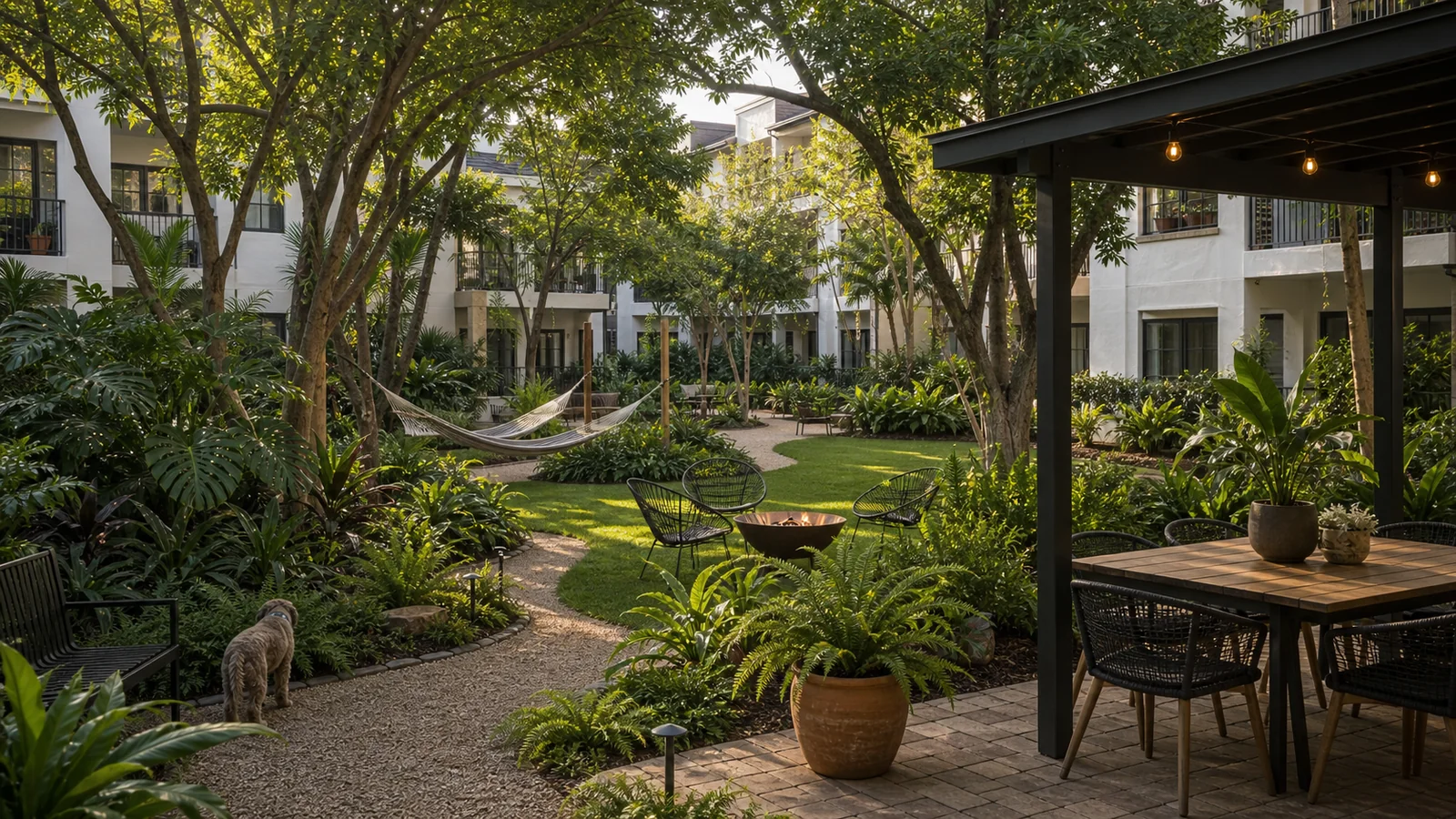
Natura Gardens Ideas for Shared Courtyards
Use Natura Gardens as a cue for shared courtyards with shade, seating, pet-friendly edges, green buffers, and easy outdoor flow.
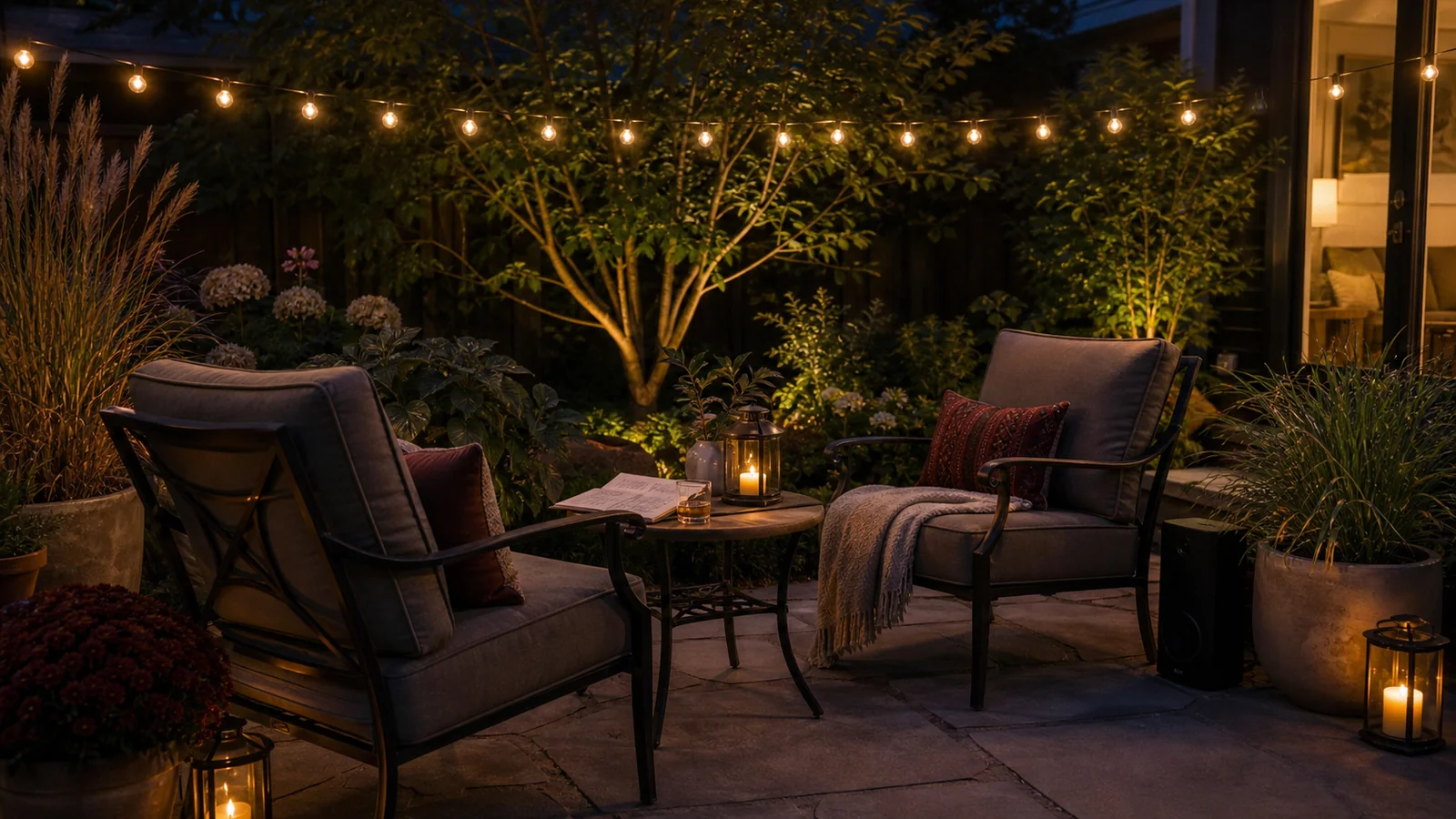
Jazz in the Gardens Patio Music Night Ideas
Use Jazz in the Gardens as inspiration for a relaxed patio music night with better seating, lighting, sound, and garden flow.
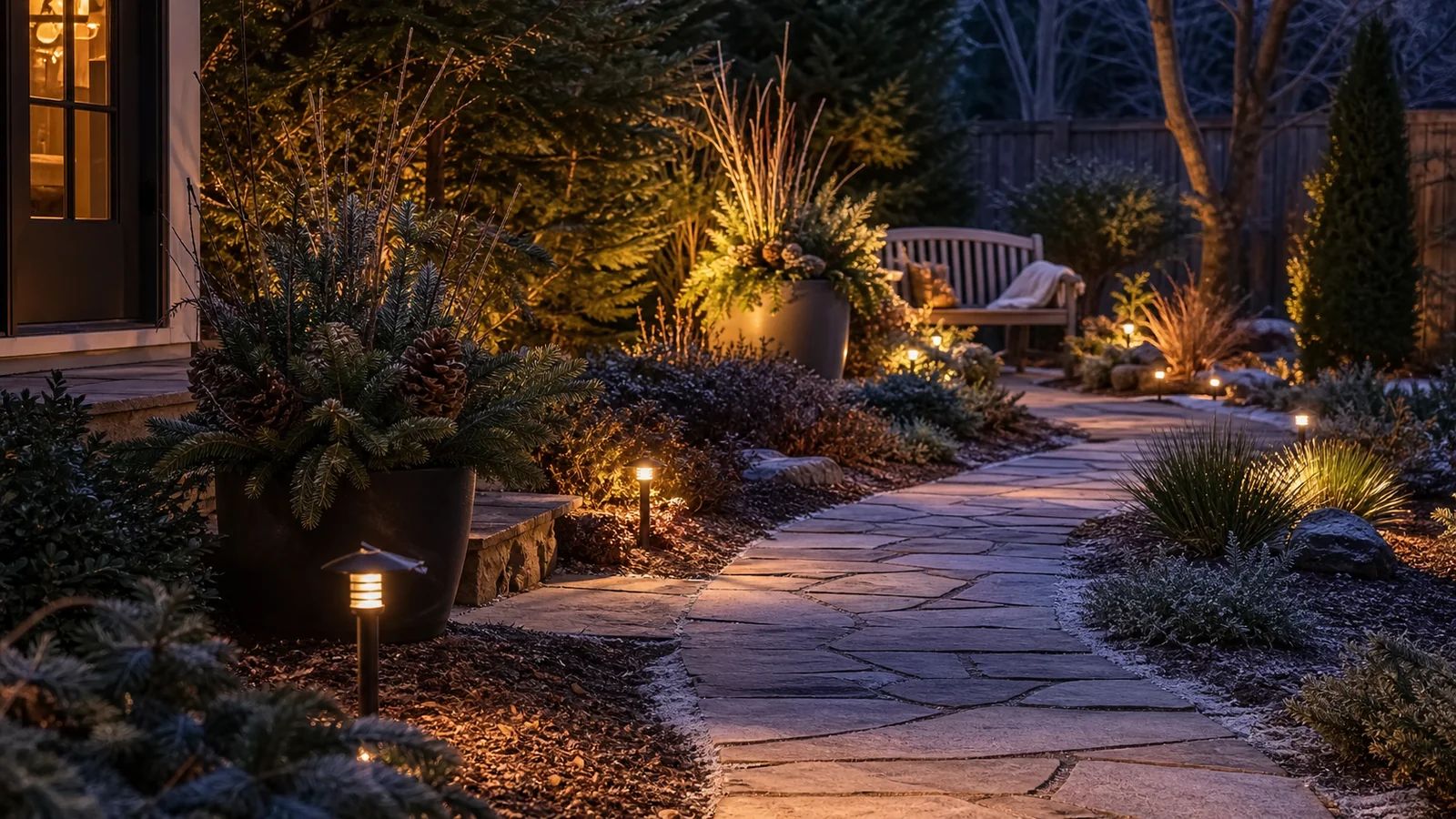
Callaway Gardens Christmas Lights Ideas
Borrow Callaway Gardens Christmas lights for safer paths, layered glow, winter containers, and one calm backyard focal point.