The Gardens Apartments Patio Ideas That Work
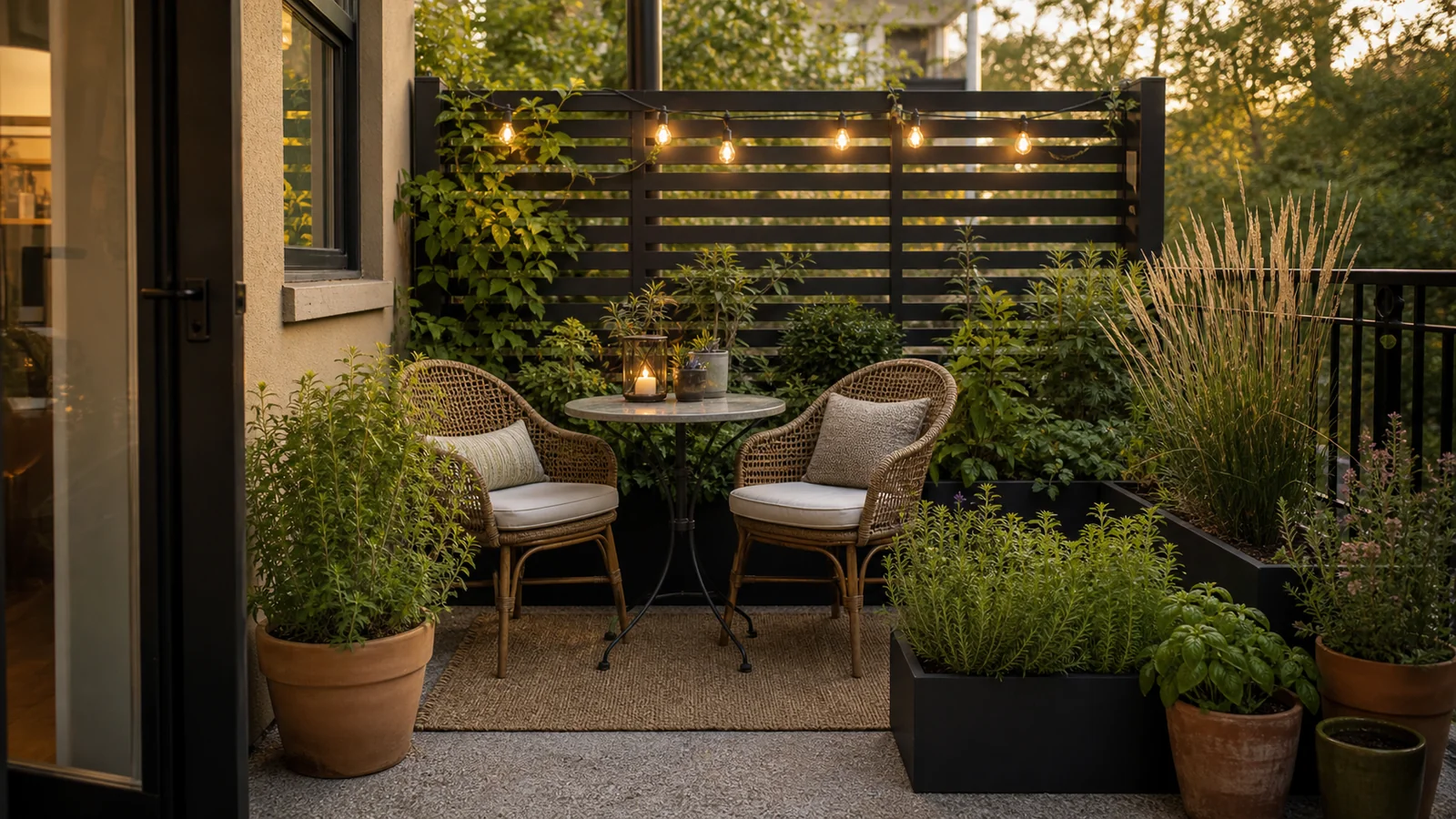
Turn Apartment Outdoor Space Into A Real Garden Moment
The Gardens Apartments is a phrase that shows up around rental communities, private balconies, patios, courtyards, mature landscaping, and shared outdoor amenities. For Bloom & Bench, the useful angle is not any one apartment listing. It is how small and shared outdoor spaces can still feel green, private, and worth using.
Apartment patios and balconies ask for a different kind of garden thinking. You may not control the building, lawn, irrigation, or large trees. You may have rules about drilling, drainage, railings, fire pits, or what can be stored outside. That does not mean the space has to feel bare.
Use this guide when you want a balcony, rental patio, or shared courtyard edge to feel more like a garden without creating mess, damage, or daily maintenance stress.
Start With The Rules And The Real Footprint
Before buying plants or furniture, learn the limits of the space. Apartment outdoor areas often have practical constraints that homeowners with yards can ignore.
Check the lease, building rules, or community guidelines for:
- What can hang from railings
- Whether planters may sit on ledges
- Water runoff rules
- Grill and open-flame restrictions
- Weight limits for balconies
- What can be attached to walls
- Storage rules for tools, soil, bikes, or furniture
- Quiet hours and shared-courtyard expectations
Then measure the actual floor space. A patio that looks roomy in photos can become tight once a chair, planter, door swing, and walking route are included.
Keep at least one clear route from the door to the seat or railing. If you have to turn sideways to water plants or open the door, the design is too crowded.
Choose One Main Use
Small outdoor spaces work best when they have one main job. A balcony cannot be a dining room, nursery, lounge, potting station, storage area, herb garden, and entertaining zone all at once.
Choose the use that will make you step outside most often.
| Main use | Best layout choice | What to avoid |
|---|---|---|
| Morning coffee | One compact chair and side table | Oversized dining set |
| Herb growing | Narrow shelving near sun | Too many deep pots |
| Reading spot | Comfortable seat, shade, soft light | Hard chairs you never use |
| Dining for two | Folding bistro set | Permanent furniture that blocks the door |
| Plant display | Tiered containers and one stool | Pots scattered across walking space |
| Privacy buffer | Tall planters or screen panels | Dark barriers that block all air |
If two uses matter, make one flexible. A folding table, stackable chair, rolling plant stand, or lightweight stool can shift when needed.
Build Privacy With Plants, Not A Wall
Apartment patios often feel exposed. Neighbors, sidewalks, parking lots, and shared courtyards can make the space feel public even when it belongs to you. The goal is privacy without creating a dark, closed-in corner.
Plants are useful because they soften views and still let air and light move through. Use height where it matters most: near the seat, beside the railing, or at the angle where people look in.
Good privacy options include:
- Tall grasses in rectangular planters
- Bamboo-style screens where allowed
- Climbing annuals on a freestanding trellis
- Narrow evergreen shrubs in lightweight containers
- Tall herbs, such as rosemary, in sunny climates
- Hanging planters that break sight lines
- A slatted screen with pots at the base
Avoid blocking every side. One open view usually makes the patio feel larger. Screen the worst angle and leave the best angle open.
If you rent, choose freestanding solutions. A planter with a built-in trellis is easier to move and safer than attaching panels to a wall you do not own.
Use Containers That Look Intentional
Container gardens can make apartment outdoor spaces feel lush, but random pots become clutter fast. The trick is to repeat materials and vary plant height.
Choose one pot material or color family as the base. Terracotta, matte black, warm gray, galvanized metal, and natural fiber planters can all work. Mixing one main material with one accent is usually enough.
Use three levels:
- Tall: one upright plant, grass, trellis, or shrub
- Middle: herbs, annuals, compact perennials, or foliage plants
- Low: trailing plants, strawberries, thyme, or small seasonal flowers
Put the tallest plants where they give privacy or frame the view. Put herbs and plants you touch near the door or table. Put trailing plants where they will not drip soil or block drainage.
Our spring gardening tin cans article has a low-budget way to turn small containers into useful planters without making the patio feel overbuilt.
Manage Water Before It Becomes A Problem
Water is the detail that separates a pleasant apartment garden from an annoying one. Pots dry out quickly in sun and wind, but overwatering can stain floors, bother downstairs neighbors, or create slippery spots.
Plan the water system before the plant list.
Use:
- Saucers where runoff matters
- Pot feet to lift containers off damp surfaces
- Lightweight potting mix for balcony weight control
- Self-watering planters for thirsty herbs or annuals
- A small watering can that stores neatly
- Mulch or top dressing to slow evaporation
- Drought-tolerant plants where watering is inconvenient
Check drainage after the first heavy rain. If water pools near the door or under furniture, move containers and improve airflow. A beautiful patio that stays wet will not feel good to use.
Make Shared Courtyards Feel More Personal
Some Gardens Apartments-style communities have courtyards, garden walks, pool areas, community planting beds, or mature landscaping. You may not be allowed to change those shared areas, but you can still make your own threshold feel connected to them.
If your patio opens toward a courtyard, echo one element from the shared landscape. That might be a flower color, pot shape, foliage texture, or path material. Repetition helps your small outdoor area feel like part of the larger garden.
Try these courtyard-edge moves:
| Shared feature | Your patio echo |
|---|---|
| Brick building | Terracotta or warm clay pots |
| Mature trees | Shade plants and a low reading chair |
| Flower beds | One repeated bloom color in containers |
| Paved walkway | A simple outdoor rug or paver-look mat |
| Courtyard seating | One compact chair with a side table |
| Community herbs | A small pot of herbs near your door |
Be a good neighbor with scent, water, and noise. Strongly scented plants, messy seedheads, wind chimes, and dripping baskets can become shared-space issues quickly.
Add Light Without Creating Glare
Small patios can become useful after dusk with very little light. You do not need bright fixtures. You need warm, low light that helps the space feel safe and settled.
Use battery, solar, or plug-in options that fit the building rules. Keep cords tidy and away from door tracks, puddles, and trip zones.
Good apartment-friendly lighting includes:
- One outdoor table lamp
- Warm string lights where allowed
- A small lantern on a side table
- Solar stake lights in deep planters
- Clip-on lights for a plant shelf
- Low wall wash from an existing exterior fixture
Avoid cold, bright light aimed at neighbors. In a shared building, the best patio lighting feels like a soft glow from inside your own space, not a spotlight across the courtyard.
For more evening-garden thinking, our Callaway Gardens Christmas lights ideas guide can help you use glow to guide movement and mood without overdoing it.
Pick Plants For Exposure, Not Just Style
Apartment patios can have extreme conditions. A balcony may be windy, hot, dry, shaded by the building, or blasted by reflected heat. A ground-floor patio may have deeper shade and less airflow. Choose plants for the actual exposure.
Use this simple match:
| Patio condition | Better plant direction |
|---|---|
| Hot full sun | Lavender, rosemary, sedum, ornamental grasses, sun annuals |
| Part sun | Herbs, compact hydrangea where climate allows, coleus, calibrachoa |
| Bright shade | Ferns, hostas in containers, begonias, heuchera, fatsia in mild climates |
| Windy balcony | Tough grasses, low herbs, heavier pots, fewer tall stems |
| Deep shade | Foliage containers, mossy textures, simple seating, light-colored pots |
| Very small space | One tall planter, one herb pot, one trailing accent |
Do not force a plant because it looked good online. If the patio gets four hours of brutal afternoon sun and no hose nearby, thirsty shade plants will suffer.
Keep The Patio Easy To Reset
The best apartment patio is easy to clean, move, and reset. You may need to bring cushions in, clear the area for maintenance, move out later, or protect plants during storms.
Use lightweight but stable pieces. Choose folding furniture if the patio is narrow. Keep plant saucers clean. Store soil and tools in one lidded container rather than several loose bags.
Every month, do a quick reset:
- Remove dead leaves and faded annuals.
- Wipe the table and chair arms.
- Check saucers for standing water.
- Rotate pots if plants lean toward light.
- Trim anything blocking the door or railing.
- Sweep soil from corners.
- Edit one item that no longer earns its space.
This is what keeps a small patio from becoming outdoor storage. A few useful pieces, cared for regularly, will feel more garden-like than a crowded balcony full of struggling plants.
Make A Small Outdoor Space Feel Like Yours
The Gardens Apartments idea is really about possibility: even a compact or shared outdoor area can feel green, comfortable, and personal. You do not need to own the land to create a better view from your door.
Start with one main use, one privacy move, one repeated pot style, and plants that match the exposure. Add soft light if you use the space after dusk. Keep water and rules in mind from the beginning.
That simple structure can turn a balcony, patio, or courtyard edge into a small garden moment that works every day.
You might also like
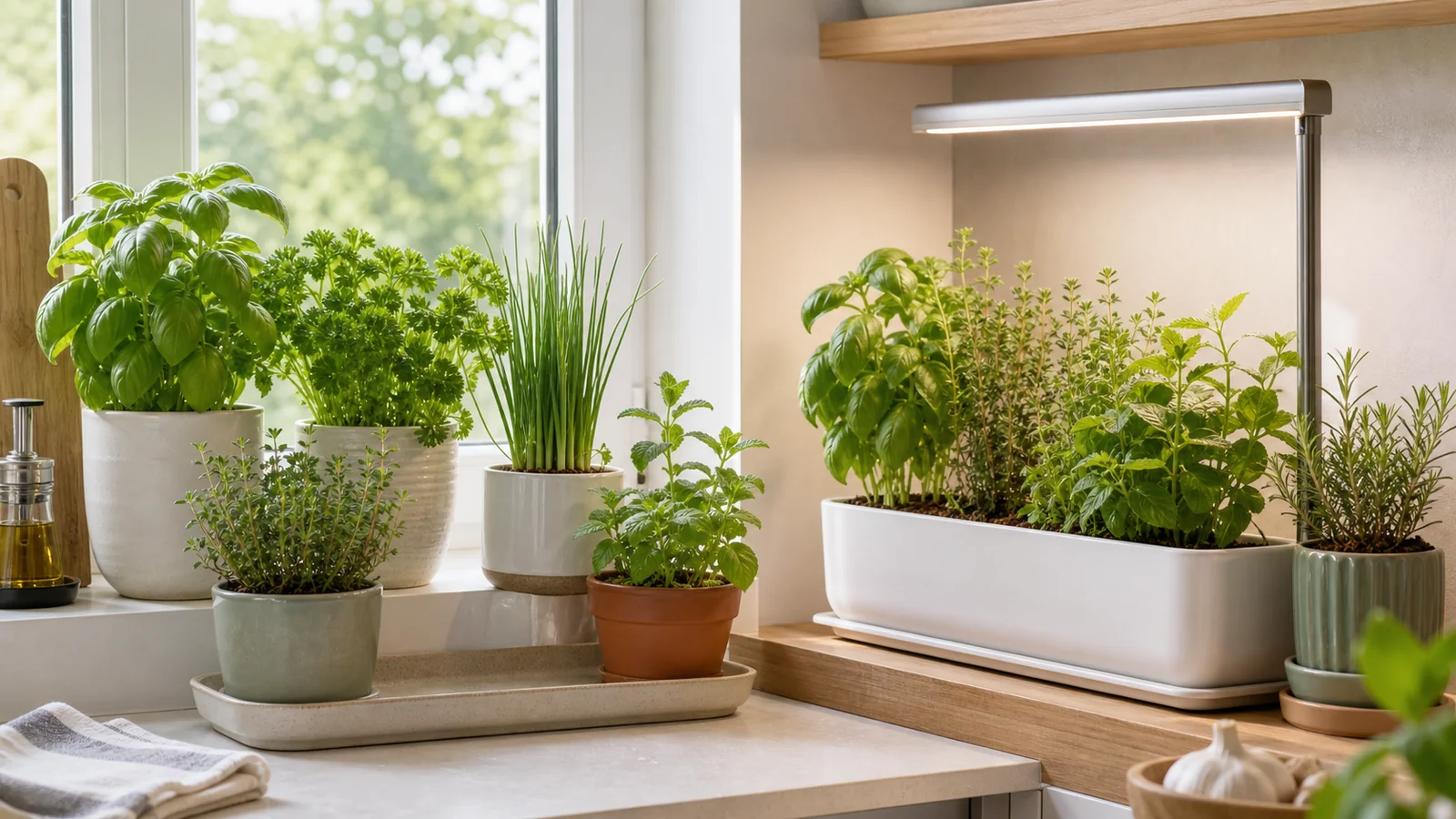
Best Indoor Herb Gardens for Real Homes
Compare the best indoor herb gardens by light, space, watering style, and the herbs you actually cook with.
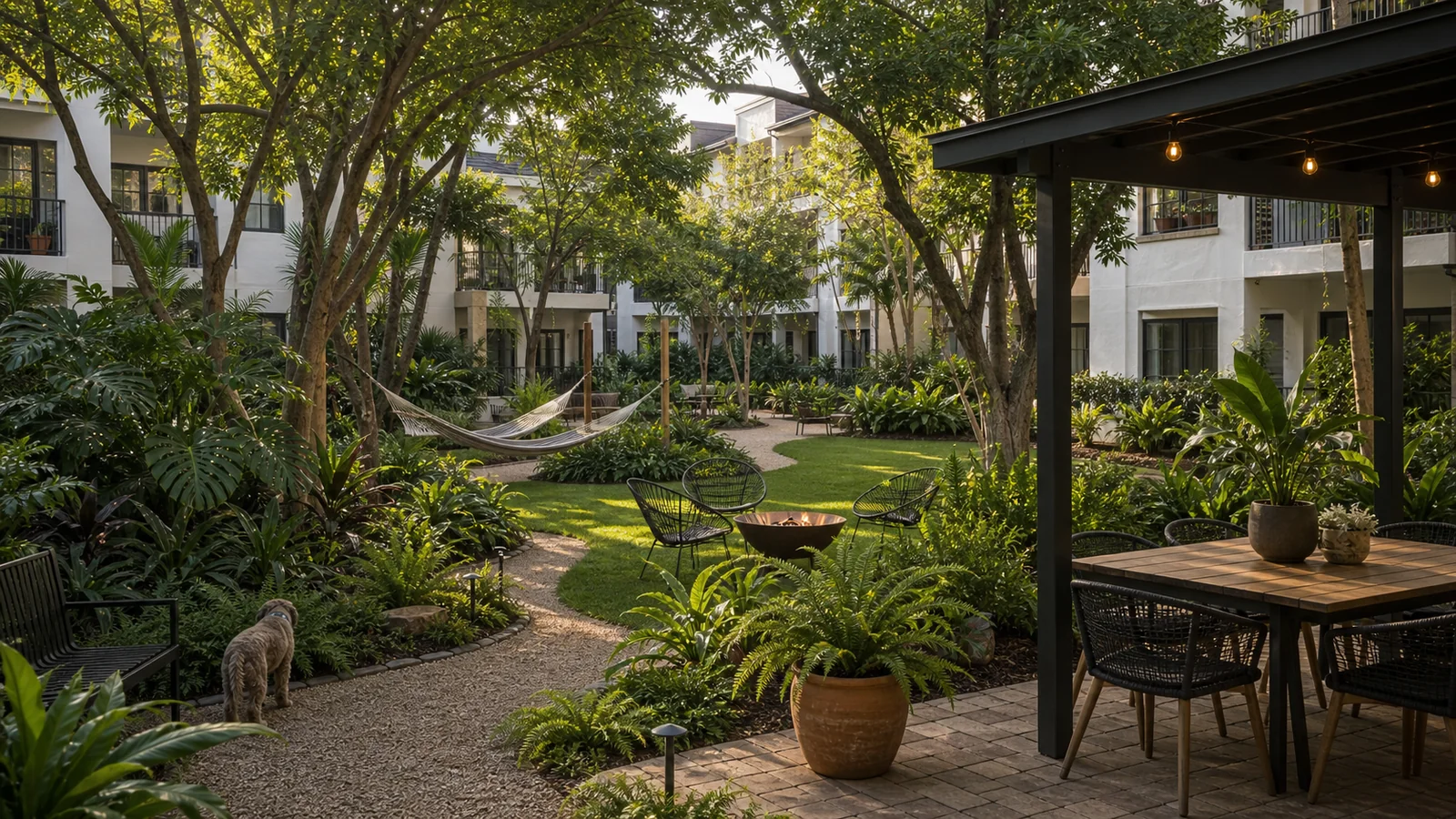
Natura Gardens Ideas for Shared Courtyards
Use Natura Gardens as a cue for shared courtyards with shade, seating, pet-friendly edges, green buffers, and easy outdoor flow.
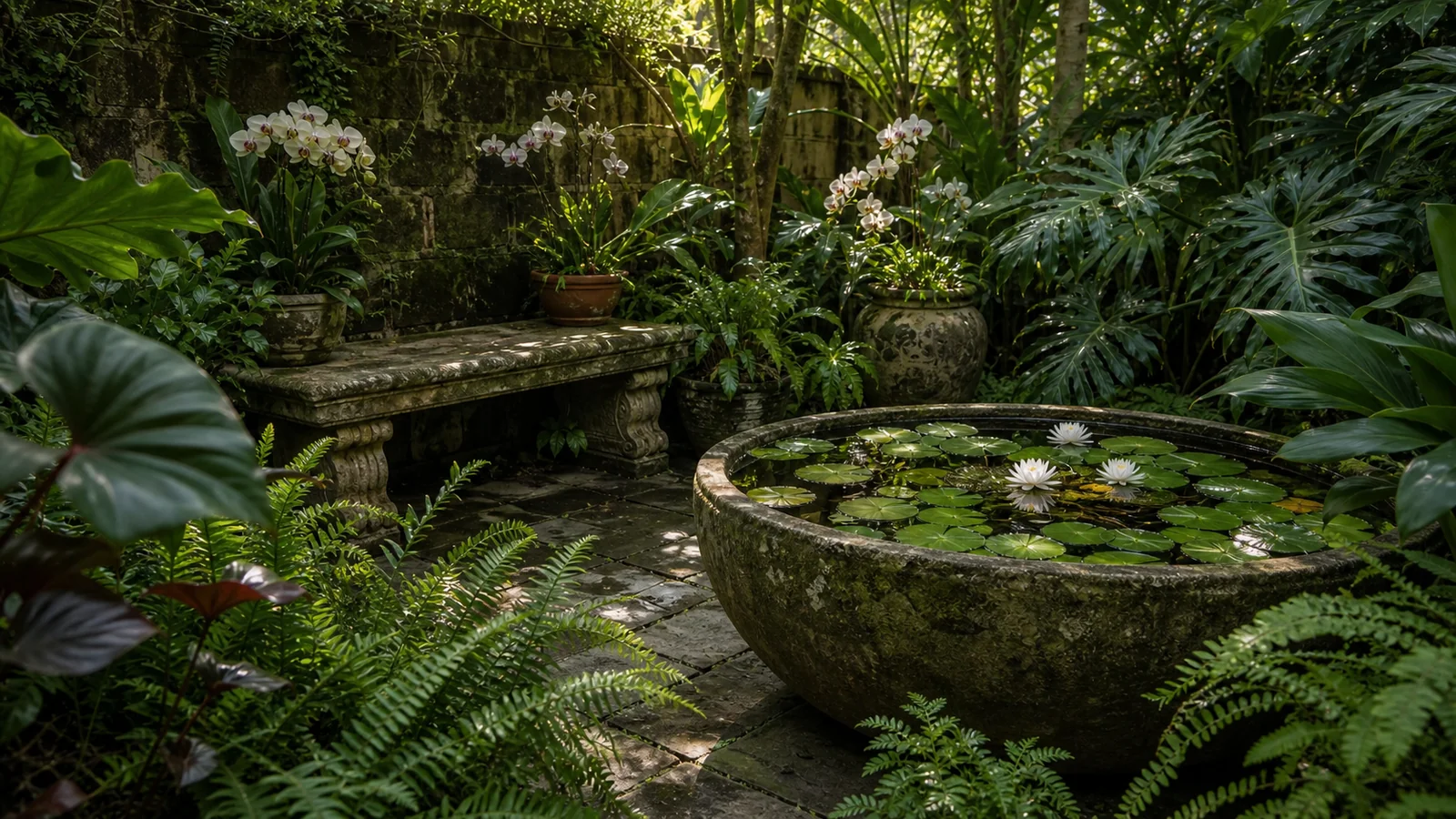
McKee Jungle Gardens Ideas for Tropical Yards
Borrow McKee Jungle Gardens ideas for shaded tropical layers, water bowls, slow paths, old-stone texture, and courtyard scale.