Kanapaha Botanical Gardens Design Lessons
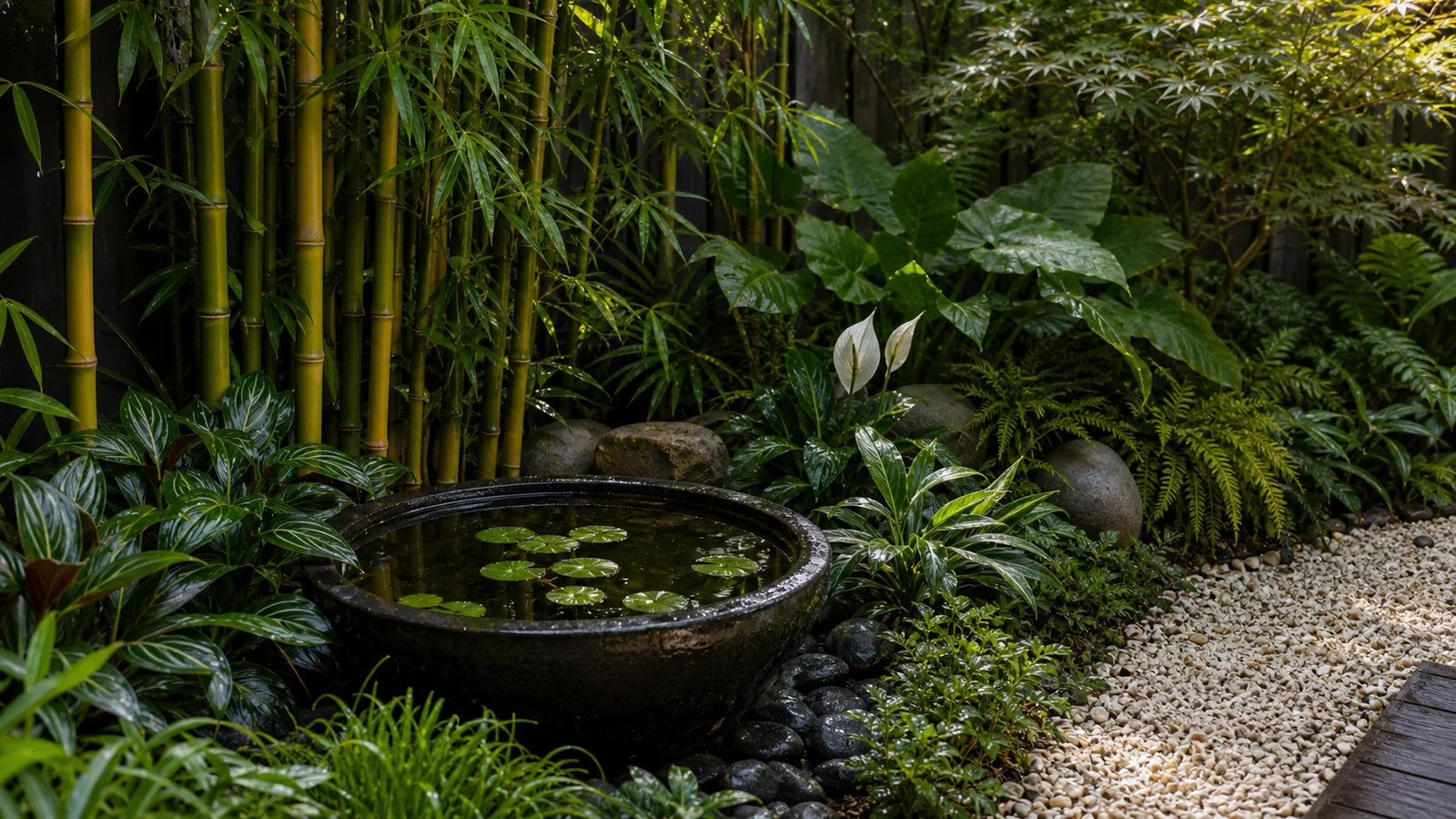
Study Kanapaha As A Set Of Garden Rooms
Kanapaha Botanical Gardens in Gainesville, Florida, is known for its broad plant collections, paved walking loop, bamboo plantings, water gardens, and themed display areas. For homeowners, the useful lesson is not to copy a 68-acre botanical garden. It is to borrow the way a large garden breaks plant variety into clear, walkable rooms.
That idea works even in a small yard. A side path can become a narrow bamboo screen. A patio corner can hold a water bowl and lush foliage. A sunny strip can become a fragrant herb bed. The key is to give each zone a purpose instead of scattering interesting plants everywhere.
Use Kanapaha Botanical Gardens as a prompt for structure: collections, paths, shade, water, and bold foliage. Then scale those ideas down until they fit your climate, maintenance routine, and actual outdoor space.
Create A Simple Walking Loop Or Return Path
Kanapaha’s visitor experience depends on movement. Its paved route helps people pass through different plant collections without feeling lost. At home, a loop can be tiny, but the same principle applies: the garden feels better when you know where to walk.
Start with the route you already use. Maybe you walk from the patio to the hose, from the gate to the shed, or from the back door to raised beds. Instead of treating that traffic line as a worn patch, turn it into a designed path.
Use gravel, stepping stones, pavers, mulch, or compacted fines depending on the setting. A small loop around a central planting bed can make even a modest backyard feel more layered. If a full loop is not possible, create a return path with a destination at the end: a potting bench, water bowl, chair, or container grouping.
Keep the path practical:
- Wide enough for the way you actually move
- Firm enough for watering cans, carts, or guests
- Edged so mulch and gravel stay in place
- Visible from the door or patio
- Easy to maintain after rain
The path is not just circulation. It tells the eye that the garden has an order.
Use Bamboo As A Screen, Not A Problem
Bamboo is one of the memorable elements associated with Kanapaha, but it needs careful translation at home. In a botanical garden, bamboo can be managed as a collection. In a backyard, the wrong bamboo can become a long-term headache.
If you like the look, start with clumping bamboo where it is suitable for your climate, and avoid running bamboo unless you have expert local guidance and serious containment. Many homeowners can also get a similar vertical screen from non-bamboo alternatives such as ornamental grasses, upright shrubs, slender evergreens, or tall container plantings.
Use the bamboo look where it solves a real design need:
- Screening a fence or neighboring window
- Softening a narrow side yard
- Creating a green backdrop for a water bowl
- Adding height behind broadleaf plants
- Framing a quiet seating corner
Give any screen enough room. A plant that looks graceful in a catalog can feel cramped if it leans over a path or blocks maintenance access. Place it where you can prune, thin, and clean fallen leaves without fighting the rest of the bed.
Borrow The Water Garden Idea At Patio Scale
Kanapaha’s water features and aquatic plants show how much calm a reflective surface can add to a garden. At home, you do not need a pond to borrow that effect. A large bowl, half barrel, trough, or small recirculating basin can create a water-garden mood in one corner.
Choose the smallest feature you can maintain well. Still water may attract mosquitoes if it is not managed, and pumps need cleaning. A simple bubbling bowl is easier than a complex pond. If you want plants, choose species suited to your climate and container depth, and check local guidance before adding anything that could spread into natural waterways.
Place the water feature where it has a backdrop. Bamboo, ferns, shade plants, stone, or a plain wall will make the water feel intentional. Avoid dropping it into the middle of a lawn with no planting around it.
For a no-pump version, use a sealed bowl filled with clean stones and change the water often, or use a glazed container as a visual water note without keeping it filled all season.
Make Themed Beds Feel Useful
Botanical gardens use themed collections to organize variety. Home gardens benefit from the same clarity. Instead of buying one plant from every display you admire, decide what each bed is for.
A Kanapaha-inspired home garden might include:
| Theme | Home-scale version | Best location |
|---|---|---|
| Bamboo collection | Clumping bamboo or vertical screen plants | Fence line or side yard |
| Water garden | Bowl, basin, or small trough | Patio corner or shaded landing |
| Herb garden | Raised trough or sunny border | Near kitchen or grill |
| Shade collection | Ferns, hostas, gingers, broadleaf foliage | Under trees or along north walls |
| Seasonal display | Containers with annuals or tender foliage | Entry, patio, or deck |
The theme should help you make choices. If the bed is a herb garden, do not fill it with random impulse flowers. If it is a shade foliage bed, choose leaf shape, height, and texture before bloom color.
This is how a small garden starts to feel edited.
Build With Bold Leaves And Calm Edges
Kanapaha’s lush impression comes partly from foliage scale. Broad leaves, upright canes, ferns, palms, gingers, and layered green textures create drama even when flowers are not the main event.
Homeowners can use that idea without planting a jungle. Choose one bold foliage moment, then give it a quiet edge. For example, place a large-leaved hardy plant near a water bowl and frame it with gravel. Use ferns under a tree and edge the bed with stone. Put a tall container with elephant-ear-like foliage beside a plain wall, then keep the surrounding pots simple.
In colder regions, use hardy foliage plants or tender annuals in containers. In dry regions, choose bold-looking plants that match your water reality, such as agaves, yuccas, phormium where appropriate, or large ornamental grasses. In humid shade, ferns, hostas, carex, ginger relatives, and hydrangeas may carry the softness better.
The useful lesson is contrast: large leaves against fine gravel, vertical canes against rounded stones, glossy foliage beside matte containers.
Keep Maintenance Paths Hidden But Present
A botanical garden needs access behind the beauty. Home gardens do too. If you create lush beds, bamboo screens, or water features, plan how you will reach them.
Leave stepping stones inside wide beds. Keep a narrow gravel strip behind a screen if you need to prune. Do not plant right up to a fence where leaves will collect and rot. Make sure the hose can reach the water feature and container groups without dragging through delicate plants.
Maintenance access can be discreet. It does not have to look like a service lane. A few flat stones, a mulch path, or a clean gravel edge may be enough.
This matters most in dense planting. Lush gardens become frustrating when every small task requires stepping on roots or leaning through wet foliage. A path, even a narrow one, keeps the garden livable.
Adapt Kanapaha Ideas Outside Florida
Kanapaha Botanical Gardens belongs to a warm, humid Florida setting. Many Bloom & Bench readers garden in cooler, drier, or more variable climates. That does not make the design lessons unusable. It means the plant list needs translation.
In colder climates, use hardy substitutes for tropical foliage. Hostas, ferns, rodgersia, ligularia, hardy hibiscus, ornamental grasses, and container annuals can create bold leaves without pretending the yard is Florida. In dry climates, use drought-aware structure: gravel, stone, agave-like forms where suitable, rosemary, grasses, and carefully placed shade.
If you love bamboo but it is risky or unsuitable locally, choose vertical plants that behave better. Upright juniper, clumping grasses, tall shrubs, espaliered evergreens, or trellised vines may solve the same design problem.
Design inspiration should make the garden better, not harder to care for.
A Kanapaha-Inspired Weekend Project
Choose one neglected corner and give it a theme. A shaded fence corner, a side-yard strip, or a patio edge all work.
On day one, clear the area and define a path or maintenance edge. Add gravel, stepping stones, or mulch so the space has a clear route. Place one anchor element: a water bowl, large container, bamboo-like screen plant, or broadleaf foliage plant.
On day two, layer supporting plants around the anchor. Use three textures: vertical, broad, and fine. For example, pair a tall screen plant with ferns and a low groundcover. Or place a water bowl in front of broad leaves and edge it with small grasses. Finish by editing the edges so the bed looks intentional from the patio or window.
Keep the project modest. A themed corner is easier to maintain than a whole yard redesign, and it can teach you what style you want more of.
FAQ
What is Kanapaha Botanical Gardens known for?
Kanapaha Botanical Gardens in Gainesville, Florida, is known for extensive plant collections, a long paved walking route, bamboo plantings, water garden features, and themed display areas. Those elements make it useful as design inspiration for home gardens.
Can I plant bamboo in a small backyard?
Sometimes, but choose carefully. Clumping bamboo is usually easier to manage than running bamboo, and local climate matters. If you are unsure, use bamboo-like alternatives such as tall grasses, upright shrubs, slender evergreens, or container screens.
How can I create a water garden without a pond?
Use a large bowl, trough, half barrel, or small recirculating basin. Place it near foliage and stone so it feels integrated. Keep it easy to clean, manage mosquitoes, and choose any aquatic plants with local guidance.
What is the easiest Kanapaha-inspired idea to try at home?
Create one themed corner with a clear path, bold foliage, and an anchor feature. A bamboo-style screen with a water bowl, or a sunny herb bed near a patio, can capture the idea without requiring a large garden.
Let Collections Become Corners
Kanapaha Botanical Gardens is valuable to homeowners because it shows how variety becomes calmer when it is organized. The lesson is not to collect more plants. It is to give plants a setting, a path, and a reason to belong together.
Start with one corner. Add a route, a theme, a strong foliage shape, and enough access to maintain it. When those pieces are clear, even a small backyard can borrow the generous feeling of a botanical garden without losing its everyday usefulness.
You might also like
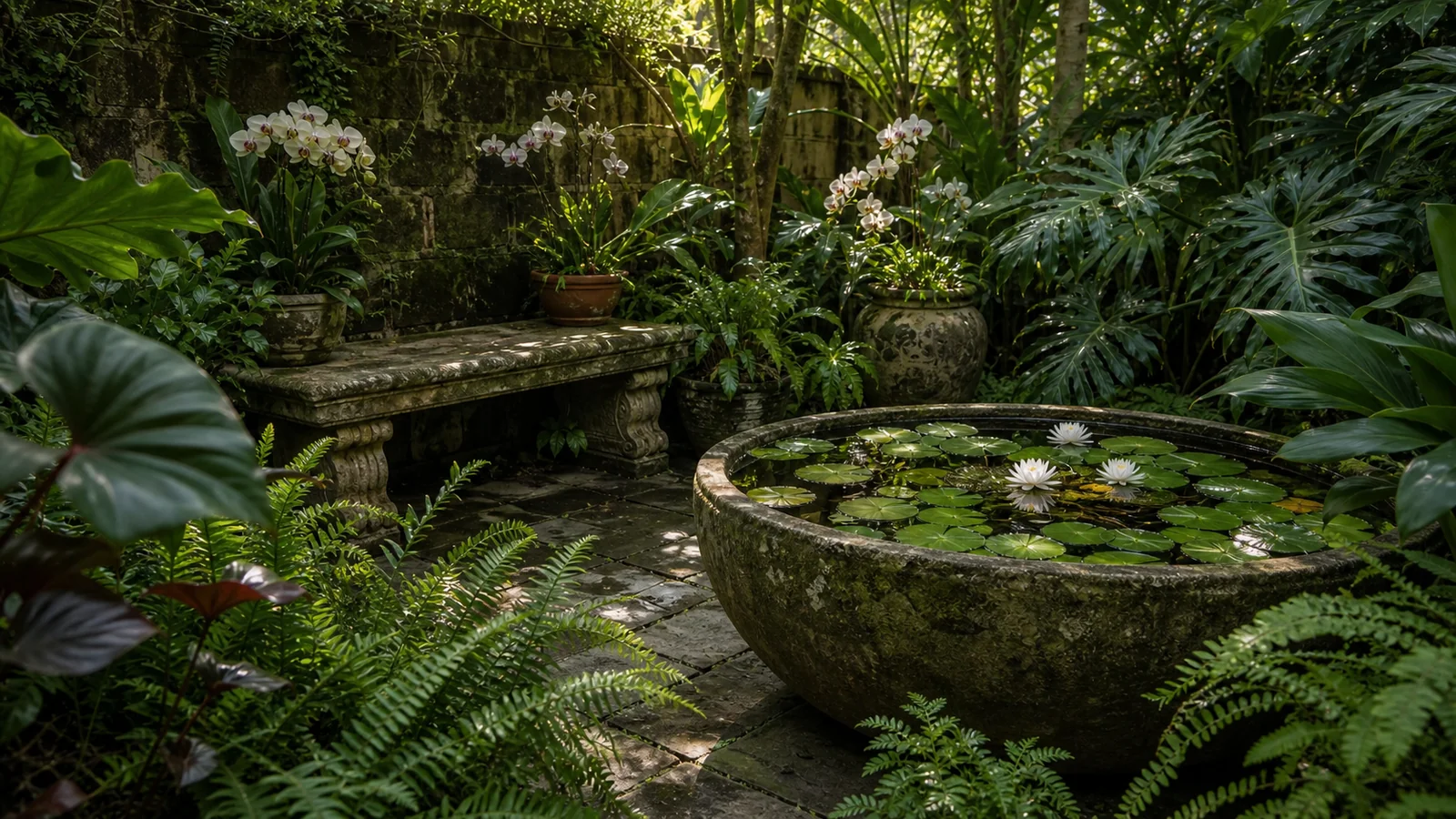
McKee Jungle Gardens Ideas for Tropical Yards
Borrow McKee Jungle Gardens ideas for shaded tropical layers, water bowls, slow paths, old-stone texture, and courtyard scale.
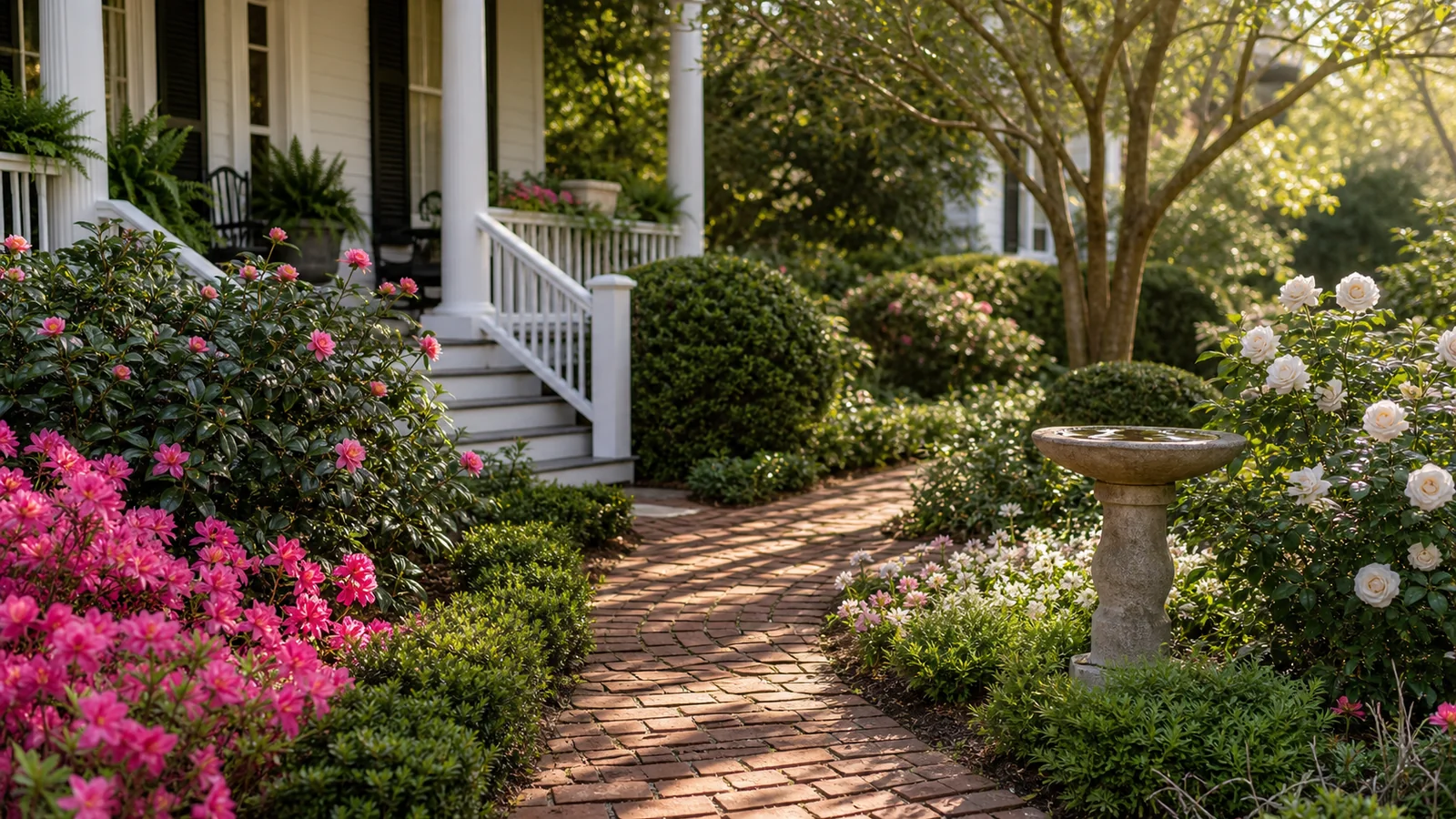
Savannah Botanical Gardens Yard Lessons
Borrow Savannah Botanical Gardens ideas for paths, roses, camellias, pond edges, and a calm historic-home garden mood.
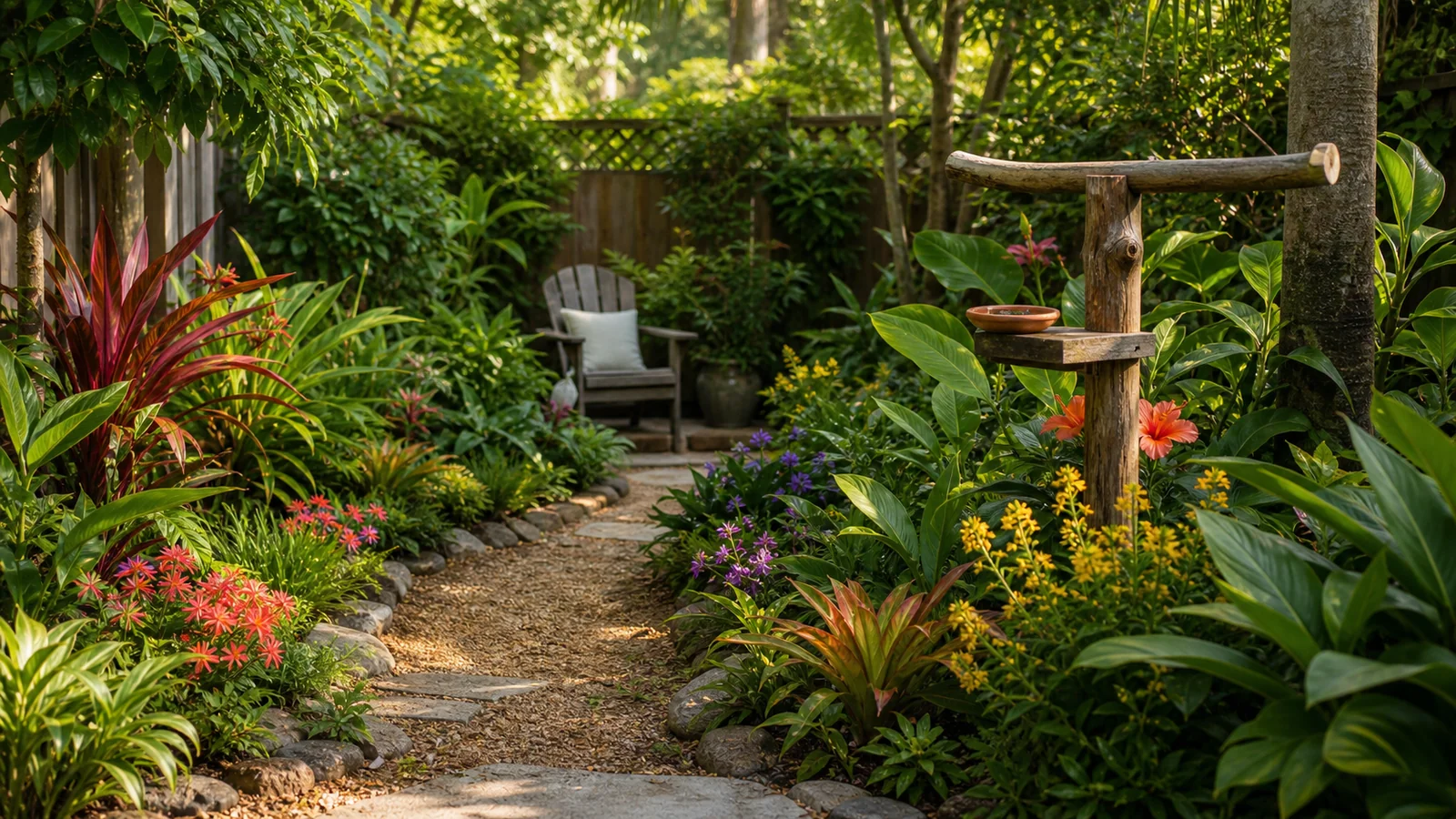
Parrot Mountain and Gardens Yard Ideas
Use Parrot Mountain and Gardens as a guide for color, paths, perches, shade, and seating in a lively home yard.