Market Gardening Lessons for Home Beds
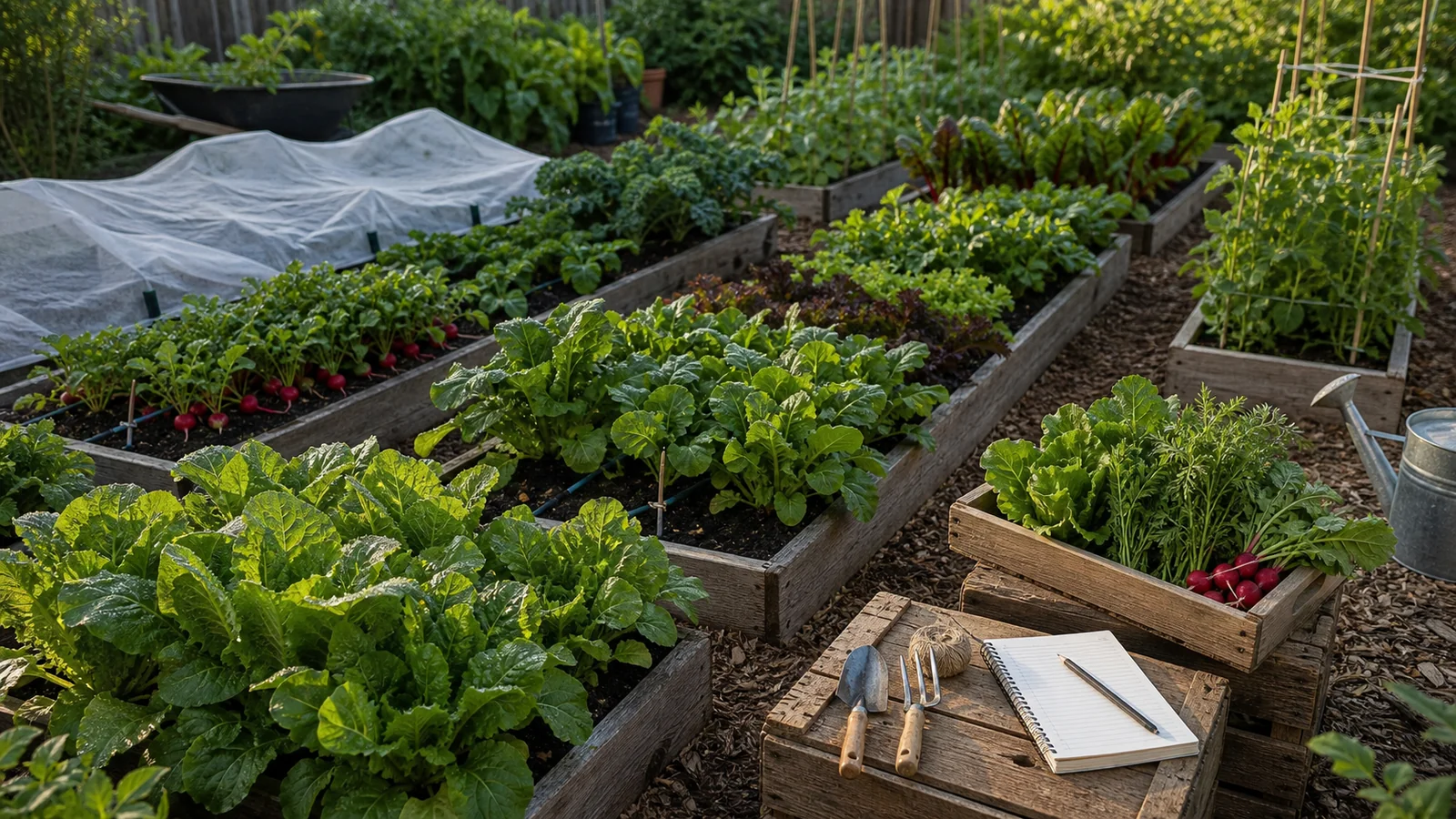
Use Market Gardening As A Method, Not A Business Promise
Market gardening usually means small-scale, intensive production of vegetables, herbs, flowers, or fruit for local sale. The commercial version cares about repeat harvests, efficient paths, reliable soil, quick bed turnover, and crops that can be picked cleanly. Those ideas can help a home garden, even if you never sell a single bunch of herbs.
For a homeowner, the useful question is not “Can this bed make money?” It is “Can this space produce more useful food or flowers with less wasted motion?” That shift keeps the idea practical. A market-garden-inspired bed should still look good from the patio, fit your weekends, and leave room for sitting, walking, and enjoying the yard.
Use this guide if your vegetable patch feels random, your raised beds sit empty between crops, or your garden produces too much of one thing and then nothing for weeks.
Choose A Bed System You Can Repeat
Market gardeners often use repeatable beds because standard sizes make planting, covering, watering, and harvesting easier. A home garden benefits from the same thinking. When beds are similar widths, you can plan rows, hoops, drip lines, compost, mulch, and crop rotations without starting over every season.
A good home bed is usually narrow enough to reach across without stepping on the soil. Many gardeners use beds around three to four feet wide, then adjust length to fit the yard. The exact number is less important than the rule: no regular foot traffic in the growing soil.
Before building more beds, decide:
- How wide you can comfortably reach
- Where the main paths need to be
- How wheelbarrows, buckets, or hoses will move
- Whether beds should be raised, in-ground, or framed
- Where sun lasts longest
- How close the beds are to water
- Whether the garden still looks calm from the house
Repeatability does not mean the garden has to look industrial. Wood-framed beds, tidy in-ground beds with mulched paths, or low metal edging can all feel attractive. The goal is order you can actually maintain.
Our garden drawing guide can help you map the bed pattern before you buy lumber, compost, or irrigation parts.
Protect The Soil From Compaction
The quiet strength of a productive garden is soil structure. If you walk on the same soil you plant in, it becomes harder for roots, air, water, and soil life to move. Market gardening systems usually protect growing beds and keep feet in paths. That single habit can improve a home garden quickly.
Use these soil-protection moves:
| Problem | Better move | Why it helps |
|---|---|---|
| Stepping into beds to harvest | Make beds reachable from both sides | Keeps soil open and workable |
| Bare soil between crops | Use mulch, cover crops, or quick replanting | Reduces crusting and weeds |
| Heavy digging every season | Add compost and loosen only when needed | Preserves soil structure |
| Random hose dragging | Plan hose routes and water points | Avoids crushing seedlings |
| Wet-season foot traffic | Use stable paths | Keeps mud out of beds |
Healthy soil does not come from one product. Compost, mulch, roots, water management, and time all matter. If the soil is compacted, poorly drained, or extremely sandy, fix the condition before expecting dense planting to perform.
For amendment decisions, our soil amendments for gardens guide explains when compost, mulch, lime, sulfur, drainage work, or a formal soil test makes sense.
Plan Crops By Use, Not Only By Excitement
Seed catalogs make every crop feel essential. Market gardening forces a harder question: what will actually be used, harvested, and replanted? Home gardeners should ask the same question, but with household value instead of sales value.
Sort crops into four groups:
- Daily-use crops: herbs, salad greens, scallions, cherry tomatoes, cut flowers
- Space-hungry crops: squash, pumpkins, sweet corn, sprawling melons
- Long-season anchors: tomatoes, peppers, eggplants, dahlias, perennial herbs
- Quick-turn crops: radishes, arugula, lettuce, baby kale, cilantro, beans
Daily-use and quick-turn crops often earn the best home-garden space because they are picked often and taste noticeably fresher. Space-hungry crops may still be worth growing, but they need honest room. One pumpkin vine can swallow a small bed that could have produced several rounds of greens and herbs.
Match crops to how you cook and live. If your household uses basil twice a week, grow basil near the kitchen. If nobody enjoys radishes, do not plant them just because they mature quickly. Productivity only matters when the harvest fits real life.
Use Succession Planting To Avoid Empty Beds
Succession planting is one of the most useful market gardening ideas for home yards. Instead of planting everything once, you plan a sequence. When one crop finishes, another crop is ready to follow. This keeps soil covered and spreads harvest across the season.
There are three simple types:
| Succession type | Home example | Best use |
|---|---|---|
| Repeat sowing | Lettuce every two weeks | Steady small harvests |
| Follow-on crop | Peas in spring, beans in summer, greens in fall | Full-season bed use |
| Interplanting | Fast radishes between slower broccoli | Short crops using open space |
Start with one bed. Write down the first crop, expected harvest window, and next crop. Keep the plan flexible because weather will change timing. The point is not perfection. The point is to stop letting good bed space sit empty after one harvest.
For beginners, choose easy successions:
- Spring lettuce followed by bush beans
- Early radishes followed by basil or zinnias
- Peas followed by cucumbers on the same support
- Garlic followed by fall greens
- Spring spinach followed by peppers in warmer weather
Do not force a new planting into exhausted soil. Add compost where needed, water deeply, and clear diseased plant material before the next crop goes in.
Keep Paths Useful And Good-Looking
Paths are not leftover space. In a productive garden, paths carry tools, harvest baskets, hoses, and feet. They also decide whether the garden looks intentional from the house.
Good path materials include:
- Wood chips over cardboard for informal vegetable gardens
- Gravel with edging for visible patio-adjacent beds
- Pavers or stepping pads where traffic is heavy
- Mown grass only if it can be kept narrow and tidy
- Mulch that can be refreshed without sliding into beds
Make the main path wide enough for real movement. Secondary paths can be narrower, but not so tight that you step into the bed every time you harvest. If you use a wheelbarrow or garden cart, test the turning space before locking in the layout.
A clean edge makes productive beds feel calmer. That matters when vegetables are at different stages, row cover is in use, or a bed is temporarily empty. The path and edge tell the eye that the garden is managed, not messy.
Water Like The Garden Has A Schedule
Market gardens depend on consistent water because uneven moisture leads to slow growth, splitting, bitterness, disease stress, and poor germination. Home beds need the same steadiness, scaled down.
Drip line or soaker hose is often easier than overhead watering, especially in tight beds. It puts water near roots, keeps leaves drier, and can be connected to a timer if your setup allows it. Hand watering still works for seedlings, containers, and small gardens, but it should be deliberate rather than rushed.
Check:
- Where water comes from
- Whether hoses cross paths
- Which beds dry fastest
- Whether containers need separate attention
- How mulch affects soil moisture
- Whether new seedings need lighter, more frequent water
Water deeply enough to encourage roots, then let the surface breathe. Constant shallow sprinkling can make plants dependent and encourage disease. The right rhythm depends on soil, heat, wind, crop stage, and rainfall.
Build A Small Tool And Harvest Station
One reason productive gardens fall behind is friction. The pruners are in the garage, the harvest bowl is in the kitchen, the labels are missing, and the gloves are wet. A small station near the beds makes repeated tasks easier.
It can be simple:
- A lidded box for gloves and twine
- A wall hook for a hoe and hand rake
- A stack of clean harvest baskets
- A small table or crate for sorting
- Plant labels and a pencil in a dry container
- Scissors or snips kept out of the weather
- A compost bucket or weed trug
Keep the station attractive if the garden is near a patio. A weathered bench, compact storage box, or potting table can look intentional. Avoid letting tools pile up in the paths, where they become visual clutter and tripping hazards.
Grow Flowers And Herbs For The Whole Yard
Market gardening is not only vegetables. Many small growers include herbs and cut flowers because they are useful, beautiful, and productive in small spaces. Home gardens should borrow that mixed approach.
Flowers and herbs can:
- Bring pollinators near food crops
- Make vegetable beds look less utilitarian
- Provide cut stems for the house
- Fill gaps between longer-season crops
- Add scent near paths
- Support beneficial insects when chosen carefully
Good candidates include calendula, zinnias, cosmos, nasturtiums, dill, cilantro, basil, parsley, thyme, sage, oregano, and chives. Choose plants for your region and avoid anything invasive or too aggressive for a small bed.
If you like mixing crops, our companion gardening okra bed partners article shows how spacing, sun, and plant behavior matter more than simple folklore.
Track What Happens Without Making It A Chore
Commercial growers keep records because memory is unreliable. Home gardeners do not need spreadsheets for every seed, but a few notes can save repeat mistakes.
Track:
- What was planted in each bed
- When it was sown or transplanted
- What performed well
- What failed and why you suspect it failed
- Pest or disease issues
- Which crops your household actually used
- Where water or shade caused problems
Use a notebook, wall calendar, phone note, or simple bed map. Keep it easy enough that you will use it during the season. The best note is the one you actually make.
At the end of the season, look for patterns. Maybe lettuce was excellent until heat arrived. Maybe tomatoes shaded the basil. Maybe one path was too narrow. Maybe the most productive bed was also the one closest to water. Those observations guide the next year’s layout better than any generic plan.
Start With One Market-Garden-Inspired Bed
You do not need to redesign the whole yard. Start with one bed and one habit: a standard width, protected soil, clear paths, a crop sequence, and a harvest routine.
A practical first plan:
- Choose the sunniest manageable spot.
- Mark one reachable bed and one clear path.
- Improve soil with compost according to need.
- Plant one quick crop and one longer-season crop.
- Add drip line or a consistent watering plan.
- Mulch paths before weeds take over.
- Keep a small harvest basket and snips nearby.
- Replant as soon as the first crop finishes.
- Review what worked before adding more beds.
Market gardening is efficient because every part of the space has a job. A home garden can use that discipline without losing charm. When beds are reachable, paths are clear, soil is protected, and crops follow one another, a vegetable patch becomes more than a hopeful spring project. It becomes a steady, useful part of the yard.
You might also like
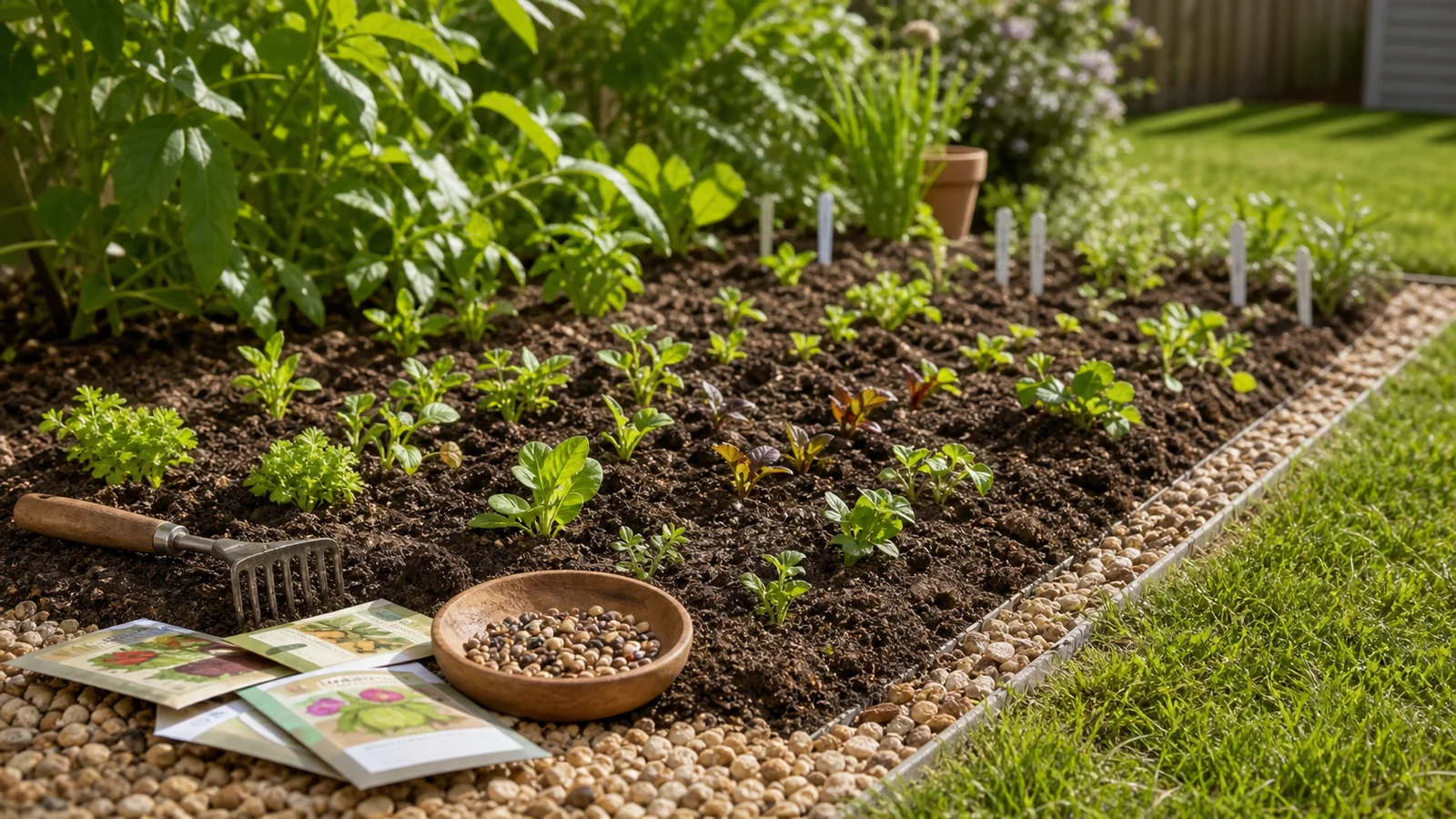
Chaos Gardening Without A Mess
Try chaos gardening with smarter seed choices, light prep, clear edges, and simple thinning so the bed feels lively, not messy.
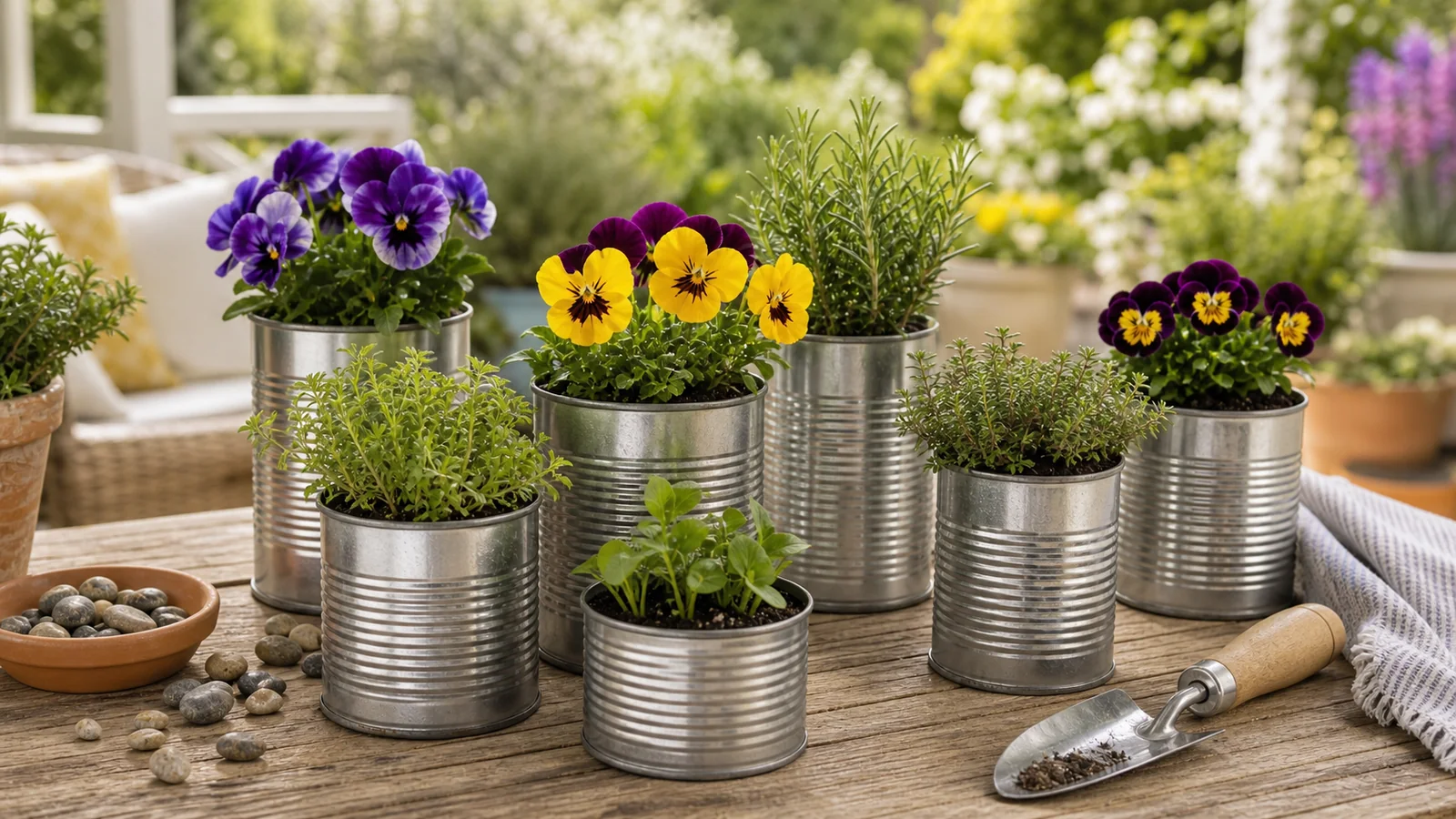
Spring Gardening Tin Cans for Small Planters
Turn spring gardening tin cans into safe small planters with smooth edges, drainage holes, potting mix, and realistic plant choices.
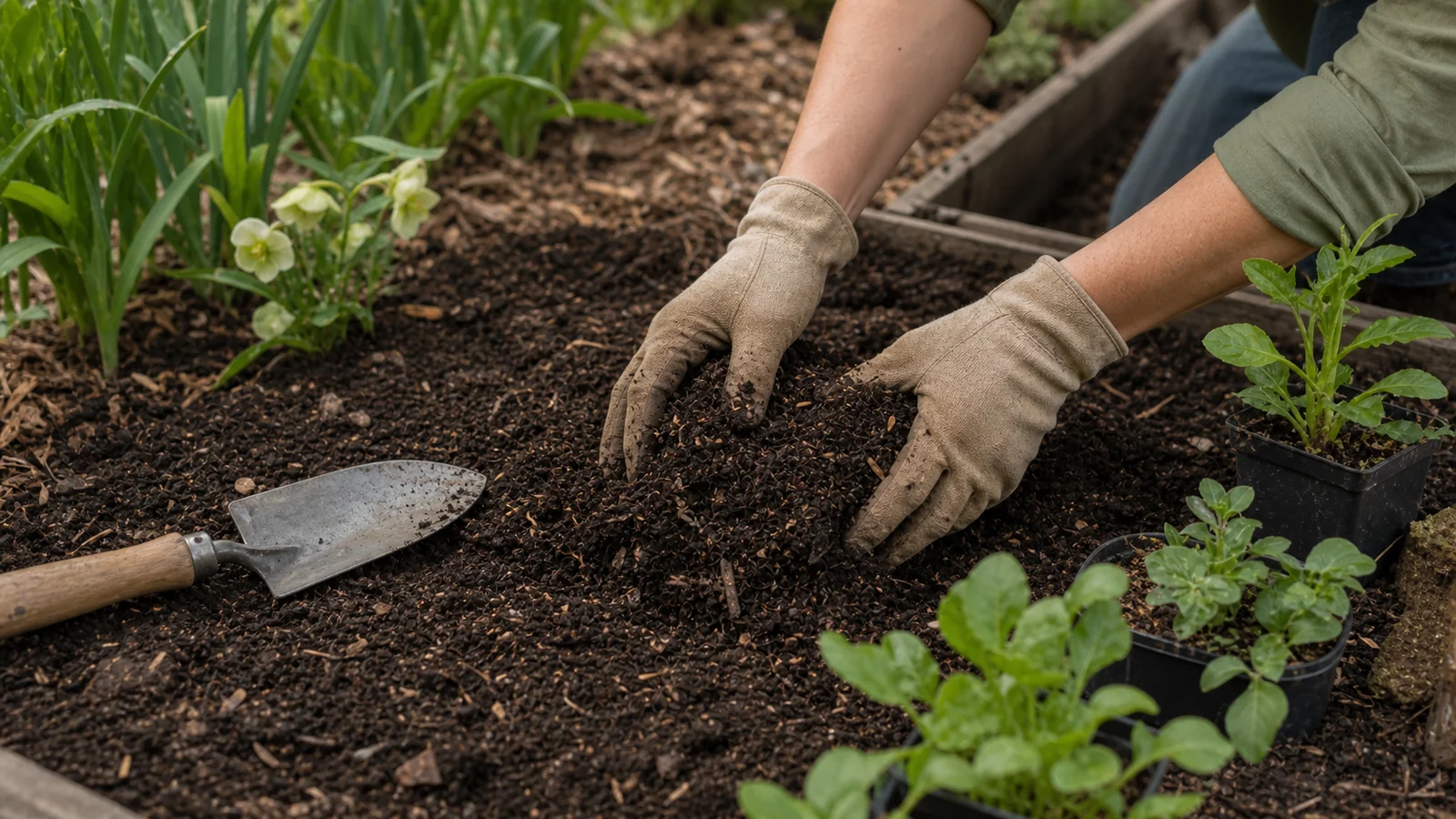
Soil Amendments for Gardens That Work
Choose soil amendments for gardens by testing first, matching compost, mulch, lime, sulfur, and organic matter to the actual soil problem.