Companion Gardening Okra Bed Partners
Build The Okra Bed Around Heat, Sun, And Space
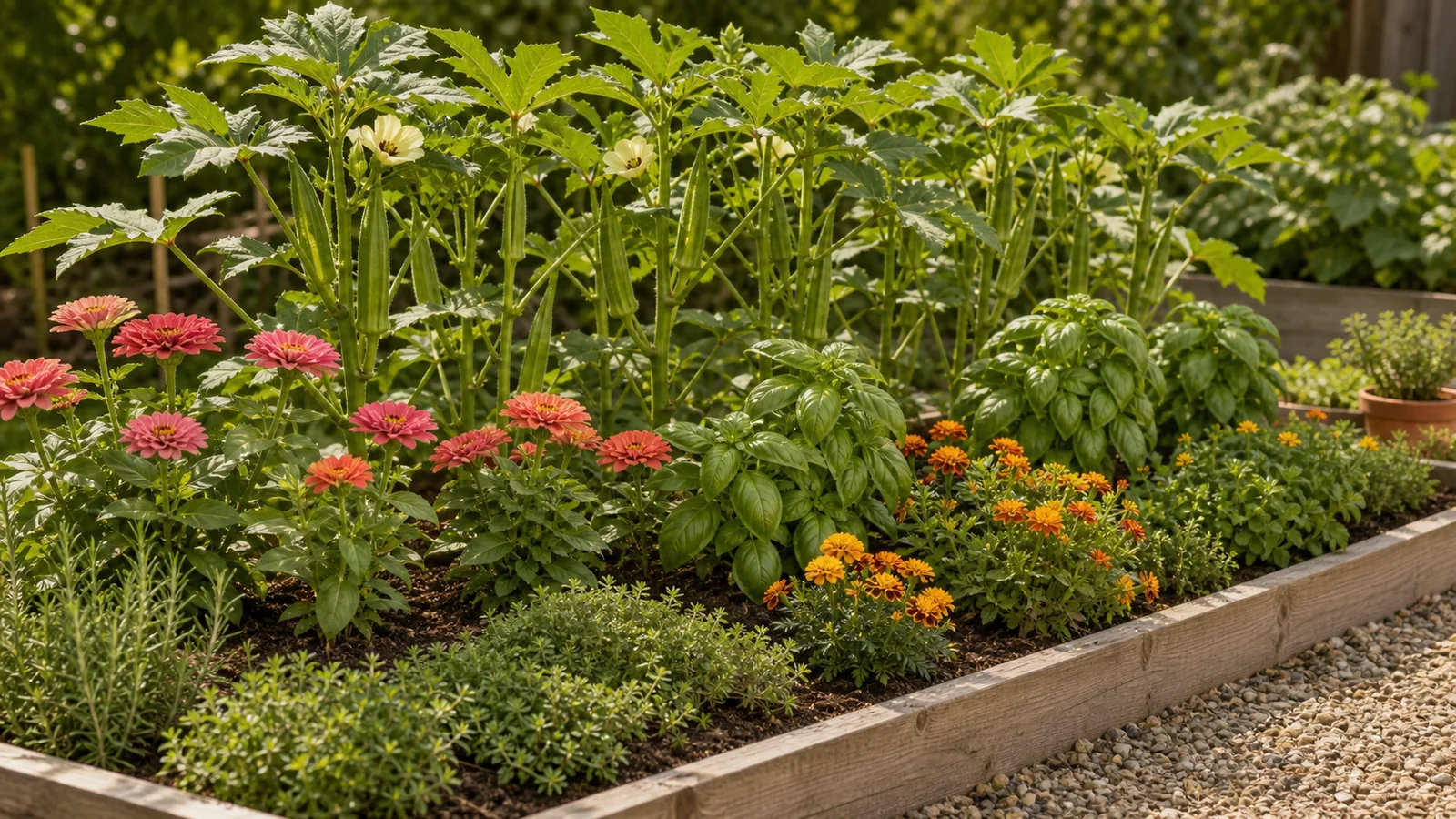
Companion gardening okra starts with what okra needs most: warmth, full sun, steady moisture, and room for tall stems. If those basics are missing, no companion plant will rescue the bed.
Okra is a warm-season crop that can become tall and broad. It casts shade, asks for regular harvesting, and needs air movement around the stems. The best companion plants work with that shape instead of fighting it. They fill edges, attract pollinators, cover soil lightly, or use the bed before okra reaches full size.
Think of companion gardening for okra as layout design, not a list of magic pairings. The goal is a bed that is easier to water, harvest, weed, and enjoy.
Put Okra Where It Will Not Shade The Whole Bed
Before choosing companions, decide where the okra belongs. In many home gardens, okra works best along the north side of a bed in the Northern Hemisphere, where its height is less likely to shade shorter crops. In very hot climates, a little afternoon shade from okra can help tender greens or herbs, but too much shade will weaken sun-loving plants.
Give okra enough spacing for its mature size. Crowded okra can become hard to harvest and slow to dry after rain. It may also hide pest problems until they are advanced.
Use this basic layout idea:
| Bed area | Good role | Better companions |
|---|---|---|
| Back or north side | Tall okra row | Flowers, herbs, or low crops in front |
| Bed corners | Pollinator accents | Marigolds, zinnias, calendula, basil flowers |
| Front edge | Easy harvest plants | Bush beans, low herbs, lettuce in cool windows |
| Between young okra | Temporary fillers | Radishes, greens, small herbs before shade builds |
Leave a path or reaching space. Okra pods grow quickly, and harvesting is easier when you can see the stems without stepping into the bed.
Use Flowers For Pollinators And A Better-Looking Bed
Okra flowers are beautiful in their own right, but a few companion flowers can make the bed more active and more attractive. Flowers also help a vegetable bed feel intentional, especially if it sits near a patio, side yard, or kitchen door.
Good flower companions include:
- Zinnias for bold summer color and long bloom
- Marigolds for compact edging and easy care
- Calendula in cooler parts of the season
- Cosmos where there is enough room
- Nasturtiums near the edge in mild conditions
- Alyssum in cooler weather or containers nearby
Choose flower sizes carefully. Tall cosmos beside tall okra may create a thicket. A compact marigold edge or a few zinnias at the corners may be easier to manage.
Do not rely on flowers as a guaranteed pest shield. They are useful because they add bloom, draw beneficial insects, and make the bed more diverse. They still need enough space, water, and air.
Add Herbs That Like Similar Conditions
Herbs can work well with okra when they share the same sun and watering rhythm. Basil is one of the easiest matches because it enjoys warm weather and can be harvested often. Dill, cilantro, parsley, chives, oregano, and thyme may also fit, depending on season and climate.
Match the herb to the spot:
| Herb | Best place with okra | Watch point |
|---|---|---|
| Basil | Sunny front or side edge | Pinch often so it stays bushy |
| Dill | Corner or end of bed | Can grow tall and self-sow |
| Cilantro | Cool-season shoulder planting | Bolts quickly in heat |
| Parsley | Part sun edge in warm climates | Slow to establish |
| Chives | Permanent edge or nearby pot | Keep clumps from crowding |
| Thyme | Drier edge or separate pot | Dislikes heavy wet soil |
Let some herbs flower if you can spare them. Tiny herb flowers can attract small beneficial insects. Just avoid letting every herb go to seed if the bed still needs tidy access.
For broader design language around texture, repetition, and plant roles, our gardening language guide can help translate plant labels into practical choices.
Choose Low Crops That Do Not Fight The Roots
Low crops can fill space while okra is young, but they should not compete heavily once okra is established. Think short-term, shallow, or edge-friendly.
Bush beans can work near okra if the bed is roomy and both crops receive enough sun. Lettuce, arugula, and radishes can fit early in the season before heat and shade build. Peppers or eggplants may share warm-season needs, but they still require space and should not be wedged tightly under okra.
Avoid planting large vines through the okra row unless you have a clear plan. Cucumbers, melons, squash, and sweet potatoes can spread fast and make harvesting okra awkward. They may be better in a nearby bed, on a trellis, or along an edge where they have a defined direction.
Use companion crops to make the bed easier, not more crowded. If you cannot reach the okra pods, the planting is too dense.
Keep Soil Covered Without Smothering Seedlings
Okra likes warm soil, but bare soil can crust, dry out, and invite weeds. Companion plants can help cover the surface, especially near bed edges. So can mulch.
Use a thin organic mulch once seedlings are established and the soil is warm. Keep mulch away from direct stem contact. If you sow low crops between okra plants, thin them before they form a mat.
Good soil cover options include:
- Light straw or shredded leaf mulch after soil warms
- Low herbs near the edge
- Early greens harvested before okra is tall
- A tidy marigold or alyssum border where climate fits
- Compost-amended soil that holds moisture without staying soggy
If the bed has heavy clay, poor drainage, or weak fertility, solve that before planting. Our soil amendments for gardens article explains why compost, pH changes, and mulch should match the actual soil problem.
Make Harvesting Part Of The Layout
Okra is not a plant you can ignore for long stretches during harvest season. Pods can become large and tough quickly. A good companion layout keeps the stems visible and reachable.
Leave openings every few feet if the bed is wide. Keep prickly, sprawling, or delicate plants away from the main harvest side. If you wear gloves and long sleeves to pick okra, make sure the path is wide enough to move comfortably.
Place the prettiest companions where they can be seen without blocking harvest:
- Flowers at corners
- Basil along the front edge
- Low greens between young plants only
- A trellis behind the bed, not through the okra row
- Containers nearby for herbs that need different water
This approach makes the bed look full while still respecting the crop you came to grow.
Avoid Companions That Create More Work
Some plants are not bad companions in theory, but they create practical problems in a small home bed. Large vines can tangle. Tall flowers can shade. Thirsty crops can change watering needs. Perennials can make annual bed cleanup harder.
Be cautious with:
- Pumpkins and winter squash in narrow beds
- Full-size sunflowers close to okra
- Mint planted directly in the bed
- Heavy-feeding crops packed too close
- Dense groundcovers that hide weeds or pests
- Plants with very different water needs
Mint is especially better in a pot. It may be useful near a garden, but it can spread aggressively in open soil. Keep it contained and place the pot where you can water it separately.
Companion gardening should reduce friction. If a pairing makes watering, pruning, harvesting, or cleanup harder, it is not helping.
Try A Simple Okra Companion Plan
For a manageable raised bed or sunny in-ground strip, use a simple structure:
- Plant okra along the back or north side with enough space between plants.
- Add basil or parsley near the front edge.
- Place compact marigolds or zinnias at the corners.
- Sow quick greens or radishes only while okra is small and weather suits them.
- Mulch lightly after the soil warms.
- Keep one side open for harvesting.
- Remove temporary crops before they crowd the okra.
If the bed is near a patio, repeat one flower color and one herb texture so the planting looks deliberate. A few clay pots, a gravel edge, or a clear path can make an edible bed feel like part of the outdoor living space.
For hot-yard planning, our North Haven Gardens ideas article shows how climate, water access, and plant shopping decisions shape better warm-weather beds.
Adjust For Containers And Small Spaces
Okra can grow in containers, but it needs a large pot, warm exposure, and steady water. Companion planting in a container should be restrained. One okra plant with a low herb or flower near the edge is more realistic than a crowded mini vegetable garden.
Use a deep container with drainage and a quality potting mix. Place it where it gets strong sun and where watering is easy. Add a compact basil, a few marigolds, or trailing nasturtium only if the pot is large enough.
In small spaces, companions can also live nearby rather than in the same soil. Put herbs in separate pots around the okra container. Place flowers in a neighboring trough. You still get visual diversity and insect activity without forcing every plant to share one root zone.
FAQ
What grows well with okra?
Warm-season herbs, compact flowers, bush beans, and short-term greens can work well when they have enough sun and space. Basil, marigolds, zinnias, parsley, radishes, and lettuce in cooler windows are practical choices for many home gardens.
Should tomatoes be planted with okra?
Tomatoes and okra both like warmth, but they can become large, hungry plants. They may share a garden area if spacing, staking, and airflow are good. In a small bed, they are often easier to manage in neighboring sections rather than crowded together.
Can okra shade other plants?
Yes. Mature okra can cast useful light shade in hot climates, but it can also weaken sun-loving crops. Put okra where its height will not block the whole bed, and use lower companions that can tolerate the light they receive.
Are marigolds good companion plants for okra?
Marigolds can be useful because they add compact color and attract insect activity, but they are not a guaranteed pest solution. Use them as part of a diverse, well-spaced bed rather than as a cure-all.
Keep The Companions Useful
Companion gardening okra works best when the partners support the bed’s real needs. Okra wants sun, heat, space, water, and easy harvest access. Its companions should add bloom, cover soil, use early-season gaps, or make the bed more attractive without crowding the stems.
Start with a simple layout, then edit as the plants grow. A good okra bed should feel abundant, but you should still be able to reach the pods.
You might also like
North Haven Gardens Ideas for Hot Yards
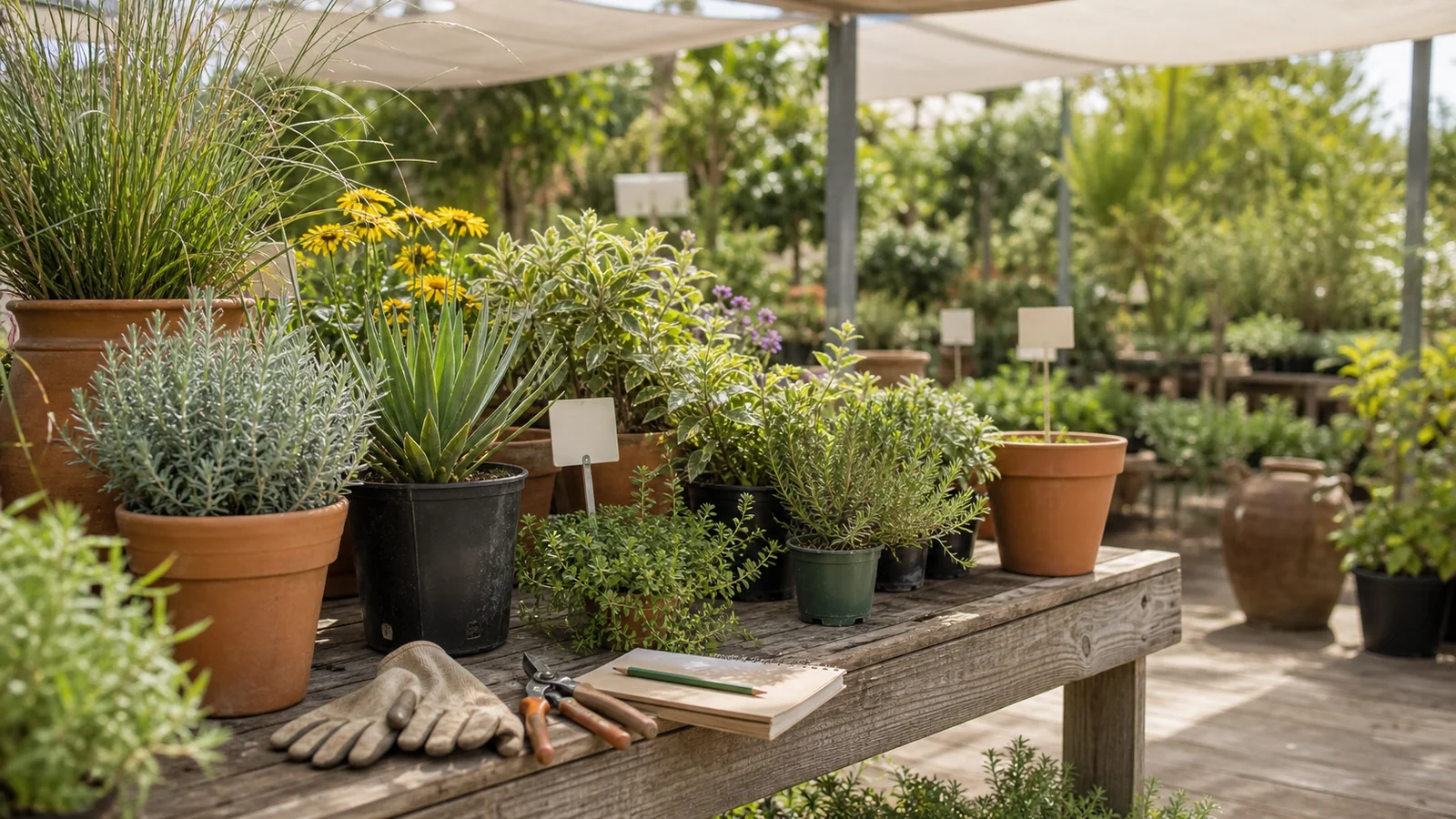
Use North Haven Gardens as a model for climate-aware plant shopping, heat-ready beds, shade planning, and practical yard refreshes.
Hostas for Shade Gardens With Lasting Texture
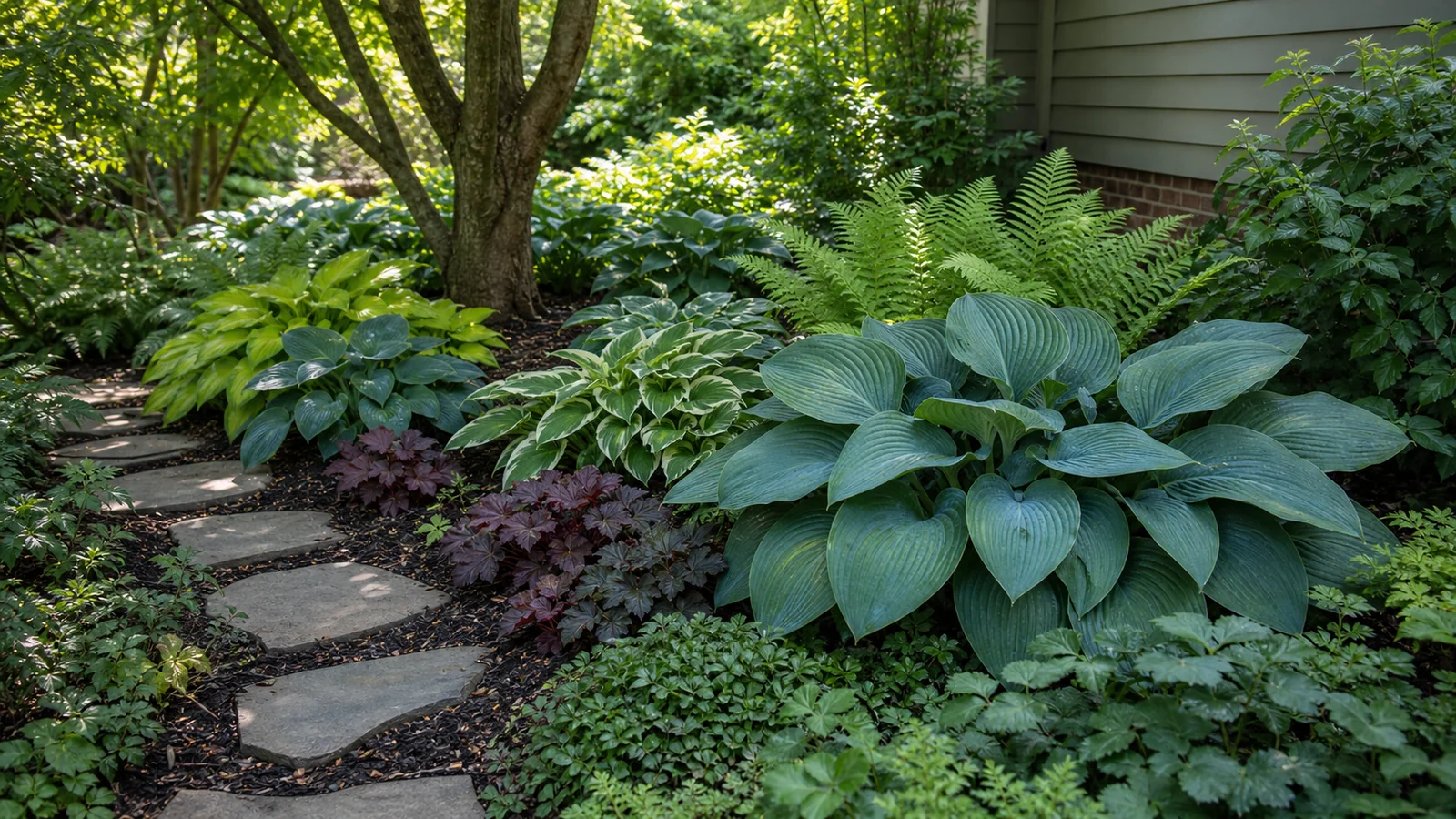
Use hostas for shade gardens by matching leaf color, size, companions, moisture, and slug protection to the site.
Green Spring Gardens With Texture and Calm
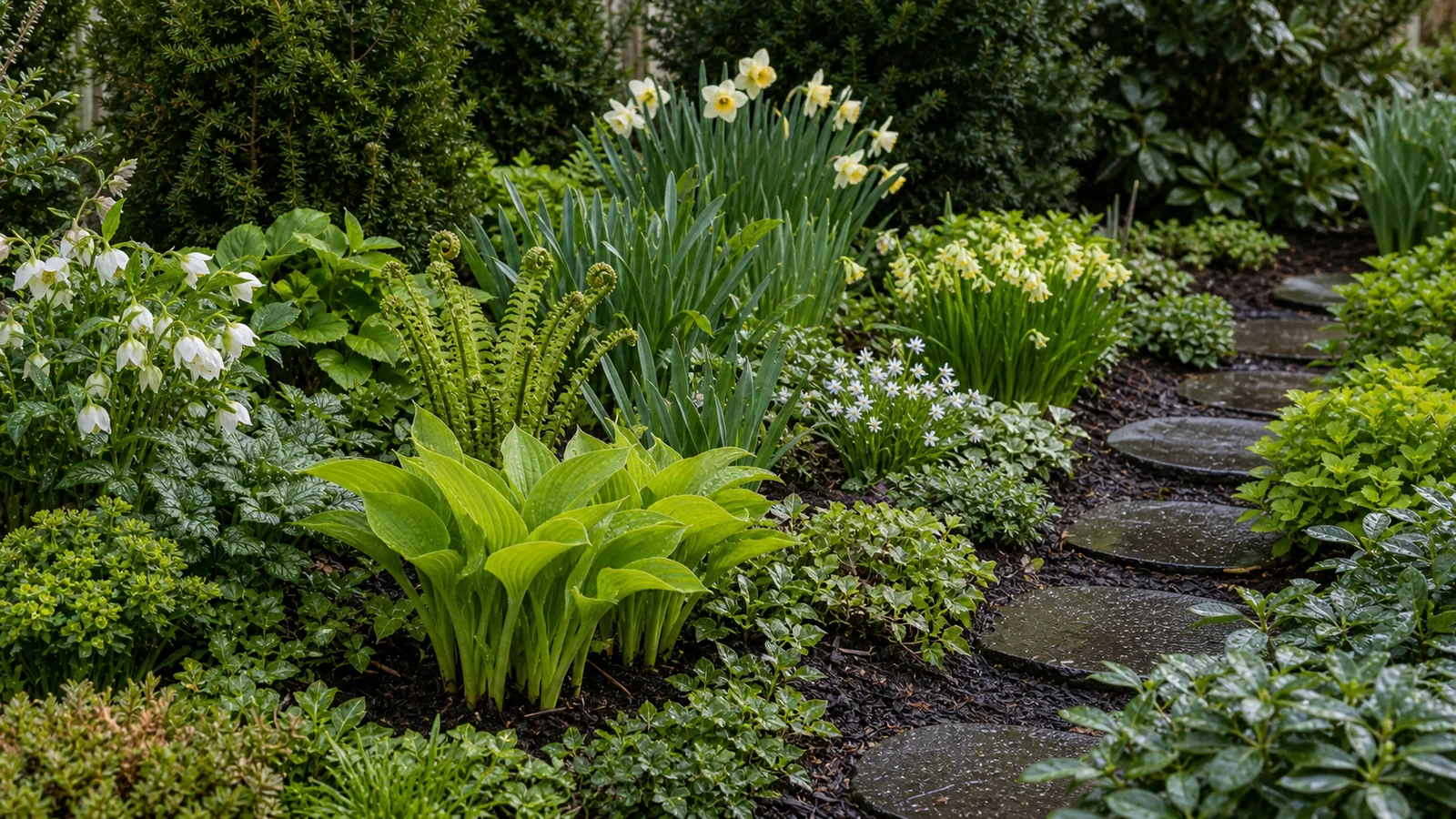
Design green spring gardens with fresh foliage, early bulbs, evergreen structure, and small color accents.