Gardening Language Beginners Can Actually Use
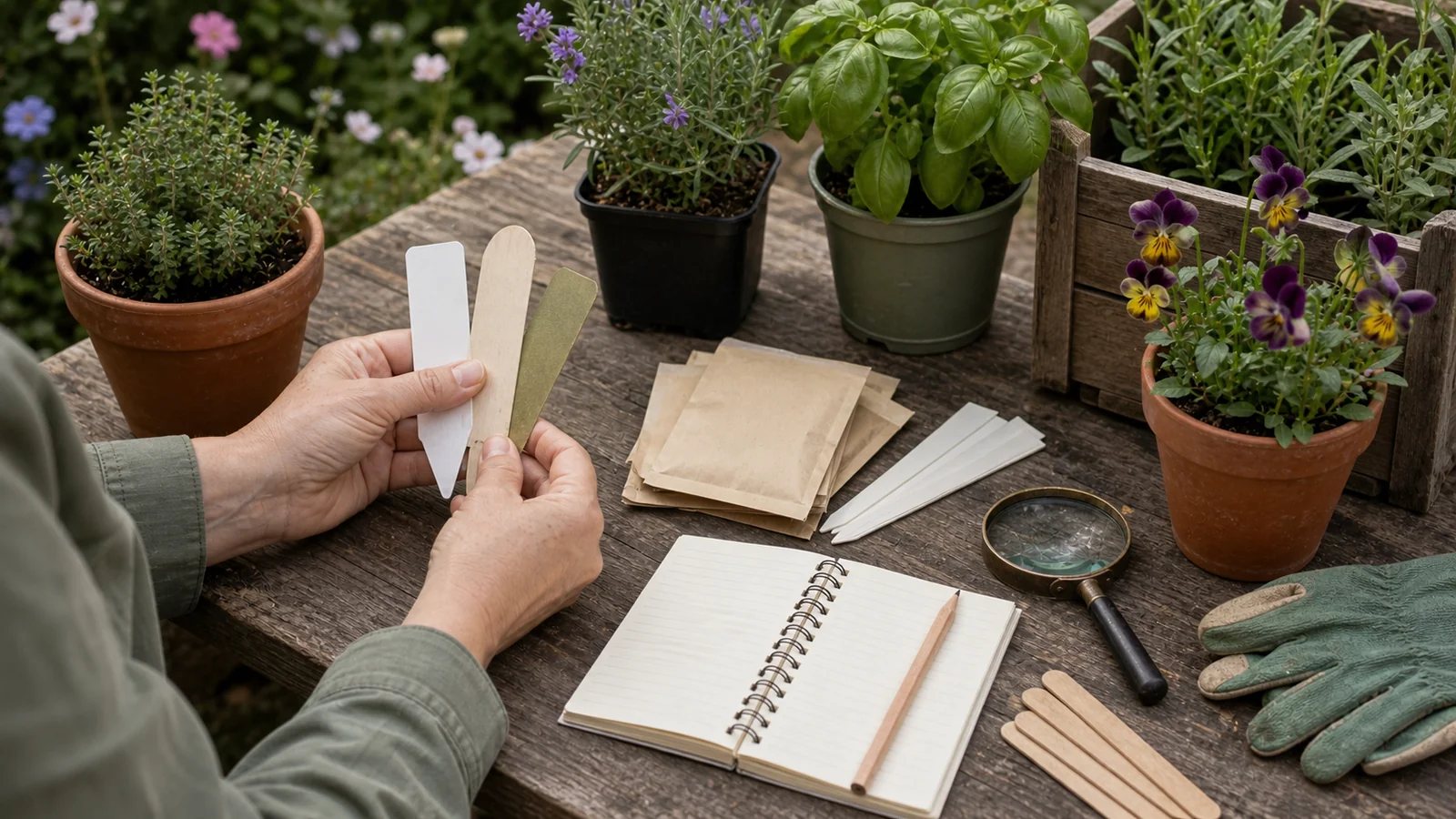
Treat Gardening Language As A Set Of Clues
Gardening language can make a simple plant choice feel more complicated than it is. Seed packets, nursery tags, catalog descriptions, and design articles all use shorthand: full sun, hardy, perennial, deadhead, focal point, texture, days to maturity, spacing, and more.
You do not need to memorize every term before you garden. You need to know which words change the decision in front of you. Some terms tell you where a plant can live. Some tell you how much care it needs. Others help you arrange plants so a bed or patio looks intentional.
The goal is not to sound fluent at the nursery. The goal is to bring home plants and supplies that fit your real space.
Read Light Words Before Pretty Words
Light terms are among the most important gardening language because they decide whether a plant has a fair chance.
“Full sun” usually points to a bright site with many hours of direct light. “Part sun” or “part shade” means the plant wants some direct sun but may struggle in all-day heat. “Shade” does not mean darkness. It means lower light, often under trees, beside buildings, or under a covered patio.
Translate light terms into your own yard:
| Label wording | What to check at home | Practical choice |
|---|---|---|
| Full sun | Does the spot get strong direct light for much of the day? | Use sun-loving herbs, vegetables, and flowers |
| Part sun | Does it get a few good hours, often morning or late day? | Choose flexible herbs, greens, and many flowering plants |
| Part shade | Is it protected from harsh afternoon sun? | Look for plants that like cooler light |
| Shade | Is the area bright but not directly sunny? | Favor foliage, texture, and shade-tolerant blooms |
If a plant tag’s light word does not match your space, believe the tag. A beautiful plant in the wrong light becomes a maintenance problem quickly.
Understand Plant Life Cycle Terms
Annual, perennial, and biennial are simple words, but they affect cost, timing, and expectations.
Annuals complete their life cycle in one growing season. They are useful for fast color in containers, gaps, and patio refreshes. Perennials return for multiple years in suitable conditions, though many bloom for a shorter window. Biennials usually grow leaves one year, then flower and set seed the next.
“Hardy” means a plant can survive cold conditions to a certain level. “Tender” means it can be damaged by frost or cold. Hardiness depends on climate, exposure, soil drainage, and sometimes winter wet, so the word is a guide rather than a guarantee.
For a first garden, mix the terms on purpose. Use annuals for quick pleasure, perennials for structure, and tender plants only where you are willing to protect or replace them.
Decode Seed Packet Timing
Seed packets are packed with useful information, but the most important timing words are easy to skim past.
“Days to maturity” estimates how long a plant takes to reach harvest or bloom under decent growing conditions. It is not a promise. Cool weather, heat, low light, poor soil, drought, and crowding can all slow growth. For transplanted crops, the timing may begin after transplanting rather than the day you sow indoors.
“Direct sow” means plant the seed where it will grow. “Start indoors” means sow seeds inside before moving seedlings outdoors. “Germination” is the sprouting stage. “Thinning” means removing extra seedlings so the remaining plants have enough room.
Use packet timing like this:
- Check whether your season is long enough
- Count backward from your likely planting or frost dates
- Follow planting depth more carefully than you think
- Respect spacing, even if young seedlings look tiny
- Make notes if the packet timing was too optimistic for your yard
If seed language feels like too much, start with nursery plants for the first season and try seeds for one easy crop later.
Translate Spacing Into A Better-Looking Garden
Spacing language is not only about plant health. It also affects how the garden looks.
“Plant spacing” tells you how far apart individual plants should sit. “Mature spread” tells you how wide a plant may become. “Height” tells you how tall it may grow under good conditions. Beginners often plant for the size plants are on purchase day, then the bed becomes crowded by midsummer.
In a design-aware garden, spacing creates rhythm. Repeating three of the same plant with enough room often looks calmer than squeezing in ten unrelated plants. If you want a fuller look right away, use temporary annuals between slower perennials instead of permanently crowding everything.
For containers, spacing matters too. A small pot can only support so much root growth and water demand. If the label says a plant becomes wide, either give it a larger pot or pair it with fewer companions.
Know Maintenance Words Before You Commit
Some gardening language quietly tells you how much care a plant or bed may need.
“Deadhead” means remove spent flowers to tidy the plant or encourage more bloom. “Prune” means cut stems or branches for shape, health, size, or flowering. “Pinch” means remove soft growing tips to encourage bushier growth. “Divide” means split a mature perennial into smaller sections. “Stake” means support a plant so it does not flop.
None of these words are bad. They simply describe work. If you enjoy regular garden visits, deadheading and pinching may feel satisfying. If you want a very low-fuss patio, choose plants that do not need constant grooming.
Look for warning phrases such as “vigorous spreader,” “self-seeds freely,” “requires staking,” or “needs consistent moisture.” These can be useful traits in the right place and frustrating in the wrong one.
Use Soil Words Without Getting Lost
Soil terms can sound technical, but a few are enough for most home gardens.
“Well-drained” means water moves through the soil rather than sitting around roots. Many herbs, Mediterranean-style plants, and bulbs need this. “Moist but well-drained” means the soil should hold some moisture without becoming soggy. “Heavy clay” holds water and nutrients but can compact. “Sandy soil” drains quickly and may need compost and more frequent watering.
“Compost” is decomposed organic material added to improve soil structure and support soil life. “Mulch” sits on top of the soil to reduce weeds, conserve moisture, and moderate temperature. “Amendment” is a broad word for something added to soil to change its structure, nutrients, or pH.
If you are growing in containers, use potting mix rather than garden soil. If you are improving a bed, add compost gradually and avoid piling on random products because the label sounds impressive.
Make Design Terms Practical
Garden design language helps when it points to a visible choice. You do not need a formal design vocabulary to make a better patio or border, but a few terms are useful.
“Focal point” is the thing the eye lands on: a container, bench, small tree, birdbath, gate, urn, or bold plant. “Texture” describes the visual feel of leaves and materials, such as fine grasses beside broad hosta leaves. “Repetition” means using a plant, color, shape, or material more than once so the space feels connected.
“Scale” asks whether something looks right for the size of the space. A tiny pot can disappear on a wide patio. A huge planter can overwhelm a narrow balcony. “Layering” means placing taller plants behind or among lower ones so the bed has depth.
These terms are useful because they turn taste into action. If a border feels scattered, repeat one plant. If a patio feels empty, add a focal point. If a bed feels flat, vary texture and height.
Watch For Marketing Words
Some plant descriptions use language that is partly useful and partly sales-driven. Words such as easy, low maintenance, compact, drought tolerant, long blooming, and fast growing all need context.
“Drought tolerant” usually means tolerant after establishment, not after one day in a small dry pot. “Compact” may still be too large for a tabletop container. “Low maintenance” may still require pruning, watering, or deadheading. “Fast growing” may mean quick coverage, but it can also mean more cutting back.
Ask one follow-up question for every appealing word:
| Marketing phrase | Ask this before choosing |
|---|---|
| Low maintenance | What maintenance does it still need? |
| Drought tolerant | Is it tolerant in a pot, or only in the ground after establishment? |
| Compact | What is the mature height and spread? |
| Long blooming | Does it need deadheading or feeding to keep blooming? |
| Fast growing | Will it outgrow this space quickly? |
This does not mean you should distrust every label. It means you should connect the label to your real conditions.
Build Your Own Garden Vocabulary Slowly
You will learn gardening language faster by using it than by reading a glossary start to finish. Keep a small list of terms that actually affect your garden.
For a new container gardener, that list might include drainage, potting mix, full sun, mature spread, deadhead, and water deeply. For a raised-bed gardener, it might include direct sow, transplant, thinning, days to maturity, mulch, and succession planting. For a design-focused gardener, it might include repetition, scale, texture, focal point, and layering.
If you are just starting out, our gardening for beginners guide shows how these words turn into a first-season plan. If you are more interested in making gardening a regular habit, gardening as a hobby keeps the focus on routine and enjoyment.
FAQ
What gardening terms should beginners learn first?
Start with terms that affect placement and care: full sun, part shade, annual, perennial, hardiness, mature size, spacing, well-drained soil, mulch, direct sow, transplant, and deadhead.
What does full sun mean on a plant tag?
Full sun generally means the plant needs strong direct light for much of the day. In very hot climates or on paved patios, some plants labeled full sun may still appreciate protection from harsh afternoon heat.
What does days to maturity mean on a seed packet?
Days to maturity estimates how long a plant takes to reach harvest or bloom under suitable growing conditions. Weather, light, soil, watering, and whether the plant was direct sown or transplanted can affect the real timing.
What is the difference between compost and mulch?
Compost is mixed into or placed on soil to improve structure and add organic matter. Mulch usually sits on top of the soil to reduce weeds, hold moisture, and protect the surface.
Let The Words Help You Decide
Gardening language is useful when it makes your next choice clearer. Read light words before color words. Check mature size before spacing plants. Notice maintenance terms before buying. Treat design words as tools for arranging a space, not as rules you have to recite.
The more you garden, the more familiar the words become. For now, let each term answer one practical question: where should this go, how much care will it need, and will it make the garden feel better?
You might also like
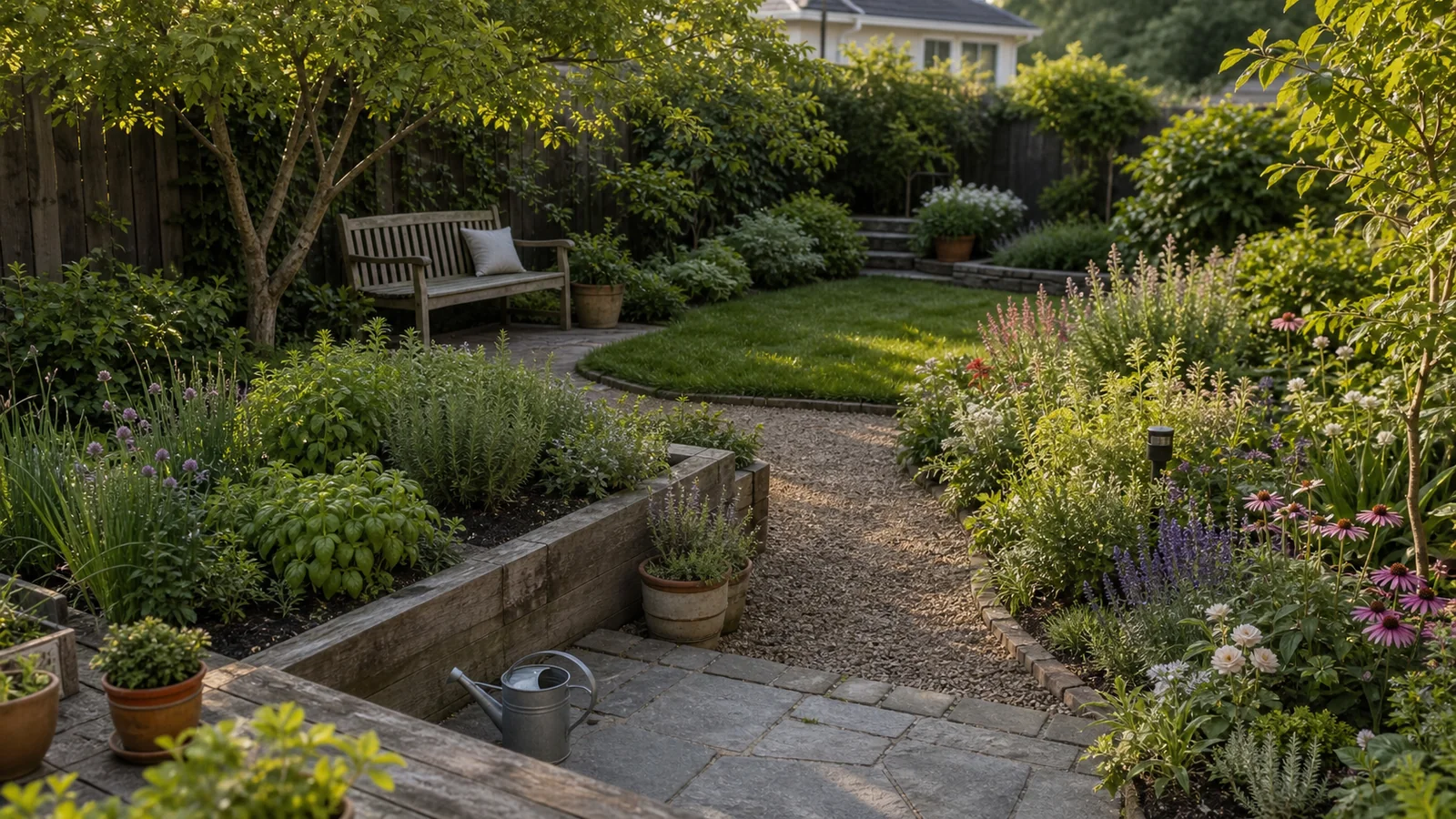
The Gardens: Make a Yard Feel Intentional
Use the gardens idea to turn scattered beds, paths, seating, and planting into a yard that feels calm, usable, and connected.
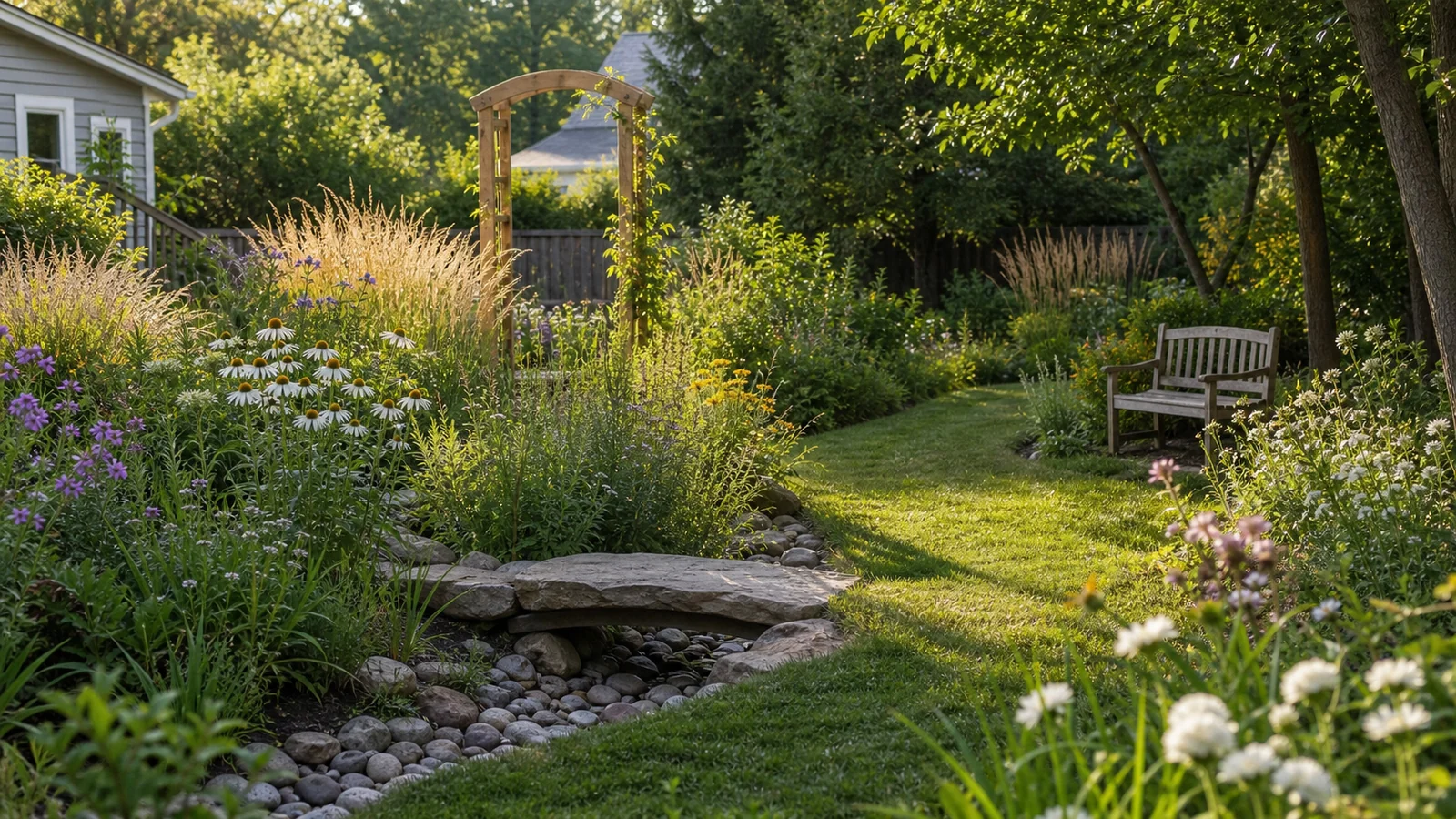
Glenwood Gardens Design Lessons for Family Yards
Borrow Glenwood Gardens ideas for meadow edges, playful paths, quiet benches, and family-friendly garden rooms at home.
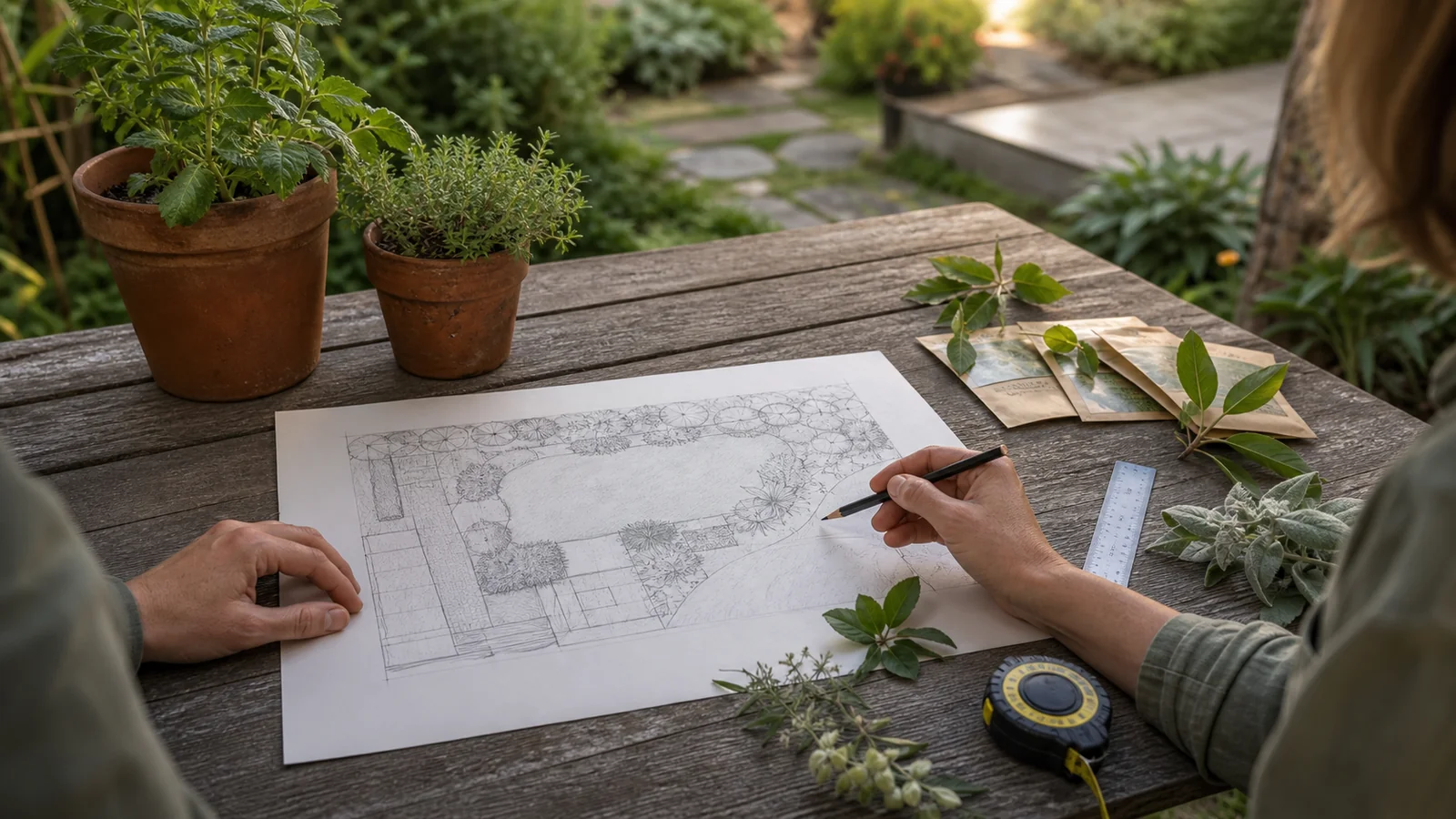
Gardening Draw: Sketch a Yard Plan That Works
Use a simple gardening draw method to map views, paths, beds, plants, and weekend changes before you start digging.