North Haven Gardens Ideas for Hot Yards
Treat The Nursery Visit As A Design Step
North Haven Gardens is known as a long-running Dallas garden center, which makes it useful inspiration for homeowners far beyond North Texas. A good local nursery is not just a place to buy pretty plants. It is a place to understand what your climate, soil, season, and maintenance level will allow.
That is the better way to use the North Haven Gardens idea at home. Do not treat plant shopping as the first step. Treat it as the middle step, after you have read the yard and before you commit to a bed full of plants.
This matters most in hot, dry, humid, windy, or fast-changing climates. The plant that looks fresh on a shaded retail bench may not enjoy your reflected-heat patio, clay soil, or full afternoon sun. A more thoughtful nursery visit can save money, water, and a lot of disappointment.
Walk Your Yard Before You Shop
Before visiting a nursery, walk the yard with one goal: collect site facts. You do not need a formal design plan, but you do need to know where each new plant will live.
Check the light at different times of day. Morning sun and afternoon sun are not equal. A plant that handles soft morning light may scorch against a west-facing fence. A shaded side yard may still be bright enough for foliage plants if it has open sky above it.
Also check water, wind, and soil. Is the bed under a roof overhang? Does the hose reach? Does rain pool in one corner? Does the soil crack, stay sticky, or drain too fast? Are tree roots competing with new plants?
Use a simple pre-shopping note:
| Site detail | What to write down | Why it matters |
|---|---|---|
| Light | Morning sun, afternoon sun, shade, reflected heat | Plant stress and leaf scorch |
| Soil | Clay, sandy, compacted, root-filled, moist | Drainage and amendment choices |
| Water | Hose access, irrigation, dry roofline, runoff | Establishment and maintenance |
| Space | Mature width, path clearance, door swings | Crowding and future pruning |
| Style | Formal, relaxed, cottage, modern, edible | Plant palette discipline |
Bring measurements and a few photos. The best plant advice starts with the actual site, not a vague memory of the bed.
Shop For Conditions, Then For Color
It is easy to shop by flower color first. That can work for a seasonal pot, but it is risky for a permanent bed. Climate fit, light fit, mature size, and water needs should come before color.
Start by asking what plants suit the hardest part of your site. If the bed gets hot afternoon sun, choose heat-tolerant plants first. If the space is shaded and dry, choose plants that can handle root competition. If the patio has small containers, choose plants that will not need constant rescue watering.
Then narrow by color and texture. A warm planting palette might use deep green shrubs, silver foliage, clay-colored pots, and soft yellow or coral flowers. A calmer shade palette might use glossy leaves, ferns, cream variegation, and pale blooms. A pollinator border might repeat purple, white, and gold across the season.
For bigger planning questions, our dream home gardening guide can help you connect plant choices to the views and outdoor zones you use every week.
Build A Heat-Ready Planting Palette
Hot yards need more than tough plants. They need a planting structure that reduces stress. Soil preparation, mulch, spacing, shade, and watering all affect whether the bed survives the first hard season.
Begin with structure. Use shrubs, small trees, ornamental grasses, and long-lived perennials as the backbone. Add annuals and tender plants only where you can water and refresh them easily.
A heat-ready palette can include:
- Deep-rooted shrubs for structure
- Ornamental grasses for movement and drought tolerance after establishment
- Perennials selected for local heat and humidity
- Groundcovers or mulch to shade soil
- Containers near water access, not at the farthest dry corner
- One small tree or shade feature where outdoor living needs relief
Avoid planting everything too tightly. Crowded beds may look full at first, but they can trap humidity, invite disease, and make watering uneven. Give plants room to mature, then use mulch or low temporary fillers while the bed grows in.
Use Nursery Displays As Composition Lessons
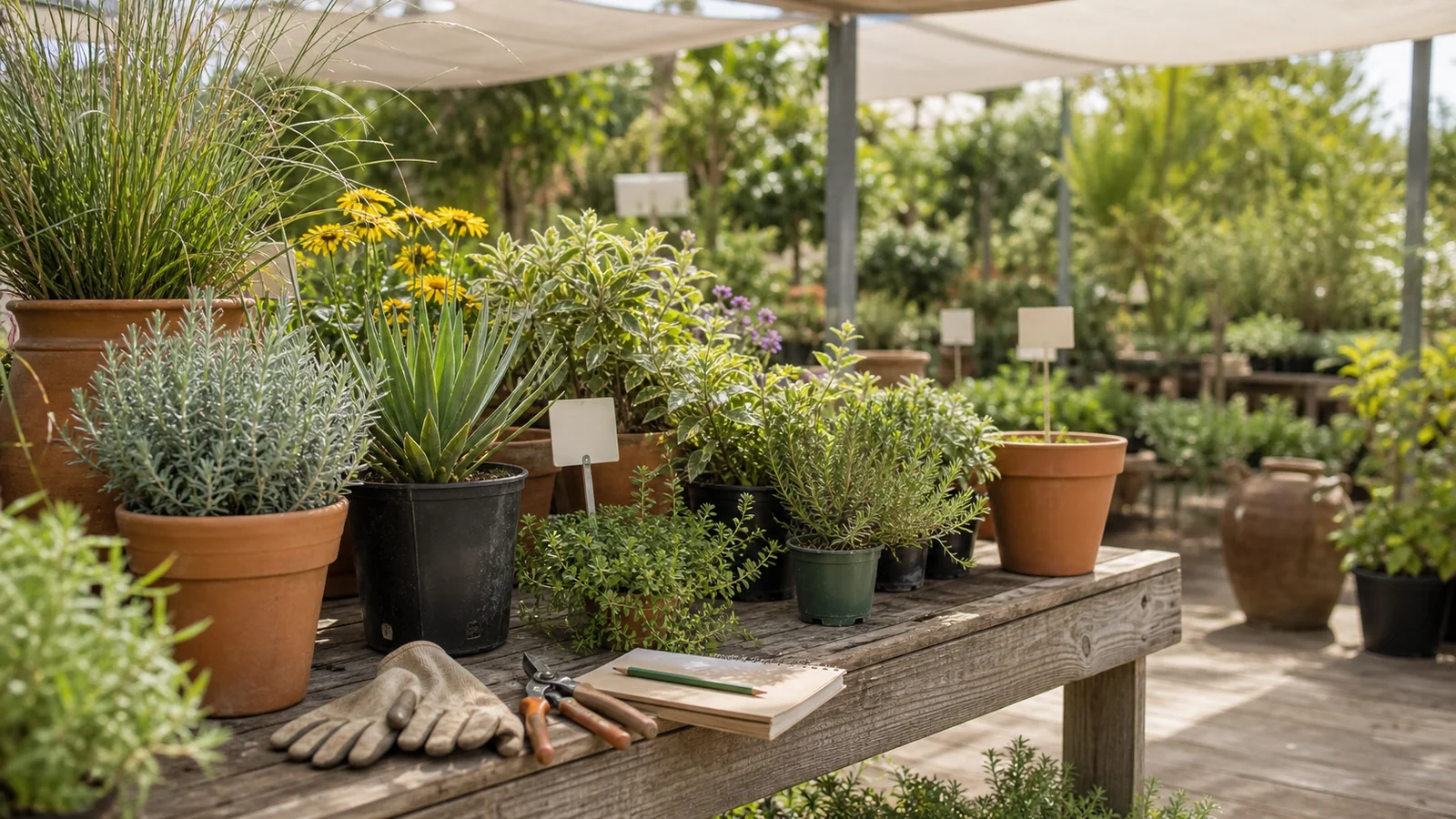
Garden centers often show plants grouped in attractive ways. Use those displays as design lessons, not shopping lists. A display can teach you how leaf texture, pot color, flower shape, and plant height work together.
Look for three things. First, notice the tallest plant and how it anchors the group. Second, notice the middle layer that gives fullness. Third, notice the spilling, fine, or bright detail that softens the edge.
That same structure works in a patio pot, front entry group, or small bed:
| Layer | Container version | Bed version |
|---|---|---|
| Height | Upright grass, small shrub, trellis plant | Shrub, small tree, tall perennial |
| Fullness | Mounding foliage or flowers | Repeated perennials or compact shrubs |
| Edge | Trailing plant or fine texture | Groundcover, low edging plant, mulch line |
| Accent | Seasonal color | A small repeated flower color |
If the display is high-maintenance, borrow the composition rather than the exact plants. Replace delicate choices with plants that suit your climate and schedule.
Ask Better Plant Questions
A helpful nursery conversation starts with specific questions. Instead of asking, “What looks good?” ask questions that reveal whether the plant fits your yard.
Try these:
- How large will this plant be in three to five years?
- Does it handle afternoon sun, or only morning sun?
- How often will it need water after establishment?
- Is it better in the ground or in a container?
- Does it need pruning to stay tidy?
- Is it prone to pests in this area?
- Is there a more resilient alternative with a similar look?
The answers help you avoid impulse buys that create work later. They also help you find plants that match the site’s reality.
Be honest about maintenance. If you travel often, avoid many small thirsty pots. If you dislike pruning, skip plants that need regular shaping to look good. If you want a polished patio, invest in fewer, larger containers rather than a scattered collection of small ones.
Plan For Shade Before Summer Pressure
Hot yards often need shade as much as they need plants. Shade protects people, containers, soil, and tender leaves. It also makes outdoor spaces more pleasant to use.
Look at where shade is missing. A west-facing patio, exposed entry, or long bare fence can feel harsh even with attractive plants. A small tree, pergola, shade sail, umbrella, trellis, or tall container can change how the space behaves.
Planting shade takes time, so begin with both short-term and long-term solutions. Use an umbrella or shade cloth where immediate comfort matters. Plant a small tree or large shrub where future canopy will improve the whole area.
Under shade, adjust the palette. Use foliage contrast, pale flowers, and textural plants rather than forcing sun lovers into low light. Our hostas for shade gardens guide shows how leaf texture and mature size can carry a cooler corner.
Keep Containers Close To Care
Containers are useful in hot climates, but they need placement discipline. A pot in full sun on paving dries faster than the same pot in morning light near a wall. Small pots dry faster than large ones. Dark containers can heat roots.
Place containers where you will actually water them. Near a kitchen door, patio hose, or daily walking route is better than a remote corner. Use larger pots when possible because they hold moisture more evenly and look more substantial.
Choose container plants for the exact exposure. Herbs may love sun but still need steady water. Some flowering annuals fade in high heat. Foliage plants can give longer interest with less bloom pressure.
A practical hot-weather container group might include one upright structural plant, one soft mounding plant, one trailing plant, and one seasonal accent. Keep the pot material and color consistent so the group looks intentional.
Make Education Part Of The Garden Habit
One useful thing about garden centers with classes, handouts, and events is that they treat gardening as ongoing learning. Home gardeners benefit from that mindset.
Your yard changes every month. Heat arrives, pests appear, shade shifts, flowers fade, and containers outgrow their first plan. A little seasonal education helps you respond before small problems become expensive ones.
Build a simple rhythm:
| Season moment | What to learn or check |
|---|---|
| Late winter | Pruning timing, soil prep, spring planting windows |
| Spring | Plant spacing, watering setup, mulch, early pests |
| Early summer | Heat stress, container watering, shade needs |
| Late summer | What failed, what survived, what needs replacing |
| Fall | Shrubs, trees, bulbs, bed edits, compost |
| Winter | Structure, tools, planning, dormant cleanup |
Local extension offices, master gardener groups, and serious nurseries are often more useful than generic advice because they understand regional pressure.
Buy Fewer Plants With A Stronger Plan
A North Haven Gardens-style shopping trip can be inspiring, but restraint still matters. A cart full of unrelated plants rarely makes a better yard. A smaller group of well-chosen plants, repeated with purpose, usually does.
Before checkout, review the cart as a design. Do the plants share similar light and water needs? Are there enough repeats to make a bed feel connected? Is there structure, or only seasonal color? Do you know where every plant will go?
If not, put something back. This is not a failure. It is good design.
For a small bed, three kinds of plants may be enough: one structural shrub, one repeated perennial or grass, and one seasonal accent. For a patio, three coordinated containers often look better than eight mismatched small pots.
Turn The Visit Into A Weekend Project
Once you bring plants home, keep the project focused. Prepare the bed, place every pot before planting, check spacing, and water deeply. Do not rush into planting at the hottest part of the day if the weather is harsh.
A good weekend sequence looks like this:
- Clear weeds and tired annuals.
- Improve the edge so the bed shape is clear.
- Set plants in their nursery pots and step back.
- Check mature spacing and path clearance.
- Amend soil only as needed for the plants and site.
- Plant at the correct depth.
- Water slowly and mulch without burying crowns.
- Recheck moisture over the next few weeks.
If you want more approachable project ideas, our Mercer Botanic Gardens design lessons article focuses on paths, resting points, shade, and layered garden views.
Let Local Knowledge Shape The Garden
North Haven Gardens is a useful reminder that good gardening is local. The best plant is not always the trendiest one. It is the one that suits your light, heat, soil, water, and real maintenance rhythm.
Walk the yard before shopping. Buy for conditions before color. Use nursery displays to understand composition. Ask practical questions. Then choose fewer plants with more purpose.
That kind of plant shopping may feel slower, but it makes the yard easier to live with. The garden becomes less about rescuing impulse buys and more about building a place that looks settled, seasonal, and genuinely yours.
You might also like
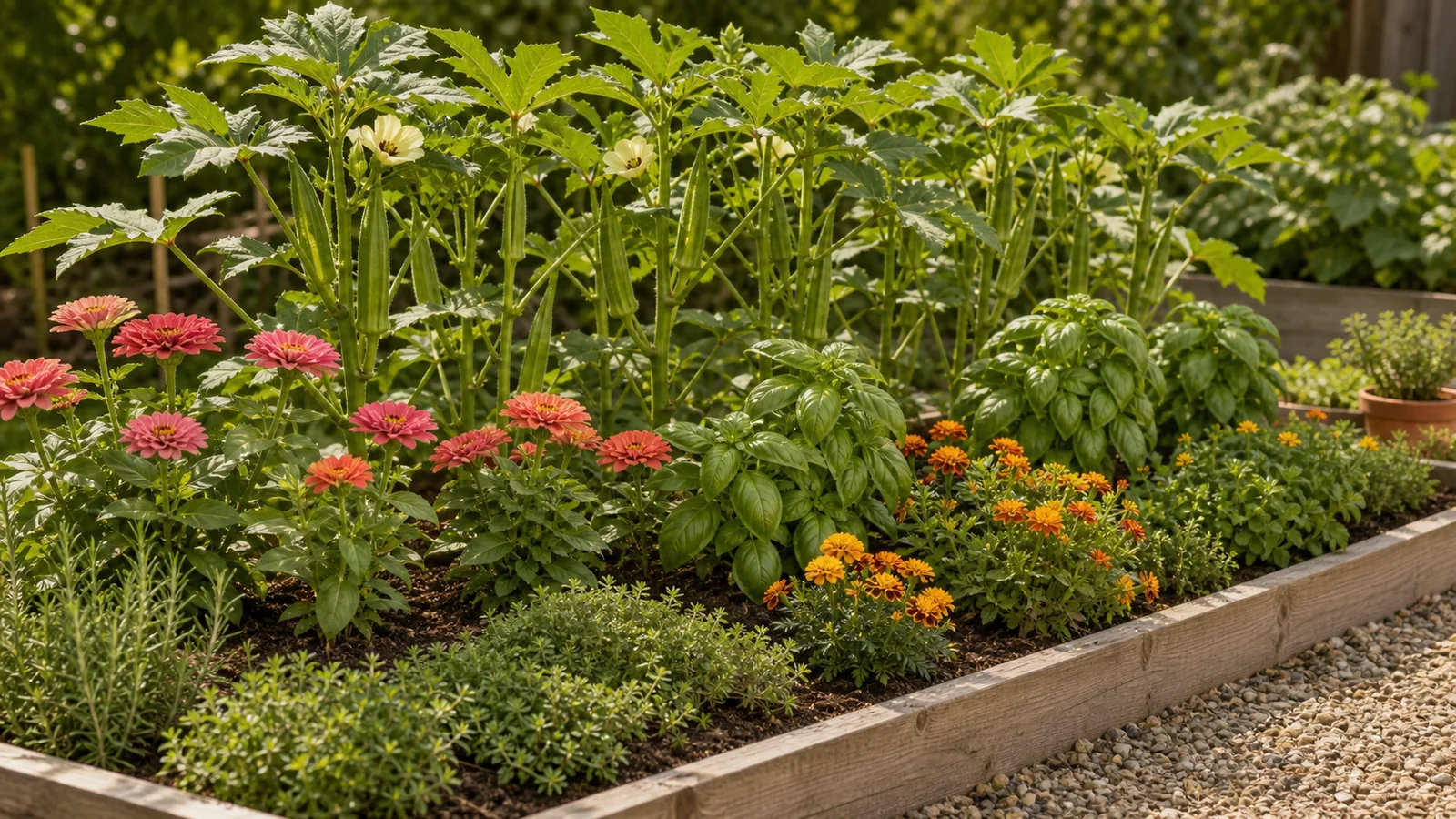
Companion Gardening Okra Bed Partners
Plan companion gardening for okra with sun, spacing, herbs, flowers, and low crops that support harvest instead of crowding.
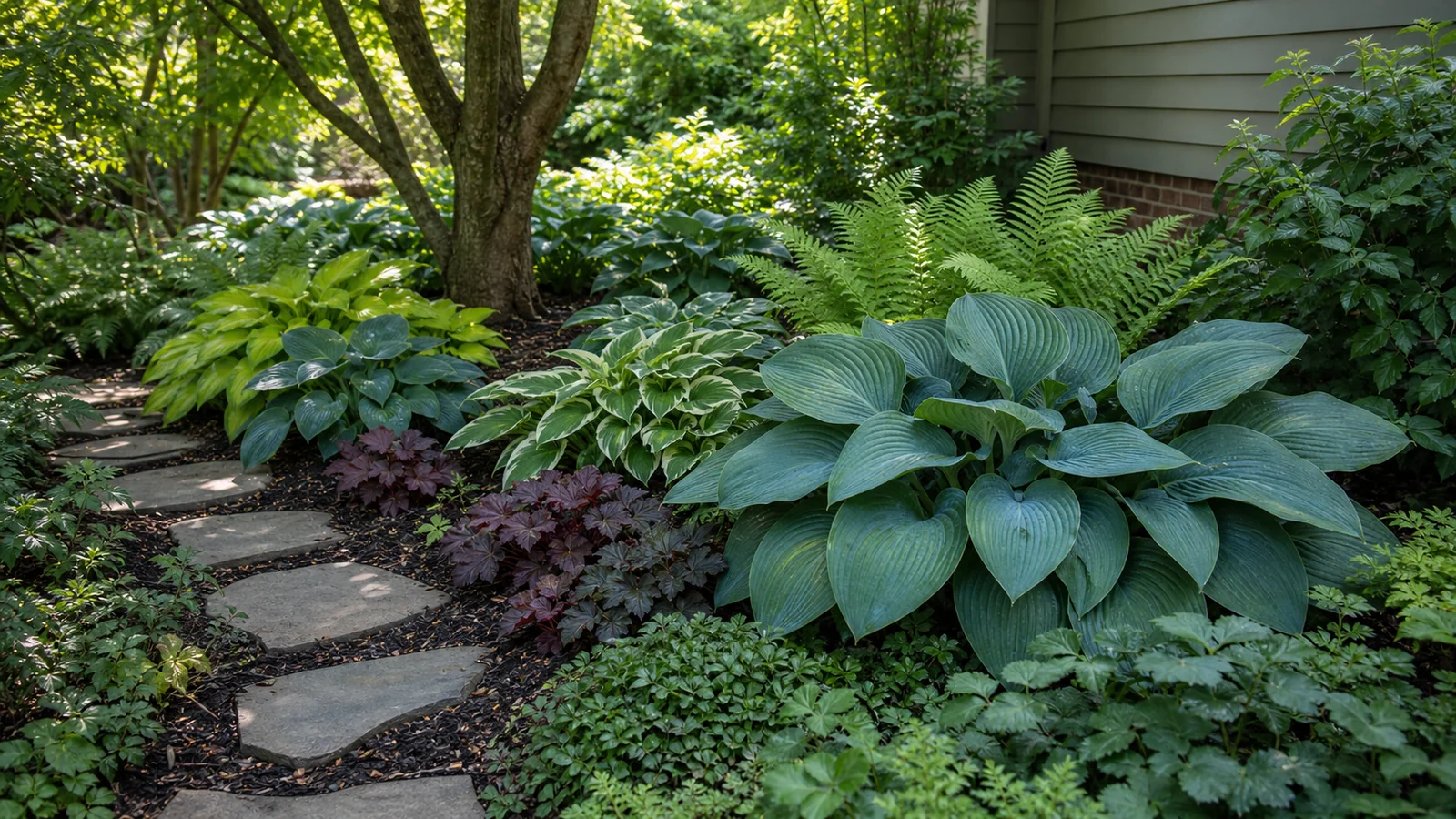
Hostas for Shade Gardens With Lasting Texture
Use hostas for shade gardens by matching leaf color, size, companions, moisture, and slug protection to the site.
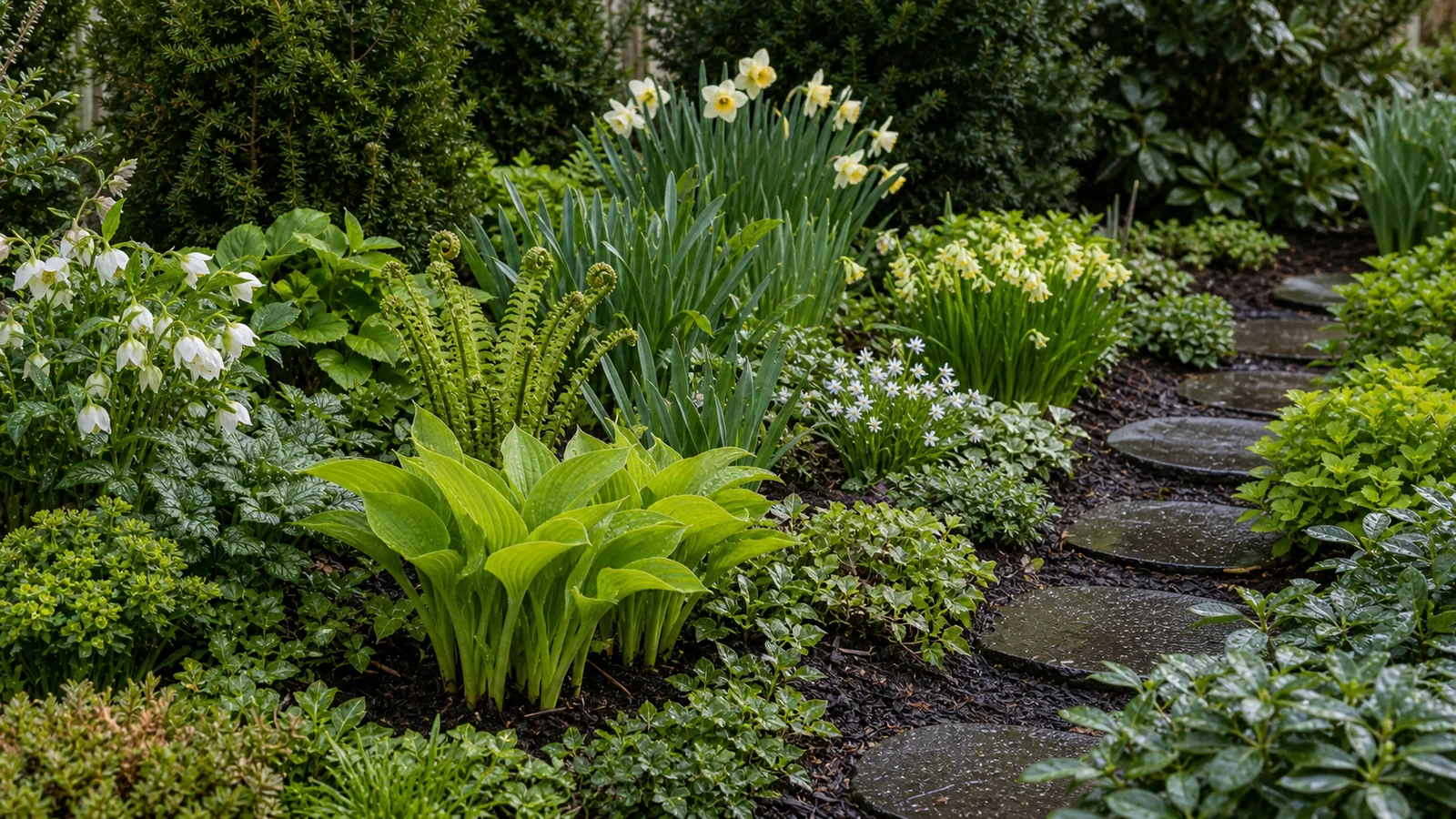
Green Spring Gardens With Texture and Calm
Design green spring gardens with fresh foliage, early bulbs, evergreen structure, and small color accents.