Gardening for Beginners: A Calm First Plan
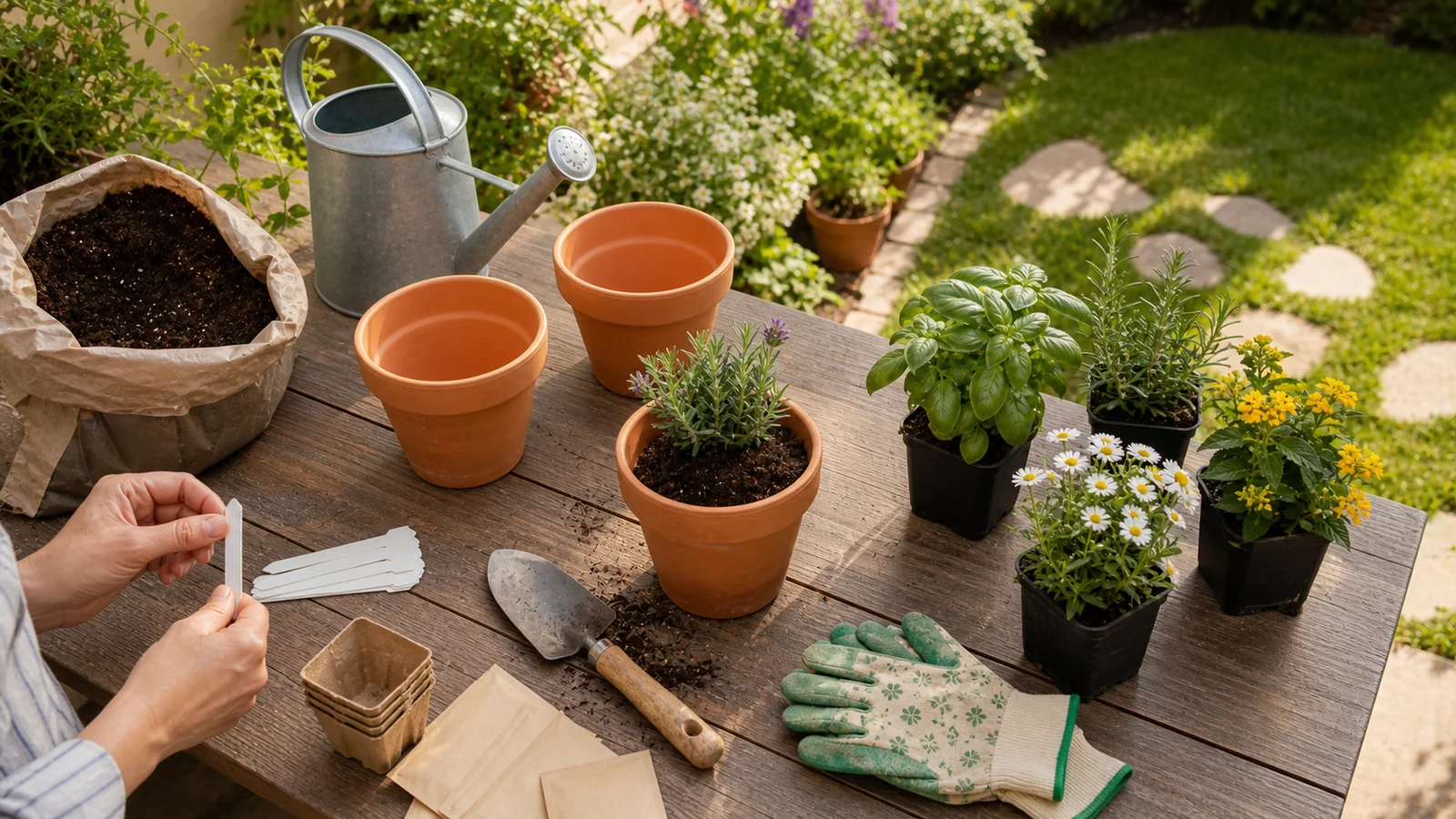
Begin With The Space You Can Actually Care For
Gardening for beginners becomes much easier when the first plan is small, visible, and close to water. A garden does not fail because it starts modestly. It often fails because it starts too far away, too large, or too complicated for the time a new gardener has.
Choose one first growing area: a patio container group, a small raised bed, a strip beside a path, or a corner of an existing border. If you can see it from the kitchen window or pass it on the way outside, even better. You will notice dry soil, weeds, flowers, and problems sooner.
The first season is not about mastering every plant. It is about learning how your home garden behaves. Light, wind, rain, soil, shade, pests, and your own routine all shape what will grow well.
Watch The Light Before You Buy Plants
Most beginner mistakes begin with a hopeful plant in the wrong light. Before shopping, watch the space for a few days. Notice where sun falls in the morning, midday, and late afternoon.
Many vegetables, herbs, and flowering annuals need a bright site with roughly six or more hours of direct sun. Shade gardens can still be beautiful, but they need plants chosen for lower light. A narrow side yard, covered porch, or tree-shadowed patio may not suit tomatoes, basil, or sun-loving flowers.
Make a quick light map in plain language:
| Light condition | What it means for a beginner | Good first direction |
|---|---|---|
| Full sun | Strong direct light for much of the day | Herbs, vegetables, lavender, many annual flowers |
| Part sun | A few good hours, often morning or late-day | Leafy greens, parsley, chives, some compact flowers |
| Bright shade | Open light but little direct sun | Hostas, ferns, heuchera, impatiens, shade containers |
| Deep shade | Dim most of the day | Focus on foliage, paths, seating, and texture |
If you are unsure, start with containers. They let you test a spot before committing a whole bed.
Put Water Within Easy Reach
Water is heavy, and carrying it across the yard gets old quickly. A beginner garden should be near a hose, outdoor tap, rain barrel, or door where a watering can is easy to refill.
Containers dry faster than in-ground beds, especially on hot paving or windy balconies. Raised beds also drain faster than heavy ground soil. This is useful for root health, but it means you need to check moisture regularly during warm weather.
Do not water on autopilot. Push a finger into the soil. Lift small pots to feel their weight. Look at the plant, but also look at the soil. A drooping plant may be thirsty, but it may also be too hot, newly transplanted, or sitting in soggy mix.
Water the root area rather than spraying leaves. Early morning is usually easiest because plants enter the day hydrated and leaves have time to dry.
Choose Between Containers, Raised Beds, And In-Ground Beds
There is no single best beginner setup. The right choice depends on your space, budget, soil, and how permanent you want the garden to be.
Containers are flexible and quick. They suit patios, balconies, renters, and anyone who wants a small first test. Use pots with drainage holes and a quality potting mix, not dense garden soil from the yard.
Raised beds are useful when existing soil is compacted, weedy, or hard to improve quickly. They create a defined project and can be easier to reach. If you are weighing materials, our guide to cedar for raised bed gardens explains where cedar helps and where it may not be worth the cost.
In-ground beds can be budget-friendly if your soil is workable and the spot is convenient. Start small. Clear weeds well, add compost, avoid walking on the bed, and leave paths wide enough to work comfortably.
Build The Soil Before Expecting Too Much
Plants need more than a place to stand. They need air, moisture, nutrients, and drainage around their roots. Beginners do not need to become soil scientists, but they should understand the basics.
For containers, use potting mix. It is lighter than garden soil and drains better in a confined pot. For beds, loosen compacted soil gently and mix in compost or other organic matter. If you plan to grow food crops in the ground, a soil test can help you understand pH and nutrient needs before you add random amendments.
Avoid the urge to overfeed. Too much fertilizer can push weak growth or harm plants. Start with good soil preparation, then follow plant-specific feeding directions only when needed.
Mulch helps once plants are in place. A thin layer of shredded bark, compost, straw, leaf mold, or other suitable mulch can reduce weeds and slow moisture loss. Keep mulch slightly away from plant stems.
Pick A Short, Forgiving Plant List
The best first garden has enough variety to feel interesting but not so much that every plant needs a separate rulebook. Choose plants that match your light, space, and climate, then repeat a few of them for a calmer look.
For a sunny patio, try basil, thyme, chives, calendula, marigolds, nasturtiums, cherry tomatoes, or strawberries. For cooler spring weather, lettuce, radishes, parsley, pansies, and snap peas can be friendlier. For shade, choose foliage and texture: hostas, ferns, heuchera, impatiens, or shade-tolerant herbs such as parsley and mint in its own pot.
Mix quick wins with longer-lasting structure. A pot of herbs gives you something to harvest. A few annual flowers make the space feel finished. One perennial or small shrub can anchor the bed beyond a single season.
Read plant labels, but translate them into your real space. “Full sun” on a label does not mean the plant will love a baking container on a concrete balcony without steady water.
Plant On A Day That Lets You Pay Attention
Planting is easier when you are not rushing. Choose a mild day if possible, water plants before and after planting, and keep roots shaded while you work.
For containers, moisten the potting mix before filling the pot completely. Add the plant at the same depth it grew in its nursery pot, firm the mix gently, and water until water drains from the bottom. For beds, dig a hole slightly wider than the root ball, loosen circling roots if needed, set the plant at the right depth, backfill, and water deeply.
Give plants their spacing. Crowding looks full on planting day, but it creates trouble later. Airflow drops, leaves stay damp, roots compete, and pruning becomes awkward.
Labels are worth using. Beginner gardeners often forget which variety went where, especially with herbs, seedlings, bulbs, and young perennials.
Make The First Month A Simple Routine
The first month matters because plants are settling in. You do not need to hover, but you do need a steady rhythm.
Use this beginner routine:
- Check moisture every day for the first week after planting
- Water deeply when the root zone begins to dry
- Pull small weeds before they become a weekend job
- Snip dead flowers or yellow leaves when you see them
- Watch for holes, sticky leaves, mildew, or insects
- Take one weekly photo so you can see progress
After the first month, the routine usually relaxes. Established plants often need less fuss, though containers still need close attention in hot weather.
If you are also trying to make gardening a regular habit, the ideas in gardening as a hobby can help you keep the routine enjoyable instead of turning it into a list of chores.
Solve Problems One At A Time
When a beginner garden looks unhappy, do not change everything at once. Look for the simplest cause first: light, water, drainage, spacing, or weather.
| Symptom | What to check first | Practical response |
|---|---|---|
| Leaves droop by afternoon | Heat and soil moisture | Water deeply, add mulch, or move pots from harsh sun |
| Seedlings are tall and weak | Light level | Move to brighter light or thin crowded seedlings |
| Leaves yellow from the bottom | Watering and drainage | Let soggy soil dry slightly, check drainage holes |
| Chewed leaves appear overnight | Slugs, caterpillars, beetles | Inspect at dusk, remove pests, reduce hiding places |
| Flowers fade quickly | Heat, drought, or spent blooms | Deadhead, water steadily, choose tougher plants next time |
Some failure is normal. A few struggling plants do not mean you are bad at gardening. They are information about the site.
Add Beauty Without Making More Work
Beginner gardens should be useful, but they should also feel good to be near. A few styling choices can make a small planting area look intentional.
Repeat one pot material, such as terracotta, galvanized metal, or matte ceramic. Use two or three flower colors instead of every color at the nursery. Tuck herbs near seating where scent is easy to notice. Add a small path, stepping stone, low edging, or stool so the garden feels accessible.
Outdoor living details matter too. A comfortable place to sit near the garden will help you enjoy it between tasks. A watering can left neatly by the door, a small potting tray, or a basket for clippings can make care feel calmer.
The goal is not a magazine-perfect yard. It is a beginner garden that looks cared for and invites you back outside.
Know What To Try Next
Once the first garden feels steady, choose one next skill. Do not add a raised bed, seed starting, composting, pruning, bulbs, irrigation, and a greenhouse all at once.
Good second steps include:
- Starting a few easy seeds indoors or outdoors
- Adding a simple herb container near the kitchen
- Extending a bed by a small amount
- Learning to deadhead and prune one plant group
- Composting leaves and soft garden trimmings
- Trying a seasonal container refresh
Each new skill should support the garden you already have. That is how beginner gardening becomes confidence instead of clutter.
FAQ
What should a beginner gardener plant first?
Start with plants that suit your light and give quick feedback. Herbs, lettuce, radishes, marigolds, pansies, strawberries, and compact patio flowers are often easier than large, demanding crops.
Is it better to start with seeds or plants?
Starter plants are usually easier for a first garden because they give you a visible result and reduce timing mistakes. Seeds are useful for fast crops such as lettuce, radishes, beans, and some annual flowers.
How often should beginners water a garden?
Check moisture often, but water based on soil conditions rather than a fixed calendar. New plantings and containers need closer attention, while established beds may need deeper, less frequent watering depending on weather and soil.
Can I start gardening without a yard?
Yes. Use containers on a patio, balcony, porch, or sunny doorstep. Choose pots with drainage, use potting mix, and pick plants that match the light and wind exposure in that small space.
Let The First Garden Teach You
Gardening for beginners is less about getting every answer in advance and more about setting up a garden you can learn from. Start near water. Match plants to light. Use good soil. Keep the plant list short. Visit often enough to notice change.
By the end of the first season, you will know more than any checklist could tell you. You will know which corner dries fastest, which flowers made you smile, which tools you reached for, and what kind of garden you want to grow next.
You might also like
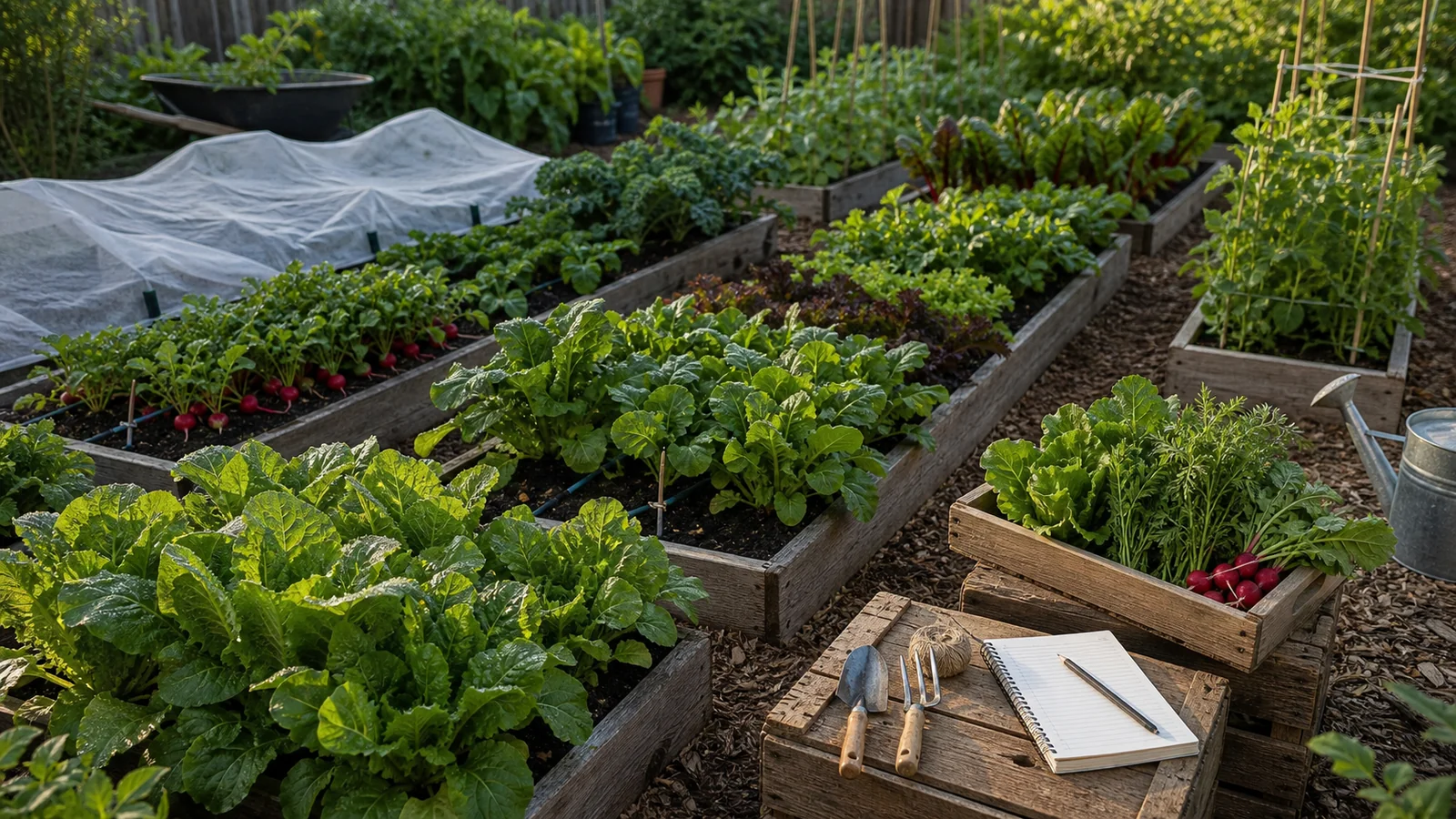
Market Gardening Lessons for Home Beds
Use market gardening principles to plan productive home beds with clear paths, soil care, succession planting, and easier harvests.
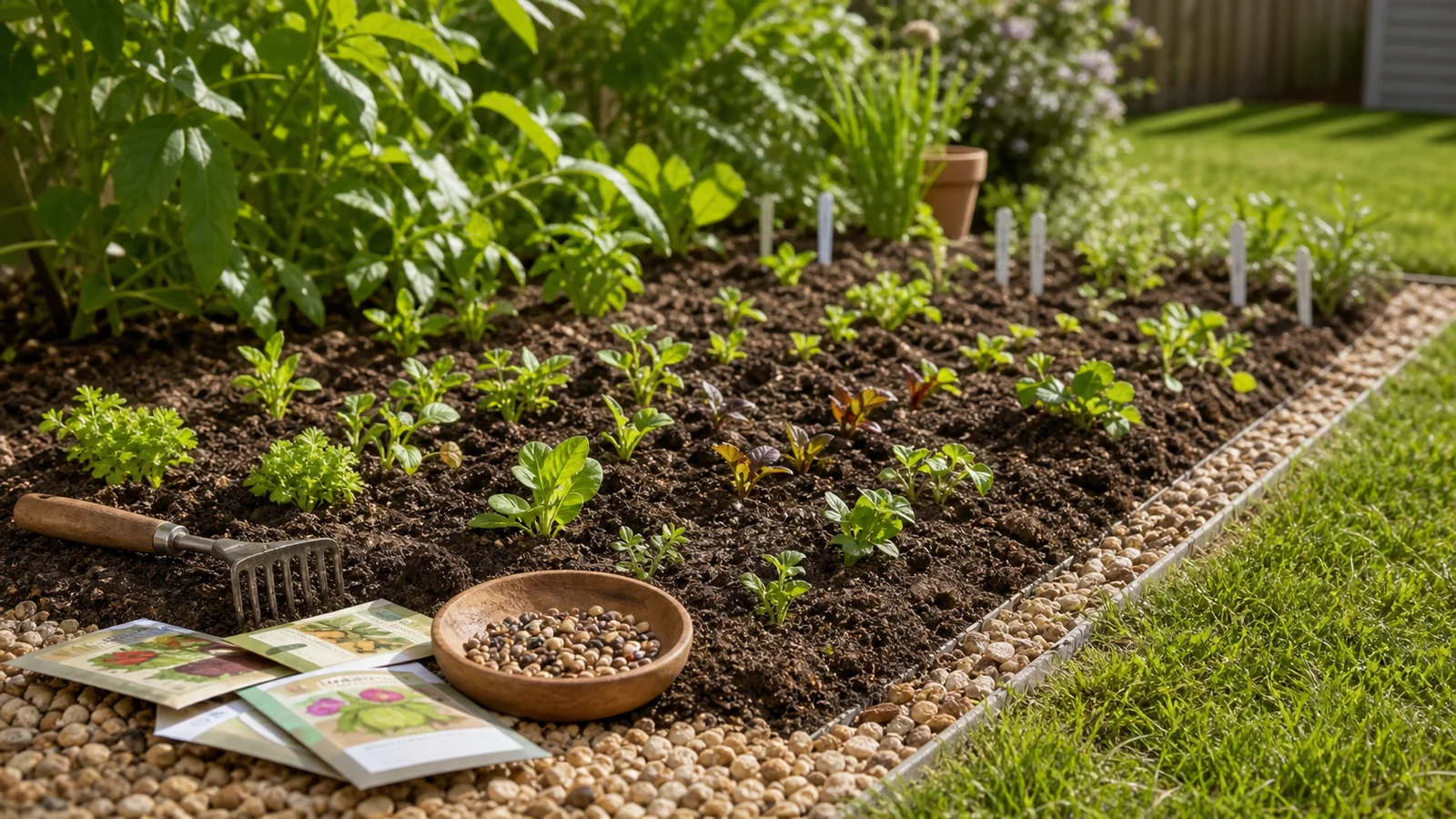
Chaos Gardening Without A Mess
Try chaos gardening with smarter seed choices, light prep, clear edges, and simple thinning so the bed feels lively, not messy.
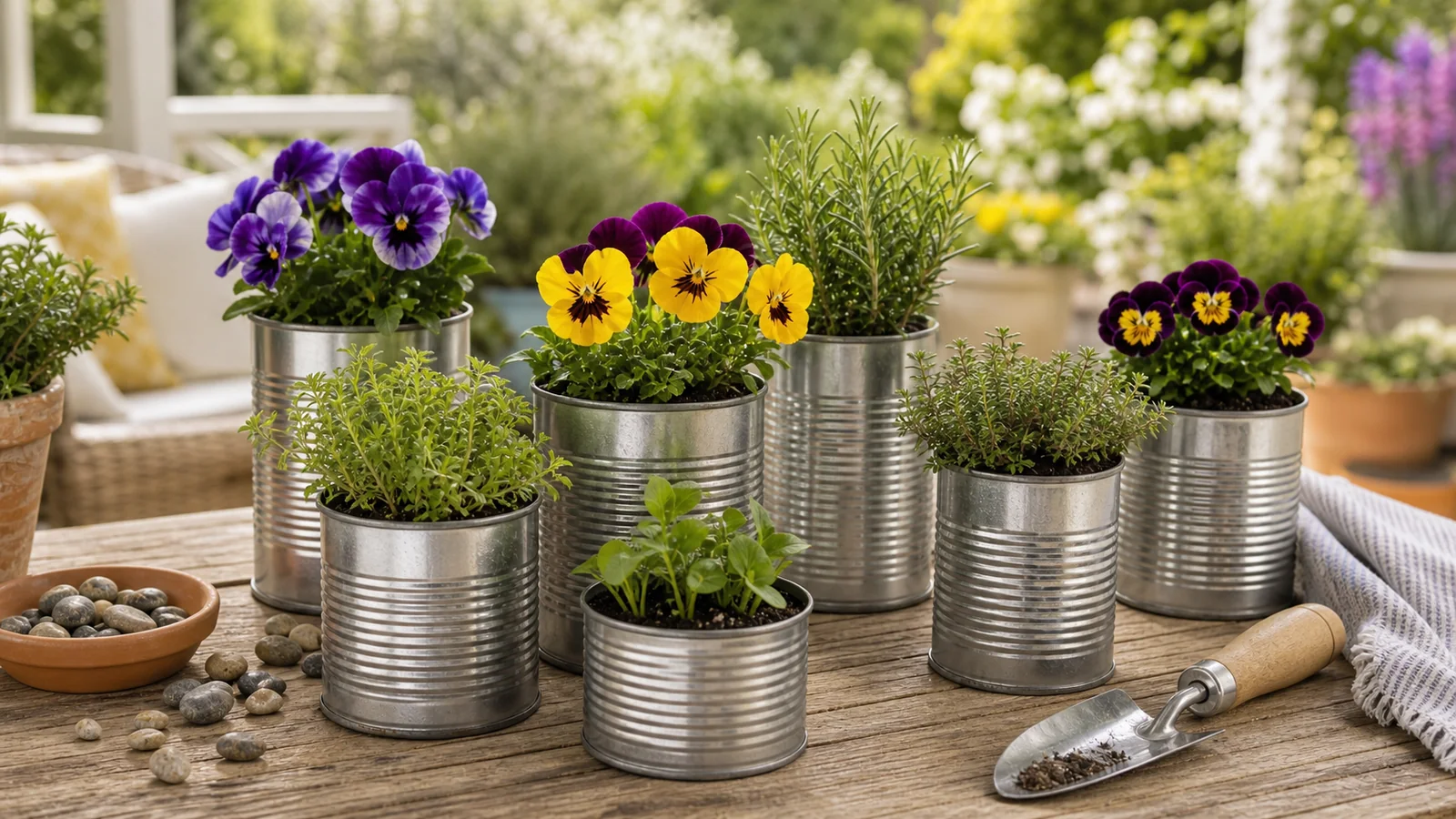
Spring Gardening Tin Cans for Small Planters
Turn spring gardening tin cans into safe small planters with smooth edges, drainage holes, potting mix, and realistic plant choices.