Shear Gardening Guide for Tidy Shrubs
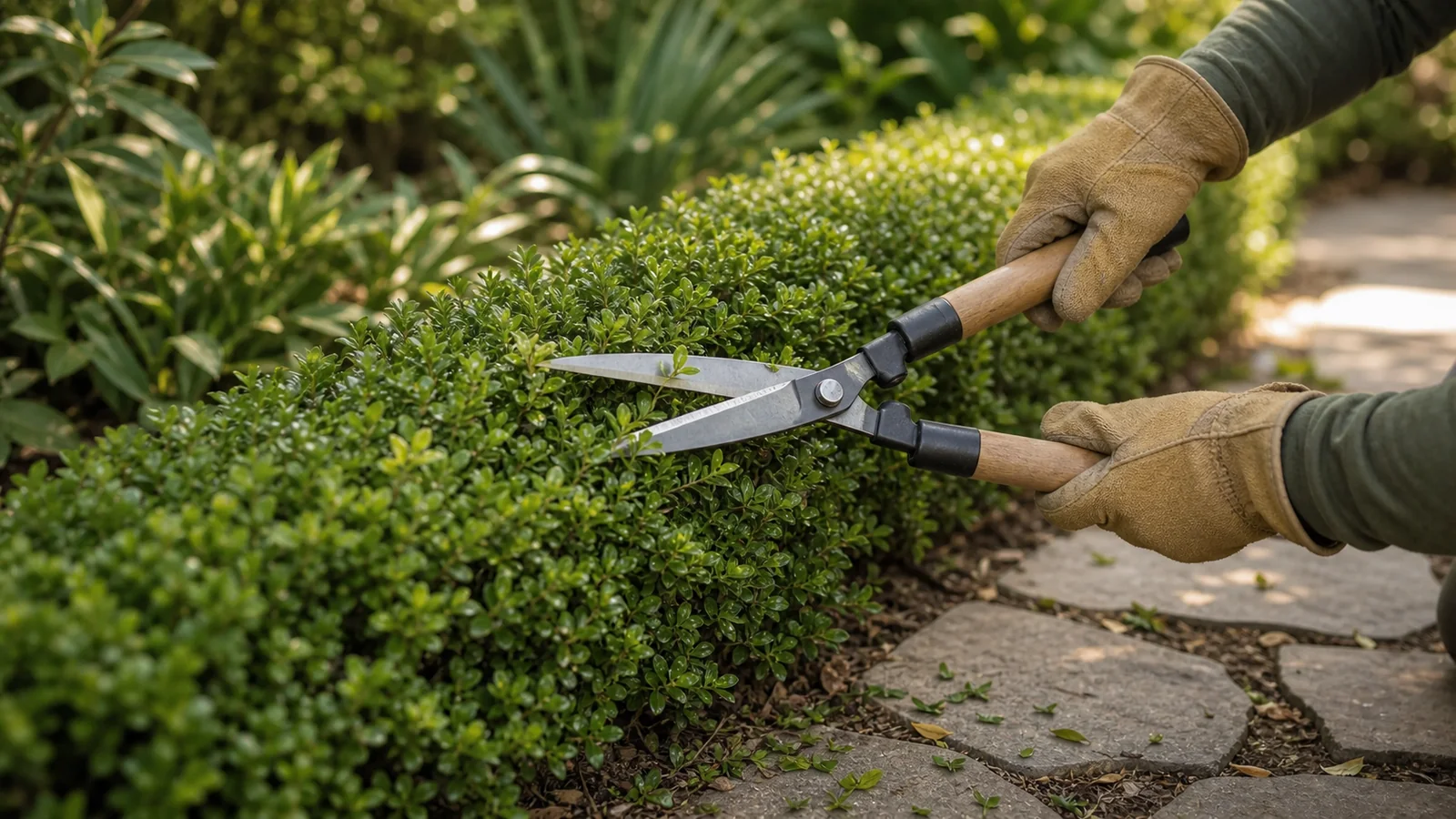
Use Shears With A Lighter Hand
Shear gardening can make a yard look cleaner in an afternoon. A shaggy hedge, tired boxwood edge, overgrown herb, or loose patio shrub can suddenly look intentional again. That quick result is why shears are tempting.
The risk is overcutting. Shears remove many shoot tips at once. Used well, they keep formal hedges crisp and soft plants tidy. Used on the wrong plant, or at the wrong time, they can leave a shrub with a stiff outer shell, bare interior, fewer flowers, and a shape that looks less natural every year.
The best shear gardening is selective. Know when to shear, when to use hand pruners, when to thin from inside the plant, and when to leave the shrub alone.
Know What Shears Are Good At
Shears are designed for many small cuts across soft or fine growth. They are useful for formal hedges, edging plants, herbs, topiary, light seasonal shaping, and removing a flush of soft tips.
They are not the right tool for thick branches, structural pruning, diseased wood, or shrubs that need natural form. For those jobs, use bypass pruners, loppers, or a pruning saw.
Use this tool guide:
| Job | Best tool | Why |
|---|---|---|
| Soft hedge surface | Hedge shears or hedge trimmer | Fast, even shaping |
| Individual live stems | Bypass pruners | Cleaner, targeted cuts |
| Dead stems | Pruners or loppers | Better control and less tearing |
| Thick woody branches | Loppers or pruning saw | Avoids crushing and tool damage |
| Natural shrub renewal | Hand pruners and loppers | Lets you thin from the interior |
| Herbs and soft annuals | Clean snips or shears | Quick light trimming |
If the branch makes you force the tool, stop. Forcing shears through woody stems can tear bark, dull blades, strain your hands, and leave ragged cuts.
Decide Whether The Plant Wants A Formal Shape
Some plants tolerate shearing because they are grown as formal hedges or clipped forms. Boxwood, yew, privet, some hollies, and many hedge plants can be managed this way when the climate and plant health are suitable.
Many flowering shrubs do not look better when sheared into balls. Hydrangeas, forsythia, lilac, spirea, viburnum, ninebark, and many mixed-border shrubs often need selective pruning instead. Their beauty comes from branch structure, flowers, arching growth, or seasonal texture.
Before cutting, ask what role the plant plays:
- Is it a formal edge or hedge?
- Is it meant to flower heavily?
- Does it have a naturally graceful branch shape?
- Is it blocking a path or window?
- Is it too large for the space?
- Does it need health pruning rather than shaping?
If a plant keeps needing hard shearing to fit, the design problem may be plant size, not pruning skill. A smaller replacement or a looser planting style may save work.
Time The Cut Around Growth And Flowers
Timing matters because pruning removes growth, and sometimes it removes flower buds. The best timing depends on plant type, bloom season, climate, and the amount you plan to cut.
As a general rule, prune many spring-flowering shrubs after they bloom, because they often set buds on older wood. Summer-flowering shrubs are often pruned in late winter or early spring before new growth. Formal hedges may need light trims during active growth.
Avoid heavy shearing late in the season in cold climates. Fresh tender growth may not harden before winter. Also avoid pruning during extreme heat, drought stress, or when the plant is already declining.
For a simple home schedule:
| Plant situation | Better timing |
|---|---|
| Spring-flowering shrub | Soon after flowering |
| Summer-flowering shrub | Late winter or early spring, depending on species |
| Formal hedge | Light trims during growth season |
| Evergreen hedge | Follow species guidance; avoid harsh weather |
| Dead, broken, or hazardous wood | Remove when noticed if safe |
| Stressed or drought-hit plant | Wait until recovery unless safety is involved |
When unsure, identify the plant before cutting. A five-minute check can prevent a season with no flowers.
Shape Hedges Wider At The Bottom
A common hedge mistake is making the top wider than the base. The top then shades the lower branches, and the bottom becomes thin or bare. A stronger hedge is slightly wider at the bottom and narrower at the top, so light reaches the lower growth.
Use stakes and string if you want a crisp line. For softer home hedges, step back often and cut gradually. Do not chase one uneven spot until the whole hedge becomes smaller than intended.
Good hedge habits include:
- Start with sharp blades.
- Remove only a modest amount at one pass.
- Keep the base slightly wider than the top.
- Check the line from several angles.
- Clear clippings from the hedge surface.
- Water and mulch if the hedge is stressed after trimming.
If the hedge is badly overgrown, one light trim may not fix it. Some hedges can be renovated, but others do not recover well from cutting into old bare wood. Research the species before making hard cuts.
Thin Inside Shrubs Before Polishing The Outside
For many shrubs, thinning is more useful than shearing. Thinning means removing selected stems back to a branch, trunk, or base so light and air can reach the interior. It keeps the plant’s natural shape while reducing crowding.
Start by removing dead, damaged, diseased, crossing, or inward-growing stems. Then step back. The shrub may already look better without any surface shearing.
If the plant still needs shaping, shorten a few long stems back to side branches. This looks more natural than cutting every tip to the same line. Use shears only for a final light touch if the plant is meant to have a clipped edge.
This is especially important for mixed borders and foundation plantings. A row of round, over-sheared shrubs can make a front garden feel stiff. Selective pruning keeps movement and texture.
For broader planning, our dream home gardening guide explains how shrubs, paths, and outdoor zones work together before you pick up tools.
Keep Blades Sharp And Clean
Sharp shears cut more cleanly and reduce hand strain. Dull shears crush and tear. Dirty tools can also spread plant problems, especially when moving from a diseased plant to a healthy one.
At minimum, clean visible sap, soil, and debris after a pruning session. Dry the blades before storing them. Add a light oil if the tool maker recommends it.
When disease is suspected, clean and disinfect before moving to another plant. Alcohol-based disinfecting is often practical for hand tools because it is quick and widely available. Bleach solutions can disinfect, but they can also corrode metal if tools are not rinsed and dried correctly, so follow reliable local guidance.
A simple cleaning rhythm:
- Brush or wipe off soil, leaves, and sap.
- Wash sticky blades with warm soapy water if needed.
- Dry the tool thoroughly.
- Disinfect when cutting diseased material or moving between problem plants.
- Sharpen or service dull blades before the next big job.
Clean tools feel better in the hand. They also make the finished garden look more precise.
Shear Herbs And Soft Plants Differently
Shear gardening is not only for hedges. Soft herbs, edging annuals, and some perennials can benefit from light trimming. The goal is to encourage fresh growth, prevent flopping, or keep a patio pot tidy.
Herbs such as basil, thyme, oregano, mint, and rosemary can be shaped lightly, but each has its own growth habit. Avoid cutting into old woody rosemary stems without knowing whether the plant will regrow from that point. With basil and mint, regular pinching or cutting above leaf nodes can keep plants bushier.
For flowering annuals and soft perennials, remove spent flowers and leggy tips when the plant is actively growing and not heat-stressed. Do not shear everything just because one section looks tired. Check whether the plant needs water, shade, or replacement instead.
For patio containers, small clean snips may be better than full-sized hedge shears. They let you remove the exact stems that spoil the shape without cutting off fresh buds.
Protect The Garden’s Natural Texture
A tidy yard still needs texture. If every shrub is sheared into a mound, the garden can lose depth. Fine grasses, arching shrubs, loose perennials, broad leaves, and evergreen shapes all contribute different movement.
Before shearing, decide which plants should stay loose. A layered border may need only the path edge trimmed. A patio might need one clipped evergreen for structure while nearby herbs and flowers stay softer. A front garden may look better with clean edges and natural shrub forms than with everything rounded.
Use shearing as one tool in the design, not the whole style. Our Mercer Botanic Gardens design lessons guide shows how paths, resting points, and layered foliage can feel polished without making every plant formal.
Fix Common Shearing Problems
If a shrub looks like a green shell with bare twigs inside, it may have been sheared too often on the outside. Start by learning whether the plant responds to renovation. Some shrubs can be thinned or cut back gradually. Others may not regrow from old wood.
If the hedge is thin at the bottom, reshape future trims so the base is wider than the top. Let lower growth receive more light. Avoid taking too much from the lower sides while chasing a flat top.
If leaves look browned or ragged after trimming, the blade may be dull, the weather too hot, or the plant type poorly suited to shears. Large-leaved evergreens often look better when pruned with hand pruners because shears cut across leaves.
If flowering is poor, check pruning time. You may be removing buds before they open. Adjust timing rather than fertilizing blindly.
If the plant keeps outgrowing its space, prune once for safety and access, then rethink the planting. A shrub that wants to be six feet wide will not become low-maintenance in a two-foot strip.
Make It A Calm Weekend Task
Shear gardening works best when you slow the job down. A rushed trim can remove too much in minutes. A careful session can refresh the yard without shocking the plants.
Use this weekend sequence:
- Identify the plant and its bloom habit.
- Decide whether it needs shearing, thinning, or no cut.
- Clean and sharpen tools.
- Remove dead, damaged, and crossing growth first.
- Trim lightly, stepping back often.
- Keep hedge bases slightly wider than tops.
- Clear clippings from paths and plant surfaces.
- Water stressed plants and note follow-up work.
Do one area at a time. A clean entry hedge, opened path, or refreshed patio planter may be enough for one weekend.
Let Shape Support Plant Health
The goal of shear gardening is not to make every plant obey a hard line. The goal is to help the garden feel cared for while keeping plants healthy and suited to their roles.
Use shears where they make sense: formal hedges, soft seasonal trimming, herbs, and light shaping. Use pruners where the plant needs structure, air, and natural form. Keep tools sharp and clean. Time cuts around growth, flowers, and weather.
The result is a yard that looks tended without looking forced. That is the sweet spot: crisp where it should be crisp, loose where it should be alive.
You might also like
Chaos Gardening Without A Mess
Try chaos gardening with smarter seed choices, light prep, clear edges, and simple thinning so the bed feels lively, not messy.
Soil Amendments for Gardens That Work
Choose soil amendments for gardens by testing first, matching compost, mulch, lime, sulfur, and organic matter to the actual soil problem.
Gardening Gifts for the Way They Garden
Choose gardening gifts by matching useful tools, comfort upgrades, plants, and project ideas to the gardener's real space.