Gardening as a Hobby Without Overdoing It
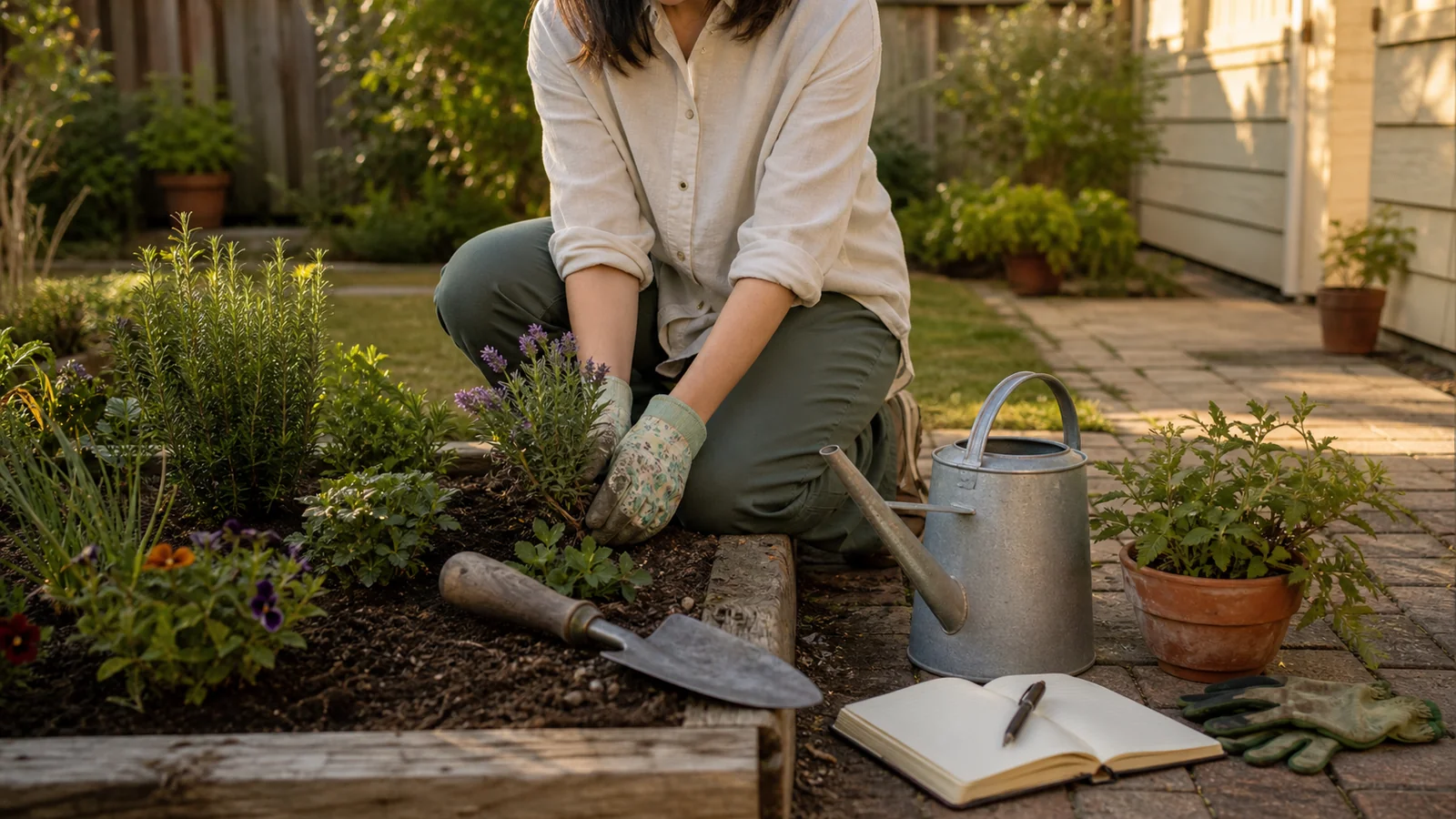
Start With A Hobby-Sized Garden, Not A Whole New Lifestyle
Gardening as a hobby works best when it fits the life you already have. It should give you a reason to step outside, notice the season, and make one small corner better. It should not turn every weekend into a second job.
That is why the first decision is not what to plant. It is how much garden you can enjoy without resenting the upkeep. A single raised bed, a few patio containers, a narrow border by the path, or a small herb-and-flower corner can teach you more than an ambitious yard makeover that needs constant rescue.
If you are new to gardening, treat the first season as a friendly experiment. You are learning your light, soil, watering habits, weather, and patience. The garden does not need to prove anything. It just needs to be small enough that you can keep coming back to it.
Choose One Clear Reason To Begin
A hobby becomes easier to keep when it has a reason that feels personal. You might want fresh herbs near the kitchen, a prettier patio edge, a calm place to unwind after work, a few flowers for pollinators, or a weekend project that gets you away from screens.
Pick one main reason for the first season. This keeps your choices focused. If you want herbs, you need sun, drainage, and easy access from the kitchen. If you want flowers, you need a color direction and plants that suit your climate. If you want a calmer outdoor corner, you may need seating, shade, and containers more than a large vegetable plot.
Avoid making the garden answer every wish at once. A first hobby garden can be beautiful, useful, and relaxing, but one priority should lead. The other benefits can follow naturally.
Find The Easiest Place To Visit Often
The best beginner garden spot is not always the biggest or most dramatic part of the yard. It is the place you will notice, water, and enjoy.
Look for a spot you pass every day: near a back door, beside a patio, along a path, or close to the hose. Most vegetables, herbs, and sun-loving flowers need strong direct sun, while shade plants need a gentler location. If you are not sure how much light a spot gets, watch it for a few days before buying plants.
Think about comfort too. If the garden is far from water, tucked behind storage, or placed where you never sit, the hobby becomes harder. A small bed near daily life is easier to love than a large bed at the far end of the yard.
For renters or small-space homes, containers are a sensible first step. Use pots with drainage holes, a good potting mix, and plants that match the light you actually have. Containers also let you move the garden as you learn.
Keep The First Plant List Short
New gardeners often buy too many plants because every pot looks promising at the nursery. The problem shows up later, when each plant needs different spacing, watering, pruning, feeding, or winter care.
Start with five to eight plant types at most. Mix plants that give you quick satisfaction with plants that build confidence over time. Herbs, leafy greens, marigolds, nasturtiums, pansies, lavender, compact tomatoes, strawberries, and easy perennial flowers can all work, depending on your climate and light.
Use this simple first-season mix:
| Garden goal | Good first choices | Why they help |
|---|---|---|
| Kitchen usefulness | Basil, parsley, chives, mint in its own pot | You harvest often and notice growth quickly |
| Patio color | Pansies, marigolds, calibrachoa, compact salvia | They make the space feel changed without a big redesign |
| Pollinator interest | Lavender, thyme, coneflower, calendula | They add scent, texture, and visiting insects |
| Easy food growing | Lettuce, radishes, cherry tomatoes, strawberries | They teach timing, watering, and harvesting |
| Shade confidence | Hostas, ferns, heuchera, impatiens | They make darker corners feel intentional |
Do not plant everything because it is “easy.” Plant what you will actually enjoy checking. Curiosity matters as much as toughness.
Buy Fewer Tools Than You Think
Gardening as a hobby does not require a shed full of equipment. A few comfortable tools will do more for your first season than a complicated kit.
Start with gloves, a hand trowel, a hand fork or cultivator, pruners or snips, a watering can or hose nozzle, and a small bucket for weeds and trimmings. If you are working at ground level, a kneeler or low seat can make the hobby more comfortable. If you are growing in containers, add a scoop and saucers where needed.
Choose tools that feel good in your hands. Heavy tools can make small jobs tiring, while flimsy tools bend in compacted soil. If you are giving this hobby a real chance, comfort matters.
You can add larger tools later when the garden asks for them. For now, spend more attention on soil, plants, water, and routine. Those are the things that decide whether the hobby feels rewarding.
Build A Small Weekly Routine
Gardens change quietly. A weekly routine helps you catch those changes before they become problems. It also makes the hobby feel grounded instead of random.
Set aside one short visit during the week and one slightly longer session on the weekend. The weekday visit can be ten minutes: check moisture, pull obvious weeds, look for wilted leaves, and enjoy what has changed. The weekend session can handle planting, pruning, feeding, mulching, moving pots, or refreshing a tired corner.
A simple rhythm might look like this:
- Monday or Tuesday: check water and remove anything dead or diseased
- Thursday: notice pests, leaning plants, dry pots, or crowded seedlings
- Saturday: do one focused task, such as planting herbs or edging a bed
- Sunday evening: take a photo or note what worked
Keep the routine light. If you turn every visit into a chore list, the garden loses its pull. Some visits should be only for looking.
Learn Watering Before You Learn Fancy Techniques
Watering is one of the first skills that makes gardening feel calmer. Too little water stresses plants. Too much water can suffocate roots, weaken growth, and invite disease.
Check the soil before watering. In beds, push a finger into the top inch or two. In containers, lift the pot if you can; dry pots feel much lighter. Water deeply enough that moisture reaches the root zone, then let the soil begin to dry to the right level for the plant.
Water early in the day when possible. Aim at the soil rather than spraying leaves. Group containers with similar water needs so you are not guessing every time. Add mulch to beds after planting to help hold moisture and reduce weeds.
The goal is not a perfect schedule. The goal is paying attention. Weather, pot size, soil type, sun, wind, and plant maturity all change how often water is needed.
Use A Notebook Without Making It Precious
A garden notebook is useful because memory gets blurry. You may think you will remember which basil struggled, when the lettuce bolted, or where the spring bulbs went. By next season, most of those details will be gone.
Keep notes simple:
- What you planted and where
- When you watered during dry spells
- Which plants looked good together
- What bloomed, failed, flopped, or spread too much
- What you want to repeat next season
Photos count as notes. A quick phone picture every week can show growth, spacing, bloom timing, and bare spots better than a paragraph. If you like paper, keep a small notebook near your tools. If not, use a note app.
The notebook is not homework. It is a quiet way to make the next season easier.
Make The Garden Pleasant To Be Near
A hobby garden should reward you before it is finished. Add one or two comfort details that make you want to linger.
That might be a chair near the bed, a small side table for coffee, a string of warm patio lights, a birdbath, a weatherproof cushion, or a clearer path through the space. Even a tidy potting corner can make the hobby feel more inviting.
This is where Bloom & Bench tends to favor real-life garden styling over perfection. A garden can be a bit messy and still feel cared for. The point is to create a place you return to, not a display that makes you nervous to touch it.
If your hobby starts with containers, arrange them where you can see them from indoors. If your hobby starts with a bed, leave room to kneel, reach, and harvest. Beauty and access should work together.
Expect Mistakes And Keep Them Small
Every gardener loses plants. Seeds fail, slugs arrive, heat spikes, pots dry out, and promising combinations look awkward. This is normal, and it is easier to accept when the garden is modest.
The safest first-season rule is to make mistakes at a scale you can fix. If one container fails, replant it. If a small bed feels crowded, thin it. If a plant hates the site, move it or choose something better next time.
Common beginner problems usually have practical causes:
| Problem | Likely cause | What to try next |
|---|---|---|
| Plants look stretched and weak | Not enough light | Move containers or choose shade-suitable plants |
| Pots dry out every day | Small containers, wind, or hot paving | Use larger pots, mulch, or group containers |
| Leaves yellow and soil stays wet | Overwatering or poor drainage | Check holes, water less often, improve potting mix |
| Bed feels messy by midsummer | Too many plant types | Repeat fewer plants and leave more spacing |
| You avoid the garden | It is too far away or too demanding | Shrink the area and move the focus closer to daily life |
Learning is part of the hobby. A mistake that teaches you something is not wasted.
Know When To Grow Bigger
Expand only after the first garden feels steady. You are ready for more when you can keep the current space watered, weeded, and enjoyable without constant catch-up.
Add one new layer at a time. You might extend the bed by a few feet, add a trellis, start a second container group, try seed starting, or build a small greenhouse routine. If you are curious about protected growing, our guide to greenhouse gardening tips explains how airflow, shade, watering, and spacing work in a small structure.
If you love making the garden more useful, add a project that improves daily life: a potting shelf, a compost corner, better edging, a watering station, or a simple path. The hobby becomes richer when each upgrade solves a real problem.
Let The Hobby Change With The Season
Gardening does not have to look the same all year. In spring, the hobby may be sowing seeds, setting containers, and watching early flowers. In summer, it may be watering, harvesting herbs, and keeping patio plants tidy. In fall, it may be bulbs, compost, leaf cleanup, and planning. In winter, it may be reading, sharpening tools, and noticing the garden structure.
That seasonal change is one of the pleasures. You do not need full productivity every month. Sometimes the best garden task is cutting back one tired plant and making tea outside.
As you learn what you enjoy, you can shape the hobby around it. Some gardeners love vegetables. Some love flowers. Some love containers, design, wildlife, scent, shade, or quiet maintenance. There is no single correct version.
FAQ
How much time does gardening as a hobby take?
A small beginner garden can take about ten minutes a few times during the week plus one longer weekend session. Containers and small beds need regular checking, but they do not need to take over your free time if you keep the first setup modest.
What is the easiest way to start gardening at home?
Start with one sunny container group, one herb pot, or one small bed near water and daily foot traffic. Choose a few plants that suit the light you have, then focus on watering, spacing, and observation before expanding.
Is gardening an expensive hobby?
It can be inexpensive if you begin with a small area, basic tools, and a short plant list. Costs rise when you add large planters, structures, irrigation, specialty tools, or many new plants at once.
Keep The Joy Visible
Gardening as a hobby lasts when the rewards stay close. Plant something you want to smell, pick, eat, photograph, or sit beside. Put the garden where you can see it. Use a few tools that feel good. Keep the first season small enough that care feels possible.
The garden will teach you through repetition. Water, watch, adjust, and return. Over time, the hobby becomes less about doing everything right and more about building a generous outdoor rhythm you actually enjoy.
You might also like
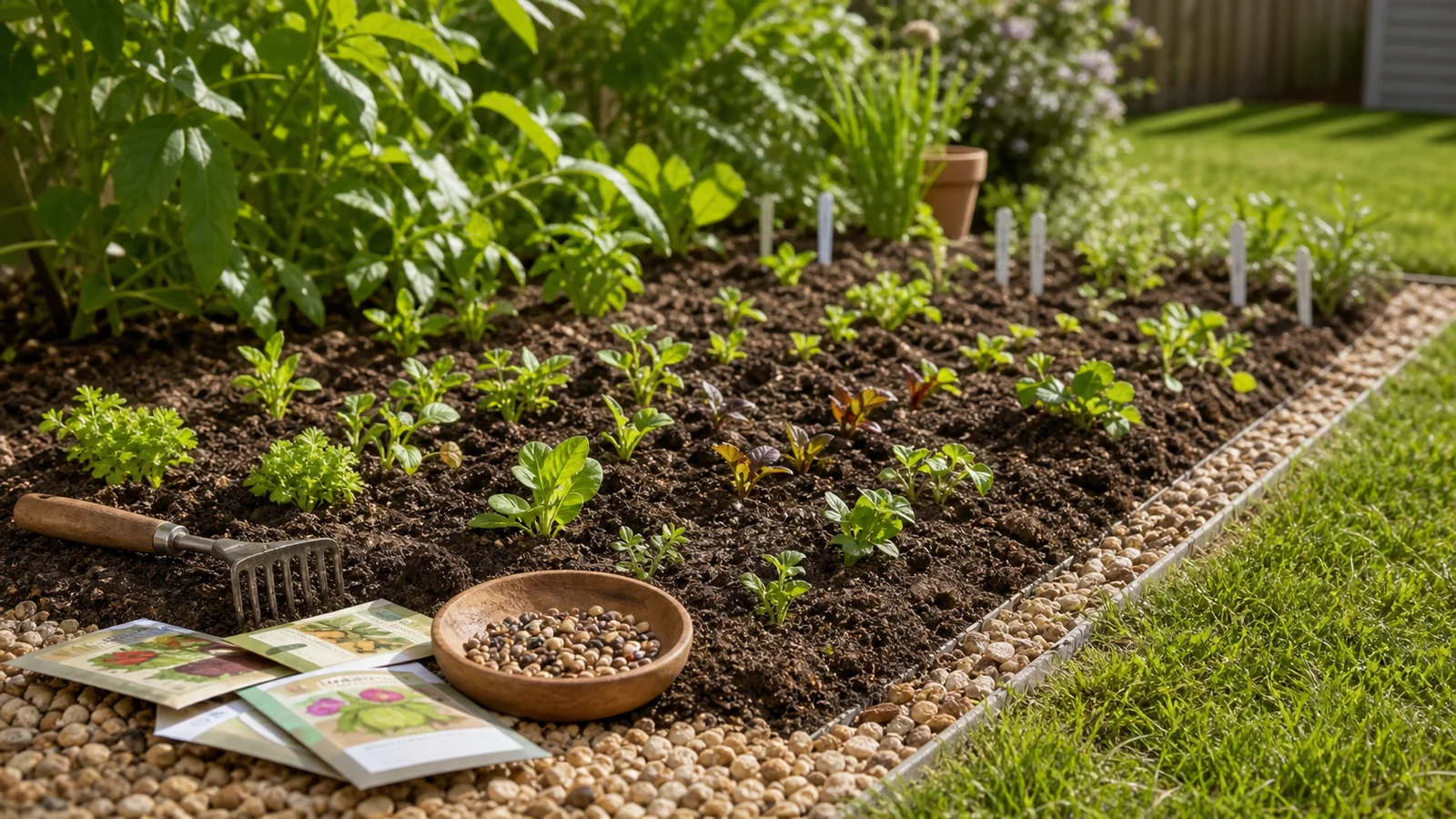
Chaos Gardening Without A Mess
Try chaos gardening with smarter seed choices, light prep, clear edges, and simple thinning so the bed feels lively, not messy.
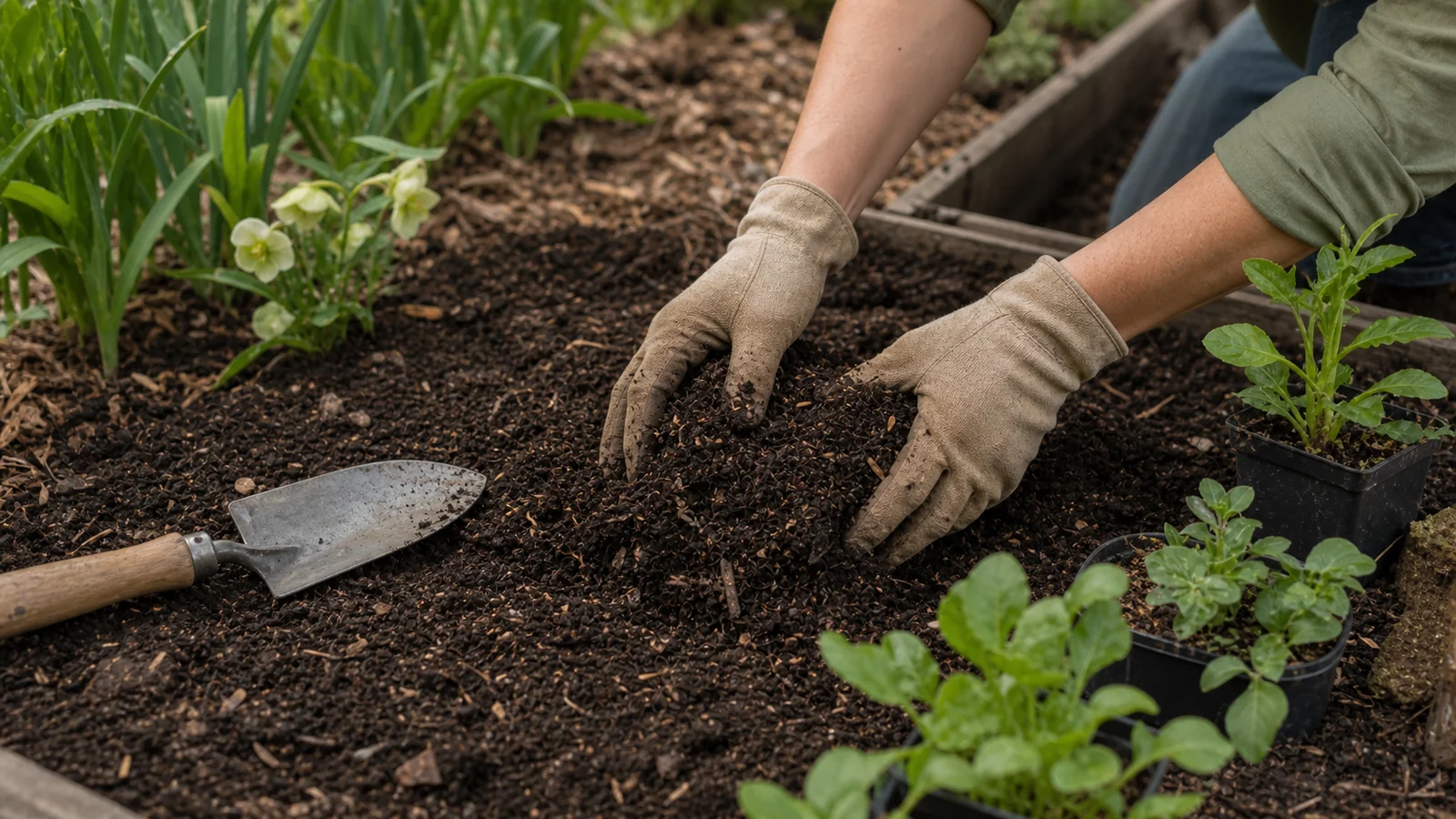
Soil Amendments for Gardens That Work
Choose soil amendments for gardens by testing first, matching compost, mulch, lime, sulfur, and organic matter to the actual soil problem.
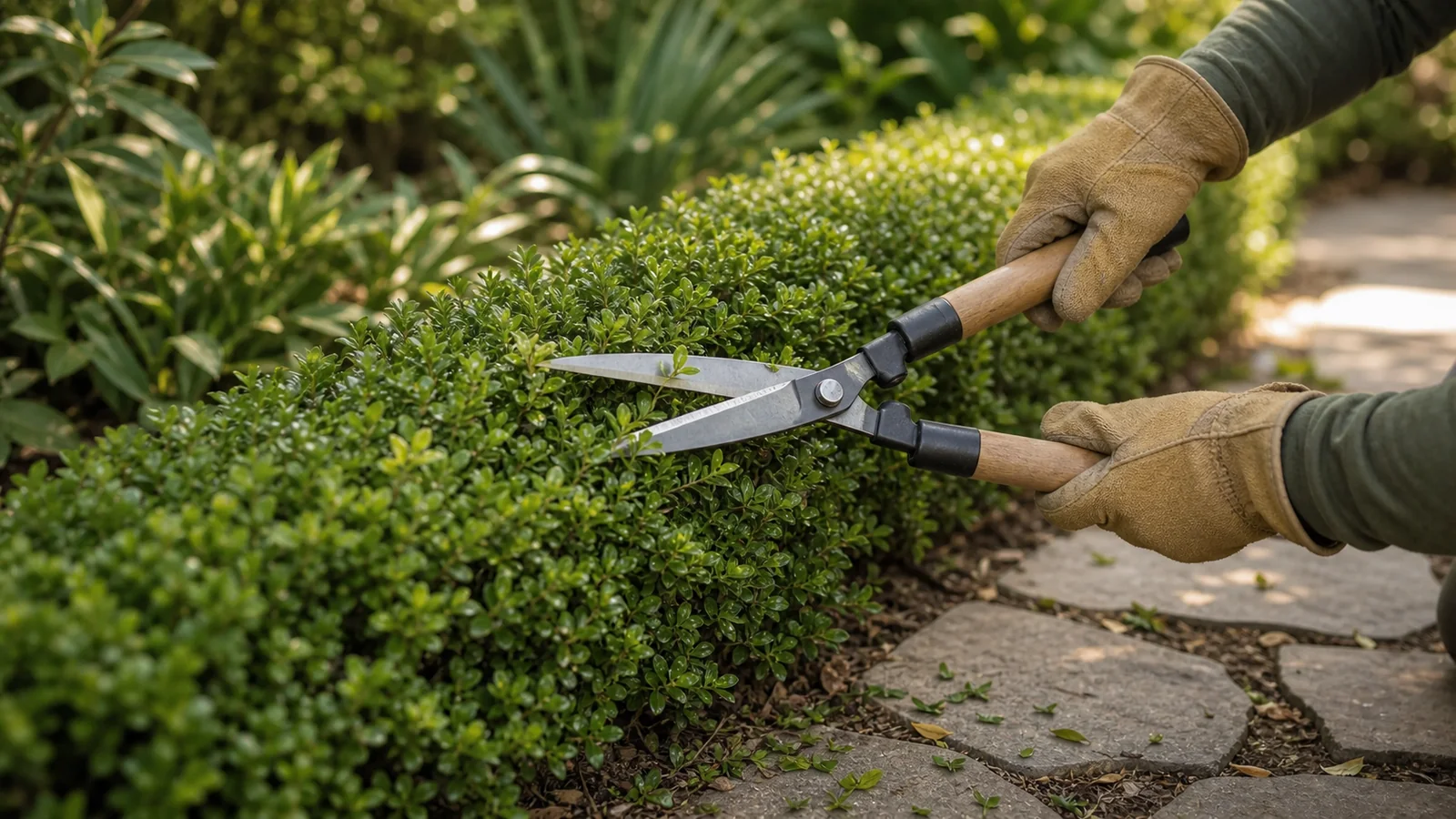
Shear Gardening Guide for Tidy Shrubs
Use shear gardening carefully with the right tools, timing, cleaning habits, and shaping rules for hedges, shrubs, and patio plants.