Best Indoor Herb Gardens for Real Homes
Pick The Best Indoor Herb Garden For Your Light, Not Your Wish List
The best indoor herb gardens start with an honest look at light. A sunny kitchen window can support some herbs well, but many homes do not have enough direct light for basil, parsley, cilantro, or chives to stay full and productive all season. That does not mean the idea is doomed. It means the setup needs to match the room.
Indoor herbs also need drainage, airflow, and regular harvesting. A pretty row of pots can fail if the roots stay wet, while a plain grow-light shelf can produce fresh leaves for months. The right choice depends on how much space you have, how often you cook, and how much daily care you enjoy.
Use this guide as a practical comparison of indoor herb garden types. We are not pretending one system works for every home. A small windowsill, a north-facing apartment, and a family kitchen with room for a lighted shelf all need different answers.
Best Overall: A Bright Windowsill With Drainable Pots
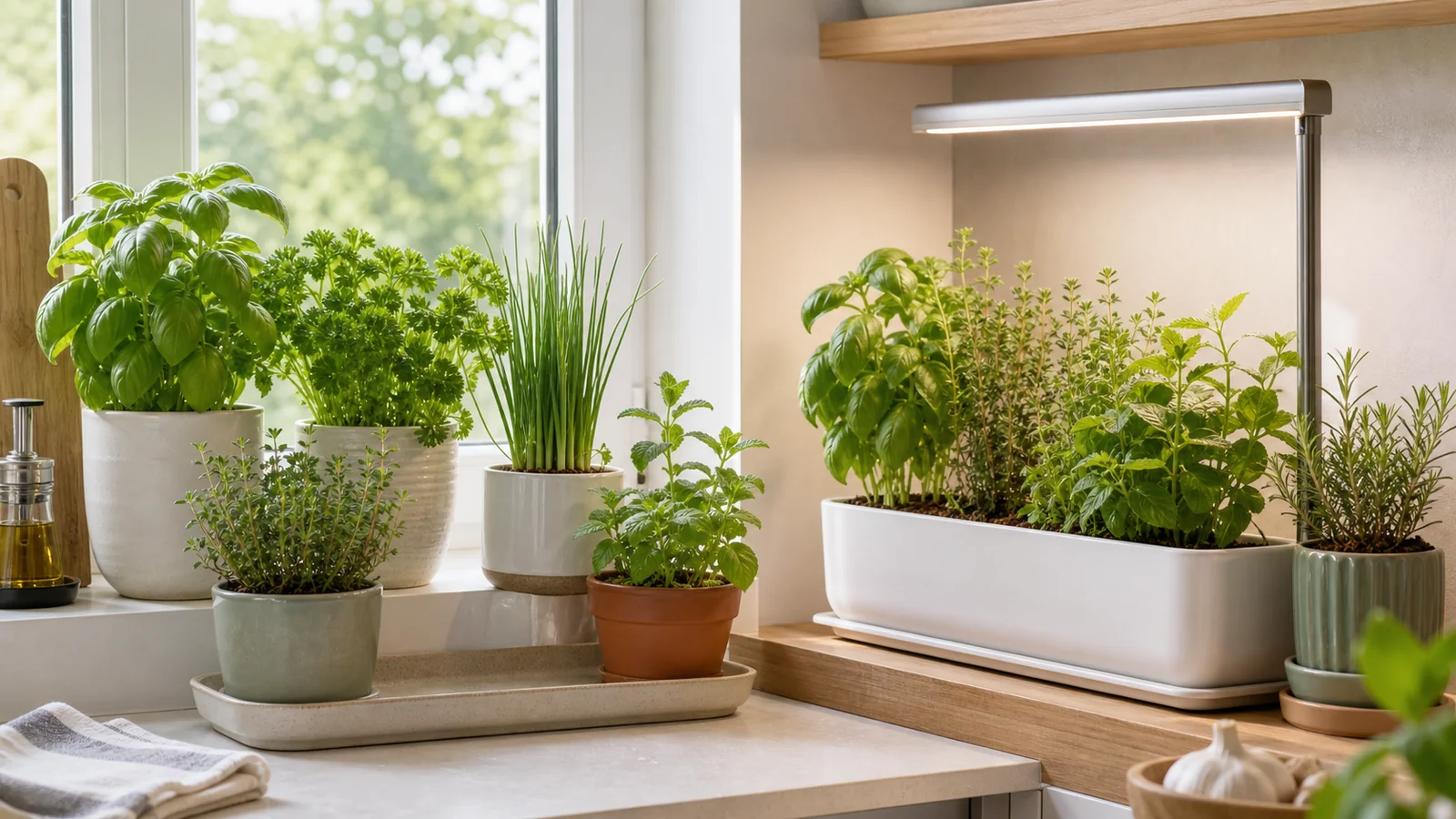
A bright windowsill with individual pots is the simplest indoor herb garden when your window receives strong light. It works especially well for herbs you clip often, such as basil, parsley, chives, thyme, mint, and oregano.
The key is drainage. Each pot should have a hole, a saucer, and a potting mix that does not stay soggy. Water when the top of the mix begins to dry, then let the excess drain away. Herbs dislike sitting in water, and damp roots are one of the fastest ways to lose an indoor planting.
This setup is best for:
- South- or west-facing windows with several hours of bright light
- Cooks who want a few herbs within reach
- Renters and beginners who need a low-commitment start
- Homes where countertop space is limited
The main limitation is winter light. Even a good windowsill can become dim during short days, especially in northern climates. If stems stretch and leaves get smaller, add a grow light or move the herbs to a brighter spot.
Best For Low-Light Homes: A Small Grow-Light Garden
If your kitchen window is shaded, narrow, or north-facing, a grow-light garden is usually more reliable than hoping herbs will adapt. A slim LED light over pots or a compact shelf can keep plants stockier and more productive.
Look for a setup that lets you adjust the light height. Seedlings and young herbs need the light close enough to prevent stretching, while taller plants need room as they grow. A timer also helps. Most herbs do better with a consistent light period than with random switching.
This type of indoor herb garden is best for:
- Apartments with weak natural light
- Year-round basil or parsley attempts
- Seed starting before outdoor planting
- People who like a tidy, repeatable setup
The trade-off is visual. A lighted garden looks more utilitarian than a sunny row of terracotta pots. You can soften it by choosing simple containers, keeping cords tidy, and placing the setup on a narrow cart or shelf near the kitchen.
Best For Small Kitchens: A Three-Pot Herb Lineup
Not every home needs a full indoor garden. A three-pot lineup can be more useful than eight struggling plants. Choose herbs you cook with weekly, then give each one room to grow.
A practical starter trio might be basil, parsley, and chives for everyday cooking. Another could be thyme, rosemary, and oregano for a more Mediterranean feel. Mint is useful but vigorous, so keep it in its own pot and trim it often.
The small lineup is best for:
- Narrow windowsills
- Busy cooks who want low fuss
- Beginners learning watering habits
- Homes with limited counter space
With fewer pots, you can rotate plants for even light, spot pests earlier, and water more accurately. It also looks calmer in a small kitchen.
Best For Frequent Cooking: Cut-And-Come-Again Herbs
If you cook with herbs several nights a week, choose plants that regrow well after regular clipping. Chives, parsley, basil, mint, oregano, and thyme can all work indoors when light and watering are steady.
Harvest lightly at first. Let young plants establish before taking large amounts. Cut above a pair of leaves on basil to encourage branching. Snip chives near the base. Take thyme and oregano in short sprigs rather than stripping the whole plant bare.
This approach is best for:
- People who use fresh herbs often
- Kitchens with a little routine care built in
- Gardeners who enjoy shaping plants over time
- Outdoor gardeners who want winter flavor indoors
Do not expect a tiny pot to supply restaurant-sized bunches. Indoor herb gardens are best for fresh accents, quick snips, and small handfuls.
Best For Beginners: Starter Plants Instead Of Seeds
Starting herbs from seed can be satisfying, but starter plants are often easier for beginners. They give you immediate feedback about light, water, and harvest timing. You can learn plant care without waiting weeks for germination.
Choose compact, healthy plants with no sticky leaves, webbing, or yellowing at the base. Repot them into containers with drainage if they came in flimsy nursery pots. Keep different herbs in separate pots so you can water each according to need.
Starter plants are best for:
- First-time indoor growers
- Quick kitchen refreshes
- Children or families who want visible progress
- Gardeners testing which herbs work in a room
Seeds still make sense for basil, cilantro, parsley, and chives when you have good light and patience. But if the goal is a low-stress first indoor herb garden, plants are the gentler beginning.
Best For Design-Aware Kitchens: Matching Pots On A Tray
Indoor herb gardens live in plain sight, so appearance matters. Matching pots on a tray can make a herb collection look intentional instead of scattered. The tray catches drips, protects the sill or counter, and gives the group a finished edge.
Choose pots with drainage holes and a tray deep enough to hold a small amount of runoff. Avoid sealed decorative cachepots unless you remove the inner pot to water and drain it properly. Roots still need air even when the container looks beautiful.
This setup is best for:
- Open kitchens
- Windowsills visible from dining areas
- Small apartments where function and style share space
- Gardeners who like calm, coordinated materials
Terracotta dries faster and suits Mediterranean herbs. Glazed ceramic holds moisture longer and can work for parsley, chives, and mint if watering is careful.
Best For Patio Transitions: Portable Herb Containers
If your home has a patio, balcony, or sheltered back step, portable herb containers give you flexibility. Herbs can start indoors, move outside in mild weather, and come back in before cold nights.
Use lightweight pots, sturdy trays, or a narrow plant caddy. Moving herbs is easier when each pot is manageable. Harden plants gradually before placing them in full outdoor sun. Indoor leaves can scorch if they go straight from a window to harsh afternoon light.
Portable herb containers are best for:
- Homes with changing seasonal light
- Balcony and patio gardeners
- Tender herbs that need cold protection
- People who want indoor greenery without committing year-round
This is where indoor herb gardens connect naturally to outdoor living. A few pots can shift from kitchen sill to patio table and back again as the season changes.
Compare Indoor Herb Garden Types
| Setup | Best for | Watch out for |
|---|---|---|
| Sunny windowsill pots | Bright kitchens and simple care | Winter light, uneven watering |
| Grow-light garden | Low-light homes and year-round herbs | Cord clutter, light height |
| Three-pot lineup | Small kitchens and beginners | Choosing too many herbs |
| Starter plants | Fast results and learning care | Nursery pests, poor drainage pots |
| Matching pots on a tray | Design-aware kitchens | Cachepots without drainage |
| Portable containers | Patio transitions and seasonal moves | Sun scorch after moving outdoors |
The best choice is the one you can maintain. A modest setup that gets checked and clipped will beat a complicated one that becomes a chore.
FAQ
What herbs grow best indoors?
Basil, parsley, chives, mint, thyme, oregano, and some compact rosemary plants can grow indoors with enough light. Basil usually needs the brightest conditions. Mint is forgiving but should stay in its own pot.
Do indoor herb gardens need a grow light?
Not always. A very bright south- or west-facing window may be enough for a small herb collection. If plants stretch, lean, or produce smaller leaves, a grow light can make the garden much more reliable.
How often should I water indoor herbs?
Check the potting mix instead of using a calendar. Water when the top layer begins to dry, then let excess water drain. Small pots dry faster than large ones, and herbs near warm windows may need closer attention.
Can I keep supermarket herb pots alive indoors?
Sometimes, but they are often crowded. Divide or repot them into containers with drainage, give them bright light, and harvest gently while they recover. Basil and parsley usually need more light than a dim kitchen shelf can provide.
Keep The Setup Small Enough To Enjoy
Indoor herb gardens work best when they stay close to daily life. Put them where you will notice dry soil, clip leaves, and enjoy the scent when you cook. Give them drainage, steady light, and enough space for air to move around the leaves.
Start with the herbs you actually use. Once those are growing well, you can expand the garden with confidence instead of turning the windowsill into a crowded experiment.
You might also like
The Gardens Apartments Patio Ideas That Work
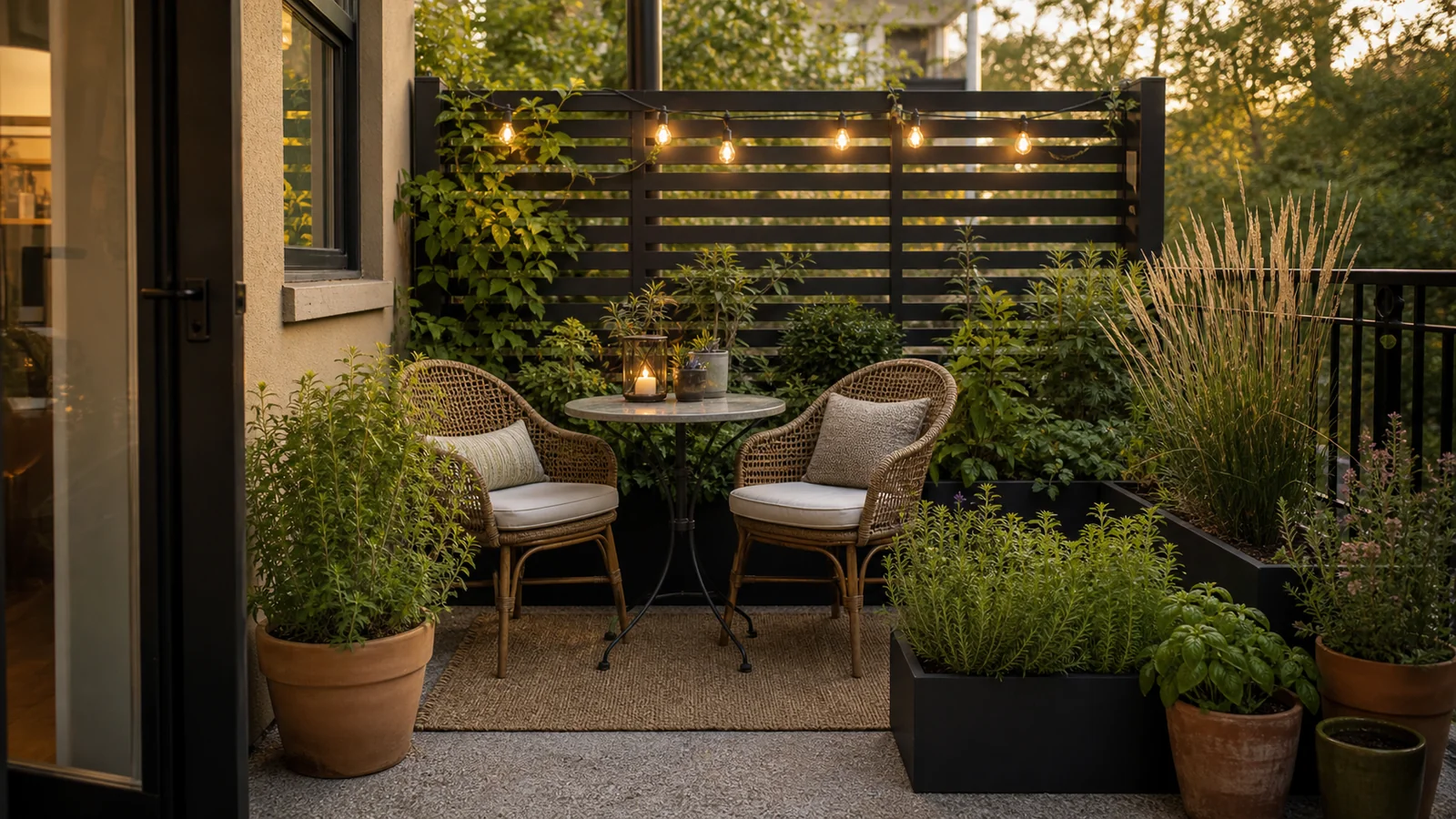
Use The Gardens Apartments search as a cue for balcony, courtyard, and shared-garden ideas that feel private, green, and usable.
Spring Gardening Tin Cans for Small Planters
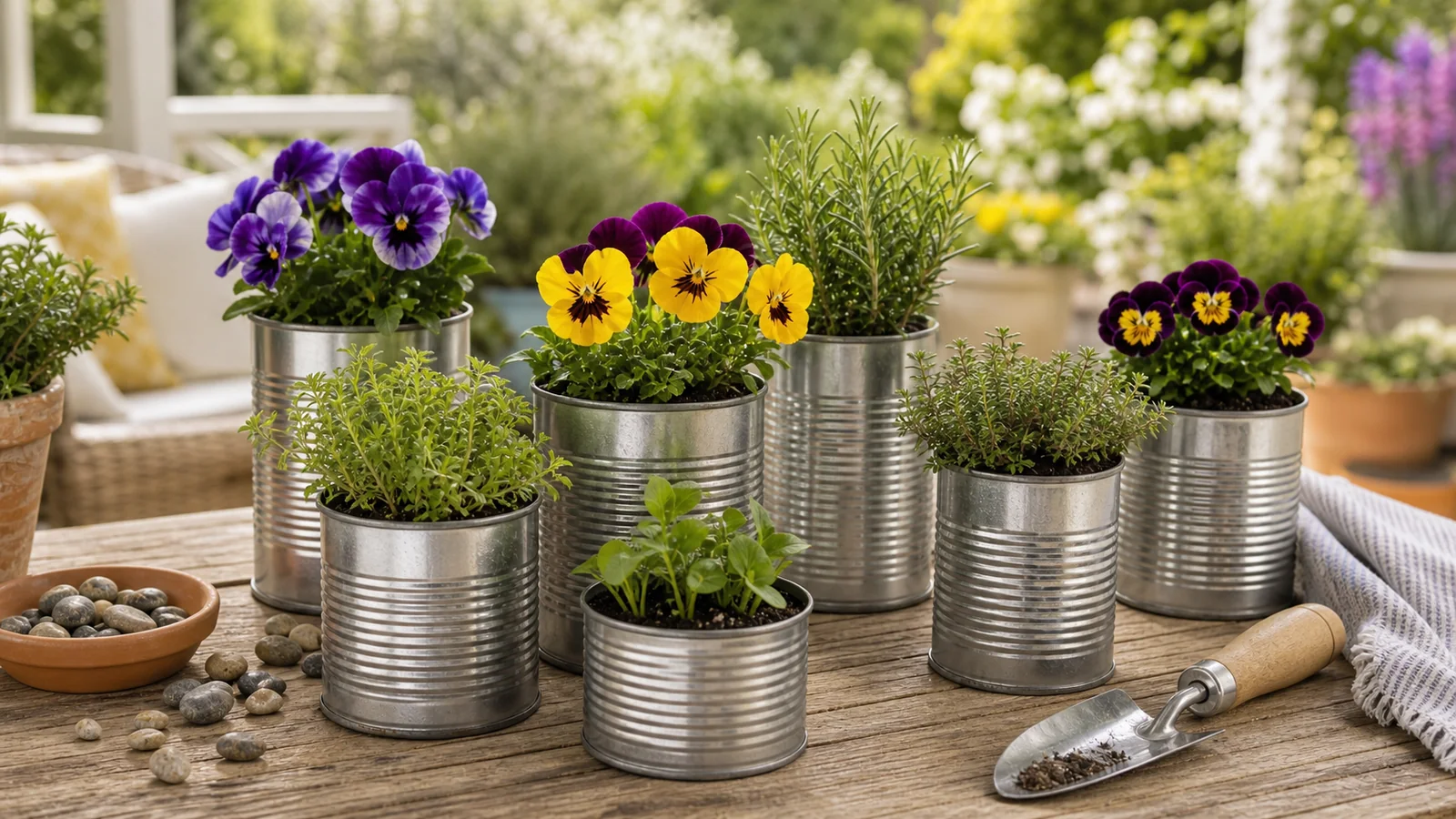
Turn spring gardening tin cans into safe small planters with smooth edges, drainage holes, potting mix, and realistic plant choices.

Natura Gardens Ideas for Shared Courtyards
Use Natura Gardens as a cue for shared courtyards with shade, seating, pet-friendly edges, green buffers, and easy outdoor flow.