Greenhouse Gardening Tips for Calm, Healthy Plants
Start With The Greenhouse Climate, Not The Plant List
Greenhouse gardening tips can sound technical fast, but most home greenhouse problems start with a small set of everyday conditions: heat, airflow, water, light, and spacing. If those are steady, your seedlings and tender plants have a much better chance. If one of them drifts too far, a greenhouse can turn from helpful to stressful in a single warm afternoon.
That is the part new growers often underestimate. A small glass or polycarbonate greenhouse warms quickly, dries unevenly, and holds damp air around leaves. You do not need a complicated setup to manage it. You need a calm routine that helps you notice changes before plants wilt, stretch, scorch, or develop disease.
Use the greenhouse as a protected growing room, not as a sealed display case. Check it often, open it when weather allows, and match your plant choices to the season instead of forcing every crop to grow at once.
Set A Simple Morning And Evening Routine
A greenhouse rewards small habits. The best routine is short enough that you will actually do it on busy days.
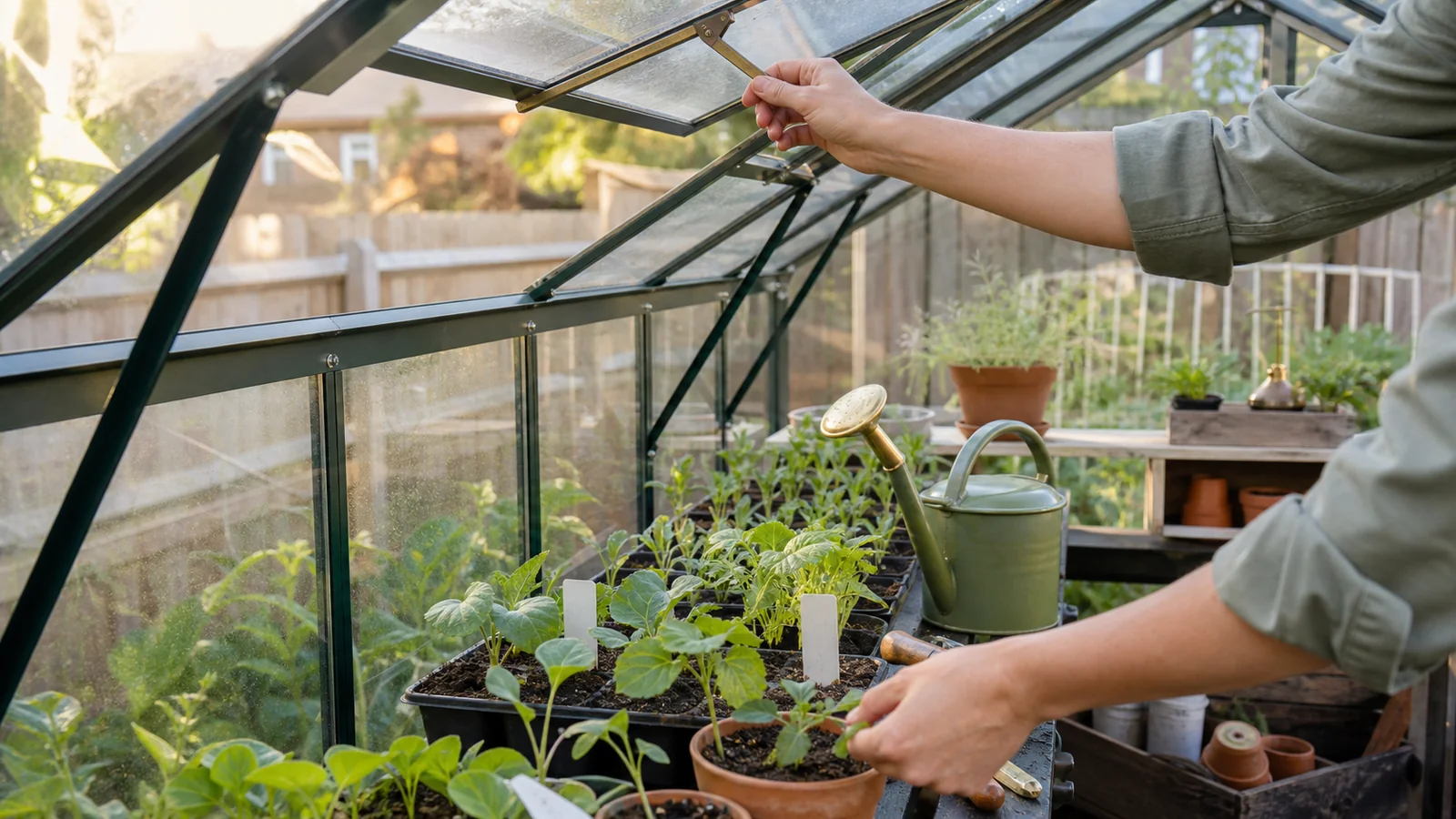
In the morning, check the temperature before the sun has fully warmed the structure. Open vents or doors early if the day is expected to be bright. Look at the top inch of potting mix, lift a few containers to feel their weight, and scan leaves for wilting, yellowing, or fungal spots.
In the evening, close only what needs closing. On warm nights, some airflow may still be useful. On cold nights, close vents before the temperature drops too far, but avoid leaving wet foliage trapped in still air. Remove fallen leaves, empty saucers, and any weak seedlings that are collapsing at the stem.
Keep a maximum-minimum thermometer in the greenhouse. It tells you what happened while you were away, not just what the air feels like when you step inside. If the daytime high keeps climbing above about 81°F, plants can begin to show stress, especially young seedlings and soft new growth.
Vent Before Plants Look Stressed
Ventilation is not only for hot days. It moderates temperature, replaces stale air, and helps reduce the damp conditions that encourage fungal problems. Waiting until leaves droop means the greenhouse has already been uncomfortable for a while.
Open roof vents, side vents, and doors in stages. On mild bright days, a cracked vent may be enough. On hot sunny days, open doors and vents widely so air can move through the structure instead of pooling at the roof. If your greenhouse has only one opening, add a small fan to keep air moving gently across the space.
Watch for warning signs:
- Seedlings leaning, folding, or looking limp in midday heat
- Leaf edges drying or scorching
- Condensation staying on glass or plastic late into the day
- A heavy, damp smell when you open the door
- Grey or fuzzy growth on dead leaves or crowded trays
Good airflow should feel gentle, not harsh. You are trying to refresh the greenhouse, not blast seedlings. If leaves are whipping around, the fan is too close or too strong.
Use Shade Before Summer Heat Builds
Clear greenhouse panels are excellent in cool spring light, but the same light can become too intense later in the season. Shading is a practical tool, not a sign that the greenhouse is in the wrong spot.
Use shade cloth, roll-up blinds, temporary screens, or lightly applied greenhouse shading paint when the interior regularly gets too hot. Many warm-season crops still need strong light, so avoid making the greenhouse gloomy. The goal is to soften the sharpest heat and reduce leaf scorch.
Place shade where the afternoon sun hits hardest. A small greenhouse near a patio or fence may overheat on one side first, so do not assume the whole structure needs equal treatment. Check the thermometer after you add shade. If the temperature still spikes, combine shade with wider ventilation.
For seedlings, shade matters even more. Young plants have small root systems and less stored moisture. They can dry and collapse faster than established plants, especially in dark cell trays that absorb heat.
Water The Roots, Then Let Air Do Its Work
Watering is where many greenhouse gardeners overcorrect. A wilted plant may need water, but it may also be too hot, too crowded, or sitting in stale air. Before you water everything, check the potting mix.
Water deeply enough that the root zone is moist, then let excess water drain. Avoid keeping pots in standing water unless the crop and container system are designed for it. Roots need oxygen as well as moisture, and constantly saturated mix can invite rot.
Seedlings need closer monitoring than mature container plants. Small cells dry quickly, especially near vents and edges of benches. Larger pots may stay wet underneath even when the surface looks dry. Lift containers to learn the difference between dry, evenly moist, and waterlogged.
Try this basic watering pattern:
- Water early in the day when possible
- Aim water at the potting mix, not across the leaves
- Group plants with similar water needs together
- Space trays so air can move between them
- Empty standing water from trays after roots have had time to drink
Uneven watering can affect fruiting crops such as tomatoes and peppers. It can also stress herbs, leafy greens, and seedlings. A steady routine is better than dramatic rescue watering.
Match Crops To The Season Inside The Greenhouse
A greenhouse extends your options, but it does not erase the seasons. Cool-season greens, brassicas, onions, and many seedlings prefer gentler spring and fall conditions. Tomatoes, peppers, cucumbers, basil, and other tender crops need warmth, but they still suffer when heat climbs too high.
Use the greenhouse for three main jobs:
| Season | Best greenhouse role | What to watch |
|---|---|---|
| Early spring | Start seedlings and protect tender young plants | Cold nights, damping off, weak light |
| Late spring to summer | Grow warm-season crops and harden plants gradually | Heat spikes, watering swings, pests |
| Fall and winter | Shelter cuttings, hardy greens, and overwintering plants | Damp air, low light, poor ventilation |
If your greenhouse is unheated, be honest about night temperatures. Tender plants still need protection from cold. If it is heated, use the heat carefully and keep airflow in the plan. Warm, stagnant air can create a comfortable place for pests and disease.
Give Plants More Space Than Looks Efficient
Crowded greenhouse benches feel productive at first. Then plants stretch, leaves stay damp, pests move quickly, and watering becomes uneven. Space is part of plant care.
Leave gaps between trays once seedlings start to touch. Move vigorous plants away from slower ones so they do not steal light. Turn pots every few days if growth leans toward one side. Raise small plants closer to the light on an inverted tray or low shelf instead of letting taller plants shade them.
Spacing also makes your routine easier. You can see soil, stems, and leaf undersides. You can water without soaking every neighboring plant. You can remove a weak tray before a problem spreads.
If your greenhouse is small, grow fewer plants better. A tidy bench of healthy seedlings is more useful than a packed bench that needs constant rescue.
Keep Pests And Disease From Settling In
Greenhouses can protect plants from wind and cold, but they can also shelter pests. Aphids, whiteflies, mites, fungus gnats, and mildew all take advantage of tender growth and still air.
Make inspection part of the routine. Look under leaves, along stems, and near the soil surface. Yellowing, stippling, sticky residue, flying insects, or fine webbing are signs to act early. Isolate affected plants when you can, prune damaged foliage, and improve airflow before reaching for stronger measures.
Cleanliness helps more than it sounds. Remove dead leaves. Wash reused pots before filling them. Brush soil off benches. Keep bags of potting mix closed. Do not let old trays collect in damp corners.
Damping off is a common seedling problem in cool, wet, low-light conditions. The stem thins near the soil line and the seedling collapses. To reduce the risk, use clean containers, fresh seed-starting mix, good light, gentle airflow, and careful watering.
Troubleshoot Common Greenhouse Problems
When something looks wrong, do not change everything at once. Start with the condition most likely to cause the symptom.
| Symptom | Likely cause | First fix |
|---|---|---|
| Seedlings are tall and weak | Not enough light or too much warmth | Improve light, lower heat, rotate trays |
| Leaves wilt at midday but recover later | Heat stress | Vent earlier, add light shade, check root moisture |
| Leaf edges look scorched | Intense sun or dry roots | Add shade, water evenly, move tender plants |
| Soil stays wet for days | Overwatering or poor drainage | Water less, improve airflow, check container holes |
| Fuzzy growth on old leaves | Damp, still air | Remove debris, open vents, increase spacing |
| Small flies around trays | Wet mix and organic debris | Let surfaces dry slightly, remove decaying material |
Keep notes for a week if a problem repeats. Record the high temperature, whether vents were open, and when you watered. Patterns become obvious quickly.
FAQ
How often should I water greenhouse plants?
Check moisture daily, but do not water on a fixed schedule. Small seed trays may need frequent attention, while larger pots can stay moist much longer. Water when the root zone is beginning to dry, and make sure excess water can drain away.
Should I leave greenhouse vents open at night?
It depends on the temperature and season. During warm spells, some night ventilation can reduce damp air. During cold weather, close vents before temperatures fall too far for the plants you are growing. A thermometer helps you make the decision instead of guessing.
What temperature is too hot for a greenhouse?
Many plants begin showing stress when greenhouse temperatures climb above about 81°F, especially seedlings and tender growth. Some warm-season crops tolerate higher warmth for short periods, but repeated heat spikes call for earlier venting, shade, and steadier watering.
Can I grow vegetables in a small backyard greenhouse?
Yes, but choose crops that fit the season and the space. Start with seedlings, herbs, leafy greens, compact tomatoes, peppers, or cucumbers, depending on your climate and light. Give plants enough room for airflow and easy watering.
Build Confidence One Adjustment At A Time
The best greenhouse gardening tips are less about perfection and more about attention. Open the greenhouse before heat builds. Water the roots, not the whole room. Give plants space. Remove problems early. Let the structure help you, but keep the climate in your hands.
Once your routine is steady, the greenhouse becomes a calmer place to grow. You can start seeds earlier, protect tender plants longer, and enjoy the quiet pleasure of seeing small changes before the rest of the garden wakes up.
You might also like
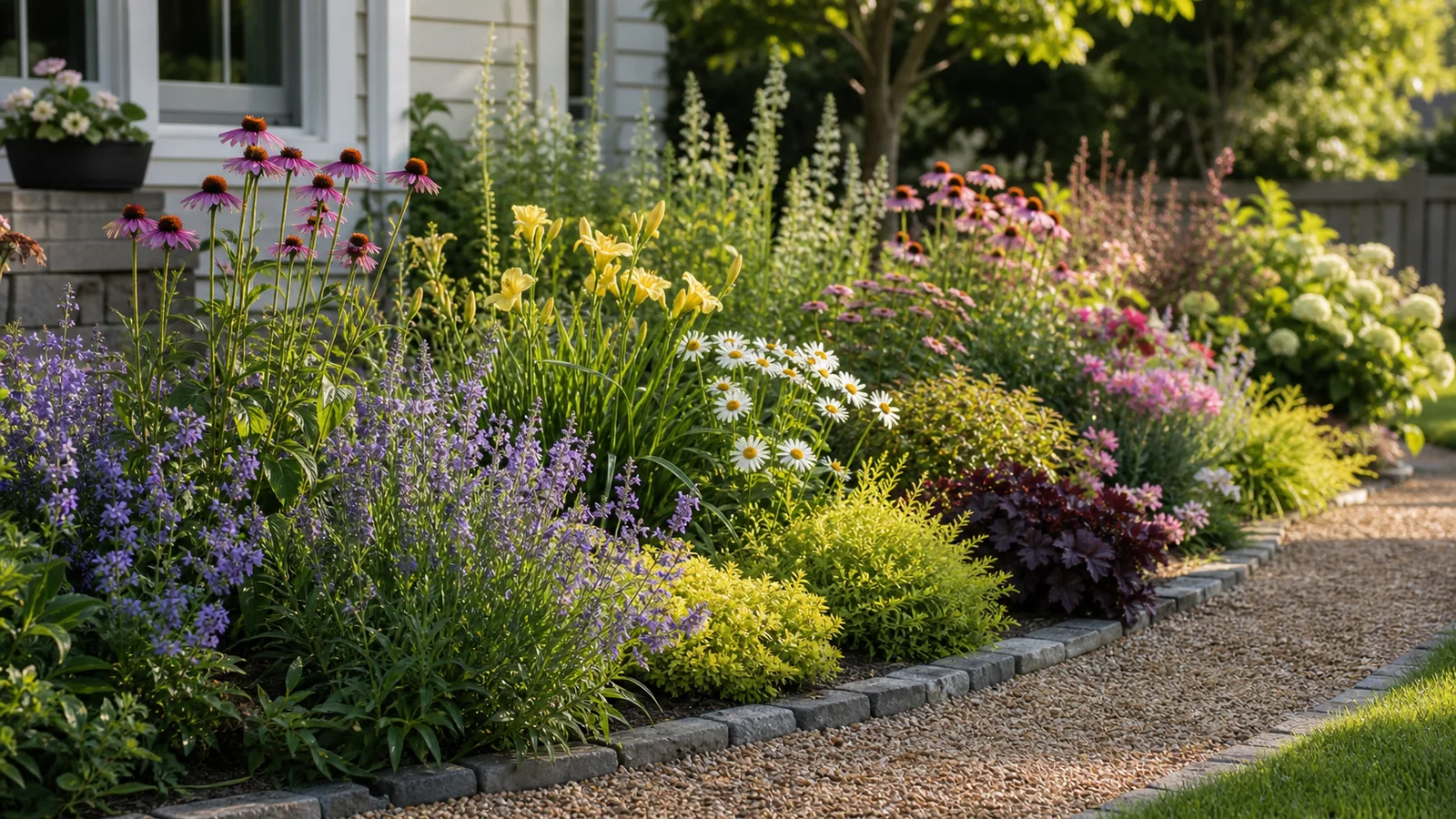
Flower Gardens That Bloom Beyond One Season
Plan flower gardens with site-first plant choices, repeated drifts, seasonal bloom, pollinator support, and easy maintenance.
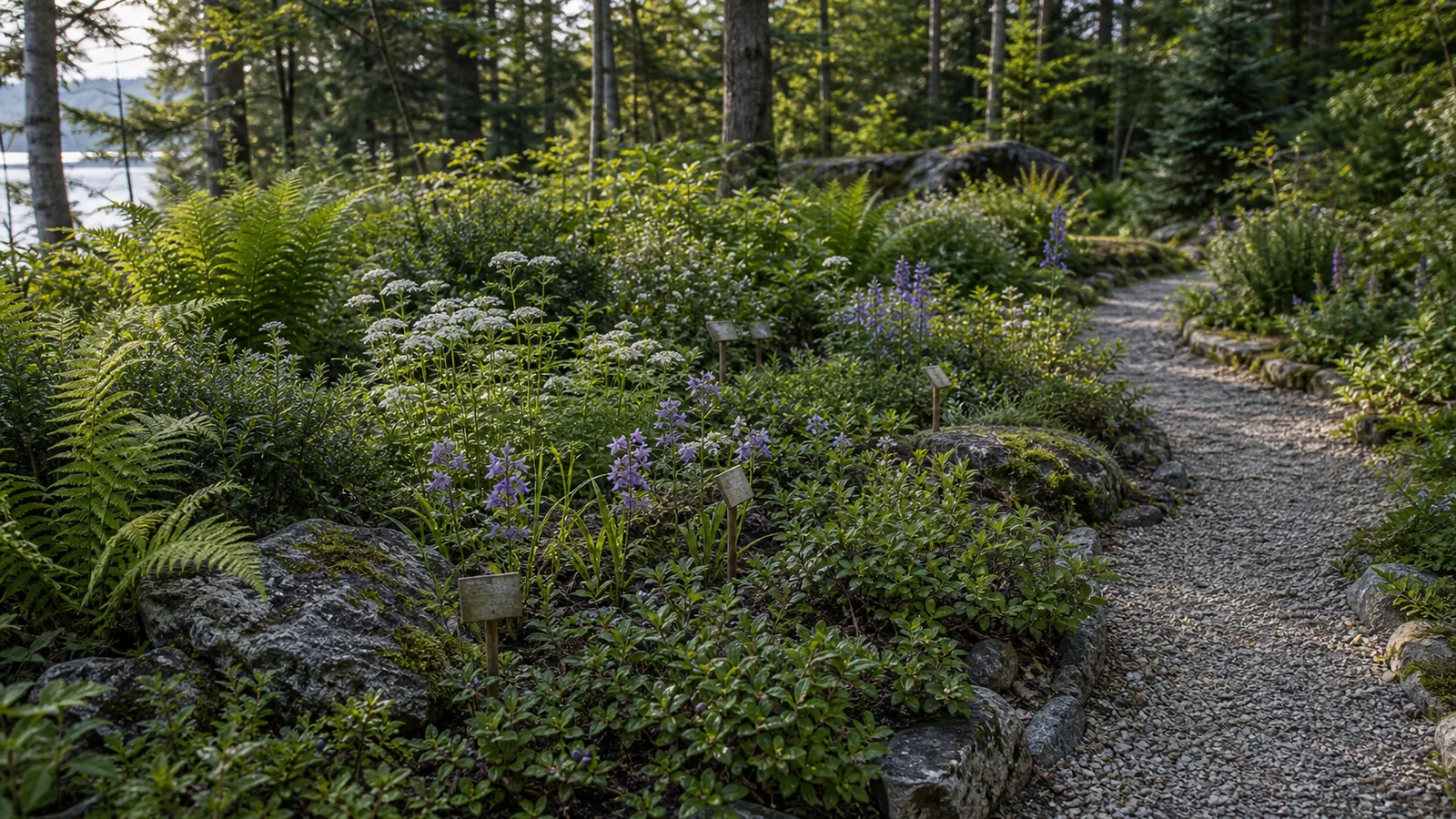
Wild Gardens of Acadia Native Yard Ideas
Borrow Wild Gardens of Acadia ideas for native plant layers, habitat edges, labels, paths, and a wilder Maine-coast yard.
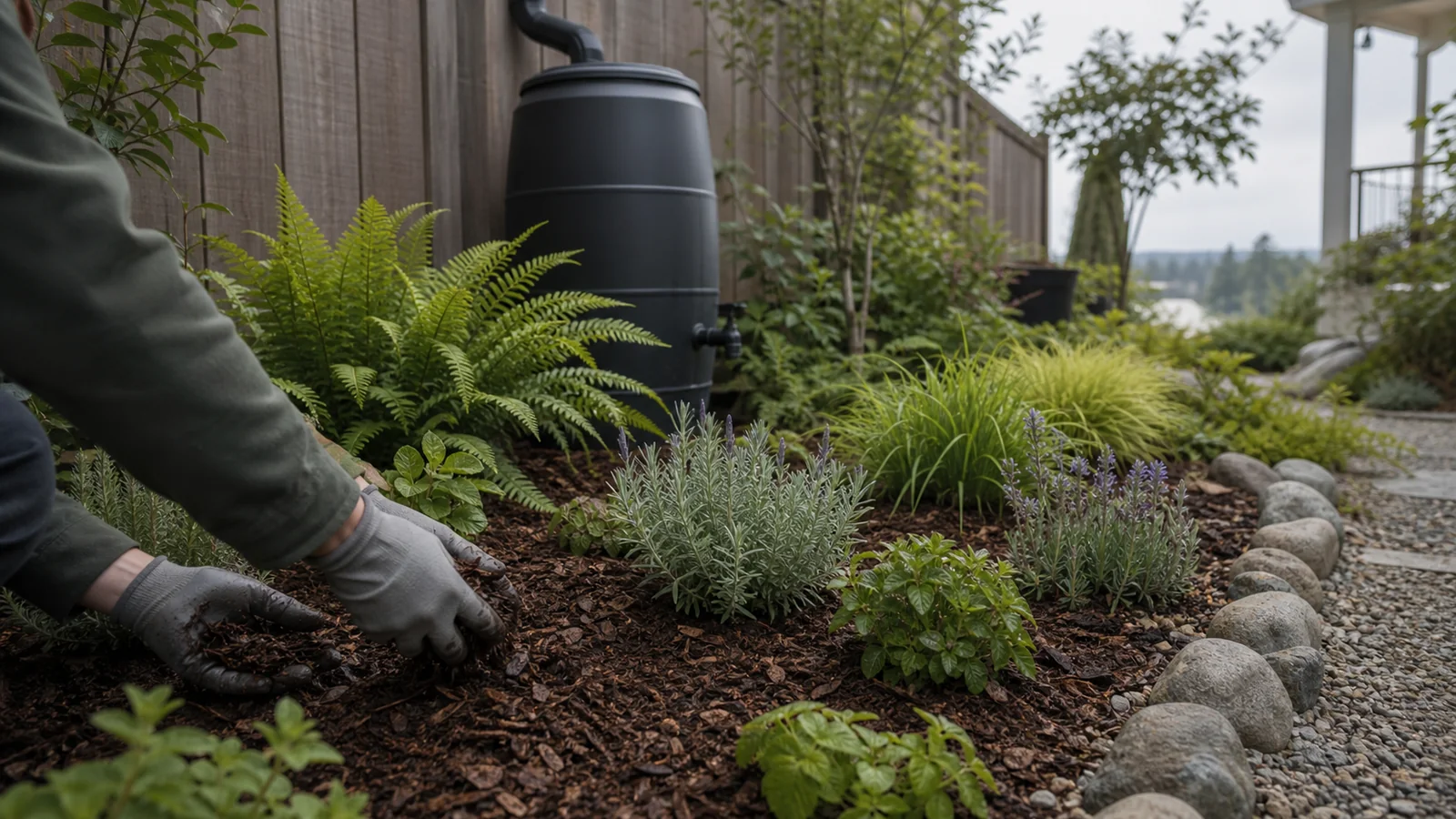
Victoria Gardening for Mild Coastal Yards
Plan Victoria gardening around mild winters, dry summers, wind, deer pressure, soil, and layered planting for a calm coastal yard.