Cedar for Raised Bed Gardens: Is It Worth It?
Decide Whether Cedar Fits The Bed You Are Building
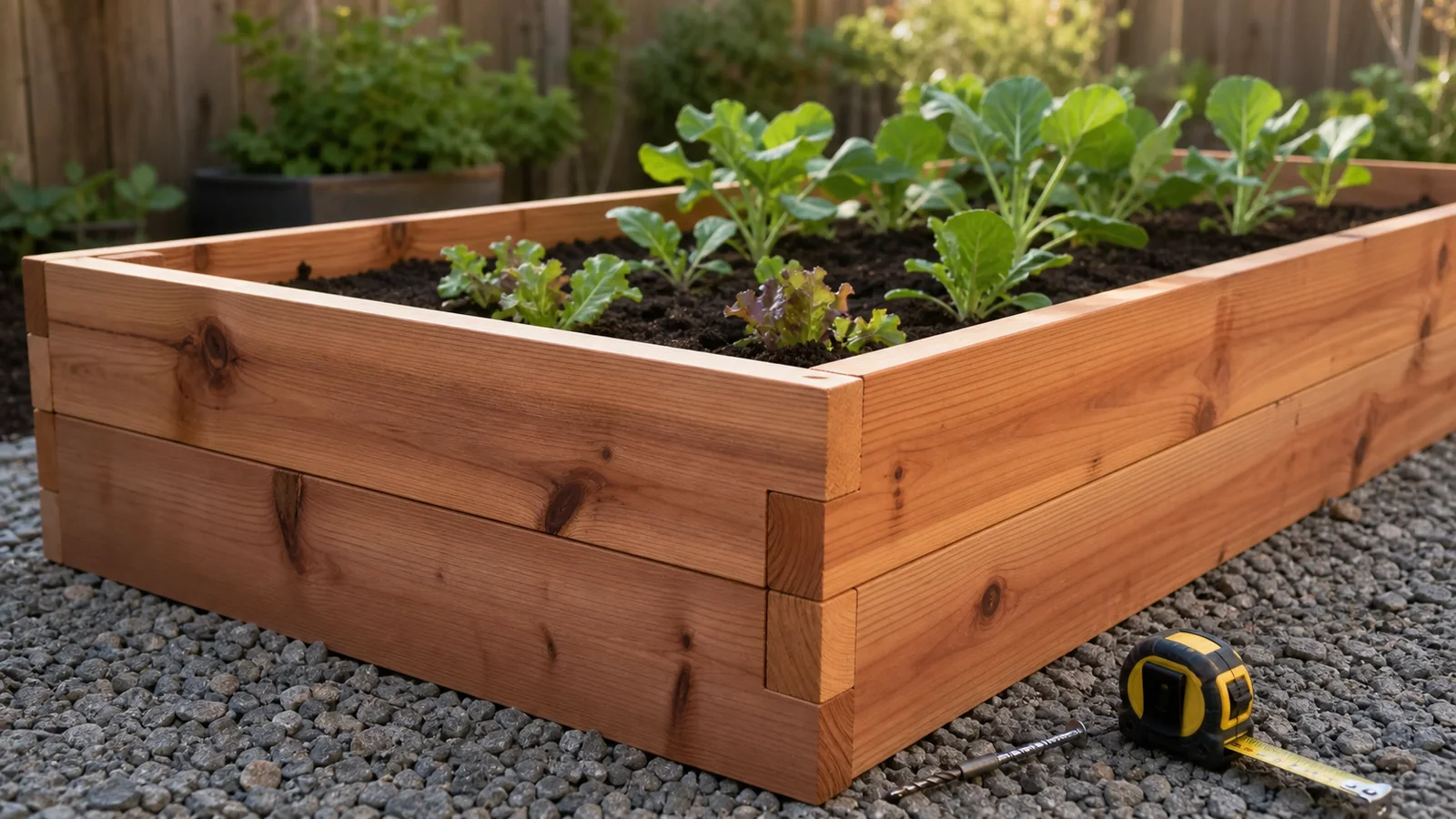
Cedar for raised bed gardens is popular for a good reason. It has a warm color, it weathers gently, and it naturally resists decay better than many common softwoods. For a home vegetable bed, herb bed, or tidy side-yard planting box, that mix of durability and appearance can make the extra cost feel reasonable.
The part to decide before you buy lumber is what you need the bed to do. A decorative front-yard herb box, a deep vegetable bed, and a budget row of temporary growing beds do not need the same material. Cedar is strongest as a long-term, visible frame that you want to look good without using painted or chemically treated boards.
Use cedar when the bed will be part of the garden design, not just a short-term growing container. If you only need one season of extra planting space, cheaper lumber, fabric grow bags, or a simple metal kit may be a better fit.
What Cedar Does Well In A Raised Bed
Cedar’s main advantage is natural rot resistance. The wood contains oils and compounds that help it handle moisture better than many untreated boards. That matters in a raised bed because the inside face touches damp soil while the outside face sees rain, irrigation splash, and seasonal weather.
It is also comfortable in a design-aware garden. Fresh cedar has a clean amber tone that suits gravel paths, brick patios, herb gardens, and cottage-style vegetable beds. Over time, untreated cedar fades toward silvery gray. Some homeowners like that softer weathered look; others prefer to preserve more of the original color with a garden-safe exterior finish on the outside faces.
Cedar is also easier to work than many very hard woods. You can cut it with common homeowner tools, fasten it with exterior screws, and build a neat rectangular bed over a weekend. For a visible project, those clean edges and warm boards can make a small yard feel more finished.
Where Cedar Can Disappoint
Cedar is not magic. It still breaks down when soil stays wet against it for years. Thin boards can bow. Corners can loosen. Beds built directly on poorly drained ground may age faster than beds set over gravel or free-draining soil.
Cost is the other practical limit. Cedar usually costs more than pine, fir, or many kit materials. If you are building several large beds, the difference can add up quickly. Spending more makes the most sense where you will see and use the beds often.
Watch for these common disappointments:
- Boards that are too thin for the bed height
- Interior faces that stay constantly wet
- Corners held only by short screws into end grain
- Beds placed where hose water or roof runoff hits the same side every day
- Very wide beds that are hard to reach across
The fix is not complicated. Build the bed sturdy, keep water moving, and choose a size that makes gardening easier rather than just larger.
Choose Untreated Cedar For Edible Beds
For vegetable, herb, and fruit beds, untreated cedar is usually the simplest choice. You avoid questions about paint, stain, or preservative contact with soil, and you still get a wood that handles outdoor use better than many untreated alternatives.
If you want to slow weathering, keep finishes away from the soil side unless the product is clearly labeled for the intended garden use. Many homeowners simply leave the inside unfinished and apply an exterior oil or sealer only to the outside faces. Even then, read the label and let the finish cure fully before filling the bed.
Reclaimed cedar can be tempting, but be cautious. Old fence boards, siding, or deck pieces may have unknown finishes, stains, or past treatments. For food-growing beds, new untreated boards are easier to trust.
Pick Board Thickness Before You Pick Bed Height
Board thickness matters more than many first-time raised bed builders expect. A shallow herb bed can use lighter boards. A tall vegetable bed filled with soil pushes harder against the sides.
For a small, low bed, 1-inch-thick nominal boards may be enough if the span is short and the corners are well braced. For a bed around 16 to 24 inches tall, thicker boards or stronger framing make the bed feel more solid. Long runs need support posts or stakes along the sides to reduce bowing.
Use this quick guide:
| Bed style | Sensible cedar approach | Watch point |
|---|---|---|
| Low herb bed | Short cedar boards with simple corner posts | Keep the bed reachable from one side |
| Standard vegetable bed | Thicker boards or stacked boards with solid corner posts | Add side support on long spans |
| Tall accessible bed | Strong framing, braced sides, careful fastening | Soil weight increases quickly |
| Decorative front-yard bed | Cleaner boards and visible corner details | Match the finish to nearby hardscape |
Think about the soil volume before the lumber receipt. A deeper bed needs more fill, more support, and more attention to drainage.
Build The Corners For Strength, Not Just Looks
The corners do most of the work in a raised bed. A clean miter or simple butt joint can look tidy, but the bed still needs enough structure to resist soil pressure and seasonal movement.
Use rot-resistant corner posts, cedar blocks, or exterior-grade metal brackets. Predrill screw holes near board ends so the cedar is less likely to split. Use exterior-rated screws, not drywall screws. If the bed is tall, stagger fasteners and connect each board course securely to the corner support.
Set the bed level before filling it. A twisted frame will be harder to square once soil is inside. If the ground slopes, cut into the high side or terrace the bed lightly instead of forcing the box to carry uneven pressure.
Leave the bed bottom open unless you are solving a specific problem such as burrowing pests. An open bottom lets roots reach deeper, water drain, and soil life move between the bed and the ground.
Help Cedar Last Longer With Better Drainage
The best way to protect cedar is to keep it from staying soaked. You do not need to line every raised bed with plastic, and plastic can trap moisture against the wood if it is used carelessly. Instead, make the site drain well.
Place beds where water does not pool after rain. If the soil is heavy clay, loosen the ground under the bed before filling it. A thin layer of coarse organic material or gravel around the outside path can reduce splashback and keep the lower boards drier.
Inside the bed, use a growing mix that drains while still holding enough moisture for plants. A compacted, soggy fill will stress roots and keep the wood wet. Mulch the soil surface after planting to reduce watering swings, but avoid piling mulch against the outside boards.
Small habits help too:
- Direct irrigation toward the soil, not the side boards
- Keep sprinklers from hitting the same cedar face every day
- Pull soil back from the top edge when it settles high
- Check corners each spring before the bed is fully planted
- Replace one failing board early instead of waiting for the frame to sag
Good construction and good drainage matter more than chasing a perfect protective product.
When Cedar Is Worth The Cost
Cedar is worth considering when the bed is permanent enough to be part of the landscape. It is a strong fit for kitchen gardens near a patio, tidy front-yard edible beds, herb beds by a back door, and raised beds that sit beside good-looking paths or seating areas.
It may be less worthwhile for rough utility beds behind a shed, temporary growing space, or a large production garden where budget matters more than appearance. In those cases, untreated fir, hemlock, metal beds, or modular kits may make more sense.
Here is the simplest decision:
| If you care most about… | Cedar is… |
|---|---|
| Natural appearance | A strong choice |
| Avoiding treated lumber near edible crops | A simple choice |
| Lowest upfront cost | Usually not the best choice |
| Long, visible garden structure | Often worth pricing |
| Quick temporary beds | More than you need |
For many homeowners, the sweet spot is one to three cedar beds where they will be seen and used often, rather than converting every growing area at once.
Cedar Vs Other Raised Bed Materials
Cedar is only one option. Comparing it with other materials helps clarify what you are paying for.
Untreated pine or fir can be cheaper and easier to find, but it usually decays faster in damp soil contact. Pressure-treated lumber can last well, but some gardeners prefer to avoid it for edible beds or use barriers based on their comfort level and local guidance. Metal beds are tidy and durable, though they have a different look and can feel less integrated with natural garden materials. Stone, brick, and block beds can last for decades but require more labor and a stronger base.
Use the material that matches your site, budget, and design. A small patio garden may look best with cedar. A hot, open vegetable area may suit metal. A formal front walk may deserve brick or stone. The right raised bed should support the garden around it.
A Practical Cedar Raised Bed Plan
For a first cedar raised bed, keep the project manageable. A 4-by-8-foot bed is common because it gives useful growing space while keeping the center reachable from both sides. If the bed will sit against a fence or wall, make it narrower so you can reach the back without stepping into the soil.
Choose a sunny, level spot with access to water. Mark the bed outline, remove grass or weeds, and loosen the soil below. Assemble the cedar frame with sturdy corner posts and exterior screws. Set it level, then fill it with a balanced raised bed mix. After planting, mulch lightly and water at the soil line.
The bed should feel like part of the yard, not a box dropped onto it. Add a gravel, mulch, or stepping-stone path around it so you can harvest, weed, and water without standing in mud. That simple edge also helps the cedar stay cleaner and drier.
FAQ
How long does cedar last in a raised garden bed?
There is no single lifespan because board thickness, drainage, climate, and soil moisture all matter. In a well-drained home garden, cedar often lasts longer than many untreated softwoods, but it will still weather and eventually decay where it touches damp soil.
Should I line a cedar raised bed?
Not always. A plastic liner can trap moisture if it is installed poorly. Many gardeners leave cedar beds unlined, focus on drainage, and use untreated boards for edible crops. If you use a liner, choose one intended for garden use and avoid blocking drainage.
Is cedar safe for vegetable gardens?
Untreated cedar is a common choice for vegetable and herb beds because it naturally resists decay without added wood preservatives. Avoid reclaimed boards with unknown paint, stain, or treatment history when growing food.
Does cedar need to be sealed?
Cedar does not have to be sealed. Leaving it unfinished lets it weather to gray. If you want to preserve more color, use a suitable exterior product only where appropriate, follow the label, and be cautious about finishes near soil used for edible crops.
Build The Bed You Will Still Like In Five Years
Cedar for raised bed gardens makes the most sense when you want a frame that is useful, visible, and pleasant to live with. It costs more than basic lumber, but it brings natural rot resistance and a finished look that suits many home gardens.
Build it with enough thickness, strong corners, good drainage, and a size you can actually reach. Do that, and a cedar raised bed can become more than a planting box. It can be the quiet structure that makes the whole kitchen garden feel intentional.
You might also like
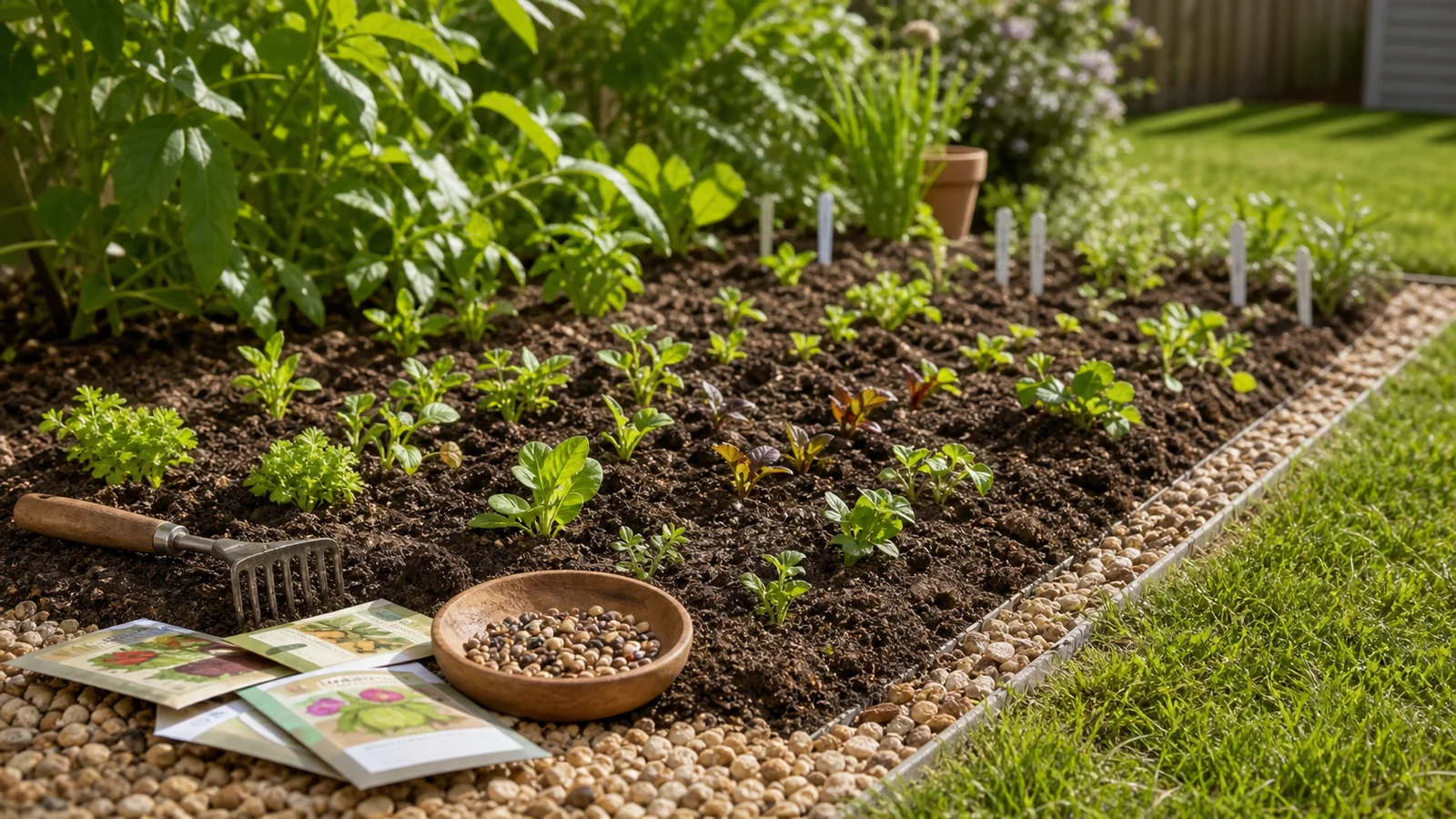
Chaos Gardening Without A Mess
Try chaos gardening with smarter seed choices, light prep, clear edges, and simple thinning so the bed feels lively, not messy.
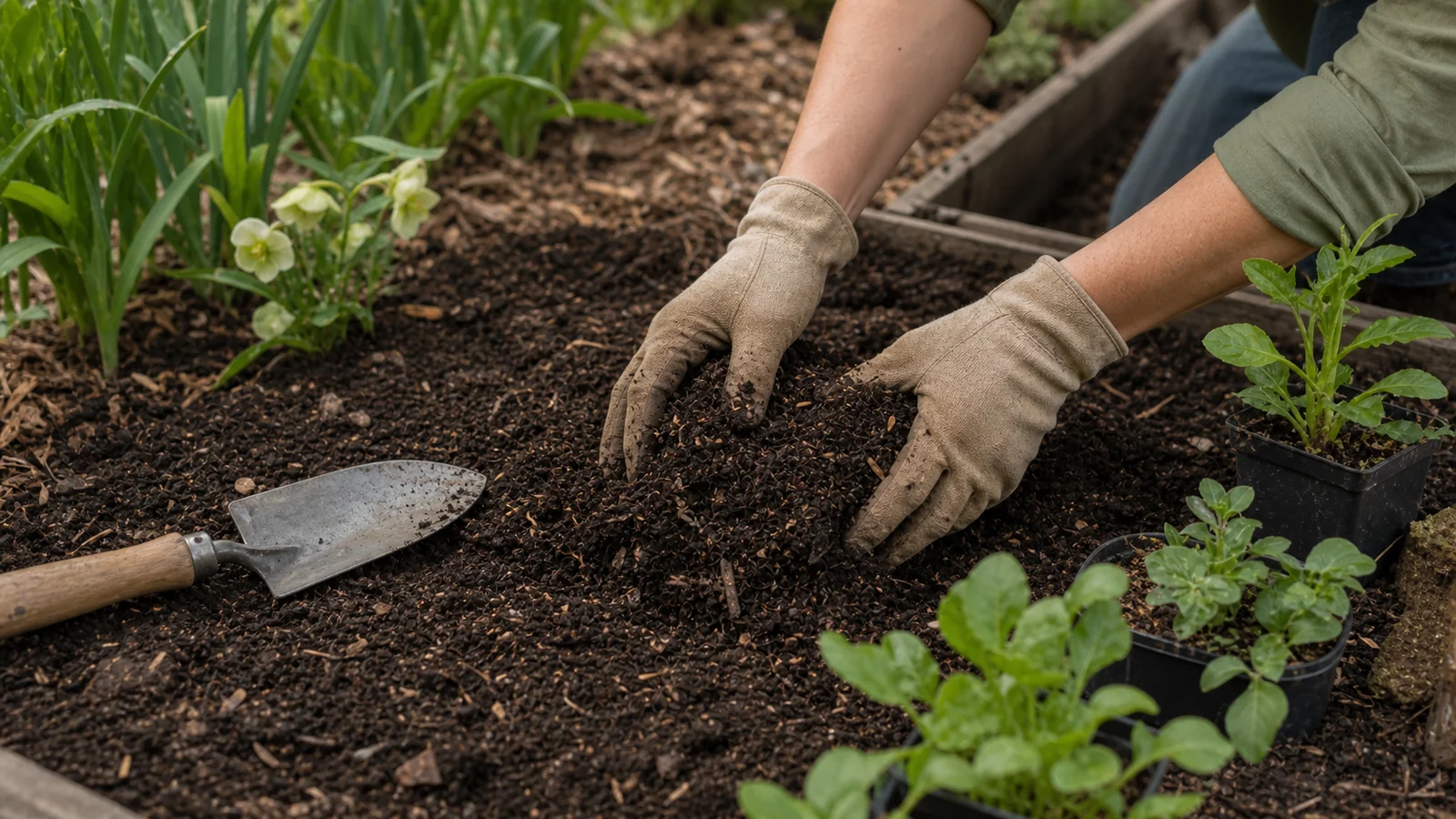
Soil Amendments for Gardens That Work
Choose soil amendments for gardens by testing first, matching compost, mulch, lime, sulfur, and organic matter to the actual soil problem.
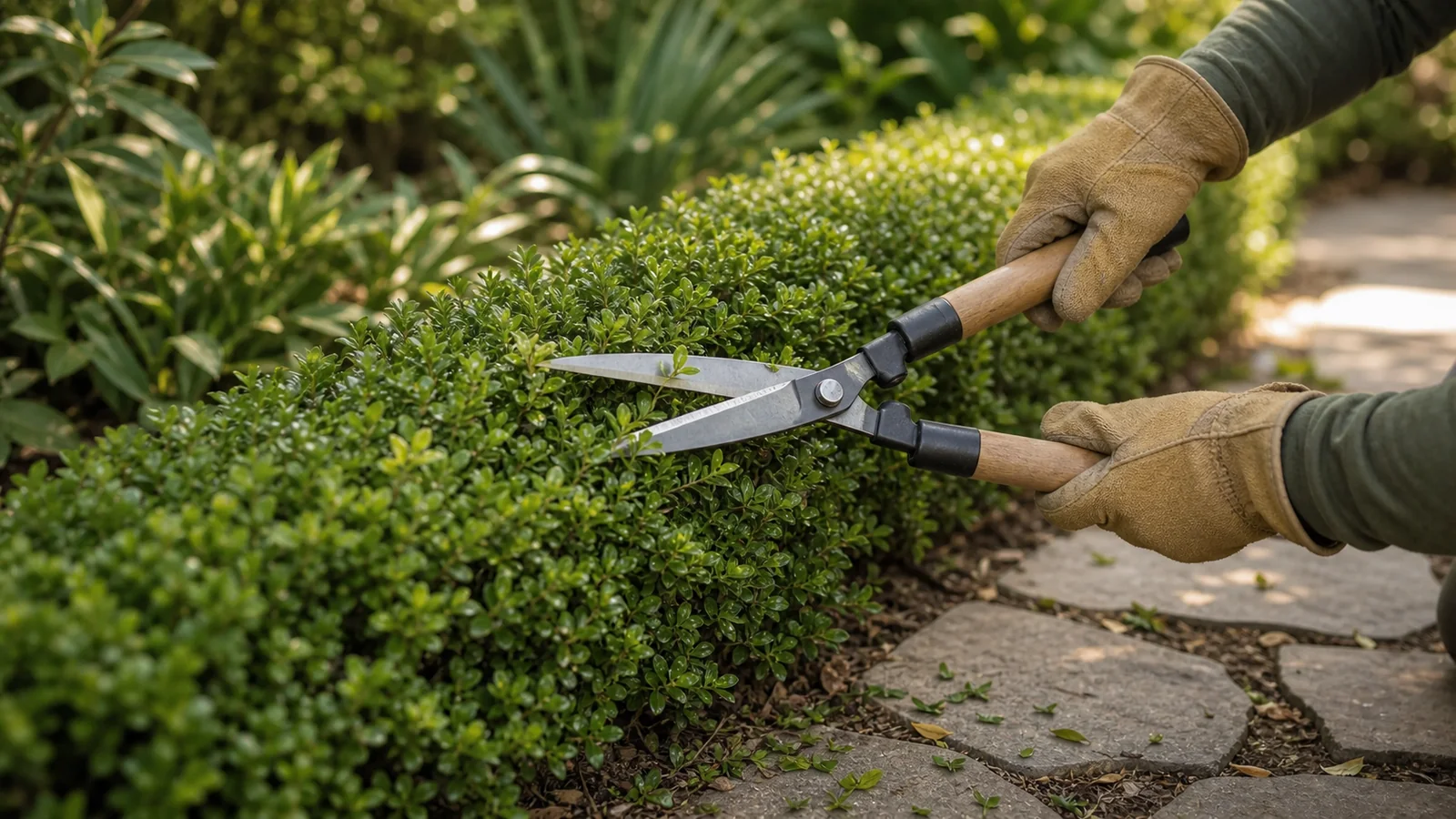
Shear Gardening Guide for Tidy Shrubs
Use shear gardening carefully with the right tools, timing, cleaning habits, and shaping rules for hedges, shrubs, and patio plants.